

 Druck bestellen Bild kaufen
 Versenden
 Teilen
 Details
 Zu Favoriten hinzufügen

 Herunterladen
 Ähnliche Objekte
 X-Ray
X-Ray
 Diashow anzeigen
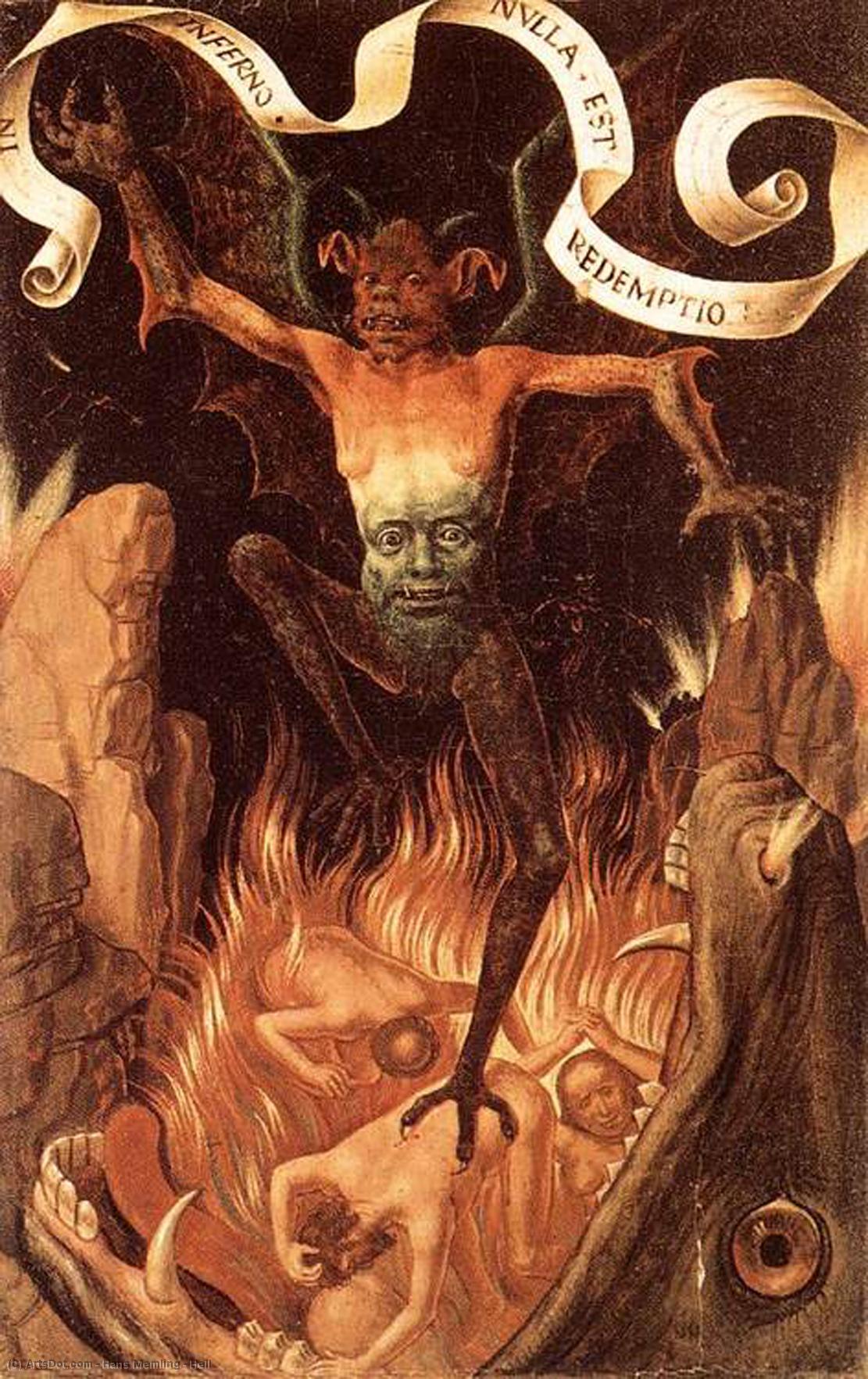
Hell
 Oil On Canvas
- WallArt
- Baroque Netherlandish painting
 1485
1485- Late Medieval
 22.0 x 14.0 cm
 Musée Des Beaux
 Weiterlesen
Handgefertigte Öl-Reproduktion
Handgemaltes Ölgemälde auf Leinwand in Ihrer Wunschgröße und mit Rahmen, auf Bestellung von unseren Künstlern angefertigt.




P118B $10

P118H $10

P118W $10

P438Z $10

P508JH $12

P508YH $12

P805H $10

P805Z $10

P919BZ $10

P919G $10

P919XJ $10

P959ZH $10

P968JZ $12

W106C $8

W218G $10

W218JH $8

W218Y $10

W307PJ $10

W316G $10

W316PJ $8

W316Y $10

W398PJ $8

W4111J $10

W500HY $15

W500JH $15

W692G $12

W849H $8

W940BG $15

W953PJ $8




Wählen Sie aus unseren vordefinierten Größen, die den ursprünglichen Proportionen des Kunstwerks entsprechen.

Sie können Ihre eigenen Maße eingeben, um einen bestimmten Rahmen oder Platz auszufüllen. Wenn die gewählte Größe nicht den Proportionen des Originalbildes entspricht, werden wir das Kunstwerk entweder beschneiden oder das Gemälde durch zusätzliche, handgemalte Elemente erweitern. Ein digitales Mockup wird Ihnen zur Genehmigung zugesandt, bevor die Produktion beginnt.
Bitte beachten Sie, dass die Bildschirmvorschau nicht die tatsächliche Beschneidung oder Erweiterung widerspiegelt. Nur das Mockup zeigt die endgültige Komposition exakt an.
Obwohl Sondermaße verfügbar sind, empfehlen wir, eine Größe aus der vordefinierten Liste zu wählen, um die ursprünglichen Proportionen beizubehalten.
Nach der Bestellung wird das ArtsDot.com-Team dem Kunden Anweisungen per E-Mail zusenden und eine Mockup-Vorschau bereitstellen.
Weltweiter Versand () in nur 3 bis 4 Wochen statt der üblichen 5 Wochen. (2 Juli). Keine Kompromisse bei der Qualität.

Kostenloser weltweiter Expressversand

Hochwertige Leinenleinwand

Umfassender Versicherungsschutz beim Versand

Zollsteuer-Rückerstattungsgarantie

Garantie für echte Farbtreue

60-Tage-Rückgaberecht (nur bei Mängeln)

100% Geld-zurück-Garantie

Mengenrabatt verfügbar
 Die Glasoption ist nur in Größen unter 110 cm verfügbar.

Hell
Art der Reproduktion
Größe der Reproduktion
-


Endpreis aller Optionen
-
Beschreibung des Kunstwerks
Hans Memling's "Hell": A Descent into Torment
This arresting depiction of Hell, painted in 1485 by Hans Memling, offers a profoundly unsettling glimpse into the artist’s masterful understanding of human suffering and his deep engagement with religious iconography. Measuring 22 x 14 cm, this intimate scale amplifies the emotional intensity of the scene, drawing the viewer directly into the heart of torment. The painting immediately commands attention with its stark contrasts – the oppressive darkness punctuated by the demonic figure’s vibrant, almost theatrical presence. It is a work born from Memling's time in Bruges, where he was commissioned to create works for wealthy patrons and religious institutions, reflecting the city’s status as a major center of art and commerce.
A Study in Netherlandish Realism and Symbolism
Memling, deeply influenced by Rogier van der Weyden, exemplifies the core tenets of Early Netherlandish painting. The meticulous detail evident in the rendering of textures – the rough fabric of the tormented figures’ clothing, the polished scales of the demon's wings, the aged leather binding of the book – speaks to a dedication to realism that was revolutionary for its time. However, this isn't merely a depiction of physical reality; it is laden with symbolic meaning. The demonic figure, clutching a book filled with names, represents divine judgment and the inescapable consequences of sin. The postures of the figures—groaning in agony, pleading for mercy—are universally understood expressions of despair, tapping into fundamental human anxieties about mortality and punishment. The composition itself, with its tightly packed figures and dramatic lighting, creates a claustrophobic atmosphere, intensifying the sense of dread.
Technique and Materials: The Bruges Master at Work
Painted in oil on panel, Memling’s technique showcases his exceptional control over color and texture. The use of glazing – applying thin layers of translucent paint – creates a luminous quality that softens the harshness of the scene while simultaneously enhancing the sense of depth. Notice the subtle gradations of tone used to depict the demon's skin, conveying both power and vulnerability. Memling’s workshop in Bruges was renowned for its production of high-quality reproductions, often commissioned by wealthy patrons seeking devotional art for their homes. This particular piece likely served a similar purpose, intended to evoke contemplation and perhaps even inspire repentance.
Emotional Impact and Historical Context
"Hell," painted in 1485, reflects the anxieties of late medieval Europe, a period marked by religious fervor, social unrest, and a heightened awareness of mortality. The image resonates with viewers across centuries due to its raw depiction of suffering – a timeless exploration of human fallibility and divine retribution. Hans Memling’s legacy extends beyond this single work; he remains one of the most important figures in Early Netherlandish art, his influence felt throughout Europe through his prolific workshop and enduring masterpieces. This reproduction offers an unparalleled opportunity to experience the power and beauty of Memling's vision, bringing a piece of history into your space.
Ähnliche Kunstwerke


Biografie des Künstlers
Hans Memling: The Bruges Master of Detail and Patronage
Hans Memling (c. 1430 – August 11, 1494), born in Seligenstadt, Germany, stands as a pivotal figure in Early Netherlandish painting—a movement characterized by exquisite realism, meticulous observation of nature, and profound spiritual contemplation. Though his formative years were spent primarily within the Rhineland’s artistic milieu, Memling's trajectory ultimately led him to Bruges, Belgium, where he established himself as one of the foremost artists of his time and cultivated a prolific workshop that disseminated his distinctive style across Europe.Early Life & Apprenticeship
Precise biographical details surrounding Memling’s birth remain elusive, yet scholarly consensus suggests he emerged from Mainz around 1430. His artistic education commenced under the tutelage of Rogier van der Weyden, a titan of Flemish painting whose mastery of oil paint and sculptural modeling profoundly shaped Memling's technique. This apprenticeship instilled in him an unwavering dedication to detail—a hallmark that would define his oeuvre. Van der Weyden’s influence is palpable throughout Memling’s early works, particularly in the masterful rendering of drapery folds and the subtle use of chiaroscuro—the dramatic interplay between light and shadow—techniques that underscore Memling's commitment to capturing the essence of form and texture.Bruges & The Workshop
By 1465, Memling secured citizenship in Bruges, a burgeoning commercial hub and artistic epicenter. Recognizing the potential for collaborative creativity, he founded a workshop staffed by numerous assistants, fostering an environment of innovation and stylistic consistency. This workshop became renowned for producing stunning reproductions of masterpieces—a testament to Memling’s skill as both artist and pedagogue. The Memling Workshop wasn't merely a production facility; it was a crucible of artistic experimentation where young painters honed their skills under Memling’s watchful eye, absorbing his meticulous approach and stylistic sensibilities. Consequently, the workshop produced an astonishing volume of paintings—many bearing unmistakable traces of Memling’s distinctive style—establishing Bruges as a global center for artistic excellence during the Renaissance.A Style Defined by Precision & Patronage
Memling's artistic style is instantly recognizable: characterized by luminous color palettes, delicately rendered drapery folds, and an astonishing level of anatomical accuracy. He meticulously studied human anatomy—drawing inspiration from classical sculpture—to achieve unparalleled realism in his portraits and religious scenes alike. Unlike many contemporaries who favored expressive brushstrokes, Memling prioritized meticulous observation and painstaking execution, resulting in images imbued with serene beauty and profound spiritual depth. His palette was particularly notable for its subtle gradations of color—a technique that conveyed a sense of atmospheric perspective and heightened visual impact. Furthermore, Memling’s works frequently served as commissions for wealthy patrons—primarily clergymen and aristocratic families—who sought depictions of saints and biblical narratives that resonated with piety and prestige.Notable Achievements & Legacy
Memling achieved considerable renown during his lifetime thanks to lucrative commissions from influential figures across Europe. Among his most celebrated achievements is “The Last Judgment,” a monumental fresco executed in St John’s Hospital in Bruges—a masterpiece showcasing Memling’s masterful compositional skills and dramatic use of color. This ambitious project cemented Memling's reputation as one of the foremost artists of his era, demonstrating his ability to convey complex theological concepts through visual imagery with remarkable eloquence. Beyond his artistic accomplishments, Memling’s workshop established Bruges as a global center for artistic excellence—a legacy that continues to inspire admiration and scholarly inquiry centuries later. His meticulous technique served as an inspiration for subsequent generations of artists—particularly Quentin Massys, who established the Antwerp School—solidifying Memling's position as a cornerstone of Flemish Renaissance art. Memling’s enduring influence stems from his unwavering commitment to realism, detail, and spiritual contemplation—values that continue to resonate with audiences worldwide. His paintings stand as timeless expressions of artistic genius and serve as poignant reminders of the beauty and solemnity inherent in the human experience.
Hans Memling
Deutschland
Kurzinfos
- Artistic Movement Or Style: Frühflämische Malerei
- Artists Who Influenced This Artist: ['Rogier van der Weyden']
- Date Of Birth: c. 1430
- Date Of Death: August 11, 1494
- Full Name: Hans Memling
- Nationality: Deutsch-Flämisch
- Notable Artworks:
- St. Johann Altar
- Die letzte Gerichtsbarkeit
- Das letzte Gericht
- Place Of Birth: Seligenstadt, Deutschland
Ähnliche Artikel

Hugo van der Goes: Andacht, Innovation und die psychologische Tiefe der frühen niederländischen Malerei
Entdecken Sie die revolutionäre Kunst von Hugo van der Goes! Tiefgründige Analyse seiner Werke, bahnbrechende Technik und bleibender Einfluss auf die frühe niederländische Malerei. Für Kunstexperten & Sammler.
Illuminating Realism: Early Netherlandish Painting (15th-16th Centuries)
Explore the captivating world of Early Netherlandish painting! Discover Jan van Eyck, Hans Memling & more. Uncover symbolism, techniques & the legacy of these Flemish masters. A comprehensive guide for art enthusiasts.

Frühniederländische Meisterwerke: 10 Gemälde, die eine Epoche prägten | ArtsDot
Entdecken Sie die 10 prägendsten Meisterwerke der Frühniederländischen Malerei! Von Jan van Eyck bis Rogier van der Weyden – erleben Sie Kunstgeschichte hautnah. Hochwertige Reproduktionen & Inspiration für Ihr Interieur auf ArtsDot.com.

Frühniederländische Renaissance: 10 Meisterwerke für Ihr Zuhause | ArtsDot
Entdecken Sie die 10 prägendsten Meisterwerke der Frühniederländischen Renaissance! Erfahren Sie mehr über Jan van Eyck, Rogier van der Weyden & Co. und ihre ikonischen Gemälde. Hochwertige Reproduktionen für Ihr Zuhause – jetzt auf ArtsDot.com!

Ölmalerei versus Druck: Die bleibende Kraft handgefertigter Kunstwerke für anspruchsvolle Sammler
Handgemalte Ölmalerei von ArtsDot – für anspruchsvolle Sammler. Exklusive Reproduktionen & personalisierte Kunstwerke mit höchster Qualität, individueller Anpassung und sicherer Auftragsmalerei. Investieren Sie in ein zeitloses Erbstück!



