
- Startseite

- Ölgemälde-Reproduktion
- Max Liebermann
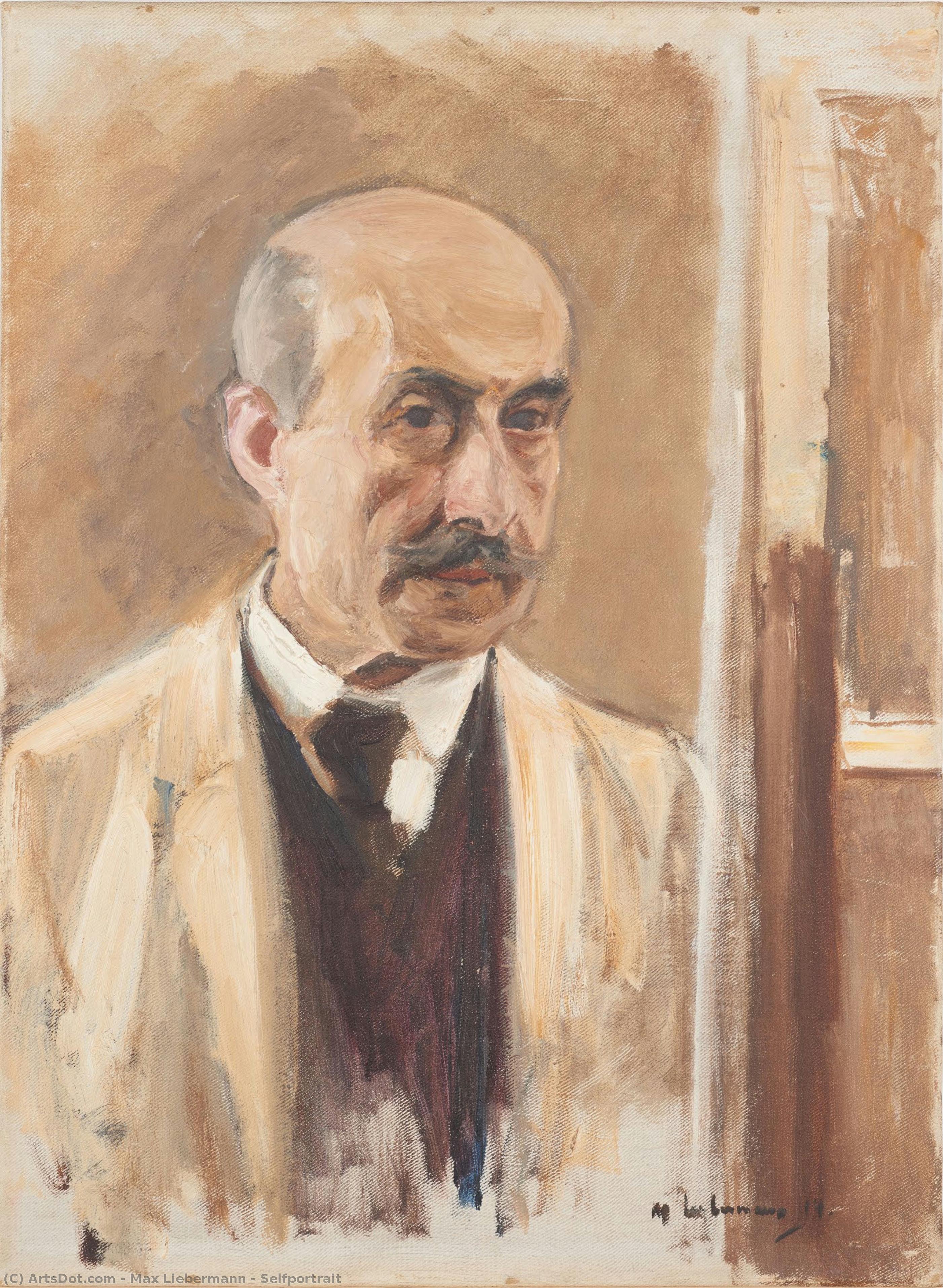
- Selfportrait
 Druck bestellen Bild kaufen
 Versenden
 Teilen
 Details anzeigen
 Zu Favoriten hinzufügen

 Herunterladen
 Ähnliche Objekte
 Röntgenaufnahme
 Diashow anzeigen
Selfportrait
 Oil On Canvas
- WallArt
- Early 20th Century Painting
 1914
1914 68.0 x 50.0 cm
 Lentos Kunstmuseum Linz
 Weiterlesen
Handgefertigte Öl-Reproduktion
Handgemaltes Ölgemälde auf Leinwand in Ihrer Wunschgröße und mit Rahmen, auf Bestellung von unseren Künstlern angefertigt.




P118B $10

P118H $10

P118W $10

P438Z $10

P508JH $12

P508YH $12

P805H $10

P805Z $10

P919BZ $10

P919G $10

P919XJ $10

P959ZH $10

P968JZ $12

W106C $8

W218G $10

W218JH $8

W218Y $10

W307PJ $10

W316G $10

W316PJ $8

W316Y $10

W398PJ $8

W4111J $10

W500HY $15

W500JH $15

W692G $12

W849H $8

W940BG $15

W953PJ $8




Wählen Sie aus unseren vordefinierten Größen, die den ursprünglichen Proportionen des Kunstwerks entsprechen.

Sie können Ihre eigenen Maße eingeben, um einen bestimmten Rahmen oder Platz auszufüllen. Wenn die gewählte Größe nicht den Proportionen des Originalbildes entspricht, werden wir das Kunstwerk entweder beschneiden oder das Gemälde durch zusätzliche, handgemalte Elemente erweitern. Ein digitales Mockup wird Ihnen zur Genehmigung zugesandt, bevor die Produktion beginnt.
Bitte beachten Sie, dass die Bildschirmvorschau nicht die tatsächliche Beschneidung oder Erweiterung widerspiegelt. Nur das Mockup zeigt die endgültige Komposition exakt an.
Obwohl Sondermaße verfügbar sind, empfehlen wir, eine Größe aus der vordefinierten Liste zu wählen, um die ursprünglichen Proportionen beizubehalten.
Nach der Bestellung wird das ArtsDot.com-Team dem Kunden Anweisungen per E-Mail zusenden und eine Mockup-Vorschau bereitstellen.
Weltweiter Versand () in nur 3 bis 4 Wochen statt der üblichen 5 Wochen. (12 Juli). Keine Kompromisse bei der Qualität.

Kostenloser weltweiter Expressversand

Hochwertige Leinenleinwand

Umfassender Versicherungsschutz beim Versand

Zollsteuer-Rückerstattungsgarantie

Garantie für echte Farbtreue

60-Tage-Rückgaberecht (nur bei Mängeln)

100% Geld-zurück-Garantie

Mengenrabatt verfügbar
 Die Glasoption ist nur in Größen unter 110 cm verfügbar.

Selfportrait
Art der Reproduktion
Größe der Reproduktion
-


Endpreis aller Optionen
-
Beschreibung des Kunstwerks
Selfportrait - Max Liebermann: A Window Into Impressionistic Reflection
Max Liebermann’s “Selfportrait” (1914) stands as a cornerstone of German Impressionism, capturing not merely an image of the artist himself but also a profound meditation on identity and artistic vision. Painted during Liebermann's prolific period—a time marked by both critical acclaim and personal struggles—the canvas offers a glimpse into the inner landscape of one of Germany’s most celebrated painters.
- Subject Matter: The portrait depicts Liebermann seated at his easel, bathed in soft natural light. His gaze is directed outwards, seemingly contemplating the world beyond the confines of his studio—a deliberate choice that speaks to Liebermann's fascination with capturing fleeting moments and conveying emotional nuance.
- Style & Technique: Liebermann adhered rigorously to Impressionistic principles, prioritizing optical perception over meticulous detail. He employed loose brushstrokes and vibrant color palettes – predominantly blues and greens – to depict the atmosphere of his lakeside garden. The artist’s masterful handling of light is particularly noteworthy; he skillfully renders reflections on water surfaces and captures the subtle gradations of shade and tone.
- Historical Context: Created in 1914, just before the outbreak of World War I, “Selfportrait” embodies the spirit of a generation grappling with uncertainty and change. Liebermann’s artistic endeavors coincided with a broader movement toward experimentation and innovation within German art—a reaction against academic conventions and a desire to embrace new aesthetic sensibilities.
- Symbolism: The easel itself serves as a potent symbol – representing not only Liebermann's profession but also his creative process. His contemplative gaze suggests an inward turn, inviting viewers to consider themes of introspection and artistic contemplation. Furthermore, the garden setting symbolizes tranquility and beauty—elements that Liebermann consistently sought to portray in his paintings.
- Emotional Impact: “Selfportrait” transcends mere representation; it communicates a palpable sense of serenity and thoughtfulness. The artist’s gaze conveys both confidence and vulnerability, capturing the complexities of human experience. It is a portrait not just of a man but of an artist wrestling with questions of selfhood and artistic purpose—a timeless image that continues to resonate with audiences today.
The painting's enduring appeal lies in its ability to convey a deeply personal vision while simultaneously embodying the broader ideals of Impressionism. Liebermann’s meticulous attention to light and color, combined with his psychological insight, cements “Selfportrait” as an exemplar of artistic excellence—a testament to the transformative power of observation and creative expression.
Ähnliche Kunstwerke


Biografie des Künstlers
Frühe Jahre und Ausbildung
- Geboren: Berlin, Deutschland (1847)
- Gestorben: 1935
Künstlerische Laufbahn und Stilentwicklung
- Impressionismus: Liebermann entwickelte sich zu einem der führenden Vertreter des Impressionismus in Deutschland, der flüchtige Momente des modernen Lebens mit Fokus auf Licht und Farbe einzufangen versuchte.
- Einflüsse: Sein Stil wurde maßgeblich von Édouard Manet beeinflusst, was sich in seinem Geist und Ansatz beim Malen zeigte.
- Motivwahl: Er porträtierte häufig Szenen des Bürgertums und Aspekte seines Gartens am Wannsee.
- Porträtmalerei: Liebermann erlangte Anerkennung als renommierter Porträtmaler und schuf über 200 Auftragsporträts, darunter von Albert Einstein und Paul von Hindenburg.
Wichtige Werke und Errungenschaften
- "Der 12-jährige Jesus in der Tempel": Ein frühes Werk, das Debatten aufgrund seiner Darstellung eines semitisch aussehenden Jungen Jesus auslöste.
- Wahl in die Preußische Akademie der Künste: Eine bedeutende Anerkennung seines künstlerischen Könnens und Beitrags.
- Leitung der Berliner Sezession (1899-1911): Er leitete diese führende Avantgarde-Formation in Deutschland, die traditionelle künstlerische Normen herausforderte.
Spätere Jahre und Historische Bedeutung
- Rücktritt aus der Preußischen Akademie: 1933 trat er zurück, nachdem die Akademie beschlossen hatte, keine Werke mehr von jüdischen Künstlern auszustellen.
- Tod und Vermächtnis: Er verstarb 1935 in Berlin und hinterließ ein bedeutendes Werk, das bis heute für seinen impressionistischen Stil und seine aufschlussreiche Darstellung der deutschen Gesellschaft gefeiert wird.

Max Liebermann
1847 - 1935 , Deutschland
Kurzinfos
- Beeinflusste Künstler: ['Édouard Manet']
- Bemerkenswerte Werke:
- Der zwölfjährige Jesus
- Holländisches Bauernhaus
- Porträt Dr. Max Linde
- Geburtsdatum: 20. Juli 1847
- Geburtsort: Berlin, Deutschland
- Künstlerische Richtung: Impressionismus
- Nationalität: Deutsch
- Todestag: 8. Februar 1935
- Vollständiger Name: Max Liebermann
- Von Künstlern Beeinflusst: ['Jean-François Miller']
Ähnliche Artikel

Dada: A Revolution of Anti-Art & the Rejection of Reason in Early 20th Century Aesthetics
Explore the revolutionary Dada art movement! Discover its origins, key artists like Duchamp & Arp, and lasting impact on modern art. A deep dive into anti-art & challenging conventions.

Brian Hatton: A Study in Early 20th-Century British Landscape Painting & Rural Identity
Explore the captivating landscapes & portraits of Brian Hatton (1887-1916), a promising British artist lost too soon. Discover his unique style, Herefordshire roots, and lasting legacy in early 20th-century art.
Daniel Macnee: A Study in Early 20th-Century British Illustration & Style Evolution
Explore the life & work of Sir Daniel Macnee, a leading Scottish portrait and landscape painter. Discover his artistic evolution, influences, and legacy in 19th-century British art. Learn more at ArtsDot.

Echoes of Modernity: Exploring Artistic Transformations in Early 20th-Century Painting
Explore the revolutionary artistic transformations of early 20th-century painting – Fauvism, Cubism & more. Discover key artists and movements shaping modern art history with ArtsDot.

Marie Laurencin: Poetics of Intimacy & Modernity in Early 20th-Century Painting
Explore the captivating world of Marie Laurencin, a key figure in Parisian Cubism & Modern art. Discover her unique feminine aesthetic, intimate portraits, and lasting influence on early 20th-century painting.



