


 In echtem Maßstab anzeigen
 Versenden als Grußkarte
 Teilen
 Details anzeigen
 Leitfaden öffnen

 Herunterladen
 Ähnliche Objekte
 Röntgenaufnahme
 Diashow
 Besucherstatistiken
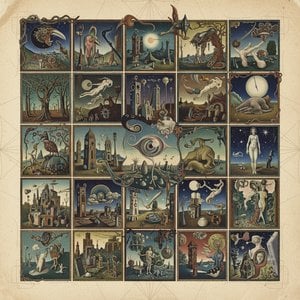
untitled (8345)


 Mehr anzeigen
Die auf dieser Seite dargestellten Kunstwerke sind urheberrechtlich geschützt, was bedeutet, dass wir keine identische Reproduktion rechtmäßig erstellen oder verkaufen dürfen. Dieser Schutz wird durch internationale Abkommen wie die Berner Übereinkunft und durch nationale Gesetze, einschließlich derer, die von den ... festgelegt wurden US-Urheberrecht – Titel 17.
Diese Methode entspricht vollumfänglich den Urheberrechtsbestimmungen, da sie keine Kopie oder Vervielfältigung des geschützten Kunstwerks darstellt. Stattdessen handelt es sich um eine kreative Neuinterpretation – ein neues Gemälde, das vom Original inspiriert, aber nicht identisch mit ihm ist.
Giclée / Kunstdruck
Giclée- oder Leinwanddruck in Museumsqualität mit schneller Produktion und flexiblen Veredelungsoptionen. ( Handgemalte Reproduktion kaufen Zum digitalen Bild wechseln)




P118B €10

P118H €10

P118W €10

P438Z €10

P508JH €12

P508YH €12

P805H €10

P805Z €10

P919BZ €10

P919G €10

P919XJ €10

P959ZH €10

P968JZ €12

W106C €8

W218G €10

W218JH €8

W218Y €10

W307PJ €10

W316G €10

W316PJ €8

W316Y €10

W398PJ €8

W4111J €10

W500HY €15

W500JH €15

W692G €12

W849H €8

W940BG €15

W953PJ €8




Wählen Sie aus unseren vordefinierten Formaten, die den ursprünglichen Proportionen des Kunstwerks entsprechen.

Geben Sie die Breite und die Höhe an, die Sie benötigen, damit der Druck perfekt in Ihren Rahmen oder an Ihre Wand passt. Ein Druck kann nur beschnitten werden und niemals größer als das Originalbild gemacht werden; daher verliert ein Format mit einer anderen Proportion einen Teil des Bildes. Wir senden Ihnen ein digitales Mockup zur Freigabe, bevor wir den Druck ausführen. Das auf dieser Seite gezeigte Bild zeigt nicht den tatsächlichen Beschnitt – dies ist nur im Mockup ersichtlich.
Weltweiter Versand () innerhalb von 2 Wochen statt der üblichen 4/5 Wochen. (18 Oktober)

Kostenloser weltweiter Expressversand

Hochwertige Leinenleinwand

Vollständiger Versicherungsschutz beim Versand

Zollgebühren-Rückerstattungsgarantie

Garantie für exakte Farbtreue

100-tägiges Rückgaberecht (nur bei Mängeln)

100% Geld-zurück-Garantie

Angebot für Mengenrabatt
 Die Glasoption ist nur für Größen unter 110 cm verfügbar.

untitled (8345)
Giclée / Kunstdruck
Format der Reproduktion
-


Gesamtpreis
€ 54
Unveiling the Dreamscape: Max Ernst's "Untitled (8345)"
Max Ernst’s “Untitled (8345)” is not merely a painting; it’s an immersion into the subconscious, a meticulously crafted descent into the unsettling beauty of the surreal. Executed by one of the 20th century's most influential artists, this work embodies Ernst’s lifelong fascination with dreams, mythology, and the psychological complexities of the human experience. The image depicts a profoundly strange tableau: a man adorned with horns cradling a woman whose head transforms into that of a bird, while two additional avian figures observe from the periphery. It's a scene simultaneously familiar and utterly alien, demanding contemplation rather than simple observation.
A Synthesis of Disciplines – Ernst’s Artistic Philosophy
- Intellectual Roots: Max Ernst’s artistic trajectory was profoundly shaped by his rigorous academic pursuits. Studying philosophy, art history, literature, psychology, and psychiatry at the University of Bonn instilled in him a unique perspective—a desire to dissect and represent not just appearances but the underlying forces driving human perception. This intellectual grounding is palpable within “Untitled (8345),” where every element seems deliberately placed to evoke a specific emotional or symbolic response.
- Surrealist Techniques: Ernst was a key figure in the development of Surrealism, and this painting showcases his mastery of techniques such as frottage – rubbing a pencil over textured surfaces to generate unexpected images – and decalcomania, a process involving transferring paint from one surface to another. These methods allowed him to tap into the realm of the unconscious, generating imagery that defied rational explanation.
- Mythological Allusions: The composition draws heavily on mythological symbolism. The horned man evokes ancient deities and primal forces, while the bird-headed woman suggests transformation, fertility, and a connection to the avian world – frequently associated with goddesses and spiritual messengers in various cultures.
Decoding the Visual Language
The meticulous detail of “Untitled (8345)” is crucial to its impact. The carefully positioned chair, cup, and bowl aren’t merely decorative elements; they contribute to the painting's unsettling atmosphere and invite interpretation. The open mouth of the bird-woman adds a layer of vulnerability and perhaps even horror, while the birds themselves could represent watchful spirits or symbols of chaos and disruption. The overall effect is one of heightened tension, inviting the viewer to confront their own anxieties and preconceptions about reality.
Emotional Resonance and Artistic Legacy
Created during a period of intense artistic experimentation, “Untitled (8345)” exemplifies Max Ernst’s ability to translate complex psychological ideas into visually arresting works. It's a testament to his courage in challenging conventional notions of beauty and representation. A hand-painted reproduction offers an unparalleled opportunity to experience the full power of this iconic image – a window into the mind of one of art history’s most visionary figures. This piece is ideal for collectors seeking a statement of intellectual depth, or interior designers looking to introduce a touch of unsettling elegance into their spaces.
Fragen & Antworten
In welche Farbtönung tendiert "untitled (8345)"?
"untitled (8345)" tendiert zu einem Green to Violet Spectrum Farbton.
Welche Stimmung vermittelt "untitled (8345)" von Max Ernst innerhalb der Surrealist Exploration?
Innerhalb der Surrealist Exploration-Strömung ist „untitled (8345)“ mit einem Mysterious Ton festgehalten.
Inwiefern lässt sich der Stil von "untitled (8345)" mit der Epoche seines Schöpfers in Verbindung bringen?
"untitled (8345)" von Max Ernst lässt sich der Surrealist Exploration-Strömung innerhalb der Moderne-Ära seines Schöpfers zuordnen.
Ähnliche Kunstwerke


Biografie des Künstlers
Max Ernst: Ein Leben im Surrealismus
Frühes Leben und Ausbildung
- Geboren: 1. April 1891 in Brühl, Deutschland.
- Ernsts Vater, Philipp Ernst, war Lehrer für Gehörlose und Amateurmaler, der Maxes frühes Interesse an Kunst förderte.
- Von 1909 studierte er Philosophie, Kunstgeschichte, Literatur, Psychologie und Psychiatrie an der Universität Bonn.
- Dieser vielfältige akademische Hintergrund beeinflusste seine späteren künstlerischen Erkundungen maßgeblich.
Künstlerische Entwicklung & Einflüsse
- Ein einschneidendes Ereignis war die Sonderbund-Ausstellung in Köln (1912), wo er Werke von Pablo Picasso, Vincent van Gogh, und Paul Gauguin entdeckte.
- Im Jahr 1914 lernte er Hans Arp kennen, der eine lebenslange Freundschaft schloss, die seine künstlerische Reise maßgeblich prägte.
- Der Erste Weltkrieg hatte einen tiefgreifenden Einfluss auf Ernst; seine Erfahrungen als Soldat führten zu Enttäuschung und einer kritischen Sicht auf die Gesellschaft.
- Er ließ sich von den Schriften Sigmund Freuds beeinflussen und erkundete Themen des Unterbewusstseins in seiner Kunst.
Dada & Surrealismus
- Nach dem Ersten Weltkrieg wurde Ernst eine Schlüsselfigur der Kölner Dada-Gruppe, die sich gegen traditionelle künstlerische Konventionen aussprach.
- Er entwickelte innovative Techniken wie Frottage (Erhitzen von Bleistift auf texturierte Oberflächen) und Grattage (Abkratzen von Farbe, um darunterliegende Schichten freizulegen).
- In den 1920er Jahren trat er der Surrealistischen Bewegung in Paris bei und arbeitete mit Künstlern wie Paul Éluard zusammen.
- Seine Werke dieser Zeit erforschten traumhafte Bilder und psychologische Themen.
Wichtige Werke & Techniken
- Frottage: Eine Technik zur Erzeugung von Texturen und unerwarteten Bildern, die in vielen seiner Werke zu sehen ist.
- Collage: Ernst verwendete häufig Collage, um disparate Elemente zu kombinieren und surreale Kompositionen zu schaffen.
- Bekannte Werke:
- Die gesamte Stadt
- Euclides
- Von diesem sollen nichts wissen
- Wald und Taube
- Seine Gemälde zeigen oft symbolische Bilder, darunter Vögel (insbesondere seinen Pseudonym Loplop), Landschaften und verstörende Gegenüberstellungen.
Spätes Leben & Vermächtnis
- Ernst zog während des Zweiten Weltkriegs in die Vereinigten Staaten, wo er weiter malte und mit neuen Techniken experimentierte.
- Nach dem Krieg kehrte er nach Frankreich zurück und blieb bis zu seinem Tod am 1. April 1976 in Paris aktiv.
- Historische Bedeutung: Max Ernsts Beiträge zu Dada und Surrealismus waren bahnbrechend. Er stellte künstlerische Normen in Frage, erforschte das Unterbewusstsein und entwickelte innovative Techniken, die Künstler bis heute inspirieren.
- Er gilt als eine der wichtigsten und einflussreichsten Figuren der Kunst des 20. Jahrhunderts.

Max Ernst
1891 - 1976 , Deutschland
Eckdaten zum Künstler
- Artistic Movement Or Style: Dadaismus & Surrealismus
- Artists Who Influenced This Artist:
- Pablo Picasso
- Vincent van Gogh
- Paul Gauguin
- Sigmund Freud
- Date Of Birth: 1. April 1891
- Date Of Death: 1. April 1976
- Full Name: Max Ernst
- Nationality: Deutsch
- Notable Artworks:
- Die gesamte Stadt
- Euclides
- Wald und Taube
- Der Elefant Celebes
- Place Of Birth (City And Country): Brühl, Deutschland
Verwandte Artikel

Surrealismus: Die 10 Meisterwerke, die eine Kunstbewegung prägten | ArtsDot
Entdecken Sie die 10 Meisterwerke des Surrealismus! Von Dalí bis Magritte – erfahren Sie die Geschichten hinter ikonischen Gemälde und lassen Sie sich von traumartigen Bildern inspirieren. Hochwertige Art Reproduktionen auf ArtsDot.com.
Max Ernsts Meisterwerke: Die Top 25 Kunstwerke für Ihr Zuhause | ArtsDot
Entdecken Sie die 25 bedeutendsten Kunstwerke von Max Ernst! Tauchen Sie ein in die Welt des Surrealismus, Dada und abstrakter Malerei. Hochwertige Kunstreproduktionen & Inspiration für Ihr Zuhause bei ArtsDot.com.

Surrealismus: Die 10 Meisterwerke, die eine Kunstbewegung prägten |
Entdecken Sie die 10 prägendsten Meisterwerke des Surrealismus! Von Dalí bis Magritte – erfahren Sie die Geschichten hinter ikonischen Gemälde und lassen Sie sich von traumhaften Welten inspirieren. Hochwertige Art Reproduktionen auf .

The Enduring Legacy of Fine Art Prints: Technique, History & Aesthetic Impact
Explore the rich history & techniques of fine art prints. Discover investment potential, assess authenticity, and learn how to preserve your collection with expert guidance. Trusted insights for discerning collectors.

Giclée Prints: Archival Quality & Aesthetic Nuances for the Discerning Collector
Explore the world of giclée prints with ArtsDot. Learn about archival quality, aesthetic nuances & investment potential. Expert guidance for discerning art collectors seeking museum-quality reproductions and lasting value.


