


 In echtem Maßstab anzeigen
 Versenden als Grußkarte
 Teilen
 Details anzeigen
 Leitfaden öffnen

 Herunterladen
 Ähnliche Objekte
 Röntgenaufnahme
 Diashow
 Besucherstatistiken
untitled (5436)


 Mehr anzeigen
Die auf dieser Seite dargestellten Kunstwerke sind urheberrechtlich geschützt, was bedeutet, dass wir keine identische Reproduktion rechtmäßig erstellen oder verkaufen dürfen. Dieser Schutz wird durch internationale Abkommen wie die Berner Übereinkunft und durch nationale Gesetze, einschließlich derer, die von den ... festgelegt wurden US-Urheberrecht – Titel 17.
Als respektvolle und rechtlich einwandfreie Alternative bieten wir individuelle, handgemalte Kunstwerke an, die vom Original inspiriert sind. Unsere geschickten und professionellen Künstler studieren sorgfältig den Stil, die Stimmung und das künstlerische Wesen des Originals, um ein neues, einzigartiges Werk zu schaffen, das dasselbe Gefühl hervorruft – während es zugleich eine eigenständige Originalschöpfung bleibt.
Diese Methode entspricht vollumfänglich den Urheberrechtsbestimmungen, da sie keine Kopie oder Vervielfältigung des geschützten Kunstwerks darstellt. Stattdessen handelt es sich um eine kreative Neuinterpretation – ein neues Gemälde, das vom Original inspiriert, aber nicht identisch mit ihm ist.
Handgefertigte Ölreproduktion
Handgemaltes Ölgemälde auf Leinwand in Ihrer Wunschgröße und mit Rahmen, auf Bestellung von unseren Künstlern angefertigt. ( Zum Druck wechseln Zum digitalen Bild wechseln)




P118B €10

P118H €10

P118W €10

P438Z €10

P508JH €12

P508YH €12

P805H €10

P805Z €10

P919BZ €10

P919G €10

P919XJ €10

P959ZH €10

P968JZ €12

W106C €8

W218G €10

W218JH €8

W218Y €10

W307PJ €10

W316G €10

W316PJ €8

W316Y €10

W398PJ €8

W4111J €10

W500HY €15

W500JH €15

W692G €12

W849H €8

W940BG €15

W953PJ €8




Wählen Sie aus unseren vordefinierten Formaten, die den ursprünglichen Proportionen des Kunstwerks entsprechen.

Sie können Ihre eigenen Maße eingeben, um einen bestimmten Rahmen oder Platz auszufüllen. Wenn die gewählte Größe nicht den Proportionen des Originalbildes entspricht, werden wir das Kunstwerk entweder beschneiden oder das Gemälde durch zusätzliche, handgemalte Elemente erweitern. Ein digitales Mockup wird Ihnen zur Genehmigung zugesandt, bevor die Produktion beginnt.
Bitte beachten Sie, dass die Bildschirmvorschau nicht die tatsächliche Beschneidung oder Erweiterung widerspiegelt. Nur das Mockup zeigt die endgültige Komposition exakt an.
Obwohl Sondermaße verfügbar sind, empfehlen wir, eine Größe aus der vordefinierten Liste zu wählen, um die ursprünglichen Proportionen beizubehalten.
Nach der Bestellung wird das ArtsDot.com-Team dem Kunden Anweisungen per E-Mail zusenden und eine Mockup-Vorschau bereitstellen.
Weltweiter Versand () in nur 3 bis 4 Wochen statt der üblichen 5 Wochen. (13 Oktober). Keine Kompromisse bei der Qualität.

Kostenloser weltweiter Expressversand

Hochwertige Leinenleinwand

Vollständiger Versicherungsschutz beim Versand

Zollgebühren-Rückerstattungsgarantie

Garantie für exakte Farbtreue

100-tägiges Rückgaberecht (nur bei Mängeln)

100% Geld-zurück-Garantie

Angebot für Mengenrabatt
 Die Glasoption ist nur für Größen unter 110 cm verfügbar.

untitled (5436)
Reproduktionsmedium
Format der Reproduktion
-


Gesamtpreis
€ 227
A Portal into the Subconscious
Max Ernst’s “Untitled (5436)” serves as much more than a mere canvas; it is a meticulously crafted invitation into a dreamscape where the boundaries between reality and the psyche dissolve. In this 1968 masterpiece, we encounter a tableau of unsettling beauty, a scene that feels both intimately familiar and profoundly alien. A woman sits poised in a chair, her gaze directed toward something unseen beyond the frame, pulling the viewer into her silent contemplation. Around her, the world is populated by an enigmatic cast: a dog lurking in the upper periphery, a cat resting at the edge of our vision, and a bird perched precariously upon a dresser. This arrangement of figures and objects—a mirror, a dresser, a collection of souls—creates a surrealist tension that challenges our perception of domestic stability, transforming a quiet room into a stage for the unexpected.The Alchemy of Texture and Chance
To gaze upon this work is to witness the physical manifestation of Ernst’s revolutionary techniques. Eschewing the rigid constraints of academic realism, the artist employed frottage—the art of rubbing textures onto the canvas—to bypass the rational mind and tap into the primal impulses of the subconscious. By transferring the grain of wood or the weave of fabric through pencil and stylus, Ernst allowed chance to dictate the composition, creating an image defined by its ambiguity and depth. This is further enriched by grattage, a process of scraping away layers of pigment to reveal hidden, ghostly impressions beneath the surface. The resulting interplay of light and shadow creates an ethereal atmosphere, where every textured ridge and scraped void contributes to a sense of profound mystery, making it a captivating centerpiece for any collection seeking depth and tactile intrigue.An Enduring Echo of the Surrealist Spirit
Emerging from the intellectual ferment of the post-war era, “Untitled (5436)” carries the weight of history within its textured layers. Ernst, a pioneer of both the Dada movement and Surrealism, utilized his art as a rebellion against the logic and rationality that had failed much of humanity during the early 20th century. This painting reflects the disillusionment and psychological complexity of an era seeking meaning amidst chaos. For the discerning collector or interior designer, this piece offers more than mere decoration; it provides a profound emotional resonance. It is a work that demands contemplation, offering a window into the anxieties and desires of the human condition, making it an enduringly powerful addition to any sophisticated space.Fragen & Antworten
Aus welcher Epoche stammt "untitled (5436)"?
Die historische Epoche von "untitled (5436)" von Max Ernst ist Modern. Diese Klassifizierung ordnet das Werk kunsthistorisch ein.
Ist "untitled (5436)" insgesamt eher hell oder eher dunkel?
"untitled (5436)" weist eine Gesamthelligkeit von balanced auf, und die Luminanz beträgt Gentle Luminance.
Ist ein hochauflösender Download von "untitled (5436)" verfügbar?
"untitled (5436)" ist als ein hochauflösender digitaler Bild-Download erhältlich, direkt über diese Seite zu erwerben.
Welche Atmosphäre vermittelt "untitled (5436)"?
"untitled (5436)" von Max Ernst wird in seiner Stimmung als Serene beschrieben. Diese Klassifizierung kann dabei helfen, das Werk passend zu einem Ambiente auszuwählen.
Ist "untitled (5436)" von Max Ernst ein Gemälde, eine Zeichnung oder ein Druck?
Im Katalog ist "untitled (5436)" von Max Ernst als WallArt geführt. Die Kategorie hilft dabei, ähnliche Werke zu finden.
Ist "untitled (5436)" urheberrechtlich frei?
"untitled (5436)" von Max Ernst ist noch urheberrechtlich geschützt. Dieser Status bestimmt, wie das Bild des Werkes vervielfältigt werden darf.
Wofür wird eine Reproduktion von "untitled (5436)" von Max Ernst empfohlen?
Die empfohlene Verwendung für "untitled (5436)" von Max Ernst ist Accent. Es kann jedoch auch für andere Zwecke genutzt werden.
Wie ist die Farbkomposition von "untitled (5436)" von Max Ernst aufgebaut?
Die Farbkomposition von "untitled (5436)" von Max Ernst vereint einen Statement Kontrast mit einer Discordant Palette Harmonie.
Ähnliche Kunstwerke


Biografie des Künstlers
Max Ernst: Ein Leben im Surrealismus
Frühes Leben und Ausbildung
- Geboren: 1. April 1891 in Brühl, Deutschland.
- Ernsts Vater, Philipp Ernst, war Lehrer für Gehörlose und Amateurmaler, der Maxes frühes Interesse an Kunst förderte.
- Von 1909 studierte er Philosophie, Kunstgeschichte, Literatur, Psychologie und Psychiatrie an der Universität Bonn.
- Dieser vielfältige akademische Hintergrund beeinflusste seine späteren künstlerischen Erkundungen maßgeblich.
Künstlerische Entwicklung & Einflüsse
- Ein einschneidendes Ereignis war die Sonderbund-Ausstellung in Köln (1912), wo er Werke von Pablo Picasso, Vincent van Gogh, und Paul Gauguin entdeckte.
- Im Jahr 1914 lernte er Hans Arp kennen, der eine lebenslange Freundschaft schloss, die seine künstlerische Reise maßgeblich prägte.
- Der Erste Weltkrieg hatte einen tiefgreifenden Einfluss auf Ernst; seine Erfahrungen als Soldat führten zu Enttäuschung und einer kritischen Sicht auf die Gesellschaft.
- Er ließ sich von den Schriften Sigmund Freuds beeinflussen und erkundete Themen des Unterbewusstseins in seiner Kunst.
Dada & Surrealismus
- Nach dem Ersten Weltkrieg wurde Ernst eine Schlüsselfigur der Kölner Dada-Gruppe, die sich gegen traditionelle künstlerische Konventionen aussprach.
- Er entwickelte innovative Techniken wie Frottage (Erhitzen von Bleistift auf texturierte Oberflächen) und Grattage (Abkratzen von Farbe, um darunterliegende Schichten freizulegen).
- In den 1920er Jahren trat er der Surrealistischen Bewegung in Paris bei und arbeitete mit Künstlern wie Paul Éluard zusammen.
- Seine Werke dieser Zeit erforschten traumhafte Bilder und psychologische Themen.
Wichtige Werke & Techniken
- Frottage: Eine Technik zur Erzeugung von Texturen und unerwarteten Bildern, die in vielen seiner Werke zu sehen ist.
- Collage: Ernst verwendete häufig Collage, um disparate Elemente zu kombinieren und surreale Kompositionen zu schaffen.
- Bekannte Werke:
- Die gesamte Stadt
- Euclides
- Von diesem sollen nichts wissen
- Wald und Taube
- Seine Gemälde zeigen oft symbolische Bilder, darunter Vögel (insbesondere seinen Pseudonym Loplop), Landschaften und verstörende Gegenüberstellungen.
Spätes Leben & Vermächtnis
- Ernst zog während des Zweiten Weltkriegs in die Vereinigten Staaten, wo er weiter malte und mit neuen Techniken experimentierte.
- Nach dem Krieg kehrte er nach Frankreich zurück und blieb bis zu seinem Tod am 1. April 1976 in Paris aktiv.
- Historische Bedeutung: Max Ernsts Beiträge zu Dada und Surrealismus waren bahnbrechend. Er stellte künstlerische Normen in Frage, erforschte das Unterbewusstsein und entwickelte innovative Techniken, die Künstler bis heute inspirieren.
- Er gilt als eine der wichtigsten und einflussreichsten Figuren der Kunst des 20. Jahrhunderts.

Max Ernst
1891 - 1976 , Deutschland
Eckdaten zum Künstler
- Artistic Movement Or Style: Dadaismus & Surrealismus
- Artists Who Influenced This Artist:
- Pablo Picasso
- Vincent van Gogh
- Paul Gauguin
- Sigmund Freud
- Date Of Birth: 1. April 1891
- Date Of Death: 1. April 1976
- Full Name: Max Ernst
- Nationality: Deutsch
- Notable Artworks:
- Die gesamte Stadt
- Euclides
- Wald und Taube
- Der Elefant Celebes
- Place Of Birth (City And Country): Brühl, Deutschland
Verwandte Artikel

Beyond Flatness: A Trend Forecast on the Sculptural Allure of Plaster and Textured Wall Art
Elevate your next project with the rising trend of sculptural textures. Our expert guide explores the allure of plaster relief and impasto art, offering professional decorators trend-driven insights to bring depth, shadow, and a tactile soul to any modern interior space.

The Tactile Canvas: Exploring Texture as Subject, Materiality & Meaning in Art History
Explore the rich history of texture in art! Discover how artists from Van Gogh to contemporary masters use materiality & technique to create captivating tactile experiences. Deepen your art appreciation with ArtsDot.
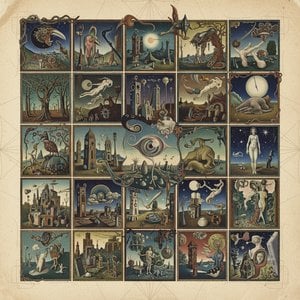
Max Ernsts Meisterwerke: Die Top 25 Kunstwerke für Ihr Zuhause | ArtsDot
Entdecken Sie die 25 bedeutendsten Kunstwerke von Max Ernst! Tauchen Sie ein in die Welt des Surrealismus, Dada und abstrakter Malerei. Hochwertige Kunstreproduktionen & Inspiration für Ihr Zuhause bei ArtsDot.com.

Sculpting Space: How Drapery Art Introduces Luxurious Texture and Visual Depth to Modern Interiors
Elevate your design projects with the transformative power of texture. Learn how drapery-inspired art adds unparalleled depth and movement to any room. Discover expert tips on using sculptural wall art to create luxurious, soulful, and tactile interiors that inspire.
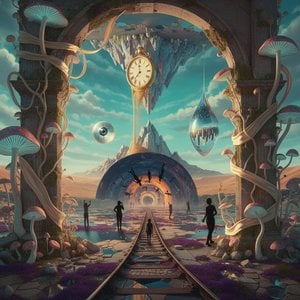
Dreamscapes & Disrupted Realities: Exploring Surrealism's Enduring Influence
Explore the fascinating world of Surrealism! Discover its origins, key artists like Dalí & Magritte, and enduring influence on art & culture. Expert insights & high-quality reproductions at ArtsDot.


