


 In echtem Maßstab anzeigen
 Versenden als Grußkarte
 Teilen
 Details anzeigen
 Leitfaden öffnen

 Herunterladen
 Ähnliche Objekte
 Röntgenaufnahme
 Diashow
 Besucherstatistiken
Untitled
 Acrylic
- WallArt
- Abstract Expressionism
 1945
1945 109.0 x 79.0 cm
 Mehr anzeigen
Die auf dieser Seite dargestellten Kunstwerke sind urheberrechtlich geschützt, was bedeutet, dass wir keine identische Reproduktion rechtmäßig erstellen oder verkaufen dürfen. Dieser Schutz wird durch internationale Abkommen wie die Berner Übereinkunft und durch nationale Gesetze, einschließlich derer, die von den ... festgelegt wurden US-Urheberrecht – Titel 17.
Diese Methode entspricht vollumfänglich den Urheberrechtsbestimmungen, da sie keine Kopie oder Vervielfältigung des geschützten Kunstwerks darstellt. Stattdessen handelt es sich um eine kreative Neuinterpretation – ein neues Gemälde, das vom Original inspiriert, aber nicht identisch mit ihm ist.
Giclée / Kunstdruck
Giclée- oder Leinwanddruck in Museumsqualität mit schneller Produktion und flexiblen Veredelungsoptionen. ( Handgemalte Reproduktion kaufen Zum digitalen Bild wechseln)




P118B €10

P118H €10

P118W €10

P438Z €10

P508JH €12

P508YH €12

P805H €10

P805Z €10

P919BZ €10

P919G €10

P919XJ €10

P959ZH €10

P968JZ €12

W106C €8

W218G €10

W218JH €8

W218Y €10

W307PJ €10

W316G €10

W316PJ €8

W316Y €10

W398PJ €8

W4111J €10

W500HY €15

W500JH €15

W692G €12

W849H €8

W940BG €15

W953PJ €8




Wählen Sie aus unseren vordefinierten Formaten, die den ursprünglichen Proportionen des Kunstwerks entsprechen.

Geben Sie die Breite und die Höhe an, die Sie benötigen, damit der Druck perfekt in Ihren Rahmen oder an Ihre Wand passt. Ein Druck kann nur beschnitten werden und niemals größer als das Originalbild gemacht werden; daher verliert ein Format mit einer anderen Proportion einen Teil des Bildes. Wir senden Ihnen ein digitales Mockup zur Freigabe, bevor wir den Druck ausführen. Das auf dieser Seite gezeigte Bild zeigt nicht den tatsächlichen Beschnitt – dies ist nur im Mockup ersichtlich.
Weltweiter Versand () innerhalb von 2 Wochen statt der üblichen 4/5 Wochen. (21 Oktober)

Kostenloser weltweiter Expressversand

Hochwertige Leinenleinwand

Vollständiger Versicherungsschutz beim Versand

Zollgebühren-Rückerstattungsgarantie

Garantie für exakte Farbtreue

100-tägiges Rückgaberecht (nur bei Mängeln)

100% Geld-zurück-Garantie

Angebot für Mengenrabatt
 Die Glasoption ist nur für Größen unter 110 cm verfügbar.

Untitled
Giclée / Kunstdruck
Format der Reproduktion
-


Gesamtpreis
€ 54
A Meditation on Stillness: Exploring Mark Rothko’s Untitled Canvas
The painting, simply titled “Untitled,” embodies the core tenets of Abstract Expressionism and stands as a testament to Mark Rothko's unwavering pursuit of profound emotional resonance. Executed in 1945, this canvas—measuring 109 x 79 cm—immediately captivates with its deceptively serene expanse of deep blue pigment. Yet beneath the surface tranquility lies an intricate tapestry of artistic considerations that speaks volumes about Rothko’s intellectual and spiritual convictions.- Subject Matter: While seemingly devoid of recognizable figures, the painting isn't entirely devoid of narrative. Two individuals occupy the space—one seated at a table, delicately holding a fork, while the other stands behind him, observing. These figures serve as anchors for our gaze, grounding us in a domestic tableau that subtly contrasts with the overwhelming expanse of color.
- Style: Rothko’s approach transcends mere representation; he abandons illusionistic technique altogether, opting instead for what he termed “color field painting.” This method prioritizes pure pigment—in this case, shades of blue—applied in horizontal rectangles that bleed into one another, creating an immersive experience for the viewer.
- Technique: Rothko achieved his signature effect through a meticulous layering process. He applied thin washes of color onto successive canvases, building up layers to achieve maximum luminosity and depth. This technique ensured that each rectangle radiated its own internal glow, fostering a sense of meditative contemplation.
Historical Context: The Crucible of Postwar Anxiety
The painting’s creation coincided with the aftermath of World War II—a period marked by immense upheaval and disillusionment across Europe. Rothko was deeply affected by the horrors he witnessed during his travels in Europe following the war, experiences that fueled his preoccupation with themes of trauma and loss. Color field painting emerged as a reaction against the dominant artistic conventions of the time – Surrealism and Cubism – offering an alternative path toward conveying emotion and confronting existential anxieties. It represented a deliberate rejection of intellectual abstraction in favor of visceral experience.Symbolism: Beyond Hue—A Language of Feeling
The pervasive blue hue is not merely decorative; it functions as a powerful symbol representing melancholy, introspection, and spiritual contemplation. Rothko himself described his paintings as “windows onto eternity,” suggesting that they aspire to transcend the limitations of earthly concerns and invite viewers into a realm of profound emotional truth. The placement of the figures—seated and standing—further reinforces this symbolic dimension. They embody duality – stillness versus movement – highlighting the inherent tension between inner reflection and engagement with the external world.Emotional Impact: An Invitation to Silence
Ultimately, “Untitled” compels us to confront our own emotional responses. Rothko’s masterful manipulation of color creates an atmosphere of quiet contemplation, encouraging viewers to surrender to the painting's immersive quality. It is a piece designed not for immediate gratification but rather for sustained engagement—a reminder that art can communicate truths beyond words and offer solace in moments of uncertainty. The reproduction offered by ArtsDot.com allows collectors and interior designers alike to experience this evocative artwork firsthand, capturing its essence with exceptional fidelity.Fragen & Antworten
An welcher Stelle innerhalb des Gesamtwerks von Mark Rothko lässt sich "Untitled" einordnen?
"Untitled" teilt mit anderen Werken von Mark Rothko den Abstract Expressionism-Stil sowie die wiederkehrenden Themen: color theory impact, human condition reflection, jewish heritage roots, minimalist exploration, rothko’s signature style.
Ist "Untitled" als Kunstdruck erhältlich?
"Untitled" ist als ein Fine Art Print auf Baumwollkanvas oder Archiv-Leinwandpapier erhältlich. Bestellungen können in der gewünschten Größe auf der Kunstdruck-Seite aufgegeben werden.
Ist "Untitled" von Mark Rothko ein helles oder ein dunkles Kunstwerk?
In Bezug auf die wahrgenommene Helligkeit ist "Untitled" von Mark Rothko brilliant.


Biografie des Künstlers
frühes Leben und Einflüsse
Mark Rothko (Marcus Rothkowitz), ein renommierter amerikanischer Künstler, wurde am 25. September 1903 in Dwinisk, Lettland, geboren. Seine Familie immigrierte als Kind, gerade zehn Jahre alt, in die Vereinigten Staaten. Diese kulturelle Veränderung beeinflusste später seinen künstlerischen Stil.künstlerische Entwicklung
Rothkos frühe Werke waren durch den **abstrakten Expressionismus** geprägt, einen Stil, der die Prozesshaftigkeit der Kunstschaffung betonte und nicht das Endprodukt. Seine Gemälde, wie No. 18 (1948) und Untitled (1948), zeigten seinen einzigartigen Ansatz für Farbe und Form.- **Farbfeld:** Rothkos Verwendung von kräftigen, rechteckigen Farbflächen, oft in scharfem Kontrast zueinander, erzeugte ein Gefühl von Tiefe und Emotion.
- **Organische Struktur:** Seine Gemälde wirkten lebendig, als wären die Farben lebendige Wesen.
Bemerkenswerte Werke und Ausstellungen
- No. 10 (1950), ein Gemälde, das einen bedeutenden Wandel in Rothkos Stil markierte, befindet sich heute im Besitz der Museum of Modern Arts.
- Die Seagram-Muralen, eine Reihe von Gemälden, die für das Restaurant Four Seasons angefertigt wurden, zeigten Rothkos Fähigkeit, seinen Stil an verschiedene Umgebungen anzupassen.
- No. 3 (1950), ein Gemälde, das Rothkos Verwendung von kräftigen, rechteckigen Farbflächen veranschaulicht.
Spätes Leben und Vermächtnis
Rothkos Leben war von Kämpfen mit psychischen Problemen und einer turbulenten Ehe geprägt. Er starb am 25. Februar 1970 im Alter von 66 Jahren. Trotz seiner Herausforderungen hinterließ Rothko einen unauslöschlichen Eindruck in der Kunstwelt. Ochre and Red on Red (Farbfeld), ein Gemälde, das Rothkos einzigartigen Ansatz für Farbe zeigt, befindet sich in der Sammlung von ArtsDot.com. Mark Rothkos Wikipedia-Seite bietet weitere Einblicke in sein Leben und seinen künstlerischen Stil.
Mark Rothko
1903 - 1970 , Lettland
Eckdaten zum Künstler
- Beeinflusste Künstler: ['Minimalistische Kunst']
- Bemerkenswerte Werke:
- Nr. 18 (1948)
- Nr. 10 (1950)
- Seagram-Wandbilder
- Nr. 3 (1950)
- Einflüsse:
- Surrealismus
- Marxistische Philosophie
- Geburtsdatum: 25. September 1903
- Geburtsort: Daugavpils, Lettland
- Künstlerische Bewegung: Abstrakter Expressionismus
- Nationalität: Amerikanisch
- Todatum: 25. Februar 1970
- Vollständiger Name: Mark Rothko / Marcus Rothkowitz
Verwandte Artikel

Abstrakter Expressionismus: Die 10 Meisterwerke, die eine Kunstbewegung prägten |
Entdecken Sie die 10 Meisterwerke des Abstrakten Expressionismus! Von Jackson Pollock bis Mark Rothko – erfahren Sie die Geschichten hinter ikonischen Gemälde und finden Sie hochwertige Reproduktionen für Ihr Zuhause. Jetzt bei entdecken!

Serene Blue Backgrounds: Discover Soulful Art to Transform Your Space with Timeless Elegance
Transform your home with soulful blue art. From serene Monet impressions to modern textured sculptures, discover curated masterpieces designed to inspire calm. Explore expert art consultations and bespoke hand-painted reproductions to create your personal sanctuary.

Die Top 10 Gemälde in Schattierungen von 'Slate Blue': Kunst für Ihr Zuhause
Entdecken Sie die Top 10 Gemälde in faszinierenden 'Slate Blue' Tönen! Von Monet bis Manet – erleben Sie Kunstgeschichte und lassen Sie sich von Meisterwerken inspirieren. Hochwertige Kunstdrucke auf

Kandinsky: Die 25 Meisterwerke des Abstrakten – Kunst für Ihr Zuhause | ArtsDot
Entdecken Sie die 25 bedeutendsten Gemälde von Wassily Kandinsky! Tauchen Sie ein in die Welt der abstrakten Kunst, des Expressionismus und der Farbkomposition. Hochwertige Kunstdrucke & Inspiration für Ihr Zuhause auf ArtsDot.com.
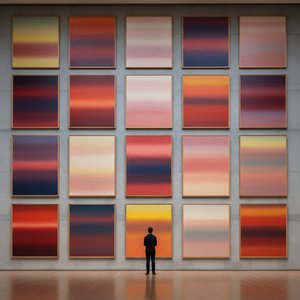
Mark Rothkos Meisterwerke: Die Top 25 für Kunstliebhaber | ArtsDot
Entdecken Sie die 25 Meisterwerke von Mark Rothko! Tauchen Sie ein in die Welt der abstrakten Kunst, des Expressionismus und der Farbfeldmalerei. Hochwertige Kunstdrucke & Reproduktionen auf ArtsDot.com – für Ihre Wohnräume.


