Vorschau anzeigen
 Versenden
 Teilen
 Details anzeigen

 Herunterladen
 Ähnliche Objekte
 Röntgenaufnahme
 Diashow
No.19

 Weiterlesen
Giclée / Kunstdruck
Giclée- oder Leinwanddruck in Museumsqualität mit schneller Produktion und flexiblen Veredelungsoptionen. ( Zur handgemalten Reproduktion wechseln Zum Bild wechseln)




P118B $10

P118H $10

P118W $10

P438Z $10

P508JH $12

P508YH $12

P805H $10

P805Z $10

P919BZ $10

P919G $10

P919XJ $10

P959ZH $10

P968JZ $12

W106C $8

W218G $10

W218JH $8

W218Y $10

W307PJ $10

W316G $10

W316PJ $8

W316Y $10

W398PJ $8

W4111J $10

W500HY $15

W500JH $15

W692G $12

W849H $8

W940BG $15

W953PJ $8




Wählen Sie aus unseren vordefinierten Formaten, die den ursprünglichen Proportionen des Kunstwerks entsprechen.

Sie können Ihre eigenen Maße eingeben, um ein bestimmtes Format oder einen speziellen Platz einzupassen. Wenn das von Ihnen gewählte Format nicht den Proportionen des Originalbildes entspricht, werden wir das Kunstwerk entweder beschneiden oder das Bild mit einem gespiegelten oder einfarbigen Rand erweitern. Ein digitaler Entwurf wird Ihnen zur Genehmigung zugesandt, bevor die Produktion beginnt.
Bitte beachten Sie, dass die Vorschau auf dem Bildschirm nicht den tatsächlichen Zuschnitt oder die Erweiterung widerspiegelt. Nur der Entwurf zeigt die endgültige Komposition präzise an.
Obwohl Sondermaße verfügbar sind, empfehlen wir die Auswahl eines Maßes aus der vordefinierten Liste, um die ursprünglichen Proportionen zu bewahren.
Weltweiter Versand () innerhalb von 2 Wochen statt der üblichen 4/5 Wochen. (9 August)

Kostenloser weltweiter Expressversand

Hochwertige Leinenleinwand

Umfassender Versicherungsschutz beim Versand

Zollgebühren-Rückerstattungsgarantie

Garantie für exakte Farbtreue

60 Tage Rückgaberecht (nur bei Mängeln)

100% Geld-zurück-Garantie

Mengenrabatt verfügbar
 Die Glasoption ist nur für Größen unter 110 cm verfügbar.

No.19
Giclée / Kunstdruck
Format der Reproduktion
-


Gesamtpreis
$ 62
Sammlerstück-Beschreibung
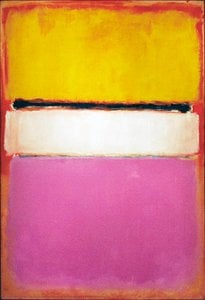
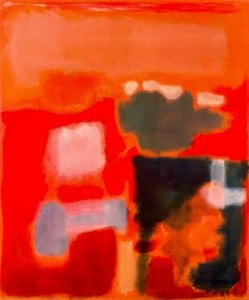
A Symphony of Color and Emotion: Exploring Mark Rothko’s No. 37/No. 19
Mark Rothko's "No. 37/No. 19," painted in 1958, stands as a cornerstone of Abstract Expressionism—a movement that irrevocably altered the landscape of American art and continues to captivate audiences worldwide. More than just pigment on canvas, this monumental work embodies a profound exploration of human experience, inviting viewers into a meditative contemplation of color and form. Its enduring appeal lies in its ability to bypass intellectual analysis and speak directly to the subconscious mind.The Genesis of Color: Style and Technique
Rothko’s distinctive approach—often described as “condensation”—rejects representational imagery altogether. Instead, he employs large rectangular blocks of color layered upon one another, creating an illusion of depth and luminosity that defies conventional perspective. The palette is deliberately restrained yet intensely expressive; in this particular instance, Rothko utilizes shades of slate blue and brown overlaid with plum hues. This careful layering technique—applying thin washes of pigment followed by thicker coats—allows for subtle gradations of tone and color, resulting in a velvety surface texture that enhances the visual impact. The artist meticulously controls every brushstroke, prioritizing tonal harmony over precise delineation.Roots of Reflection: Historical Context
The late 1950s witnessed an explosion of artistic experimentation following World War II, fueled by anxieties about nuclear annihilation and a burgeoning interest in psychoanalysis. Artists like Rothko sought to grapple with existential questions—the nature of consciousness, the fear of death, and the search for spiritual solace—through non-figurative art forms. Influenced by Zen Buddhism and Eastern philosophy, Rothko aimed to evoke feelings rather than convey narratives. He believed that color could communicate emotion in a way that words simply couldn’t, bypassing rational thought and tapping into primal instincts. The painting emerged during a period of significant cultural upheaval, mirroring the broader anxieties of the time while simultaneously offering a refuge from its pressures.Layers of Meaning: Symbolism and Interpretation
While Rothko famously resisted biographical interpretations of his work—declaring that he wanted “nothing to say”—scholars have identified recurring motifs within his paintings. The rectangular blocks of color are often seen as representing spiritual realms or inner landscapes, symbolizing the vastness of consciousness and the interconnectedness of existence. The subtle variations in hue and tone contribute to a sense of ambiguity and mystery, encouraging viewers to engage in personal reflection. Critics argue that Rothko’s canvases invite contemplation on themes of grief, loss, and transcendence—experiences deeply rooted in his own life history as a refugee from Latvia.An Emotional Resonance: Impact and Legacy
“No. 37/No. 19” continues to resonate powerfully with audiences today, demonstrating the enduring power of abstract art to provoke emotion and inspire contemplation. Its monumental scale commands attention, immersing viewers in a sea of color that washes over their senses. The painting’s simplicity—characterized by its minimal visual elements—forces us to confront our own perceptions and emotions without distraction. Rothko's influence extends far beyond Abstract Expressionism, shaping subsequent generations of artists who embraced similar techniques for conveying profound psychological states. It remains a testament to the transformative potential of art as a vehicle for exploring the complexities of human experience.Ähnliche Kunstwerke


Über den Künstler
frühes Leben und Einflüsse
Mark Rothko (Marcus Rothkowitz), ein renommierter amerikanischer Künstler, wurde am 25. September 1903 in Dwinisk, Lettland, geboren. Seine Familie immigrierte als Kind, gerade zehn Jahre alt, in die Vereinigten Staaten. Diese kulturelle Veränderung beeinflusste später seinen künstlerischen Stil.künstlerische Entwicklung
Rothkos frühe Werke waren durch den **abstrakten Expressionismus** geprägt, einen Stil, der die Prozesshaftigkeit der Kunstschaffung betonte und nicht das Endprodukt. Seine Gemälde, wie No. 18 (1948) und Untitled (1948), zeigten seinen einzigartigen Ansatz für Farbe und Form.- **Farbfeld:** Rothkos Verwendung von kräftigen, rechteckigen Farbflächen, oft in scharfem Kontrast zueinander, erzeugte ein Gefühl von Tiefe und Emotion.
- **Organische Struktur:** Seine Gemälde wirkten lebendig, als wären die Farben lebendige Wesen.
Bemerkenswerte Werke und Ausstellungen
- No. 10 (1950), ein Gemälde, das einen bedeutenden Wandel in Rothkos Stil markierte, befindet sich heute im Besitz der Museum of Modern Arts.
- Die Seagram-Muralen, eine Reihe von Gemälden, die für das Restaurant Four Seasons angefertigt wurden, zeigten Rothkos Fähigkeit, seinen Stil an verschiedene Umgebungen anzupassen.
- No. 3 (1950), ein Gemälde, das Rothkos Verwendung von kräftigen, rechteckigen Farbflächen veranschaulicht.
Spätes Leben und Vermächtnis
Rothkos Leben war von Kämpfen mit psychischen Problemen und einer turbulenten Ehe geprägt. Er starb am 25. Februar 1970 im Alter von 66 Jahren. Trotz seiner Herausforderungen hinterließ Rothko einen unauslöschlichen Eindruck in der Kunstwelt. Ochre and Red on Red (Farbfeld), ein Gemälde, das Rothkos einzigartigen Ansatz für Farbe zeigt, befindet sich in der Sammlung von ArtsDot.com. Mark Rothkos Wikipedia-Seite bietet weitere Einblicke in sein Leben und seinen künstlerischen Stil.
Mark Rothko
1903 - 1970 , Lettland
Kurzinfos
- Beeinflusste Künstler: ['Minimalistische Kunst']
- Bemerkenswerte Werke:
- Nr. 18 (1948)
- Nr. 10 (1950)
- Seagram-Wandbilder
- Nr. 3 (1950)
- Einflüsse:
- Surrealismus
- Marxistische Philosophie
- Geburtsdatum: 25. September 1903
- Geburtsort: Daugavpils, Lettland
- Künstlerische Bewegung: Abstrakter Expressionismus
- Nationalität: Amerikanisch
- Todatum: 25. Februar 1970
- Vollständiger Name: Mark Rothko / Marcus Rothkowitz
Ähnliche Artikel

Die Entwicklung der abstrakten Kunst: Ein Leitfaden für Sammler zu ihrer Wirkung und ihrem Investitionswert
Ein umfassender Leitfaden für Kunstsammler zur Entwicklung abstrakter Kunst. Entdecken Sie die wichtigsten Strömungen, Künstler und das Investitionspotenzial – mit Expertenwissen von .

Die Sublimität der Farbe: Mark Rothkos emotionale Landschaften des Abstrakten Expressionismus
Entdecken Sie die tiefgründige Welt von Mark Rothko und dem Abstrakten Expressionismus. Expertenanalyse der Farbfeldmalerei, ihre emotionale Tiefe & bleibenden Einfluss. Jetzt lesen!
Beatrice Parsons: A Study in Abstract Expressionism & the Poetics of Color Field Painting
Explore the captivating world of Beatrice Parsons, a pioneering British abstract expressionist. Discover her journey from garden watercolors to evocative color field paintings and learn about her place within art history.

Carl Newman: Exploring Abstraction's Spiritual Resonance Through Color Field Painting
Explore the profound spiritual resonance of Color Field Painting with insights into Rothko, Newman & Still. Discover the techniques & legacy of this influential abstract art movement.

Paul Jenkins: Abstraktion, Farbe und die Suche nach lyrischem Ausdruck
Entdecken Sie das Werk von Paul Jenkins – einem Meister der abstrakten Malerei und Farbfeldmalerei. Erfahren Sie mehr über seinen Stil, seine Technik und den Einfluss auf die moderne Kunst. Für Kenner und Sammler.