


 Vorschau anzeigen
 Versenden
 Teilen
 Details anzeigen

 Herunterladen
 Ähnliche Objekte
 Röntgenaufnahme
 Diashow
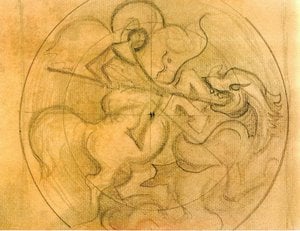
Navigation (study for panel, Old Senate Office Building)
 1916
1916 48.0 x 19.0 cm
 Weiterlesen
Giclée / Kunstdruck
Giclée- oder Leinwanddruck in Museumsqualität mit schneller Produktion und flexiblen Veredelungsoptionen. ( Handgemalte Reproduktion bestellen Bild kaufen)




































Wählen Sie aus unseren vordefinierten Formaten, die den ursprünglichen Proportionen des Kunstwerks entsprechen.

Sie können Ihre eigenen Maße eingeben, um ein bestimmtes Format oder einen speziellen Platz einzupassen. Wenn das von Ihnen gewählte Format nicht den Proportionen des Originalbildes entspricht, werden wir das Kunstwerk entweder beschneiden oder das Bild mit einem gespiegelten oder einfarbigen Rand erweitern. Ein digitaler Entwurf wird Ihnen zur Genehmigung zugesandt, bevor die Produktion beginnt.
Bitte beachten Sie, dass die Vorschau auf dem Bildschirm nicht den tatsächlichen Zuschnitt oder die Erweiterung widerspiegelt. Nur der Entwurf zeigt die endgültige Komposition präzise an.
Obwohl Sondermaße verfügbar sind, empfehlen wir die Auswahl eines Maßes aus der vordefinierten Liste, um die ursprünglichen Proportionen zu bewahren.
Weltweiter Versand () innerhalb von 2 Wochen statt der üblichen 4/5 Wochen. (29 August)

Kostenloser weltweiter Expressversand

Hochwertige Leinenleinwand

Umfassender Versicherungsschutz beim Versand

Zollgebühren-Rückerstattungsgarantie

Garantie für exakte Farbtreue

60 Tage Rückgaberecht (nur bei Mängeln)

100% Geld-zurück-Garantie

Mengenrabatt verfügbar
 Die Glasoption ist nur für Größen unter 110 cm verfügbar.

Navigation (study for panel, Old Senate Office Building)
Giclée / Kunstdruck
Format der Reproduktion
-


Gesamtpreis
$ 62
Ähnliche Kunstwerke


Über den Künstler
A Life Immersed in Dramatic Visions: Louis Schättle (1867-1917)
Louis Schättle, a name perhaps less celebrated than some of his contemporaries, nevertheless occupies a fascinating niche within the landscape of late 19th and early 20th century art. Born in 1867, Schättle’s life was tragically cut short in 1917, leaving behind a body of work that hints at considerable promise and a deeply personal artistic vision. While biographical details remain somewhat scarce, the paintings themselves speak volumes – revealing an artist captivated by theatricality, historical narrative, and a masterful command of light and shadow. His connection to St. Louis, Missouri is particularly strong, with numerous works finding a home in the city’s art museum, establishing him as a significant figure within the regional artistic community. Schättle wasn't merely replicating scenes; he was *interpreting* them, imbuing them with an emotional intensity that resonates even today.The Allure of History and Myth
Schättle’s oeuvre is dominated by grand historical subjects and evocative mythological scenes. He frequently drew inspiration from the Baroque masters – artists like Rubens and Rembrandt – evident in his dynamic compositions, rich color palettes, and dramatic use of chiaroscuro. However, he wasn't simply a copyist. Schättle possessed an ability to distill the essence of these narratives, focusing on moments of high tension and emotional climax. Paintings such as “Pan and Procession” and works depicting Bacchanalian revelry showcase this talent beautifully. These aren’t static depictions of ancient rituals; they are vibrant, almost operatic scenes teeming with life, movement, and a palpable sense of energy. The artist's fascination with these themes suggests an interest in exploring the darker aspects of human nature – passion, excess, and the intoxicating power of ritual. He wasn’t afraid to portray the raw, untamed side of history and myth, offering viewers a glimpse into worlds both alluring and unsettling.Technique and Artistic Development
Schättle's technical skill is undeniable. His brushwork is confident and expressive, capable of rendering both delicate details and sweeping gestures with equal finesse. He employed a layered painting technique, building up surfaces with glazes to create depth and luminosity. The influence of French academic training is apparent in his meticulous attention to anatomy and composition. However, he also demonstrated a willingness to experiment with color and texture, moving beyond strict realism to achieve a more atmospheric and emotionally charged effect. Early works often exhibit a tighter, more controlled style, while later paintings reveal a looser, more impressionistic approach. This evolution suggests a continuous pursuit of artistic refinement and a growing desire to capture the fleeting qualities of light and atmosphere. His studies, particularly those focusing on figures, are remarkable for their sensitivity and psychological depth – revealing an artist deeply invested in understanding the human form and its capacity for expression.Legacy and Historical Significance
Although Schättle’s career was relatively brief, his work has left a lasting impression on the St. Louis art scene and beyond. His paintings offer a compelling glimpse into the artistic sensibilities of the late 19th century – a period marked by both academic tradition and emerging modernism.- His dramatic compositions and masterful use of light and shadow continue to captivate viewers.
- Schättle’s focus on historical narrative and mythological themes provides valuable insights into the cultural preoccupations of his time.
- The prominence of his work at the St. Louis Art Museum ensures that his artistic legacy will endure for generations to come.

louis schaettle
1867 - 1917
Kurzinfos
- Artistic Movement Or Style: Neoclassical
- Artists Or Movements Influenced By This Artist: ['Neoclassical Ideals']
- Artists Who Influenced This Artist: ['Jacques-Louis David']
- Date Of Birth: Chicago, IL 1867
- Date Of Death: New York City 1917
- Full Name: Louis Schaettle
- Nationality: American
- Notable Artworks:
- Bacchanale Revel
- Order
- Fishery
- Place Of Birth: Chicago, Illinois

