

 Vorschau anzeigen
 Versenden
 Teilen
 Details anzeigen
 Leitfaden

 Herunterladen
 Ähnliche Objekte
 Röntgenaufnahme
 Diashow
 Q&A
Q&A Statistiken
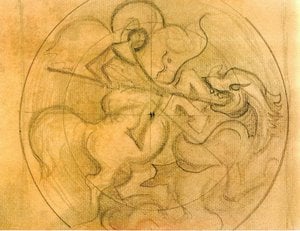
Untitled

- 98.0 x 130.0 cm
 Weiterlesen
Die auf dieser Seite dargestellten Kunstwerke sind urheberrechtlich geschützt, was bedeutet, dass wir keine identische Reproduktion rechtmäßig erstellen oder verkaufen dürfen. Dieser Schutz wird durch internationale Abkommen wie die Berner Übereinkunft und durch nationale Gesetze, einschließlich derer, die von den US-Urheberrecht – Titel 17.
Diese Methode entspricht vollumfänglich den Urheberrechtsbestimmungen, da sie keine Kopie oder Vervielfältigung des geschützten Kunstwerks darstellt. Stattdessen handelt es sich um eine kreative Neuinterpretation – ein neues Gemälde, das vom Original inspiriert, aber nicht identisch mit ihm ist.
Giclée / Kunstdruck
Giclée- oder Leinwanddruck in Museumsqualität mit schneller Produktion und flexiblen Veredelungsoptionen. ( Handgemalte Reproduktion bestellen Zum digitalen Bild wechseln)




































Wählen Sie aus unseren vordefinierten Formaten, die den ursprünglichen Proportionen des Kunstwerks entsprechen.

Geben Sie die benötigte Breite und Höhe an, damit der Druck perfekt in Ihren Rahmen oder an Ihre Wand passt. Ein Druck kann nur beschnitten, aber niemals größer als das Originalbild angefertigt werden; daher verliert ein Format mit anderen Proportionen einen Teil des Bildes. Wir senden Ihnen ein digitales Mockup zur Freigabe, bevor wir den Druck ausführen. Das auf dieser Seite gezeigte Bild zeigt nicht den tatsächlichen Beschnitt – dies ist nur im Mockup ersichtlich.
Weltweiter Versand () innerhalb von 2 Wochen statt der üblichen 4/5 Wochen. (2 November)

Kostenloser weltweiter Expressversand

Hochwertige Leinenleinwand

Umfassender Versicherungsschutz beim Versand

Zollgebühren-Rückerstattungsgarantie

Garantie für exakte Farbtreue

100 Tage Rückgaberecht (nur bei Mängeln)

100% Geld-zurück-Garantie

Mengenrabatt verfügbar
 Die Glasoption ist nur für Größen unter 110 cm verfügbar.

Untitled
Giclée / Kunstdruck
Format der Reproduktion
-


Endpreis
€ 55
Ähnliche Kunstwerke


Künstlerbiografie
Der viszerale Tanz der Materie: Das Leben und das Erbe von Kazuo Shiraga
In der turbulenten Landschaft des Nachkriegsjapans entstand aus den Trümmern der Tradition eine neue Ausdruckssprache, angetrieben von dem rohen, ungezügelten Bedürfnis, der Realität ins Auge zu blicken. Im Zentrum dieser Revolution stand Kazuo Shiraga, ein Künstler, dessen gesamte Methode des Erschaffens zu einer Performance aus körperlichem Kampf und spiritueller Befreiung wurde. Geboren 1924 in Amagasaki, waren Shiragas frühe Jahre von einer Dualität der Einflüsse geprägt, die später seine radikale Ästhetik definieren sollten. Er wurde in der akribischen, disziplinierten Welt des Nihonga ausgebildet – jener traditionellen japanischen Malweise, die durch feine Pinselführung und subtile Tonabstufungen besticht – und doch war er gleichzeitig von den urwüchsigen, choreografierten Bewegungen des Noh-Theaters heimgesucht und inspiriungiert. Dieses frühe Eintauchen in die ritualisierten Gesten der Performance sollte schließlich seinen Weg auf die Leinwand finden, nicht durch subtile Striche, sondern durch die gewaltigen, ausladenden Bewegungen seines gesamten Körpers.
Die wahre Metamorphose von Shiragas Karriere vollzog sich mit seiner Beteiligung an der Gutai Art Association, einem Kollektiv, das er 1955 mitbegründete. Gemeinsam mit Visionären wie Jirō Yoshihara strebte Shiraga danach, über die bloße Darstellung von Objekten hinauszugehen; sein Ziel war es vielmehr, die „Materie zu umarmen“ und sie für sich selbst sprechen zu lassen. Diese Periode markierte die Geburtsstunde seiner ikonischsten und viszeralsten Technik: der Fußmalerei. Indem er den traditionellen Pinsel ablehnte, ließ sich Shiraga an einem Seil über einer auf dem Boden ausgebreiteten Leinwand aufhängen und nutzte seine Füße, um dicke, schwere Schichten von Ölfarbe zu manipulieren. Dies war nicht bloß eine stilistische Entscheidung, sondern ein existenzieller Akt; indem er seinen ganzen Körper einsetzte, überbrückte er die Kluft zwischen der physischen Präsenz des Künstlers und dem Medium selbst und verwandelte den Akt des Malens in einen Tanz aus reiner Energie und Instinkt.
Eine Sinfonie aus Chaos und Geist
Ein Gemälde von Shiraga zu bezeugen bedeutet, einem Schlachtfeld aus Farbe und Textur zu begegnen. Seine Werke aus der Blütezeit der Gutai-Jahre zeichnen sich durch einen intensiven, gestischen Impasto aus, der die Dynamik seiner Bewegungen einfängt. Das wirbelnde Blau, das feurige Rot und das tiefe Schwarz ruhen nicht passiv auf der Leinwand; sie kollidieren, tropfen und überlagern sich auf eine Weise, die ein Gefühl kosmischen Ringens hervorruft. Diese Technik war tief mit seiner persönlichen Entwicklung verwoben, insbesondere mit seinem späteren Übertritt zum Buddhismus. Mit zunehmender Reife begann die chaotische Energie seiner frühen Performance-Stücke, eine tiefere spirituelle Reise widerzuspiegeln – eine Suche nach Transformation und Erneuerung inmitten des ständigen Wandels der Existenz. Werke wie Fire of Dattan dienen als tiefgreifende Zeugnisse dessen, in denen lebendige Kompositionen die Idee einer Seele heraufbeschwören, die eine Metamorphose durch Feuer und Licht durchläuft.
Jenseits der reinen Physis seiner Arbeit liegt die Bedeutung Shiragas darin, wie er die Grenzen dessen neu definierte, was Kunst sein kann. Er war ein Pionier, der sich weigerte, vom Rahmen eingeschränkt zu werden, und dabei folgende Bereiche erforschte:
- Performance-Kunst: Die Nutzung des Körpers als Werkzeug, um unauslöschliche Spuren in der Welt zu hinterlassen.
- Dreidimensionalität: Das Überschreiten der flachen Oberfläche hin zur Auseinandersetzung mit Installationen und Objektkunst.
- Materialität: Die Behandlung von Farbe nicht nur als Farbe, sondern als schwere, skulpturale Substanz, die ihr eigenes Gewicht und ihre eigene Wirkmacht besitzt.
Durch seine radikale Experimentierfreudigkeit erfand Kazuo Shiraga weit mehr als nur eine neue Art zu malen; er stellte die Definition der Rolle des Künstlers in der Gesellschaft infrage. Er verlagerte den Fokus vom fertigen Produkt auf den Prozess der Schöpfung und stellte sicher, dass die Spuren menschlichen Kampfes und der Bewegung für immer im Pigment eingraviert blieben. Sein Vermächtnis bleibt ein Eckpfeiler der modernen Kunstgeschichte und erinnert uns daran, dass wahre Kreativität oft verlangt, dass wir unsere Werkzeuge brechen, unseren Komfort aufgeben und uns der Welt mit unserem ganzen, ungehemmten Selbst stellen.

Kazuo Shiraga
1924 - 2008 , Japan
Kurzinfos
- Artistic Movement Or Style: Gutai Art Association
- Artists Or Movements Influenced By This Artist: ['Yves Klein']
- Artists Who Influenced This Artist: ['Kazuo Shiraga']
- Date Of Birth: 1924
- Date Of Death: 2008
- Full Name: Fujiko Shiraga
- Nationality: Japanisch
- Notable Artworks: ['White Plank']
- Place Of Birth: Osaka, Japan