


 In echtem Maßstab anzeigen
 Versenden als Grußkarte
 Teilen
 Details anzeigen
 Leitfaden

 Herunterladen
 Ähnliche Objekte
 Röntgenaufnahme
 Diashow
 Besucherstatistiken
The Bouquet
 Oil On Canvas
- WallArt
- Pre-Raphaelite
 1908
1908- 19th Century
 42.0 x 59.0 cm
 Mehr anzeigen
Handgefertigte Ölreproduktion
Handgemaltes Ölgemälde auf Leinwand in Ihrer Wunschgröße und mit Rahmen, auf Bestellung von unseren Künstlern angefertigt. ( Zum Druck wechseln Zum digitalen Bild wechseln)




P118B $10

P118H $10

P118W $10

P438Z $10

P508JH $12

P508YH $12

P805H $10

P805Z $10

P919BZ $10

P919G $10

P919XJ $10

P959ZH $10

P968JZ $12

W106C $8

W218G $10

W218JH $8

W218Y $10

W307PJ $10

W316G $10

W316PJ $8

W316Y $10

W398PJ $8

W4111J $10

W500HY $15

W500JH $15

W692G $12

W849H $8

W940BG $15

W953PJ $8




Wählen Sie aus unseren vordefinierten Formaten, die den ursprünglichen Proportionen des Kunstwerks entsprechen.

Sie können Ihre eigenen Maße eingeben, um einen bestimmten Rahmen oder Platz auszufüllen. Wenn die gewählte Größe nicht den Proportionen des Originalbildes entspricht, werden wir das Kunstwerk entweder beschneiden oder das Gemälde durch zusätzliche, handgemalte Elemente erweitern. Ein digitales Mockup wird Ihnen zur Genehmigung zugesandt, bevor die Produktion beginnt.
Bitte beachten Sie, dass die Bildschirmvorschau nicht die tatsächliche Beschneidung oder Erweiterung widerspiegelt. Nur das Mockup zeigt die endgültige Komposition exakt an.
Obwohl Sondermaße verfügbar sind, empfehlen wir, eine Größe aus der vordefinierten Liste zu wählen, um die ursprünglichen Proportionen beizubehalten.
Nach der Bestellung wird das ArtsDot.com-Team dem Kunden Anweisungen per E-Mail zusenden und eine Mockup-Vorschau bereitstellen.
Weltweiter Versand () in nur 3 bis 4 Wochen statt der üblichen 5 Wochen. (24 September). Keine Kompromisse bei der Qualität.

Kostenloser weltweiter Expressversand

Hochwertige Leinenleinwand

Vollständiger Versicherungsschutz beim Versand

Zollgebühren-Rückerstattungsgarantie

Garantie für exakte Farbtreue

100-tägiges Rückgaberecht (nur bei Mängeln)

100% Geld-zurück-Garantie

Angebot für Mengenrabatt
 Die Glasoption ist nur für Größen unter 110 cm verfügbar.

The Bouquet
Reproduktionsmedium
Format der Reproduktion
-


Gesamtpreis
$ 263
A Moment of Serene Contemplation: John William Waterhouse’s ‘The Bouquet’
John William Waterhouse's “The Bouquet,” painted in 1908, is more than just a depiction of a woman holding flowers; it’s an immersion into the heart of Pre-Raphaelite romanticism. This exquisite oil on canvas, measuring 42 x 59 cm, captures a timeless scene of quiet beauty and introspective emotion, hallmarks of Waterhouse's distinctive style. The painting immediately draws the eye to its central figure – a woman with long, flowing brown hair, draped in a luxurious blue gown that seems to ripple with movement. Her gaze, directed slightly off-camera, invites the viewer into her private world, fostering a sense of gentle curiosity and perhaps even melancholy.
- Romanticism Embodied: Waterhouse’s work is deeply rooted in the Romantic tradition, prioritizing emotional intensity and evocative imagery over strict realism. “The Bouquet” exemplifies this with its emphasis on atmosphere, mood, and the subjective experience of beauty.
- Pre-Raphaelite Detail: The meticulous attention to detail characteristic of the Pre-Raphaelites is evident in every aspect of the painting – from the delicate folds of the woman’s gown to the intricate textures of the roses and foliage that surround her.
- Color & Light: Waterhouse masterfully employs color and light to create a sense of depth and intimacy. The rich reds, greens, and browns dominate the palette, contributing to the painting's moody and romantic atmosphere.
The Artist’s Vision: John William Waterhouse and His Style
John William Waterhouse was a pivotal figure in the English art scene of the late 19th and early 20th centuries. Born in Rome in 1849, his upbringing amidst classical antiquity profoundly influenced his artistic vision. He became renowned for his evocative portrayals of women, often imbued with a sense of melancholy and longing – qualities that resonate powerfully within “The Bouquet.” Waterhouse’s style is frequently described as dreamy and introspective, reflecting a desire to capture not just the outward appearance of his subjects but also their inner lives and emotions. His meticulous technique, combined with his deep understanding of symbolism, cemented his place as one of the most important Pre-Raphaelite painters.
The painting’s composition – centered on the woman's face and upper body, with a blurred background – further enhances this sense of intimacy and invites contemplation. The use of light and shadow is particularly skillful, creating a three-dimensional effect that draws the viewer into the scene and emphasizes the subject’s serene expression.
Symbolism and Technique: Layers of Meaning
“The Bouquet” is rich in symbolic meaning, reflecting the Pre-Raphaelite fascination with allegory and mythology. The roses themselves – a recurring motif in Waterhouse's work – traditionally represent love, remembrance, or beauty. Their presence within the painting adds another layer of complexity to its interpretation. Technically, the artwork showcases Waterhouse’s mastery of oil on canvas, utilizing visible brushstrokes and layering to build up color and texture. The thick impasto application of paint, particularly in the foliage, creates a tactile quality that invites close examination.
- Oil on Canvas: This medium allowed Waterhouse to achieve rich, vibrant colors and create subtle gradations of tone, contributing significantly to the painting’s luminous effect.
- Texture & Impasto: The textured surface, achieved through thick paint application, adds a sense of realism and depth, further enhancing the viewer's engagement with the artwork.
A Timeless Masterpiece – Own a Piece of Art History
“The Bouquet” stands as a testament to John William Waterhouse’s artistic skill and enduring legacy. Its beauty and significance continue to captivate art lovers around the world, making it a prized possession for collectors and interior designers alike. ArtsDot.com offers meticulously crafted oil painting reproductions of this iconic artwork, allowing you to bring its serene beauty into your own space. Each reproduction is created with the same attention to detail and artistic sensibility as the original, ensuring an authentic representation of Waterhouse’s masterpiece.
Ähnliche Kunstwerke


Biografie des Künstlers
Frühes Leben und Einflüsse
John William Waterhouse, ein bedeutender englischer Maler, wurde 1849 in Rom zu englischen Eltern geboren. Sein frühes Leben in Italien beeinflusste sein späteres Werk maßgeblich, das oft Szenen aus dem antiken Rom oder der römischen Mythologie darstellte. Im Jahr 1854 kehrten die Waterhouses nach England zurück und ließen sich in South Kensington, London, in der Nähe des neu gegründeten Victoria and Albert Museums nieder.Aufstieg zur Prominenz
Waterhouses künstlerische Reise begann mit klassischen Themen, die an Alma-Tadema und Frederick Leighton erinnerten. Seine frühen Werke wurden in der Dudley Gallery und der Society of British Artists ausgestellt, wobei seine 1874 entstandene Darstellung von Schlaf und seinem Halbbruder Tod auf der Sommerausstellung der Royal Academy gezeigt wurde. Dies markierte den Beginn seiner erfolgreichen Karriere, wobei seine Gemälde bis 1916 häufig in den jährlichen Ausstellungen vertreten waren.Präraffaelitische Wiederbelebung und bemerkenswerte Werke
Waterhouses spätere Arbeit war durch die Annahme des präraffaelitischen Stils gekennzeichnet, wie man in seinen Darstellungen von Frauen aus der griechischen Mythologie und der Artus-Sage erkennen kann. Zu seinen bemerkenswertesten Werken gehören:- The Lady of Shalott, eine Studie von Elaine von Astolat, die er in drei verschiedenen Versionen (1888, 1894 und 1916) malte.
- Ophelia, wobei die bekannteste Version sie kurz vor ihrem Tod zeigt, wie sie Blumen in ihr Haar flechtet, während sie auf einem Baumstamm über einem See sitzt.
- After the Dance (1876), das in der Sommerausstellung dieses Jahres eine herausragende Position einnahm.
Leben und Vermächtnis
Waterhouse heiratete 1883 Esther Kenworthy, die Tochter eines Kunstlehrers. Er wurde 1895 zum ordentlichen Akademiker gewählt und unterrichtete an der St. John's Wood Art School. Waterhouse verstarb am 10. Februar 1917. Sehen Sie mehr von John William Waterhouses Werken auf ArtsDot: [https://ArtsDot.com/@/john william waterhouse](https://ArtsDot.com/@/john-william-waterhouse) | /de/art/show/art-d3c5zp-de/ (Top 5 berühmter Pop Art Gemälde aller Zeiten) [https://ArtsDot.com/@@/9geqys-john-william-waterhouse-thisbe](https://ArtsDot.com/@@/9geqys-john-william-waterhouse-thisbe) (Gemälde von John William Waterhouse: Thisbe) Erkunden Sie mehr auf Wikipedia: [https://en.wikipedia.org/wiki/john_william_waterhouse](https://en.wikipedia.org/wiki/john_william_waterhouse) [https://en.wikipedia.org/wiki/art_of_the_united_kingdom](https://en.wikipedia.org/wiki/art_of_the_united_kingdom) [https://en.wikipedia.org/wiki/victorian_painting](https://en.wikipedia.org/wiki/victorian_painting)
John William Waterhouse
1849 - 1917 , Italien
Eckdaten zum Künstler
- Beeinflusste Künstler:
- Alma-Tadema
- Frederic Leighton
- Bemerkenswerte Werke:
- The Lady of Shalott
- Ophelia
- After the Dance
- Ariadne
- Thisbe
- Geburtsdatum: 1849
- Geburtsort: Rom, Italien
- Künstlerische Bewegung: Präraffaeliten
- Nationalität: Englisch
- Sterbedatum: 1917
- Vollständiger Name: John William Waterhouse
Verwandte Artikel

Dante Gabriel Rossetti: Die 25 Meisterwerke des Präraffelitismus | ArtsDot
Entdecken Sie die 25 schönsten Gemälde von Dante Gabriel Rossetti! Tauchen Sie ein in die Welt der Präraffeliten, symbolistischer Kunst & viktorianischer Romantik. Hochwertige Reproduktionen für Ihr Zuhause – jetzt bei ArtsDot.com!
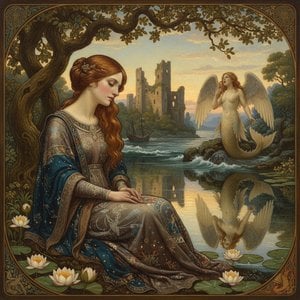
John William Waterhouse: Präraphäelitischer Mythos und poetische Darstellungen weiblicher Identität
Entdecken Sie die faszinierende Welt von John William Waterhouse und den Präraphäeliten! Analysen ikonischer Werke, historische Hintergründe & die poetische Darstellung weiblicher Identität. Jetzt lesen!

Sir John Everett Millais: Präraffaelitische Revolution und viktorianische Erzählkunst
Entdecken Sie das Leben und Werk von Sir John Everett Millais, einem Pionier der Präraffaeliten! Detaillierte Analysen seiner Gemälde, Einblicke in die viktorianische Kunstszene und seine bleibende Bedeutung. Jetzt lesen!

Arthur Hughes: Pre-Raphaelite Visions of Beauty & Melancholy
Explore the captivating world of Arthur Hughes (1832-1915), a leading Pre-Raphaelite painter. Discover his dreamy landscapes, poetic narratives & iconic Victorian artworks. Learn about his life, style & collecting today.

The Pre-Raphaelite Brotherhood: Rebellion, Romance & Medieval Revival
Explore the captivating world of the Pre-Raphaelite Brotherhood! Discover their rebellious spirit, iconic masterpieces & lasting influence on art history. Learn about Rossetti, Millais & more.


