Vorschau anzeigen
 Versenden
 Teilen
 Details anzeigen
 Leitfaden

 Herunterladen
 Ähnliche Objekte
 Röntgenaufnahme
 Diashow
 Fragen & Antworten
 Statistiken
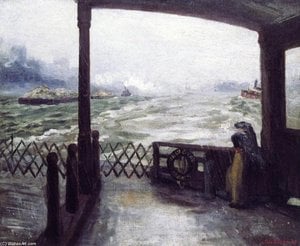
The Lafayette

- 77.0 x 91.0 cm


 Weiterlesen
Giclée / Kunstdruck
Giclée- oder Leinwanddruck in Museumsqualität mit schneller Produktion und flexiblen Veredelungsoptionen. ( Handgemalte Reproduktion bestellen Zum digitalen Bild wechseln)




P118B €10

P118H €10

P118W €10

P438Z €10

P508JH €12

P508YH €12

P805H €10

P805Z €10

P919BZ €10

P919G €10

P919XJ €10

P959ZH €10

P968JZ €12

W106C €8

W218G €10

W218JH €8

W218Y €10

W307PJ €10

W316G €10

W316PJ €8

W316Y €10

W398PJ €8

W4111J €10

W500HY €15

W500JH €15

W692G €12

W849H €8

W940BG €15

W953PJ €8




Wählen Sie aus unseren vordefinierten Formaten, die den ursprünglichen Proportionen des Kunstwerks entsprechen.

Geben Sie die benötigte Breite und Höhe an, damit der Druck perfekt in Ihren Rahmen oder an Ihre Wand passt. Ein Druck kann nur beschnitten, aber niemals größer als das Originalbild angefertigt werden; daher verliert ein Format mit anderen Proportionen einen Teil des Bildes. Wir senden Ihnen ein digitales Mockup zur Freigabe, bevor wir den Druck ausführen. Das auf dieser Seite gezeigte Bild zeigt nicht den tatsächlichen Beschnitt – dies ist nur im Mockup ersichtlich.
Weltweiter Versand () innerhalb von 2 Wochen statt der üblichen 4/5 Wochen. (13 November)

Kostenloser weltweiter Expressversand

Hochwertige Leinenleinwand

Umfassender Versicherungsschutz beim Versand

Zollgebühren-Rückerstattungsgarantie

Garantie für exakte Farbtreue

100 Tage Rückgaberecht (nur bei Mängeln)

100% Geld-zurück-Garantie

Mengenrabatt verfügbar
 Die Glasoption ist nur für Größen unter 110 cm verfügbar.

The Lafayette
Giclée / Kunstdruck
Format der Reproduktion
-


Endpreis
€ 56
Das Gemälde The Lafayette von John Sloan, das im Jahr 1927 entstand, ist eine quintessenzielle Darstellung des städtischen Lebens im frühen 20. Jahrhundert. Dieses Ölgemälde auf Leinwand hat ein Format von 77 x 91 cm und befindet sich heute in der Sammlung des The Metropolitan Museum of Art in New York City.
Um die Tiefe dieses Werkes zu verstehen, muss man den künstlerischen Kontext betrachten: John Sloan war eine herausragende Figur der Ashcan School, einer Gruppe amerikanischer Realisten, die sich der Darstellung des alltäglichen Lebens in urbanen Umgebungen verschrieben hatten. Der Begriff „Ashcan School“ wurde geprägt, da diese Künstler den Fokus darauf legten, die raue und ungeschönte Realität des Stadtlebens einzufangen – eine Perspektive, die von anderen Kunstbewegungen jener Zeit oft übersehen wurde.
Komposition und Details
Das Gemälde zeigt den Eingang des Hotel Lafayette, gelegen an der 9th Street und dem University Place im Greenwich Village. Eine Gruppe von Menschen steigt die vom Hotel mit doppelten Markisen überspannten Treppen hinab, vertieft in Gespräche über das Abendessen, während ein Portier ein markantes gelbes New Yorker Checker-Taxi herbeiruft. Die Szene spielt an einem regnerischen Abend, was der Atmosphäre eine besondere Geborgenheit verleiht. Sloans Leinwand porträtiert das Wesen des Nachbarschaftslebens, indem sie die Interaktionen und Routinen gewöhnlicher Menschen einfängt. Sein Einsatz von warmen Farben und sanftem Licht schafft eine einladende Ambiente, die den Betrachter direkt in das Herz der Stadt zieht.Historische Bedeutung
Die Geschichte von The Lafayette ist untrennbar mit der persönlichen Unterstützung der Kunstwelt verbunden. Im Jahr 1927 wurde das Werk von Juliana Force, der Privatsekretärin von Gertrude Vanderbilt Whitney, erworben, um Sloan finanziell zu unterstützen. Nur kurze Zeit später, im Januar 1928, wurde das Gemälde dem The Metropolitan Museum of Art gespendet. Damit wurde es nach Dust Storm, Fifth Avenue zum zweiten Werk von Sloan, das in die renommierte Sammlung des Museums aufgenommen wurde.
Künstlerischer Stil und Einfluss
John Sloans Stil zeichnet sich vor allem durch seine außergewöhnliche Fähigkeit aus, das wahre Wesen des urbanen Lebens einzufangen. Seine Gemälde widmen sich häufig alltäglichen Szenen und betonen dabei die verborgene Schönheit in den banalsten Verrichtungen des täglichen Lebens. Als prominentes Mitglied der Ashcan School war Sloan maßgeblich von den Visionen Robert Henris und Thomas Eakins' geprägt, die sich leidenschaftlich für eine realistische Darstellung des modernen Lebens einsetzten und die Kunst aus den akademischen Studios direkt auf die belebten Straßen der Stadt holten.Fazit
„The Lafayette“ ist eine fesselnde Darstellung des urbanen Lebens zu Beginn des 20. Jahrhunderts. John Sloans Fähigkeit, das Wesen nachbarschaftlicher Interaktionen und alltäglicher Routinen einzufangen, macht dieses Gemälde zu einem bedeutenden Werk der amerikanischen Kunstgeschichte. Für all jene, die daran interessiert sind, weitere Werke von John Sloan zu entdecken, sind das Westport House Museum und Giorgio Cavallon einen Besuch wert. Um mehr über John Sloan und die Ashcan School zu erfahren, lesen Sie am besten bei John Sloan - Wikipedia und John Sloan | The Lafayette | American - The Metropolitan Museum of Art nach.
Fragen & Antworten
Wie hoch ist der Kontrast von "The Lafayette" von John French Sloan?
Der Hell-Dunkel-Kontrast von „The Lafayette“ wird mit Kräftig angegeben. Der Kontrast beschreibt, wie stark sich helle und dunkle Bereiche voneinander unterscheiden.
Kann "The Lafayette" heruntergeladen werden?
"The Lafayette" von John French Sloan kann auf der Download-Seite des Kunstwerks als hochauflösender digitaler Bild-Download heruntergeladen werden.
Aus welchem Land stammt das Ashcan School-Werk „The Lafayette“?
Das Werk "The Lafayette" aus der Epoche des Ashcan School wurde von einem Künstler geschaffen, der in Vereinigte Staaten geboren wurde.
Ähnliche Kunstwerke


Künstlerbiografie
Early Life and Artistic Awakening
John French Sloan, born August 2, 1871, in Lock Haven, Pennsylvania, emerged from humble beginnings that profoundly shaped his artistic vision. His childhood was marked by a familial need for support; his father’s struggles with mental health necessitated young John taking on responsibilities beyond his years. This early exposure to the realities of working-class life—a world often overlooked by the established art circles—would become a defining characteristic of his oeuvre. He moved with his family to Philadelphia, where he honed his skills initially not through formal academic training, but as an assistant cashier at Porter and Coates, a bookstore brimming with prints and illustrations. This environment proved formative; it allowed him to study masters like Dürer and Rembrandt, fostering a deep appreciation for draftsmanship and etching techniques. It was here, amidst the commerce of printed images, that Sloan began creating his own art, quietly developing a style rooted in observation and meticulous detail. His early work wasn’t born from privilege or leisure, but from necessity and a keen eye for the world around him—a foundation upon which he would build a remarkable career.The Ashcan School and Urban Realism
Sloan's trajectory shifted dramatically with his encounter with Robert Henri, a charismatic painter who championed artistic independence and a commitment to portraying everyday life. This connection led Sloan to the heart of what became known as the Ashcan School—a group of artists dedicated to depicting the gritty realities of turn-of-the-century New York City. Alongside William Glackens, George Luks, Everett Shinn, and others, Sloan rejected the idealized landscapes and portraits favored by many of their contemporaries, instead turning their attention to the bustling streets, crowded tenements, and vibrant social life of the city’s poorer neighborhoods. His work became a visual chronicle of this often-ignored world—capturing scenes from McSorley’s Bar to women drying their hair on rooftops. Sloan wasn’t merely documenting; he was imbuing these scenes with a sense of empathy and dignity, elevating the lives of ordinary people onto the canvas. He possessed an uncanny ability to capture the *essence* of neighborhood life, the subtle gestures and fleeting moments that revealed the character of a place and its inhabitants. This commitment to realism wasn’t simply aesthetic; it was also informed by his socialist leanings, though he always maintained a distinction between his art and his political beliefs.Style and Influences
Sloan's artistic style is characterized by a distinctive blend of influences. While rooted in realism, his work wasn’t devoid of stylistic nuance. He employed dark, rich hues—often emphasizing the contrast between light and shadow—to create a sense of drama and atmosphere. His compositions were carefully constructed, often utilizing strong diagonals to draw the viewer's eye into the scene. The influence of etching is evident in his precise linework and attention to detail, even in his paintings. Beyond Henri, Sloan drew inspiration from European masters like Edgar Degas and Honoré Daumier, admiring their ability to capture movement and social commentary. However, he forged a uniquely American voice, one that resonated with the energy and dynamism of New York City. His work wasn’t about grand narratives or historical events; it was about the small moments, the everyday experiences that constituted the fabric of urban life. He found beauty in the mundane, transforming ordinary scenes into compelling works of art. Wake of the Ferry exemplifies his ability to imbue a seemingly simple scene with emotional depth and symbolic resonance.Major Achievements
Sloan’s career as a commercial newspaper artist began while he was still in his teens. As a young man, he was forced to leave the prestigious Central High School to help support his family. One of his early jobs was at A. Edward Newton, where he produced cards, gift books, and other novelties. Many of these items were produced as etchings, a medium he taught himself in the late 1880s. For Newton, Sloan depicted the homes of famous poets, designed pretty calendars, and etched booklets like *Thoughts* *from Tennyson*. His delicate, precise renderings reveal a flair for decoration, which helped him earn a position on the staff of the *Philadelphia Inquirer *in 1892. He continued at the *Inquirer*, until he received a better offer from the competing *Philadelphia Press*. At the newspapers, Sloan produced a wide range of illustrations including on-the-spot news pictures, though it quickly became apparent that this was not his strength, unlike his friends William Glackens, George Luks, and Everett Shinn who excelled at rapid sketches. He specialized in decorative work, like headings, puzzles, and illustrations for fiction and the society pages. His later paintings explored themes of solitude and melancholy, reflecting a profound sensitivity to human emotion. ## Legacy and Lasting Impact Sloan’s influence can be seen in the works of subsequent realist painters and continues to inspire artists who seek to find beauty and meaning in the everyday world. He was a dedicated teacher, sharing his knowledge and passion with countless students throughout his career. His paintings are not merely historical documents; they are timeless portraits of life, love, and loss. Sloan’s legacy extends far beyond his contributions to the Ashcan School.
John French Sloan
1871 - 1951 , Vereinigte Staaten
Kurzinfos
- Artistic Movement Or Style: Ashcan School
- Artists Who Influenced This Artist: ['Robert Henri']
- Date Of Birth: August 2, 1871
- Full Name: John French Sloan
- Nationality: Amerikaner
- Notable Artworks:
- Wake of the Ferry
- McSorley’s Bar
- Place Of Birth: Lock Haven, USA
Ähnliche Artikel

The Ashcan School: Realism, Urban Life & the Democratization of American Art
Explore the revolutionary Ashcan School! Discover how artists like Henri & Sloan challenged tradition with gritty realism, capturing urban life in early 20th-century America. Learn about their impact on American art history.

John Sloan: Der Chronist des amerikanischen Stadtlebens – Ein Meister des Realismus
Entdecken Sie John Sloan, den Meister des amerikanischen Realismus! Erfahren Sie mehr über die Ashcan School, seine ikonischen New Yorker Stadtansichten und sein Vermächtnis in der Kunstgeschichte. Jetzt lesen!

Impressionismus: Die 10 Meisterwerke, die eine Kunstbewegung prägten | ArtsDot
Entdecken Sie die 10 Meisterwerke des Impressionismus! Von Monet bis Renoir – erleben Sie die Geschichten, Techniken & Farben berühmter Künstler. Kunstdrucke in Museumsqualiät auf ArtsDot.com.

Echoes of an Era: Exploring Themes & Techniques in 19th-Century Painting
Explore the captivating world of 19th-century painting! Discover Realism & Impressionism's revolutionary techniques, key artists like Manet and Monet, and their lasting impact. A comprehensive guide for art enthusiasts.

Echoes of Change: Exploring Themes & Techniques in 19th-Century Painting
Explore the captivating world of 19th-century painting! Discover Realism, Impressionism & beyond with expert insights into techniques, history & lasting influence. Elevate your art appreciation.