


 In echtem Maßstab anzeigen
 Versenden als Grußkarte
 Teilen
 Details anzeigen
 Leitfaden öffnen

 Herunterladen
 Ähnliche Objekte
 Röntgenaufnahme
 Diashow
 Besucherstatistiken
The Running Brook


 Mehr anzeigen
Giclée / Kunstdruck
Giclée- oder Leinwanddruck in Museumsqualität mit schneller Produktion und flexiblen Veredelungsoptionen. ( Handgemalte Reproduktion kaufen Zum digitalen Bild wechseln)




P118B €10

P118H €10

P118W €10

P438Z €10

P508JH €12

P508YH €12

P805H €10

P805Z €10

P919BZ €10

P919G €10

P919XJ €10

P959ZH €10

P968JZ €12

W106C €8

W218G €10

W218JH €8

W218Y €10

W307PJ €10

W316G €10

W316PJ €8

W316Y €10

W398PJ €8

W4111J €10

W500HY €15

W500JH €15

W692G €12

W849H €8

W940BG €15

W953PJ €8




Wählen Sie aus unseren vordefinierten Formaten, die den ursprünglichen Proportionen des Kunstwerks entsprechen.

Geben Sie die Breite und die Höhe an, die Sie benötigen, damit der Druck perfekt in Ihren Rahmen oder an Ihre Wand passt. Ein Druck kann nur beschnitten werden und niemals größer als das Originalbild gemacht werden; daher verliert ein Format mit einer anderen Proportion einen Teil des Bildes. Wir senden Ihnen ein digitales Mockup zur Freigabe, bevor wir den Druck ausführen. Das auf dieser Seite gezeigte Bild zeigt nicht den tatsächlichen Beschnitt – dies ist nur im Mockup ersichtlich.
Weltweiter Versand () innerhalb von 2 Wochen statt der üblichen 4/5 Wochen. (24 Oktober)

Kostenloser weltweiter Expressversand

Hochwertige Leinenleinwand

Vollständiger Versicherungsschutz beim Versand

Zollgebühren-Rückerstattungsgarantie

Garantie für exakte Farbtreue

100-tägiges Rückgaberecht (nur bei Mängeln)

100% Geld-zurück-Garantie

Angebot für Mengenrabatt
 Die Glasoption ist nur für Größen unter 110 cm verfügbar.

The Running Brook
Giclée / Kunstdruck
Format der Reproduktion
-


Gesamtpreis
€ 54
A Symphony of Serenity: Exploring The Running Brook
To gaze upon John George Brown's "The Running Brook" is to step across a threshold and into a moment suspended in time—a pocket of profound, untroubled peace. This 1873 oil on canvas does more than merely depict a forest scene; it captures the very breath of nature at its most tranquil. The composition immediately draws the eye along the gentle current of the stream, an artery of liquid silver winding through the verdant embrace of the woods. Standing near this water's edge, the solitary figure seems less like a subject and more like an embodiment of quiet contemplation, inviting the viewer to pause their own hurried existence and simply listen to the murmur of the flowing water.
Mastery in Light and Atmosphere
Brown’s technical brilliance is most evident in his handling of light. The painting is a masterclass in capturing natural illumination; notice how the sunlight, filtered through the dense canopy overhead, dapples the forest floor and dances across the ripples of the brook. This play of shadows and luminous patches lends an incredible depth to the scene, transforming what could be a simple landscape into a dimensional, breathing world. The artist employs soft brushstrokes that allow the viewer's eye to wander effortlessly, mimicking the way light shifts subtly over time in a real woodland setting. It is this delicate interplay—the muted colors against the bright highlights—that gives the work its signature sense of ethereal calm.
Symbolism and the Human Connection to Nature
Beyond its aesthetic beauty, "The Running Brook" resonates with deep symbolism. The running water itself has long been a universal metaphor for the passage of time, yet here, it feels cyclical and eternal—a constant reassurance against life's inevitable changes. The surrounding forest represents refuge, a sanctuary from the clamor of civilization. Even the small detail of the bird perched on a branch adds a touch of wild, untamed life observing the quiet communion between man and nature. For the collector or decorator, this piece offers more than just decoration; it offers an emotional anchor—a visual promise of peace.
A Glimpse into Late 19th Century Landscape Art
Historically, "The Running Brook" situates itself within a rich tradition of landscape painting that sought to elevate the sublime beauty of the natural world. While Brown’s work speaks with a distinctly American sensibility rooted in observation, it shares an affinity with the Impressionist focus on fleeting moments found in nature, much like Monet's explorations of light. Owning a reproduction of this piece allows one to connect directly with the artistic currents of the late 19th century—a time when artists turned increasingly toward capturing the emotional resonance inherent in the landscape itself. It is a testament to Brown’s skill as an observer and interpreter of the natural spirit.
Fragen & Antworten
Welche Sättigung und Intensität weist "The Running Brook" von John George Brown auf?
Die Farbe von "The Running Brook" weist eine Sättigung von Clear Color Presence und eine Intensität von Vivid auf.
Wie wirkt die Helligkeit von "The Running Brook" von John George Brown?
Die wahrgenommene Helligkeit von "The Running Brook" von John George Brown beträgt bright. Sie lässt sich optimal an das Licht des vorgesehenen Raumes anpassen.
Welchen Kontrast weist "The Running Brook" von John George Brown auf?
Der Hell-Dunkel-Kontrast von „The Running Brook“ wird mit Bold angegeben. Der Kontrast beschreibt, wie stark sich helle und dunkle Bereiche voneinander unterscheiden.
Ähnliche Kunstwerke


Biografie des Künstlers
John George Brown: Ein Leben im Dienste der Darstellung der amerikanischen Kindheit
- Geboren: Durham, Großbritannien (1831)
- Gestorben: 1913
John George Brown war ein britisch-amerikanischer Künstler, der für seine Genrebilder bekannt ist, die das Leben von Kindern in Amerika im 19. Jahrhundert darstellen. Seine Werke bieten einen ergreifenden Einblick in die viktorianische Gesellschaft und konzentrieren sich insbesondere auf die Erfahrungen von Straßenkindern und Landjugendlichen.
Frühes Leben und künstlerische Ausbildung
- Frühe Jahre: Browns frühes Leben war von bescheidenen Verhältnissen geprägt. Geboren in Durham, England, arbeitete er mit vierzehn Jahren in einer Glasfabrik, um seine Familie zu unterstützen.
- Selbststudium: Trotz begrenzter formaler Ausbildung zeigte Brown ein angeborenes künstlerisches Talent und widmete sich der Selbstbildung durch Abendkurse an der School of Design in Newcastle. Später studierte er an der Trustees Academy in Edinburgh.
- Einwanderung nach Amerika: Im Jahr 1853 wanderte Brown in die Vereinigten Staaten aus und ließ sich in Brooklyn, New York, nieder. Dieser Umzug erwies sich als entscheidend für seine künstlerische Karriere.
- Formale Studien: Nach seiner Ankunft in Amerika vertiefte er sein Wissen an der Graham Art School und der National Academy of Design und verbesserte seine Fähigkeiten unter Ausbildern wie Thomas Seir Cummings.
Künstlerische Laufbahn und charakteristischer Stil
- Frühe Porträtmalerei: Brown etablierte sich zunächst als Porträtmaler, verlagerte seinen Fokus aber allmählich auf Genreszenen.
- Der Aufstieg des "Straßenkind"-Genres: Ab den 1860er Jahren wurde er für seine Darstellungen von Straßenkindern – Schuhputzern, Zeitungsjungen und Blumenverkäufern – gefeiert, die ihr tägliches Leben mit bemerkenswerter Detailtreue und Empathie festhielten. Diese Gemälde fanden großen Anklang beim Publikum, das sich eine Darstellung des amerikanischen Lebens wünschte.
- Einflüsse: Browns Stil wurde von der Barbizon-Schule beeinflusst, die für ihren Schwerpunkt auf Landschaftsmalerei und realistische Darstellungen des Alltagslebens bekannt ist. Er bewunderte auch William Turners dramatische Verwendung von Licht und Farbe.
- Charakteristische Merkmale: Seine Gemälde zeichnen sich durch eine sentimentale, aber beobachtende Darstellung der Kindheit aus, die oft mit moralischen Untertönen versehen ist. Browns sorgfältige Liebe zum Detail, insbesondere bei der Darstellung von Kleidung und Umgebung, ist bemerkenswert.
- Kommerzieller Erfolg: Als kluger Geschäftsmann urheberrechtlich schützte Brown viele seiner beliebtesten Werke, was zu einer weit verbreiteten Reproduktion als Chromolithographien und fotografische Drucke führte und seinen Ruhm und finanziellen Erfolg weiter steigerte.
Wichtige Werke und historische Bedeutung
- Bemerkenswerte Gemälde: Zu Browns bekanntesten Werken gehören "The Net Mender" (Der Netzfischer) und "The First Point", die seine Fähigkeit veranschaulichen, die Schönheit des Alltagslebens einzufangen. “Claiming the Shot - A Group of Portraits after the Hunt in the Adirondacks” (Anspruch auf den Schuss – Eine Gruppe von Porträts nach der Jagd in den Adirondacks) ist ein weiteres bedeutendes Werk, das eine Gruppenszene mit bemerkenswertem Realismus zeigt.
- Darstellung des viktorianischen Amerikas: Browns Gemälde geben wertvolle Einblicke in die amerikanische Gesellschaft des 19. Jahrhunderts, insbesondere in das Leben von Arbeiterkindern und die sich verändernde Stadtlandschaft.
- Moralischer Kommentar: Seine Arbeit trug oft eine subtile moralische Botschaft in sich, die seine Überzeugung widerspiegelte, wie wichtig harte Arbeit, Ehrlichkeit und Widerstandsfähigkeit sind.
- Museumspräsenz: Browns Gemälde befinden sich in renommierten Sammlungen, darunter die National Gallery in London und das Detroit Institute of Arts.
Späte Jahre und Vermächtnis
- Verschiebung hin zur Darstellung älterer Menschen: In seinen späteren Jahren verlagerte sich Browns künstlerischer Fokus auf die Darstellung älterer Menschen, oft dargestellt in ländlichen Umgebungen, was ein Gefühl der Nostalgie für eine einfachere Vergangenheit hervorruft.
- Fortgesetzte künstlerische Aktivität: Er blieb aktives Mitglied verschiedener Kunstinstitutionen, darunter die American Watercolor Society und die National Academy of Design, wo er von 1899 bis 1904 Vizepräsident war.
- Bleibender Einfluss: John George Brown hinterließ ein bedeutendes Werk, das weiterhin für seine sentimentale Darstellung der amerikanischen Kindheit und seine aufschlussreiche Darstellung der viktorianischen Gesellschaft bewundert wird. Er wird als einer der wohlhabendsten Genremaler in den Vereinigten Staaten zu seiner Zeit des Todes in Erinnerung behalten, was ein Beweis sowohl für sein künstlerisches Talent als auch für seinen Geschäftssinn ist.

John George Brown
1831 - 1913 , Vereinigtes Königreich
Eckdaten zum Künstler
- Beeinflusste Künstler: ['William Turner']
- Bemerkenswerte Werke:
- The Net Mender
- The First Point
- Claiming the Shot
- Geburtsdatum: 11. November 1831
- Geburtsort: Durham, Vereinigtes Königreich
- Künstlerische Richtung: Barbizon Schule, Genremalerei
- Nationalität: Britisch-Amerikanisch
- Todatum: Februar 1913
- Vollständiger Name: John George Brown
Verwandte Artikel

Impressionistische Landschaften: Die 10 Meisterwerke, die eine Epoche prägten | ArtsDot
Entdecken Sie die 10 Meisterwerke des Impressionismus! Von Monet bis Renoir – erleben Sie die Geschichte, Technik und zeitlose Schönheit ikonischer Landschaftsbilder. Hochwertige Kunstdrucke auf ArtsDot.com. Jetzt entdecken!

John Constable: Die 25 Meisterwerke des englischen Landschaftsgenies – ArtsDot
Entdecken Sie die 25 Meisterwerke von John Constable! Erleben Sie englische Landschaftsmalerei vom Hay Wain bis zur Stour Valley. Hochwertige Reproduktionen & Kunst für Ihr Zuhause auf ArtsDot.com.
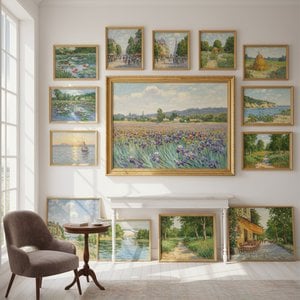
Impressionistische Landschaften: Die 10 Meisterwerke, die eine Kunstrichtung prägten | ArtsDot
Entdecken Sie die 10 Meisterwerke des Impressionismus! Von Monet bis Van Gogh – erleben Sie die Geschichten hinter berühmten Landschaftsbildern. Hochwertige Kunst Reproduktionen für Ihr Zuhause auf ArtsDot.com.

Nature’s Sanctuary: Curating Enchanting Forest Artworks to Transform Your Home into a Serene Woodland Retreat
Transform your home into a serene woodland retreat with enchanting forest artworks. Discover museum-quality oil reproductions and custom landscape commissions designed to bring the peaceful beauty of nature indoors.

Pierre-Auguste Renoir: Die 25 Meisterwerke des Impressionismus für Ihr Zuhause | ArtsDot
Entdecken Sie die 25 schönsten Meisterwerke von Pierre-Auguste Renoir! Tauchen Sie ein in die Welt des Impressionismus, erleben Sie berühmte Gemälde wie 'Bal au moulin de la Galette' und finden Sie hochwertige Kunstdrucke für Ihr Zuhause. Jetzt auf ArtsDot.com!


