


 In echtem Maßstab anzeigen
 Versenden als Grußkarte
 Teilen
 Details anzeigen
 Leitfaden öffnen

 Herunterladen
 Ähnliche Objekte
 Röntgenaufnahme
 Diashow
 Besucherstatistiken
The breakfast table
 Acryl auf Leinwand
- Wandkunst
- Contemporary Realism
 1958
1958 122.0 x 68.0 cm
 Art Gallery of New South Wales
 Mehr anzeigen
Die auf dieser Seite dargestellten Kunstwerke sind urheberrechtlich geschützt, was bedeutet, dass wir keine identische Reproduktion rechtmäßig erstellen oder verkaufen dürfen. Dieser Schutz wird durch internationale Abkommen wie die Berner Übereinkunft und durch nationale Gesetze, einschließlich derer, die von den ... festgelegt wurden US-Urheberrecht – Titel 17.
Diese Methode entspricht vollumfänglich den Urheberrechtsbestimmungen, da sie keine Kopie oder Vervielfältigung des geschützten Kunstwerks darstellt. Stattdessen handelt es sich um eine kreative Neuinterpretation – ein neues Gemälde, das vom Original inspiriert, aber nicht identisch mit ihm ist.
Giclée / Kunstdruck
Giclée- oder Leinwanddruck in Museumsqualität mit schneller Produktion und flexiblen Veredelungsoptionen. ( Handgemalte Reproduktion kaufen Zum digitalen Bild wechseln)




P118B €10

P118H €10

P118W €10

P438Z €10

P508JH €12

P508YH €12

P805H €10

P805Z €10

P919BZ €10

P919G €10

P919XJ €10

P959ZH €10

P968JZ €12

W106C €8

W218G €10

W218JH €8

W218Y €10

W307PJ €10

W316G €10

W316PJ €8

W316Y €10

W398PJ €8

W4111J €10

W500HY €15

W500JH €15

W692G €12

W849H €8

W940BG €15

W953PJ €8




Wählen Sie aus unseren vordefinierten Formaten, die den ursprünglichen Proportionen des Kunstwerks entsprechen.

Geben Sie die Breite und die Höhe an, die Sie benötigen, damit der Druck perfekt in Ihren Rahmen oder an Ihre Wand passt. Ein Druck kann nur beschnitten werden und niemals größer als das Originalbild gemacht werden; daher verliert ein Format mit einer anderen Proportion einen Teil des Bildes. Wir senden Ihnen ein digitales Mockup zur Freigabe, bevor wir den Druck ausführen. Das auf dieser Seite gezeigte Bild zeigt nicht den tatsächlichen Beschnitt – dies ist nur im Mockup ersichtlich.
Weltweiter Versand () innerhalb von 2 Wochen statt der üblichen 4/5 Wochen. (22 Oktober)

Kostenloser weltweiter Expressversand

Hochwertige Leinenleinwand

Vollständiger Versicherungsschutz beim Versand

Zollgebühren-Rückerstattungsgarantie

Garantie für exakte Farbtreue

100-tägiges Rückgaberecht (nur bei Mängeln)

100% Geld-zurück-Garantie

Angebot für Mengenrabatt
 Die Glasoption ist nur für Größen unter 110 cm verfügbar.

The breakfast table
Giclée / Kunstdruck
Format der Reproduktion
-


Gesamtpreis
€ 54
A Moment Frozen in Time: John Brack’s “The Breakfast Table”
John Brack's "The Breakfast Table," painted in 1958, isn’t merely a depiction of a morning meal; it’s a carefully constructed tableau brimming with quiet observation and subtle commentary on Australian domestic life. This iconic work, now residing within the National Gallery of New South Wales, offers a captivating glimpse into a seemingly ordinary scene—a family breakfast—transformed by Brack's masterful use of color, composition, and perspective.
The painting immediately draws the eye with its vibrant palette. Brack eschews the muted tones often associated with still life, opting instead for an almost fluorescent yellow for the tabletop, a hue that feels both startlingly modern and deeply rooted in the Australian landscape – reminiscent of the harsh sunlight reflecting off the red earth. This bold choice contrasts sharply with the deep shadows cast by the objects scattered across the surface, creating a dynamic interplay of light and dark that anchors the composition and imbues it with a sense of immediacy. The careful arrangement of the cutlery, plates, bottles, and cups isn’t haphazard; each element is deliberately positioned to contribute to the overall narrative.
The Language of Domesticity
Brack's genius lies in his ability to convey more than just the visual elements of a breakfast scene. He captures the *feeling* of that moment—the lingering traces of activity, the unspoken interactions between family members, and the subtle sense of routine that defines everyday life. The empty glasses, cups, and plates speak volumes about the recent departure of the occupants, while the scattered crumbs hint at the remnants of a shared meal. Brack’s use of aerial perspective – looking down on the table as if from above – creates an intimate yet slightly detached view, inviting the viewer to become a silent observer within this domestic drama.
The painting's significance extends beyond its immediate subject matter. It emerged during a period of significant social and artistic change in Australia, coinciding with the rise of the Antipodeans group—a collective of artists who sought to capture the unique character of Australian life. Brack’s work, like that of his contemporaries (including Sidney Nolan and Russell Drysdale), challenged traditional European art conventions and embraced a distinctly Australian sensibility. “The Breakfast Table” exemplifies this shift by focusing on familiar subjects – domesticity, family, and everyday routines—and presenting them with a fresh, modern perspective.
Symbolism and Brack’s Vision
While seemingly straightforward, "The Breakfast Table" is rich in symbolic detail. The abundance of tableware suggests a sense of plenty and comfort, while the emptiness hints at a transient moment – a pause before the demands of the day begin. The carefully chosen objects—bottles, spoons, cups—are not merely props but represent the tools and rituals of daily life. Brack’s deliberate arrangement creates a geometric pattern that subtly reinforces the painting's sense of order and control, even as it captures the inherent chaos of a busy household.
Furthermore, Brack was known for his sharp observations of Australian society and his ability to capture its quirks and contradictions. “The Breakfast Table” can be interpreted as a commentary on the changing role of women in post-war Australia—the shift from traditional domestic roles to more independent lifestyles. The painting’s focus on the mundane details of everyday life suggests a quiet celebration of the ordinary, while also hinting at the unspoken tensions and complexities that lie beneath the surface.
A Timeless Masterpiece
"The Breakfast Table" remains one of John Brack's most celebrated works, admired for its striking visual impact, its insightful commentary on Australian culture, and its enduring emotional resonance. It’s a painting that invites repeated viewing, revealing new layers of meaning with each encounter. Whether you are an art enthusiast, a collector seeking to add a significant piece to your collection, or simply someone looking for inspiration, “The Breakfast Table” offers a captivating glimpse into the heart of Australian life and the genius of one of its most important artists.
Fragen & Antworten
Gibt es einen Leitfaden für "The breakfast table" von John Brack?
Die Leitfaden-Seite von "The breakfast table" von John Brack bietet ein druckbares, zweiseitiges Infoblatt: das Kunstwerk mit seiner Identifikationstabelle, eine Zeitstrahl-Einordnung in die Lebensspanne des Künstlers, weitere Werke des Künstlers, die gemessene Farbpalette sowie kopierfertige Zitate in vier verschiedenen Stilen.
Welche Form und welche Maße hat "The breakfast table" von John Brack?
"The breakfast table" von John Brack hat die Proportionen eines Hochkant-Werks mit einer Größe von 122 x 68 cm.
Welcher künstlerischen Strömung ist "The breakfast table" von John Brack zuzuordnen?
„The breakfast table“ ist ein Werk der Contemporary Realism. Die Stilrichtung gibt die künstlerische Tradition an, der das Werk angehört.
Ähnliche Kunstwerke


Biografie des Künstlers
John Brack
John Brack (Cecil John Brock; geboren am 10. Mai 1920 in Melbourne, Australien; † 11. Februar 1999) war ein australischer Maler und einer der wichtigsten Vertreter der sogenannten Antipodeanen Gruppe. Er gilt als eine außergewöhnliche Stimme seiner Zeit und prägte die Entwicklung der australischen Kunst maßgeblich mit seinem einzigartigen Stil und seiner Fähigkeit, Alltagssituationen auf beeindruckende Weise zu erfassen. Seine Werke zeichnen sich durch ihre präzise Beobachtungsgabe und ihre reduzierte Farbpalette aus und reflektieren eine besondere Perspektive auf das Leben im Großstadt Australien der fünfziger und sechziger Jahre.Early Life and Career
Brack studierte Grafikdesign und Illustration an der Universität Melbourne und arbeitete zunächst als Illustrator für verschiedene Zeitungen und Anzeigenblätter. Diese frühe Erfahrung prägte seinen Blick für Komposition und Detailgenauigkeit, die später auch in seinen Gemälden zum Ausdruck kamen. Er war Mitglied der Antipodeanen Gruppe, einer Künstlergruppe, die sich durch ihre Suche nach neuen künstlerischen Formen und ihren Fokus auf australische Themen auszeichnete. Zu dieser Zeit entwickelte sich sein unverwechselbarer Stil weiter und fand erste Anerkennung im Kunstbetrieb.Artistic Style and Significance
Bracks Werk ist geprägt von einem außergewöhnlichen Umgang mit Farbe und Linie, der oft als „Linienstil“ bezeichnet wird. Er verzichtete auf großzügige Farbflächen und konzentrierte sich stattdessen auf klare Linienführung und geometrische Formen, um Figuren und Objekte darzustellen. Dieser Ansatz wurde von einigen Kritikern als Ausdruck einer bestimmten gesellschaftlichen Stimmung gesehen und gilt heute als eine zentrale Entwicklung in der australischen Kunstgeschichte. Sein Stil erinnerte an die Arbeiten von Barry Humphries und verkörperte eine besondere Form von Präzision und Einfachheit. Er war ein Meister darin, menschliche Figuren und ihre Umgebung auf eine Weise zu zeigen, die sowohl direkt als auch subtil ist und gleichzeitig eine gewisse Melancholie und Einsamkeit vermittelt.Notable Works and Exhibitions
Bracks bekannteste Gemälde sind insbesondere „Collins St., 5 pm“ (1955) und „Das Frühstückstisch“ (1962). „Collins St., 5 pm“ gilt als eine Schlüsselarbeit der Antipodeanen Gruppe und wird oft als ein Meisterwerk der australischen Kunstgeschichte angesehen. Das Werk wurde mehrfach ausgestellt und befindet sich heute im Besitz der Nationalgalerie Victoria und wurde auch im Ian Potter Centre für Moderne Kunst in Melbourne gezeigt. „Das Frühstückstisch“ ist ebenfalls ein ikonisches Bild von Brack und zeigt eine Gruppe von Büroangestellten am Frühstückstisch und wird häufig als Beispiel für seine besondere Fähigkeit zur Darstellung menschlicher Beziehungen betrachtet. Seine Arbeiten fanden internationale Anerkennung und wurden in zahlreichen Galerien weltweit präsentiert.Comparison to Other Artists
Im Gegensatz zu den Landschaftsbildern von Arthur Streeton, die oft eine romantische Sehnsucht nach der Natur widerspiegeln, bietet Bracks Kunst einen Blick auf das Leben im Großstadt Australien und dessen Alltagssituationen. Er unterscheidet sich auch von Charles Edward Conder, dessen Gemälde „Going Home“ (Das Heimkehrhaus) eine nostalgische Stimmung vermitteln und eine andere Perspektive auf die australische Erfahrung darstellen. Während Streeton und Conder versuchen, Schönheit und Natur einzufangen, konzentriert sich Brack auf die Darstellung menschlicher Beziehungen und soziale Strukturen.Legacy and Influence
John Brack hinterließ ein bedeutendes künstlerisches Erbe und beeinflusste zahlreiche junge Künstlergenerationen in Australien. Seine Fähigkeit, die Essenz seiner Zeit in einem außergewöhnlich präzisen und reduzierten Stil zu erfassen, gilt als eine besondere Leistung und wird bis heute hoch geschätzt. Sein Werk wird weiterhin intensiv studiert und analysiert und trägt maßgeblich zur Entwicklung der australischen Kunstgeschichte bei. Er ist ein wichtiger Vertreter des australischen Realismus und hat einen besonderen Platz im Herzen der australischen Kunstliebhaberinnen und -liebhaber.
John Brack
1920 - 1999 , Australien
Eckdaten zum Künstler
- Artistic Movement Or Style: Realismus
- Artists Or Movements Influenced By This Artist: ['Arthur Streeton']
- Artists Who Influenced This Artist: ['Barry Humphries']
- Date Of Birth: 10 Mai 1920
- Full Name: Cecil John Brock
- Nationality: Australien
- Notable Artworks:
- Collins St., 5 pm
- Das Frühstückstisch
- Place Of Birth: Melbourne, Australien
Verwandte Artikel

Silent Narratives: Exploring the Enduring Appeal of Still Life Painting Across Centuries
Explore the rich history of still life painting with ArtsDot. Discover Dutch Masters, decode vanitas symbolism & learn about collecting timeless art. Expert insights and museum-quality reproductions.

John Singer Sargent: Die 25 Meisterwerke des Porträts – Kunst für Ihr Zuhause | ArtsDot
Entdecken Sie die 25 Meisterwerke von John Singer Sargent! Tauchen Sie ein in die Welt der Porträtmalerei, des Impressionismus & der Belle Époque. Hochwertige Kunstdrucke & Reproduktionen für Ihr Zuhause – jetzt auf ArtsDot.com!

John Constable: Die 25 Meisterwerke des englischen Landschaftsgenies – ArtsDot
Entdecken Sie die 25 Meisterwerke von John Constable! Erleben Sie englische Landschaftsmalerei vom Hay Wain bis zur Stour Valley. Hochwertige Reproduktionen & Kunst für Ihr Zuhause auf ArtsDot.com.
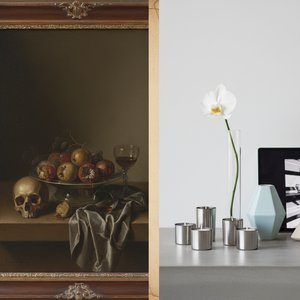
The Enduring Appeal of Still Life: A Historical & Contemporary Exploration
Explore the rich history & symbolism of still life painting with ArtsDot. Discover masterpieces from the Dutch Golden Age, learn about vanitas art, and find expert guidance for collecting timeless artworks.

Vom klassischen Stillleben zur zeitgenössischen Abstraktion: Die Veredelung von Villa-Ambientes durch kunstvolle Reproduktionen
Entdecken Sie die faszinierende Welt der Stilllebenmalerei! Von historischen Meisterwerken bis zur zeitgenössischen Abstraktion – wir bieten hochwertige Reproduktionen für luxuriöse Villa-Ambientes. Expertenberatung & Kunstsammlerqualität.