

 Vorschau anzeigen
 Versenden
 Teilen
 Details anzeigen

 Herunterladen
 Ähnliche Objekte
 Röntgenaufnahme
 Diashow
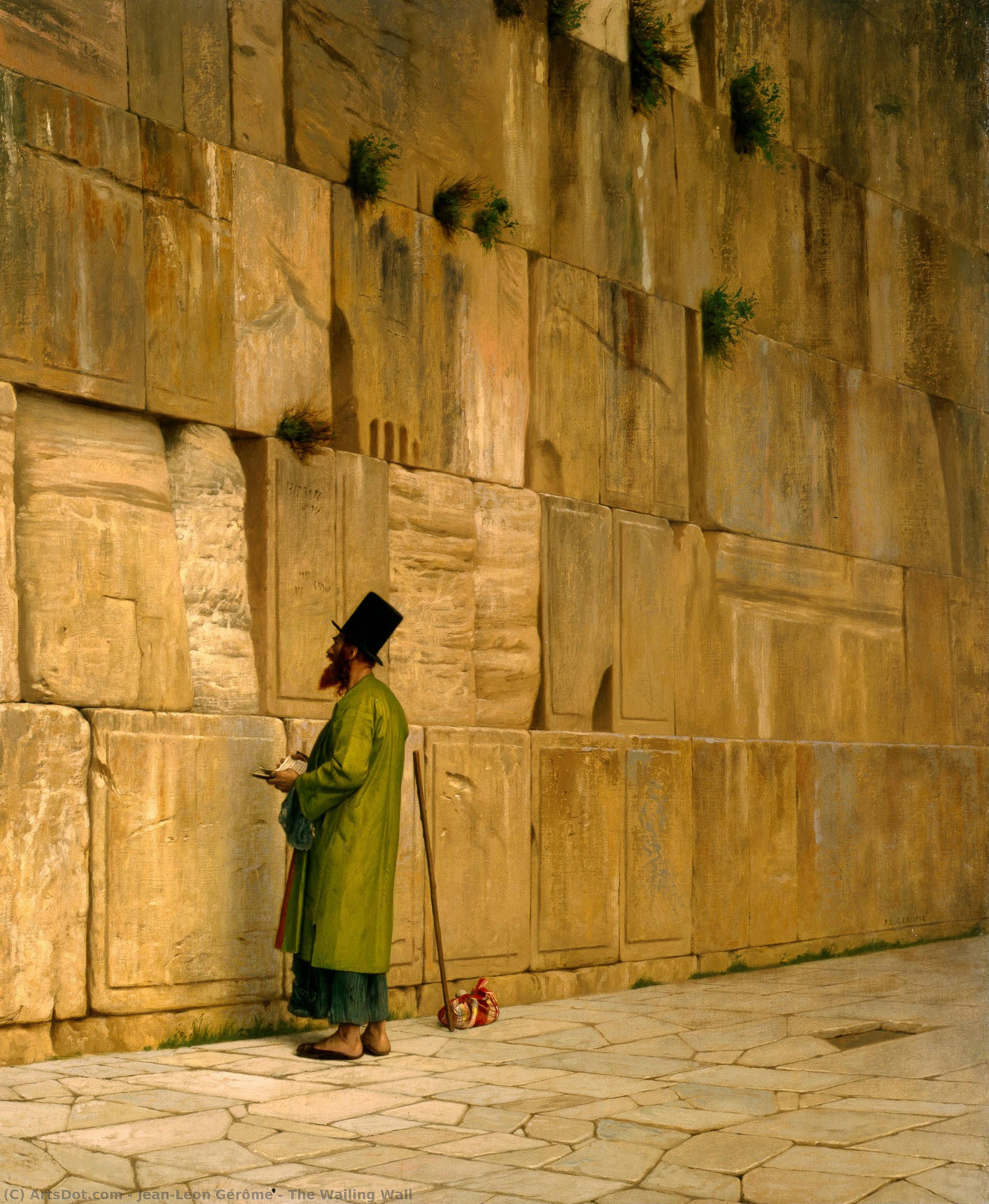
The Wailing Wall


 Weiterlesen
Giclée / Kunstdruck
Giclée- oder Leinwanddruck in Museumsqualität mit schneller Produktion und flexiblen Veredelungsoptionen. ( Handgemalte Reproduktion bestellen Bild kaufen)




P118B $10

P118H $10

P118W $10

P438Z $10

P508JH $12

P508YH $12

P805H $10

P805Z $10

P919BZ $10

P919G $10

P919XJ $10

P959ZH $10

P968JZ $12

W106C $8

W218G $10

W218JH $8

W218Y $10

W307PJ $10

W316G $10

W316PJ $8

W316Y $10

W398PJ $8

W4111J $10

W500HY $15

W500JH $15

W692G $12

W849H $8

W940BG $15

W953PJ $8




Wählen Sie aus unseren vordefinierten Formaten, die den ursprünglichen Proportionen des Kunstwerks entsprechen.

Sie können Ihre eigenen Maße eingeben, um ein bestimmtes Format oder einen speziellen Platz einzupassen. Wenn das von Ihnen gewählte Format nicht den Proportionen des Originalbildes entspricht, werden wir das Kunstwerk entweder beschneiden oder das Bild mit einem gespiegelten oder einfarbigen Rand erweitern. Ein digitaler Entwurf wird Ihnen zur Genehmigung zugesandt, bevor die Produktion beginnt.
Bitte beachten Sie, dass die Vorschau auf dem Bildschirm nicht den tatsächlichen Zuschnitt oder die Erweiterung widerspiegelt. Nur der Entwurf zeigt die endgültige Komposition präzise an.
Obwohl Sondermaße verfügbar sind, empfehlen wir die Auswahl eines Maßes aus der vordefinierten Liste, um die ursprünglichen Proportionen zu bewahren.
Weltweiter Versand () innerhalb von 2 Wochen statt der üblichen 4/5 Wochen. (14 August)

Kostenloser weltweiter Expressversand

Hochwertige Leinenleinwand

Umfassender Versicherungsschutz beim Versand

Zollgebühren-Rückerstattungsgarantie

Garantie für exakte Farbtreue

60 Tage Rückgaberecht (nur bei Mängeln)

100% Geld-zurück-Garantie

Mengenrabatt verfügbar
 Die Glasoption ist nur für Größen unter 110 cm verfügbar.

The Wailing Wall
Giclée / Kunstdruck
Format der Reproduktion
-


Gesamtpreis
$ 62
Sammlerstück-Beschreibung
A Moment of Reverent Contemplation: Jean-Léon Gérôme’s “The Wailing Wall”
Jean-Léon Gérôme's "The Wailing Wall" (circa 1869) isn’t merely a painting; it’s a meticulously crafted tableau of faith, history, and the profound human need for connection with the sacred. Captured in rich, earthy tones characteristic of his academic style, the scene unfolds within the heart of Jerusalem – specifically, the Western Wall, or Kotel as it's known to observant Jews today. The painting immediately draws the viewer into a palpable atmosphere of solemnity and quiet devotion, a testament to Gérôme’s remarkable ability to evoke emotion through detailed observation and dramatic composition.
At the center stands a man, his posture conveying both vulnerability and intense concentration. He is positioned directly before the imposing Western Wall, his hands resting upon its weathered stones as if in prayer or deep contemplation. His attire – a simple green coat and hat – suggests a humble pilgrim, stripped of worldly concerns and wholly absorbed in his spiritual journey. Around him, other figures populate the scene: a woman gazing upwards with evident sorrow, a man seemingly lost in thought, and two others further back, adding layers to the narrative without disrupting its central focus. The inclusion of these secondary characters subtly hints at the broader community drawn to this historically significant site.
Academic Realism and the Power of Narrative
Gérôme was a master of academic painting – a style defined by its commitment to meticulous realism, historical accuracy, and dramatic storytelling. He wasn’t interested in fleeting impressions or subjective interpretations; instead, he sought to recreate scenes from the past with painstaking detail, employing techniques honed through years of study at the École des Beaux-Arts in Paris. “The Wailing Wall” exemplifies this approach perfectly. The textures of the stone are rendered with astonishing precision – each groove and imperfection visible, conveying a sense of age and enduring strength. Gérôme’s use of light and shadow is equally masterful, creating a strong sense of depth and volume that anchors the scene within its physical space.
The composition itself is carefully orchestrated to guide the viewer's eye. The diagonal lines created by the wall and the figures lead the gaze towards the central figure, while the muted color palette reinforces the painting’s contemplative mood. Gérôme’s skill lies not just in his technical proficiency but also in his ability to imbue a historical scene with universal human emotions – sorrow, hope, faith, and longing.
Historical Context: The Western Wall and Jewish Pilgrimage
Understanding the historical context of “The Wailing Wall” is crucial to appreciating its significance. The Western Wall represents the last remaining segment of the retaining wall that supported the Second Temple in Jerusalem, destroyed by the Romans in 70 CE. For centuries, it remained a sacred site for Jewish people, who have maintained a tradition of prayer and pilgrimage there. The painting captures this enduring connection to the past, offering a visual representation of the emotional weight carried by this ancient monument.
The title itself – “The Wailing Wall” – reflects the poignant atmosphere surrounding the site. During periods when Jewish access was restricted, pilgrims would gather at the wall and lament the loss of the Temple, expressing their grief through weeping and prayer. This tradition continues to this day, making the Western Wall a place of profound spiritual significance for Jews worldwide. The painting subtly evokes this sense of mourning while simultaneously celebrating the enduring power of faith.
Symbolism and Emotional Resonance
Beyond its historical accuracy, “The Wailing Wall” is rich in symbolism. The central figure’s posture suggests a deep connection to something larger than himself – a yearning for spiritual solace and understanding. The wall itself represents the continuity of Jewish history and tradition, standing as a tangible link between the past and the present. The muted colors and somber mood contribute to the painting's overall sense of reverence and introspection.
Gérôme’s masterpiece transcends mere representation; it invites viewers to contemplate the nature of faith, memory, and the enduring human search for meaning. It is a powerful reminder of the importance of sacred sites and the profound emotions they evoke – a testament to the artist's skill and his ability to capture the essence of a deeply moving moment in history.
Ähnliche Kunstwerke


Über den Künstler
Frühe Jahre und Ausbildung
Jean-Léon Gérôme, ein renommierter französischer Maler und Bildhauer, wurde am 11. Mai 1824 in Vesoul, Haute-Saône geboren. Seine frühe künstlerische Ausbildung erhielt er von dem lokalen Künstler Claude-Basile Cariage. Im Jahr 1840 zog er nach Paris, um unter Paul Delaroche zu studieren und besuchte später die École des Beaux-Arts.Aufstieg zum Ruhm
Gérômes Gemälde Die Stierkampf (1846) brachte ihm 1847 eine dritte Auszeichnung beim Pariser Salon ein. Dieses Werk wurde als Inbegriff der Neo-Grec-Bewegung angesehen und katapultierte seine Karriere. Er wurde zu einem der einflussreichsten Lehrer seiner Zeit, wobei Schüler wie Thomas Eakins, John Singer Sargent und Mary Cassatt zu seinen Schützlingen gehörten.Wichtige Aufträge
Gérôme erhielt den Auftrag, ein großes Wandgemälde mit dem Titel Das Zeitalter des Augustus, die Geburt Christi zu malen. Dieses Werk vereinte die Darstellung der Geburt Christi mit der Huldigung des Augustus durch unterworfene Nationen und sollte Napoleon III. schmeicheln, der es in Auftrag gegeben hatte.Künstlerischer Stil und Vermächtnis
Gérômes Gemälde zeichneten sich durch seine akribische Detailgenauigkeit, lebendigen Farben und dramatische Beleuchtung aus. Er verwendete oft historische oder mythologische Themen, um Themen wie Macht, Gewalt und Sexualität zu erkunden. Seine orientalistischen Gemälde, wie Haremfrauen füttern Tauben im Innenhof, wurden für ihre exotischen Schauplätze und die erotisierten Darstellungen von Frauen aus dem Nahen Osten hoch geschätzt.- Betrachten Sie Gérômes Kunstwerke auf ArtsDot: Schlangenbeschwörer
- Erkunden Sie das Musée d'Art et d'Histoire de Cholet, das Gérômes Werke zeigt: Entdeckung des Musée d'Art et d'Histoire de Cholet (Frankreich)
- Erfahren Sie mehr über John Singer Sargent, einen von Gérômes Schülern: John Singer Sargent
Schlussfolgerung
Jean-Léon Gérômes künstlerisches Vermächtnis ist ein Beweis für seinen innovativen Stil und seine technische Fertigkeit. Als einflussreicher Lehrer und Künstler hat er bleibende Spuren in der Kunstwelt hinterlassen. Seine Werke inspirieren und faszinieren das Publikum bis heute. Wichtige Daten:- Mai 1824: Geburt in Vesoul, Haute-Saône
- 1840: Umzug nach Paris zur Studienzeit bei Paul Delaroche
- 1846: Malte Die Stierkampf
- 10. Januar 1904: Tod in Paris

Jean-Léon Gérôme
1824 - 1904 , Frankreich
Kurzinfos
- Beeinflusste Künstler:
- Thomas Eakins
- John Singer Sargent
- Mary Cassatt
- Bemerkenswerte Werke:
- Der Hahnkampf
- Öffentliches Gebet in Kairo
- Harem Frauen füttern Tauben
- Geburtsdatum: 11. Mai 1824
- Geburtsort: Vesoul, Frankreich
- Künstlerische Richtung: Neoklassizismus, Orientalismus
- Nationalität: Französisch
- Todatum: 10. Januar 1904
- Vollständiger Name: Jean-Léon Gérôme
Ähnliche Artikel

Die Rückkehr des Freskos: Wandgemälde als Luxusstatement für exklusive Innenräume
Entdecken Sie die Welt der Wandgemälde! Exklusive Designs für Hotels & Wohnräume. Expertenberatung, hochwertige Materialien & individuelle Kunstprojekte – Ihr Partner für einzigartige Raumgestaltung.

Transforming Spaces: A Comprehensive Exploration of Wall Decor Through Art History & Contemporary Practice
Explore the art of transforming spaces with our comprehensive guide to wall decor. From historical movements to contemporary trends, discover how to curate impactful interiors and commission bespoke artwork for a truly personalized aesthetic.

Jean-Léon Gérôme: Akademische Strenge und orientalistische Visionen – Ein Meister der französischen Malerei
Entdecken Sie das faszinierende Werk von Jean-Léon Gérôme! Wir analysieren seine akademische Strenge, orientalistischen Visionen und ikonischen Gemälde. Ein tiefer Einblick in den Meister der französischen Malerei des 19. Jahrhunderts.

The Art of Emphasis: Scaling Artwork for Impactful Statement Walls
Elevate your interiors with impactful statement walls! Expert guide on scaling artwork for perfect proportions & design harmony. Custom solutions & free consultations at ArtsDot.

Hochzeit & Kunst: Emotionen für immer verewigen – Ihre Ehe als stilvolle Wandgestaltung
Verleihen Sie Ihrem Zuhause eine persönliche Note! Entdecken Sie hochwertige Hochzeitskunstwerke & individuelle Gemälde bei – Expertenberatung inklusive.



