

 Vorschau anzeigen
 Versenden
 Teilen
 Details anzeigen

 Herunterladen
 Ähnliche Objekte
 Röntgenaufnahme
 Diashow
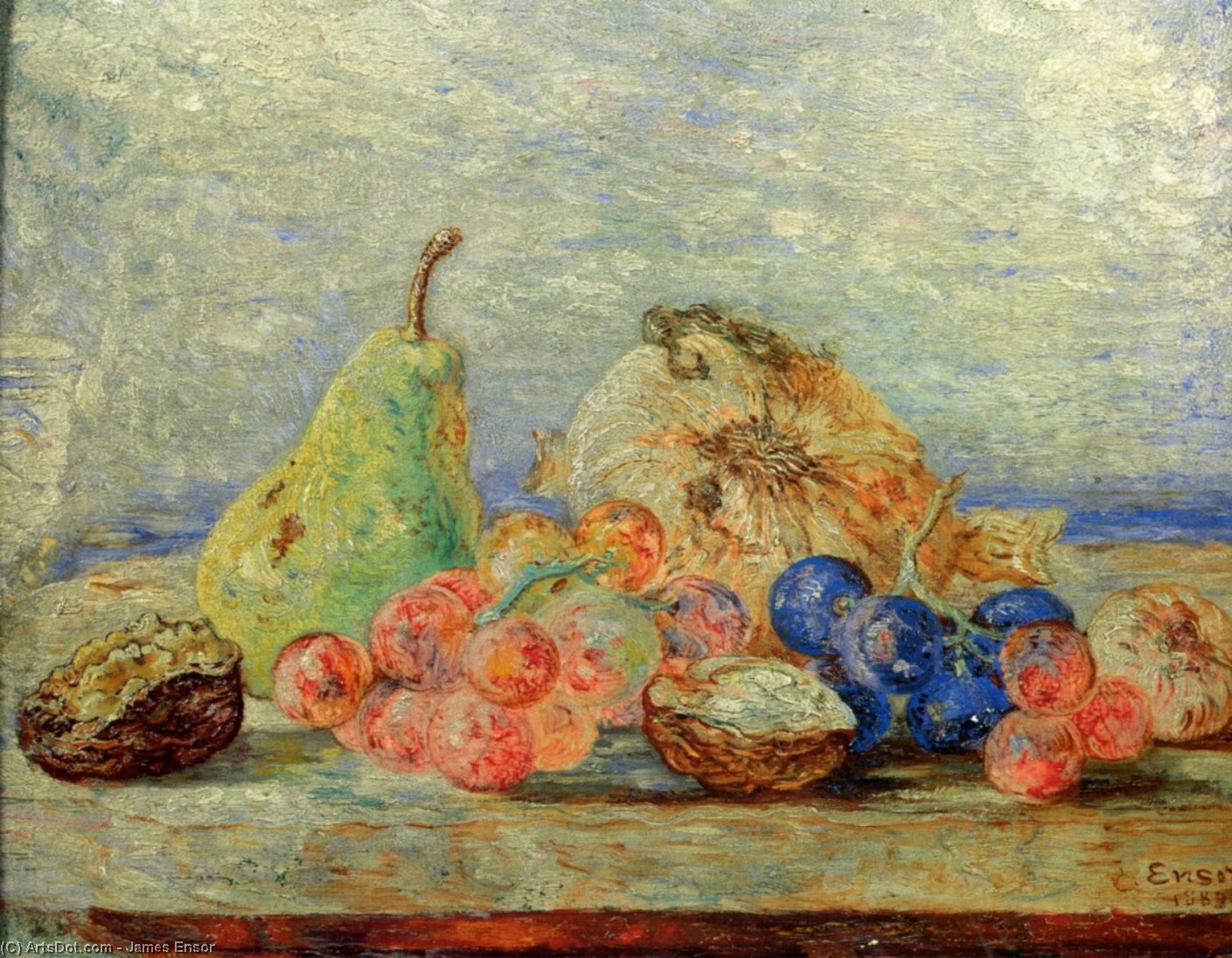
Poires raisins noix


 Weiterlesen
Giclée / Kunstdruck
Giclée- oder Leinwanddruck in Museumsqualität mit schneller Produktion und flexiblen Veredelungsoptionen. ( Handgemalte Reproduktion bestellen Bild kaufen)




P118B $10

P118H $10

P118W $10

P438Z $10

P508JH $12

P508YH $12

P805H $10

P805Z $10

P919BZ $10

P919G $10

P919XJ $10

P959ZH $10

P968JZ $12

W106C $8

W218G $10

W218JH $8

W218Y $10

W307PJ $10

W316G $10

W316PJ $8

W316Y $10

W398PJ $8

W4111J $10

W500HY $15

W500JH $15

W692G $12

W849H $8

W940BG $15

W953PJ $8




Wählen Sie aus unseren vordefinierten Formaten, die den ursprünglichen Proportionen des Kunstwerks entsprechen.

Sie können Ihre eigenen Maße eingeben, um ein bestimmtes Format oder einen speziellen Platz einzupassen. Wenn das von Ihnen gewählte Format nicht den Proportionen des Originalbildes entspricht, werden wir das Kunstwerk entweder beschneiden oder das Bild mit einem gespiegelten oder einfarbigen Rand erweitern. Ein digitaler Entwurf wird Ihnen zur Genehmigung zugesandt, bevor die Produktion beginnt.
Bitte beachten Sie, dass die Vorschau auf dem Bildschirm nicht den tatsächlichen Zuschnitt oder die Erweiterung widerspiegelt. Nur der Entwurf zeigt die endgültige Komposition präzise an.
Obwohl Sondermaße verfügbar sind, empfehlen wir die Auswahl eines Maßes aus der vordefinierten Liste, um die ursprünglichen Proportionen zu bewahren.
Weltweiter Versand () innerhalb von 2 Wochen statt der üblichen 4/5 Wochen. (17 August)

Kostenloser weltweiter Expressversand

Hochwertige Leinenleinwand

Umfassender Versicherungsschutz beim Versand

Zollgebühren-Rückerstattungsgarantie

Garantie für exakte Farbtreue

60 Tage Rückgaberecht (nur bei Mängeln)

100% Geld-zurück-Garantie

Mengenrabatt verfügbar
 Die Glasoption ist nur für Größen unter 110 cm verfügbar.

Poires raisins noix
Giclée / Kunstdruck
Format der Reproduktion
-


Gesamtpreis
$ 62
Sammlerstück-Beschreibung
A World Woven in Masks and Shadows: James Ensor’s *Poires Raisins Noix*
James Ensor's *Poires Raisins Noix* (1889) isn’t merely a still life; it’s a meticulously constructed tableau of unsettling beauty, a window into the artist’s uniquely fractured psyche. Painted during a pivotal period in his career—a time when he was pushing against academic conventions and forging his own intensely personal style—the work encapsulates Ensor's fascination with masks, carnivals, and the grotesque, themes that would become hallmarks of his oeuvre. The scene unfolds on a simple, almost theatrical shelf, reminiscent of a stage set, against a subtly suggestive sky-like backdrop. This deliberate framing elevates the commonplace objects – pears, grapes, walnuts – transforming them into subjects worthy of dramatic consideration. The painting’s power lies not in its realistic depiction but in Ensor's masterful manipulation of color, texture, and composition to evoke a sense of both familiarity and profound unease. It’s a deliberate rejection of traditional still life conventions, prioritizing psychological impact over photographic accuracy.The Language of the Grotesque: Symbolism and Technique
Ensor’s technique is characterized by an almost obsessive attention to detail, rendered with fine brushstrokes that build up layers of color and texture. The pears, arranged in varying positions—some plump and glistening, others bruised or partially obscured – are not simply fruits; they become symbols of decay, abundance, and perhaps even the fleeting nature of beauty. The grapes, similarly, possess a tactile quality, their skins rendered with an almost sculptural precision. The walnuts, dark and enigmatic, contribute to the overall sense of mystery. Notice how Ensor employs a limited but carefully chosen palette—deep blues, greens, browns, and touches of vibrant red – to create a mood that is both melancholic and strangely alluring. The use of impasto, particularly in the rendering of the fruit’s surfaces, adds a tactile dimension, inviting the viewer to almost reach out and touch these enigmatic objects. The background, deliberately muted, serves to further isolate the subjects and intensify their presence.A Reflection of Victorian Anxieties: Historical Context
To fully appreciate *Poires Raisins Noix*, it’s crucial to understand the historical context in which Ensor was working. The late 19th century was a period of profound social and cultural upheaval, marked by anxieties about industrialization, urbanization, and the decline of traditional values. Ensor's art reflects these concerns through his exploration of themes such as mortality, deception, and the loss of innocence. The painting can be interpreted as a commentary on the superficiality of Victorian society—a world obsessed with appearances while concealing darker realities beneath the surface. The masks, so central to Ensor’s artistic vision, represent this very concealment, suggesting that behind every carefully constructed façade lies a hidden truth. The inclusion of skeletons, subtly integrated into the composition, serves as a stark reminder of mortality and the inevitability of decay.An Emotional Resonance: Interpretation and Legacy
*Poires Raisins Noix* is not simply a visually striking image; it’s an emotionally resonant work that continues to captivate viewers today. Ensor's masterful use of symbolism, combined with his distinctive technique, creates a sense of unease and intrigue—a feeling that something is just slightly off-kilter. The painting invites us to contemplate the fragility of beauty, the inevitability of death, and the hidden anxieties lurking beneath the surface of everyday life. It’s a testament to Ensor's ability to transform the mundane into the extraordinary, and his enduring legacy as one of the most innovative and unsettling artists of the modern era. ArtsDot offers high-quality reproductions that allow you to experience the full impact of this remarkable work, bringing its haunting beauty into your home or studio.Ähnliche Kunstwerke


Über den Künstler
frühes Leben und künstlerische Reise
James Sidney Edward, Baron Ensor, ein prominenter belgischer Maler und Grafiker, wurde am 13. April 1860 in Ostend, Belgien, geboren. Sein frühes Leben war von einem vielfältigen kulturellen Hintergrund geprägt, mit einem englischen Vater, James Frederic Ensor, und einer belgischen Mutter, Maria Catherina Haegheman. Ensor zeigte wenig Interesse an traditionellen akademischen Studien und verließ die Schule mit fünfzehn Jahren, um sich der Kunst zu widmen, zunächst bei lokalen Malern und später am Académie Royale des Beaux-Arts in Brüssel.Künstlerischer Stil und Themen
Ensor's künstlerischer Stil war durch seine Auseinandersetzung mit dem Unterbewusstsein und traumhaften Bildern gekennzeichnet, der die Expressionismus und Surrealismus maßgeblich beeinflusste. Seine Gemälde zeigten oft bizarre Motive, darunter Karnevale, Masken, Puppenspiel, Skelette und fantastische Allegorien. Bekannte Werke sind Die Schändlichen Masken (1883) und Skelette kämpfen um eine gehängte Person (1891), die seine einzigartige Mischung aus Groteskem und Fantasievollem zeigen.Anerkennung und Vermächtnis
Trotz anfänglicher Ablehnung gewann Ensor's Werk allmählich Anerkennung und Anklang. Bis 1920 war er das Thema bedeutender Ausstellungen; im Jahr 1929 wurde er zum Baron durch König Albert ernannt, und 1933 erhielt er die Légion d’honneur. Sein Vermächtnis als Pionier der modernen Kunst ist in seinem Einfluss auf nachfolgende künstlerische Bewegungen, einschließlich Expressionismus und Surrealismus, erkennbar.Wichtige Werke und Ausstellungen
* Die Intrige (90 x 150 cm, Koninklijk Museum voor Schone Kunsten, Antwerpen, Belgien) * Die Qualen des Heiligen Antonius (1887, heute im Besitz der Sammlung des Museum of Modern Art, New York)- Erfahren Sie mehr über das Leben und Werk von James Ensor auf ArtsDot: James Ensor
- Entdecken Sie das Museum Mu.Zee in Ostend, Belgien, das eine Sammlung belgischer Kunst von 1830 bis heute beherbergt auf ArtsDot: Entdecken Sie das Museum Mu.Zee in Ostend, Belgien
- Erfahren Sie mehr über Malerei des Symbolismus und seinen Einfluss auf Expressionismus und Surrealismus auf Wikipedia: Symbolistische Malerei

James Ensor
1860 - 1949 , Belgien
Kurzinfos
- Beeinflusste Künstler:
- Pieter Bruegel der Ältere
- Francisco Goya
- Bemerkenswerte Werke:
- Die Schmählichen Masken
- Christus in Brüssel
- Tribulationen des Heiligen Antonius
- Geburtsdatum: 1860-04-13
- Geburtsort: Ostende, Belgien
- Künstlerische Richtung: Expressionismus, Symbolismus
- Nationalität: Belgisch
- Todatum: 1949-11-19
- Vollständiger Name: James Ensor
- Von Künstlern Beeinflusst: ['']
Ähnliche Artikel

James Abbott McNeill Whistler: Die 25 Meisterwerke für Ihr Zuhause | ArtsDot
Entdecken Sie die 25 Meisterwerke von James Abbott McNeill Whistler! Von den berühmten Nocturnes bis zu ikonischen Porträts – erleben Sie Ästhetizismus, Impressionismus & Tonalismus. Hochwertige Reproduktionen auf ArtsDot.com.

Sir Alfred James Munnings: Die 25 Meisterwerke des Pferdebildes | ArtsDot
Entdecken Sie die 25 Meisterwerke von Sir Alfred James Munnings! Erleben Sie seine beeindruckenden Pferdebilder, geprägt vom Impressionismus und Realismus. Hochwertige Kunstdrucke & Reproduktionen auf ArtsDot.com – für elegante Wandkunst & stilvolles Interieurdesign.

James Ensor und die groteske Vision: Gesellschaftskritik und künstlerische Innovation
Entdecken Sie James Ensors faszinierende Welt der Groteske! Analysieren Sie seine Gesellschaftskritik, den Einfluss des Symbolismus und seinen einzigartigen Stil. Expertenwissen zur modernen Kunst.

The Bountiful Still Life: Symbolism & Artistic Representation of Fruit Across Art History
Explore the rich history of still life painting & the symbolism of fruit across art movements. Discover masterpieces from Caravaggio to Cézanne with ArtsDot – expert guidance & museum-quality reproductions.

Silent Narratives: Exploring the Enduring Appeal of Still Life Painting Across Centuries
Explore the rich history of still life painting with ArtsDot. Discover Dutch Masters, decode vanitas symbolism & learn about collecting timeless art. Expert insights and museum-quality reproductions.



