

 Vorschau anzeigen
 Versenden
 Teilen
 Details anzeigen

 Herunterladen
 Ähnliche Objekte
 Röntgenaufnahme
 Diashow
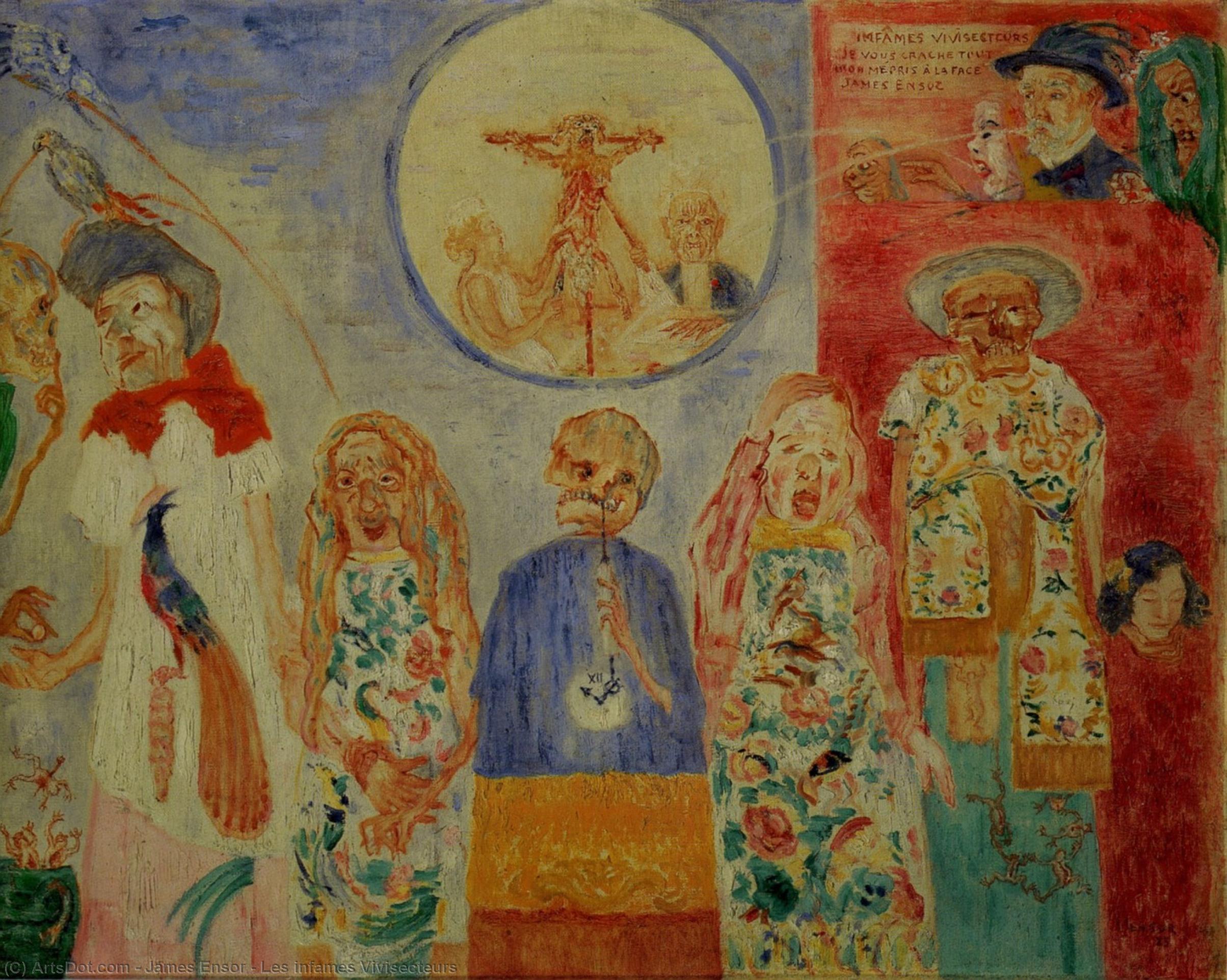
Les infames Vivisecteurs


 Weiterlesen
Handgefertigte Ölreproduktion
Handgemaltes Ölgemälde auf Leinwand in Ihrer Wunschgröße und mit Rahmen, auf Bestellung von unseren Künstlern angefertigt. ( Druck bestellen Bild kaufen)




P118B $10

P118H $10

P118W $10

P438Z $10

P508JH $12

P508YH $12

P805H $10

P805Z $10

P919BZ $10

P919G $10

P919XJ $10

P959ZH $10

P968JZ $12

W106C $8

W218G $10

W218JH $8

W218Y $10

W307PJ $10

W316G $10

W316PJ $8

W316Y $10

W398PJ $8

W4111J $10

W500HY $15

W500JH $15

W692G $12

W849H $8

W940BG $15

W953PJ $8




Wählen Sie aus unseren vordefinierten Formaten, die den ursprünglichen Proportionen des Kunstwerks entsprechen.

Sie können Ihre eigenen Maße eingeben, um einen bestimmten Rahmen oder Platz auszufüllen. Wenn die gewählte Größe nicht den Proportionen des Originalbildes entspricht, werden wir das Kunstwerk entweder beschneiden oder das Gemälde durch zusätzliche, handgemalte Elemente erweitern. Ein digitales Mockup wird Ihnen zur Genehmigung zugesandt, bevor die Produktion beginnt.
Bitte beachten Sie, dass die Bildschirmvorschau nicht die tatsächliche Beschneidung oder Erweiterung widerspiegelt. Nur das Mockup zeigt die endgültige Komposition exakt an.
Obwohl Sondermaße verfügbar sind, empfehlen wir, eine Größe aus der vordefinierten Liste zu wählen, um die ursprünglichen Proportionen beizubehalten.
Nach der Bestellung wird das ArtsDot.com-Team dem Kunden Anweisungen per E-Mail zusenden und eine Mockup-Vorschau bereitstellen.
Weltweiter Versand () in nur 3 bis 4 Wochen statt der üblichen 5 Wochen. (19 August). Keine Kompromisse bei der Qualität.

Kostenloser weltweiter Expressversand

Hochwertige Leinenleinwand

Umfassender Versicherungsschutz beim Versand

Zollgebühren-Rückerstattungsgarantie

Garantie für exakte Farbtreue

60 Tage Rückgaberecht (nur bei Mängeln)

100% Geld-zurück-Garantie

Mengenrabatt verfügbar
 Die Glasoption ist nur für Größen unter 110 cm verfügbar.

Les infames Vivisecteurs
Art der Reproduktion
Format der Reproduktion
-


Gesamtpreis
$ 263
Beschreibung des Kunstwerks
A Descent into Anatomical Horror
In the hauntingly visceral masterpiece “Les infames Vivisecteurs” (The Infamous Dissectors), James Ensor invites the viewer into a realm where science and nightmare collide. Created in 1897, this profound work confronts the spectator with the unsettling reality of human dissection—a practice that, during Ensor’s era, sat at the jagged edge of scientific progress and social taboo. The composition is anchored by a central figure whose face is rendered as a grotesque, skull-like visage, a sight that immediately strips away any sense of clinical detachment. Surrounded by assistants caught in the midst of gruesome procedures, the scene transcends mere anatomical study to become a profound meditation on mortality and the chilling dehumanization that can occur through detached, scientific observation.
The painting serves as a powerful window into the late 19th-century psyche, capturing the tension between the rationalism of the Victorian age and the burgeoning anxieties of a new century. As a key figure in the Symbolist movement, Ensor utilized this piece to explore psychological depths that academic realism simply could not reach. The work anticipates the existential dread of the early 20th century, reflecting a world grappling with rapid scientific advancement and the fear that such progress might come at the cost of our very humanity.
The Mastery of Texture and Shadow
Technically, Ensor’s execution is nothing short of masterful, utilizing oil on canvas to create a palpable sense of physical dread. He employs a heavy impasto technique, where thick, textured brushstrokes lend a fleshy, almost raw quality to the surgical scene. This tactile approach ensures that the horror of the act is not just seen, but felt by the viewer. The color palette is intentionally somber and oppressive, dominated by earthy browns, bruised reds, and sickly yellows. These muted tones work in harmony with Ensor’s jagged lines and distorted perspectives to create an atmosphere of profound psychological discomfort.
For the discerning collector or interior designer, this piece offers a commanding presence. The way light interacts with the raised paint creates a dynamic surface that changes with the viewing angle, making it a captivating focal point for any gallery-style collection. It is a work that demands attention, pulling the eye into its depths and refusing to let go.
Symbolism and the Mask of Death
Beyond its immediate shock value, “Les infames Vivisecteurs” is a labyrinth of symbolic meaning. The recurring motif of the skull-face serves as a memento mori, a stark reminder of the inevitability of decay and the fragility of life. Ensor, whose upbringing in a seaside souvenir shop filled with carnival masks deeply influenced his vision, uses the concept of the mask to explore the duality of identity—the thin veil between the living person and the skeletal truth beneath. Even the subtle inclusion of birds within the composition adds an unexpected layer of intrigue, perhaps acting as silent witnesses to the unfolding tragedy.
To possess a reproduction of this work is to hold a piece of art history that challenges the boundaries of the human experience. It is an ideal acquisition for those who appreciate art that provokes thought, stirs emotion, and serves as a conversation piece regarding the darker, more complex facets of our shared existence. Whether placed in a modern study or a classic salon, Ensor’s vision brings an unparalleled depth of character and intellectual weight to any space.
Ähnliche Kunstwerke


Über den Künstler
frühes Leben und künstlerische Reise
James Sidney Edward, Baron Ensor, ein prominenter belgischer Maler und Grafiker, wurde am 13. April 1860 in Ostend, Belgien, geboren. Sein frühes Leben war von einem vielfältigen kulturellen Hintergrund geprägt, mit einem englischen Vater, James Frederic Ensor, und einer belgischen Mutter, Maria Catherina Haegheman. Ensor zeigte wenig Interesse an traditionellen akademischen Studien und verließ die Schule mit fünfzehn Jahren, um sich der Kunst zu widmen, zunächst bei lokalen Malern und später am Académie Royale des Beaux-Arts in Brüssel.Künstlerischer Stil und Themen
Ensor's künstlerischer Stil war durch seine Auseinandersetzung mit dem Unterbewusstsein und traumhaften Bildern gekennzeichnet, der die Expressionismus und Surrealismus maßgeblich beeinflusste. Seine Gemälde zeigten oft bizarre Motive, darunter Karnevale, Masken, Puppenspiel, Skelette und fantastische Allegorien. Bekannte Werke sind Die Schändlichen Masken (1883) und Skelette kämpfen um eine gehängte Person (1891), die seine einzigartige Mischung aus Groteskem und Fantasievollem zeigen.Anerkennung und Vermächtnis
Trotz anfänglicher Ablehnung gewann Ensor's Werk allmählich Anerkennung und Anklang. Bis 1920 war er das Thema bedeutender Ausstellungen; im Jahr 1929 wurde er zum Baron durch König Albert ernannt, und 1933 erhielt er die Légion d’honneur. Sein Vermächtnis als Pionier der modernen Kunst ist in seinem Einfluss auf nachfolgende künstlerische Bewegungen, einschließlich Expressionismus und Surrealismus, erkennbar.Wichtige Werke und Ausstellungen
* Die Intrige (90 x 150 cm, Koninklijk Museum voor Schone Kunsten, Antwerpen, Belgien) * Die Qualen des Heiligen Antonius (1887, heute im Besitz der Sammlung des Museum of Modern Art, New York)- Erfahren Sie mehr über das Leben und Werk von James Ensor auf ArtsDot: James Ensor
- Entdecken Sie das Museum Mu.Zee in Ostend, Belgien, das eine Sammlung belgischer Kunst von 1830 bis heute beherbergt auf ArtsDot: Entdecken Sie das Museum Mu.Zee in Ostend, Belgien
- Erfahren Sie mehr über Malerei des Symbolismus und seinen Einfluss auf Expressionismus und Surrealismus auf Wikipedia: Symbolistische Malerei

James Ensor
1860 - 1949 , Belgien
Kurzinfos
- Beeinflusste Künstler:
- Pieter Bruegel der Ältere
- Francisco Goya
- Bemerkenswerte Werke:
- Die Schmählichen Masken
- Christus in Brüssel
- Tribulationen des Heiligen Antonius
- Geburtsdatum: 1860-04-13
- Geburtsort: Ostende, Belgien
- Künstlerische Richtung: Expressionismus, Symbolismus
- Nationalität: Belgisch
- Todatum: 1949-11-19
- Vollständiger Name: James Ensor
- Von Künstlern Beeinflusst: ['']
Ähnliche Artikel

Designers lieben Wandgemälde: So verwandeln sie Räume in stilvolle Rückzugsorte
Entdecken Sie die Welt der Wandmalerei für Hotels & Design! Expertenratgeber zu Materialien, Stilen & individuellen Lösungen. Verwandeln Sie Räume in Kunstwerke – mit .

Von Dschungelmotiven zu Goldblattgeometrie: Die Top Wandmalereitrends für Hotels
Entdecken Sie die neuesten Wandmalereitrends für Hotels! Exklusive Designs, hochwertige Materialien & Expertenberatung von – Ihr Partner für einzigartige Raumgestaltung.

James Abbott McNeill Whistler: Die 25 Meisterwerke für Ihr Zuhause | ArtsDot
Entdecken Sie die 25 Meisterwerke von James Abbott McNeill Whistler! Von den berühmten Nocturnes bis zu ikonischen Porträts – erleben Sie Ästhetizismus, Impressionismus & Tonalismus. Hochwertige Reproduktionen auf ArtsDot.com.

Wandmalereien als Gestaltungselement: Raumkonzepte durch Kunst und Stil definieren
Entdecken Sie die transformative Kraft von Wandmalereien! Expertenratgeber für Hotellerie & Innenarchitektur. Individuelle Kunstwerke für einzigartige Räume – jetzt informieren!

Maßgeschneiderte Wandmalerei: Wie sie Ihre Markenidentität visuell stärkt
Maßgeschneiderte Wandmalereien für Hotels & Gastronomie! Experten-Beratung, hochwertige Materialien & einzigartige Designs. Verleihen Sie Ihrem Raum Persönlichkeit – .



