

 Vorschau anzeigen
 Versenden
 Teilen
 Details anzeigen

 Herunterladen
 Ähnliche Objekte
 Röntgenaufnahme
 Diashow
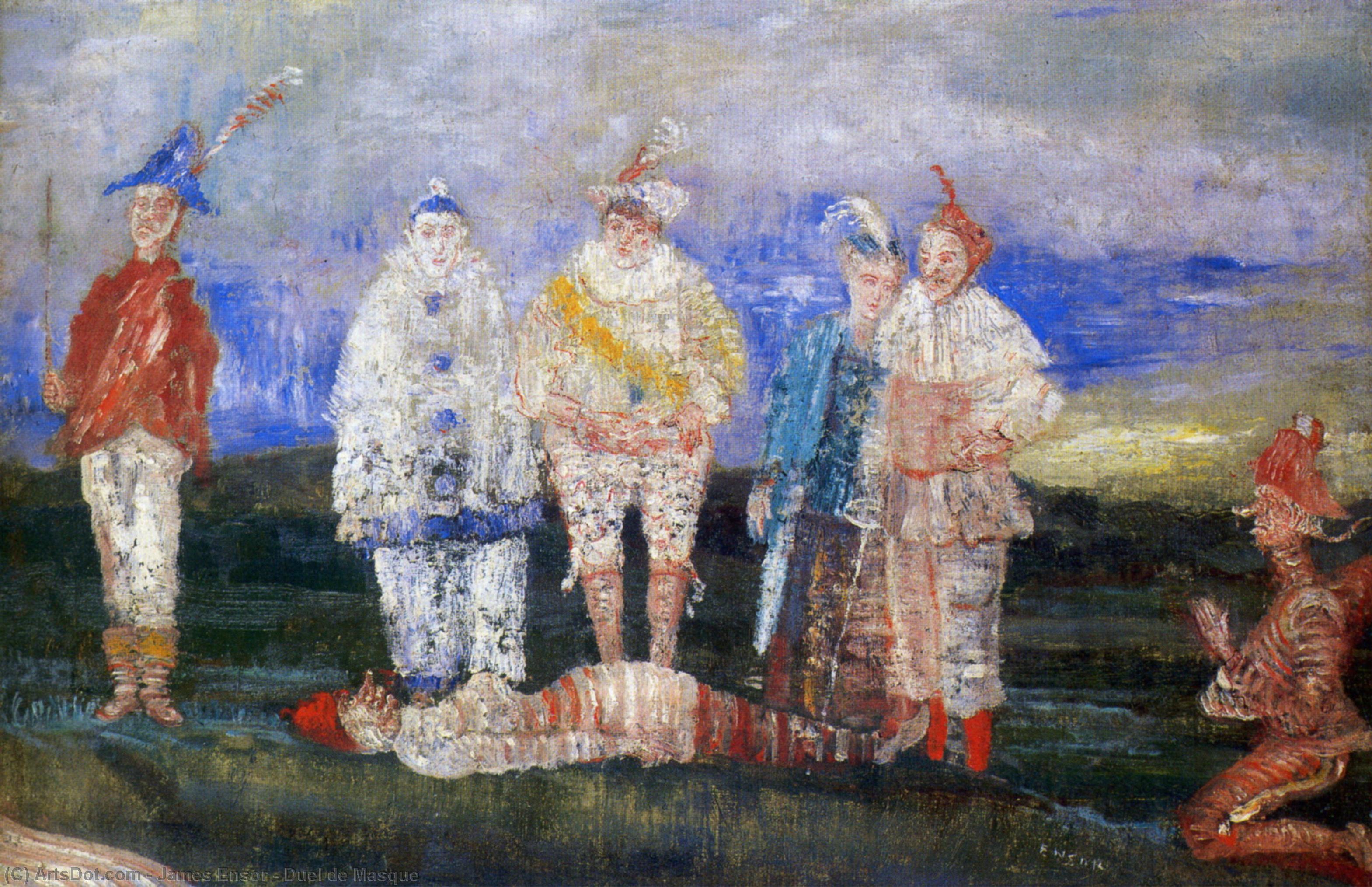
Duel de Masque


 Weiterlesen
Giclée / Kunstdruck
Giclée- oder Leinwanddruck in Museumsqualität mit schneller Produktion und flexiblen Veredelungsoptionen. ( Zur handgemalten Reproduktion wechseln Zum Bild wechseln)




P118B $10

P118H $10

P118W $10

P438Z $10

P508JH $12

P508YH $12

P805H $10

P805Z $10

P919BZ $10

P919G $10

P919XJ $10

P959ZH $10

P968JZ $12

W106C $8

W218G $10

W218JH $8

W218Y $10

W307PJ $10

W316G $10

W316PJ $8

W316Y $10

W398PJ $8

W4111J $10

W500HY $15

W500JH $15

W692G $12

W849H $8

W940BG $15

W953PJ $8




Wählen Sie aus unseren vordefinierten Formaten, die den ursprünglichen Proportionen des Kunstwerks entsprechen.

Sie können Ihre eigenen Maße eingeben, um ein bestimmtes Format oder einen speziellen Platz einzupassen. Wenn das von Ihnen gewählte Format nicht den Proportionen des Originalbildes entspricht, werden wir das Kunstwerk entweder beschneiden oder das Bild mit einem gespiegelten oder einfarbigen Rand erweitern. Ein digitaler Entwurf wird Ihnen zur Genehmigung zugesandt, bevor die Produktion beginnt.
Bitte beachten Sie, dass die Vorschau auf dem Bildschirm nicht den tatsächlichen Zuschnitt oder die Erweiterung widerspiegelt. Nur der Entwurf zeigt die endgültige Komposition präzise an.
Obwohl Sondermaße verfügbar sind, empfehlen wir die Auswahl eines Maßes aus der vordefinierten Liste, um die ursprünglichen Proportionen zu bewahren.
Weltweiter Versand () innerhalb von 2 Wochen statt der üblichen 4/5 Wochen. (10 August)

Kostenloser weltweiter Expressversand

Hochwertige Leinenleinwand

Umfassender Versicherungsschutz beim Versand

Zollgebühren-Rückerstattungsgarantie

Garantie für exakte Farbtreue

60 Tage Rückgaberecht (nur bei Mängeln)

100% Geld-zurück-Garantie

Mengenrabatt verfügbar
 Die Glasoption ist nur für Größen unter 110 cm verfügbar.

Duel de Masque
Giclée / Kunstdruck
Format der Reproduktion
-


Gesamtpreis
$ 62
Sammlerstück-Beschreibung
James Ensor’s “Duel de Masque”: A Descent into Carnival’s Shadow
James Ensor's "Duel de Masque" (c. 1890) isn’t merely a painting; it’s an immersive plunge into the unsettling heart of masquerade and social decay. This large-scale oil on canvas, largely lost to definitive documentation regarding its exact dimensions, immediately confronts the viewer with a scene brimming with theatrical excess and veiled menace. Set against a muted, almost melancholic backdrop – suggesting a bleak winter morning – it depicts a gathering of figures caught in the aftermath of a duel, their identities obscured by elaborate costumes and masks. The painting’s power lies not in dramatic action, but in its carefully constructed atmosphere of unease, hinting at hidden resentments and unspoken anxieties beneath the veneer of festive entertainment.
Ensor, born in Ostend, Belgium, to an English father and a Belgian mother, possessed a uniquely dual heritage that profoundly shaped his artistic vision. His childhood spent amidst the vibrant chaos of carnival celebrations – a world saturated with masks, puppets, and theatrical performances – became a foundational element of his oeuvre. This fascination with disguise and concealment is powerfully evident in “Duel de Masque,” where each figure embodies a carefully constructed persona, deliberately distancing themselves from genuine emotion or identity. The artist’s early exposure to this world of illusion undoubtedly fueled his exploration of the darker aspects of human nature, often presented through distorted figures and unsettling imagery.
The Language of Masks and Symbolism
The central motif of “Duel de Masque” – the mask itself – is far more than a simple decorative element. It represents a deliberate attempt to conceal, to create an artificial identity, and ultimately, to distance oneself from responsibility. Each character wears a costume that actively obscures their true nature: a Pierrot with a bloodied face, a Duc de Guise shrouded in velvet, a Domino clutching his head – all figures trapped within the confines of their chosen roles. The skeletal figure prominently displayed adds another layer of symbolic weight, representing mortality and the inevitable decay beneath the surface of social performance. The inclusion of a surgeon, dressed as a doge of Venice, suggests an attempt to mend wounds both physical and emotional, yet his efforts are futile against the pervasive sense of ruin.
Beyond the individual costumes, the painting’s composition contributes significantly to its unsettling effect. The figures are arranged in a deliberately claustrophobic space, creating a feeling of confinement and tension. The muted color palette – dominated by grays, browns, and blacks – further enhances this sense of gloom, while the stark lighting emphasizes the drama of the scene. The deliberate blurring of lines between reality and illusion—the painted backdrop, the theatrical costumes, the obscured faces—forces the viewer to question the nature of truth and deception.
Ensor’s Expressionist Roots and Lasting Influence
“Duel de Masque” is widely considered a pivotal work in James Ensor's development as an artist, foreshadowing his later explorations into Expressionism and Surrealism. While he initially struggled with the rigid conventions of the Académie Royale des Beaux-Arts in Brussels, Ensor ultimately forged his own distinctive style—characterized by bold colors, distorted figures, and a preoccupation with psychological themes. His willingness to challenge artistic norms and embrace unconventional subject matter established him as a radical innovator within the Belgian art scene.
The painting’s influence extends far beyond its immediate historical context. Ensor's exploration of masks, social satire, and the anxieties of modern life resonated with artists who would later define these movements. Reproductions of “Duel de Masque,” particularly in high-quality formats offered by ArtsDot.com, provide a powerful window into Ensor’s artistic vision—a captivating glimpse into a world where appearances are deceiving, and the masks we wear conceal profound emotional turmoil. The painting's enduring appeal lies in its ability to provoke thought and evoke a visceral response, reminding us of the complexities of human identity and the ever-present tension between appearance and reality.
Ähnliche Kunstwerke


Über den Künstler
frühes Leben und künstlerische Reise
James Sidney Edward, Baron Ensor, ein prominenter belgischer Maler und Grafiker, wurde am 13. April 1860 in Ostend, Belgien, geboren. Sein frühes Leben war von einem vielfältigen kulturellen Hintergrund geprägt, mit einem englischen Vater, James Frederic Ensor, und einer belgischen Mutter, Maria Catherina Haegheman. Ensor zeigte wenig Interesse an traditionellen akademischen Studien und verließ die Schule mit fünfzehn Jahren, um sich der Kunst zu widmen, zunächst bei lokalen Malern und später am Académie Royale des Beaux-Arts in Brüssel.Künstlerischer Stil und Themen
Ensor's künstlerischer Stil war durch seine Auseinandersetzung mit dem Unterbewusstsein und traumhaften Bildern gekennzeichnet, der die Expressionismus und Surrealismus maßgeblich beeinflusste. Seine Gemälde zeigten oft bizarre Motive, darunter Karnevale, Masken, Puppenspiel, Skelette und fantastische Allegorien. Bekannte Werke sind Die Schändlichen Masken (1883) und Skelette kämpfen um eine gehängte Person (1891), die seine einzigartige Mischung aus Groteskem und Fantasievollem zeigen.Anerkennung und Vermächtnis
Trotz anfänglicher Ablehnung gewann Ensor's Werk allmählich Anerkennung und Anklang. Bis 1920 war er das Thema bedeutender Ausstellungen; im Jahr 1929 wurde er zum Baron durch König Albert ernannt, und 1933 erhielt er die Légion d’honneur. Sein Vermächtnis als Pionier der modernen Kunst ist in seinem Einfluss auf nachfolgende künstlerische Bewegungen, einschließlich Expressionismus und Surrealismus, erkennbar.Wichtige Werke und Ausstellungen
* Die Intrige (90 x 150 cm, Koninklijk Museum voor Schone Kunsten, Antwerpen, Belgien) * Die Qualen des Heiligen Antonius (1887, heute im Besitz der Sammlung des Museum of Modern Art, New York)- Erfahren Sie mehr über das Leben und Werk von James Ensor auf ArtsDot: James Ensor
- Entdecken Sie das Museum Mu.Zee in Ostend, Belgien, das eine Sammlung belgischer Kunst von 1830 bis heute beherbergt auf ArtsDot: Entdecken Sie das Museum Mu.Zee in Ostend, Belgien
- Erfahren Sie mehr über Malerei des Symbolismus und seinen Einfluss auf Expressionismus und Surrealismus auf Wikipedia: Symbolistische Malerei

James Ensor
1860 - 1949 , Belgien
Kurzinfos
- Beeinflusste Künstler:
- Pieter Bruegel der Ältere
- Francisco Goya
- Bemerkenswerte Werke:
- Die Schmählichen Masken
- Christus in Brüssel
- Tribulationen des Heiligen Antonius
- Geburtsdatum: 1860-04-13
- Geburtsort: Ostende, Belgien
- Künstlerische Richtung: Expressionismus, Symbolismus
- Nationalität: Belgisch
- Todatum: 1949-11-19
- Vollständiger Name: James Ensor
- Von Künstlern Beeinflusst: ['']
Ähnliche Artikel

Handelsanfragen
APS bietet seit 2004 hochwertige Kunst-Reproduktionen und individuelle Auftragsarbeiten an. Unternehmen, Hotels und ausgewählte Sammler vertrauen auf uns für museumsgerechte Kunstwerke, diskreten Service und umfassende künstlerische Lösungen. Kontaktieren Sie uns für ein individuelles Angebot!

Goya: Die 25 Meisterwerke des spanischen Genies – Kunst für Ihr Zuhause | ArtsDot
Entdecken Sie die 25 Meisterwerke von Francisco Goya! Tauchen Sie ein in die düstere Romantik spanischer Malerei, Porträts & Historienbilder. Hochwertige Kunstdrucke auf ArtsDot.com – für Kunstliebhaber und stilvolles Wohnen.

James Abbott McNeill Whistler: Die 25 Meisterwerke für Ihr Zuhause | ArtsDot
Entdecken Sie die 25 Meisterwerke von James Abbott McNeill Whistler! Von den berühmten Nocturnes bis zu ikonischen Porträts – erleben Sie Ästhetizismus, Impressionismus & Tonalismus. Hochwertige Reproduktionen auf ArtsDot.com.

Über uns
Entdecken Sie unsere Geschichte! Wir bringen Weltklasse-Kunst in Ihr Leben durch fachkundige Auswahl, individuelle Kreationen und kostenlose Vorschauen. Seit dem Jahr 2000 von Privatpersonen und Unternehmen geschätzt.

Sir Alfred James Munnings: Die 25 Meisterwerke des Pferdebildes | ArtsDot
Entdecken Sie die 25 Meisterwerke von Sir Alfred James Munnings! Erleben Sie seine beeindruckenden Pferdebilder, geprägt vom Impressionismus und Realismus. Hochwertige Kunstdrucke & Reproduktionen auf ArtsDot.com – für elegante Wandkunst & stilvolles Interieurdesign.



