


 Vorschau anzeigen
 Versenden
 Teilen
 Details anzeigen
 Leitfaden

 Herunterladen
 Ähnliche Objekte
 Röntgenaufnahme
 Diashow
 Statistiken
John Birkbeck


 Weiterlesen
Handgefertigte Ölreproduktion
Handgemaltes Ölgemälde auf Leinwand in Ihrer Wunschgröße und mit Rahmen, auf Bestellung von unseren Künstlern angefertigt. ( Zum Druck wechseln Zum digitalen Bild wechseln)




P118B €10

P118H €10

P118W €10

P438Z €10

P508JH €12

P508YH €12

P805H €10

P805Z €10

P919BZ €10

P919G €10

P919XJ €10

P959ZH €10

P968JZ €12

W106C €8

W218G €10

W218JH €8

W218Y €10

W307PJ €10

W316G €10

W316PJ €8

W316Y €10

W398PJ €8

W4111J €10

W500HY €15

W500JH €15

W692G €12

W849H €8

W940BG €15

W953PJ €8




Wählen Sie aus unseren vordefinierten Formaten, die den ursprünglichen Proportionen des Kunstwerks entsprechen.

Geben Sie die Breite und die Höhe an, die Sie für Ihren Rahmen oder Ihre Wand benötigen. Da dieses Werk handgemalt ist, kann der Künstler bei einer anderen Form etwas mehr um das Bild herum malen oder etwas abschneiden – Sie entscheiden. Wir senden Ihnen ein digitales Mockup zur Freigabe, bevor mit dem Malen begonnen wird. Das auf dieser Seite gezeigte Bild stellt nicht das tatsächliche Ergebnis dar – dies tut nur das Mockup.
Nach der Bestellung wird das ArtsDot.com-Team dem Kunden Anweisungen per E-Mail zusenden und eine Mockup-Vorschau bereitstellen.
Weltweiter Versand () in nur 3 bis 4 Wochen statt der üblichen 5 Wochen. (26 Oktober). Keine Kompromisse bei der Qualität.

Kostenloser weltweiter Expressversand

Hochwertige Leinenleinwand

Umfassender Versicherungsschutz beim Versand

Zollgebühren-Rückerstattungsgarantie

Garantie für exakte Farbtreue

100 Tage Rückgaberecht (nur bei Mängeln)

100% Geld-zurück-Garantie

Mengenrabatt verfügbar
 Die Glasoption ist nur für Größen unter 110 cm verfügbar.

John Birkbeck
Art der Reproduktion
Format der Reproduktion
-


Endpreis
€ 231
A Steamboat’s Soul: James Bard's “John Birkbeck”
James Bard’s “John Birkbeck,” painted in 1854, isn’t merely a depiction of a steamboat navigating the ocean; it’s a meticulously rendered snapshot of an era – a vibrant testament to America’s burgeoning maritime industry and the spirit of innovation that defined mid-19th century life. The painting immediately draws the eye with its dynamic composition: the paddle steamer, “John Birkbeck,” dominates the scene, its powerful silhouette cutting through the choppy waves beneath a dramatic, cloud-streaked sky. Yet, it’s not just the ship itself that commands attention; it's Bard’s extraordinary ability to capture the essence of movement and atmosphere – the spray flung upwards by the vessel’s bow, the subtle shifts in light reflecting off the water, and the palpable sense of motion that permeates every brushstroke.
Bard, a largely unsung figure within American art history, dedicated his career to documenting the working waterfront. Unlike many artists of his time focused on grand landscapes or historical narratives, he chose instead to immerse himself in the gritty reality of New York’s harbor – the steamboats, the fishermen, and the bustling activity that fueled the city's growth. “John Birkbeck” exemplifies this commitment; it’s a detailed record, not of romanticized beauty, but of honest labor and technological progress. The painting speaks volumes about the era’s fascination with steam power and its transformative impact on commerce and travel.
The Painter’s Hand: Technique and Style
Examining the painting closely reveals Bard's distinctive style – a blend of realism and impressionistic techniques. He employed loose, expressive brushstrokes to convey movement and texture, particularly in depicting the water and the billowing steam from the ship’s funnels. The color palette is rich and evocative, dominated by deep blues and greens that suggest the vastness of the ocean, contrasted with the warm ochres and browns of the steamboat itself. Notice how he uses highlights to create a sense of depth and volume, particularly in capturing the reflections on the water’s surface – these aren't simply mirrored images but rather shimmering pools of light and color.
Bard’s meticulous attention to detail is equally noteworthy. He painstakingly rendered the rigging, the deckhands, and even the individual faces of those aboard the vessel, imbuing each figure with a sense of life and purpose. This level of observation suggests a deep understanding of his subject matter – he wasn't just painting a boat; he was painting a scene of human activity and industrial progress.
A Window into the Past: Historical Context
“John Birkbeck” was created during a period of immense transformation in America. The rise of steam-powered transportation revolutionized trade, connecting distant communities and fueling economic growth. Steamboats like “John Birkbeck” became vital arteries of commerce, carrying passengers and goods across vast distances. Bard’s painting captures this pivotal moment in American history – a time of rapid industrialization, technological innovation, and expanding horizons.
The painting's provenance offers further insight into its significance. Originally owned by the Mariners’ Museum in Newport News, Virginia, it reflects the growing interest in preserving maritime heritage during the late 19th and early 20th centuries. The fact that it was later gifted to the National Gallery of Art underscores its recognition as a valuable historical artifact.
Symbolism and Emotional Resonance
Beyond its technical merits, “John Birkbeck” resonates with a powerful sense of optimism and progress. The steamboat represents not just transportation but also ambition, innovation, and the relentless pursuit of new frontiers. The vastness of the ocean symbolizes both opportunity and challenge – a reminder that America’s future lay beyond the familiar shores of its past.
There's an underlying current of melancholy too, perhaps reflecting the displacement and disruption caused by industrialization. Yet, Bard doesn’t dwell on this aspect; instead, he presents a vision of progress tempered with a quiet appreciation for the beauty and power of nature. “John Birkbeck” is more than just a painting; it's a poignant reflection on America’s journey – a testament to its spirit of adventure and its enduring connection to the sea.
Fragen & Antworten
Welches Format hat "John Birkbeck"?
"John Birkbeck" von James Bard ist eine Komposition im Panoramic-Format. Die Proportionen sollten vor der Wahl der Druckgröße überprüft werden.
Wer hat "John Birkbeck" geschaffen?
"John Birkbeck" wird James Bard zugeschrieben.
In welcher Technik wurde "John Birkbeck" von James Bard ausgeführt?
James Bard verwendete die Technik der Oil On Canvas für „John Birkbeck“. Die Technik bestimmt die materielle Beschaffenheit des Originalwerks.
Ähnliche Kunstwerke


Künstlerbiografie
James Bard: Chronist der New Yorker Schifffahrtsära
James Bard (1815-1897) war ein amerikanischer Marinekünstler des 19. Jahrhunderts, geboren und ansässig in New York City. Obwohl er nicht zu den bekanntesten Künstlern gehört, besitzt seine Arbeit eine bedeutende historische Relevanz als Dokumentar der geschäftigen Schifffahrtsaktivität, die New Yorks Landschaft während seiner Lebzeit prägte. Seine detaillierten Gemälde bieten wertvolle Einblicke in Dampfschiffe, Segelschiffe und Hafenszenen, die diese Ära kennzeichneten.
Frühes Leben und künstlerische Entwicklung
Details über Bards frühes Leben sind spärlich. Er wurde 1815 in New York City geboren. Seine künstlerische Ausbildung ist nicht gut dokumentiert; sein Stil deutet jedoch auf eine gewisse Selbstentdeckungsfähigkeit hin, die durch Beobachtung und Übung ergänzt wird. Seine Arbeit weist eine "naive" Qualität auf – gekennzeichnet durch unkomplizierte Darstellungen ohne ausgefeilte Schattierungen oder Perspektiven – aber auch bemerkenswerte Genauigkeit bei der Darstellung von Schiffen und Hafenumgebungen. Er scheint sich während seiner gesamten Karriere fast ausschließlich auf marine Themen konzentriert zu haben.
Themen und künstlerischer Stil
Bards Œuvre besteht hauptsächlich aus Gemälden, die Dampfschiffe, Segelschiffe, Fähren und andere Wasserfahrzeuge darstellen, die durch New Yorks Gewässer navigieren. Er malte häufig bestimmte Schiffe im Auftrag und schuf so ein visuelles Archiv der kommerziellen Flotte der Stadt. Sein Stil ist gekennzeichnet durch:
- Detaillierte Darstellung: Bard stellte Details wie Takelage, Rumpfkonstruktionen und Flaggen sorgfältig dar und lieferte wertvolle historische Informationen über diese Schiffe.
- Naive Perspektive: Seine Kompositionen verzichten oft auf ausgefeilte Perspektivtechniken, was seinen Arbeiten eine charmant unkomplizierte Qualität verleiht.
- Betonung der Dokumentation: Anstatt dramatische oder romantische Effekte anzustreben, priorisierte Bard die genaue Erfassung des Aussehens von Schiffen und Hafenszenen. Dies macht seine Gemälde zu wichtigen historischen Aufzeichnungen.
Wichtige Werke und historische Bedeutung
Obwohl viele von Bards Werken sich in Privatbesitz befinden, veranschaulichen mehrere bemerkenswerte Stücke sein Können und seine Bedeutung:
- "Commodore" (1857): Eine eindrucksvolle Darstellung eines Dampfschiffs, die seine Fähigkeit zeigt, die Erhabenheit dieser Schiffe einzufangen.
- Gemälde bestimmter Schiffe: Bard schuf zahlreiche Porträts einzelner Schiffe, darunter "James A. Stevens" und "James W. Baldwin", die als visuelle Aufzeichnungen für maritime Historiker dienen.
- "Sylvan Shore": Dieses Gemälde veranschaulicht seinen Fokus auf die Dokumentation des Transports und der Landschaften Amerikas im 19. Jahrhundert.
Bards Werk ist historisch bedeutsam, weil es eine einzigartige visuelle Aufzeichnung der Schifffahrtsgeschichte New Yorks während einer Zeit schnellen technologischen Fortschritts und Wirtschaftswachstums bietet. Seine Gemälde geben Einblicke in Schiffbaupraktiken, Reedereien und den Alltag von Seeleuten und Passagieren auf diesen Schiffen. Obwohl sein Stil nicht als "Hochkunst" gilt, liegt Bards Beitrag in seiner sorgfältigen Dokumentation eines wichtigen Aspekts der amerikanischen Geschichte.
Vermächtnis
Bards Vermächtnis beruht hauptsächlich auf dem historischen Wert seiner Gemälde. Er wird zunehmend von maritimen Historikern und Sammlern für die Bereitstellung einer unschätzbaren visuellen Aufzeichnung der New Yorker Waterfront im 19. Jahrhundert anerkannt. Seine Arbeit bietet einen Einblick in eine vergangene Ära und fängt den Geist der Innovation und des Handels ein, der die maritime Identität der Stadt definierte.

James Bard
1815 - 1897 , Vereinigte Staaten von Amerika
Kurzinfos
- Artistic Movement Or Style: Marinekunst, Naive Stil
- Date Of Birth: 1815
- Date Of Death: 1897
- Full Name: James Bard
- Nationality: Amerikanisch
- Notable Artworks:
- James A. Stevens
- James W. Baldwin
- Sylvan Shore
- Commodore
- Place Of Birth (City And Country): New York City, USA
Ähnliche Artikel

James Bard: Navigating Light & Landscape in American Impressionism
Explore the captivating world of James Bard (1815-1897), a meticulous chronicler of 19th-century American maritime life. Discover his detailed steamboat paintings and lasting legacy within the American Impressionism movement.

Romantische Landschaften: Die 10 Meisterwerke, die eine Epoche prägten | ArtsDot
Entdecken Sie die 10 Meisterwerke der Romantischen Landschaftsmalerei! Von Caspar David Friedrich bis Turner – erleben Sie die Kunst, Emotion & Natur. Hochwertige Reproduktionen auf ArtsDot.com
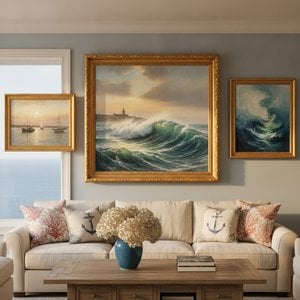
Bring the Ocean Home: Captivating Maritime Paintings to Transform Your Space with Timeless Elegance
Transform your home with breathtaking maritime oil paintings. From serene seascapes to dramatic nautical scenes, discover hand-painted reproductions that bring the ocean's soul to your space. Expertly crafted for collectors seeking timeless elegance and coastal tranquility.

Evocations of Place: A Historical Journey Through Landscape Art
Explore the rich history of landscape art with ArtsDot. Discover renowned artists, movements like Impressionism & Romanticism, and expert guidance for collecting timeless pieces. Find your perfect serene escape today!

John Constable: Die 25 Meisterwerke des englischen Landschaftsgenies – ArtsDot
Entdecken Sie die 25 Meisterwerke von John Constable! Erleben Sie englische Landschaftsmalerei vom Hay Wain bis zur Stour Valley. Hochwertige Reproduktionen & Kunst für Ihr Zuhause auf ArtsDot.com.
