


 Vorschau anzeigen
 Versenden
 Teilen
 Details anzeigen

 Herunterladen
 Ähnliche Objekte
 Röntgenaufnahme
 Diashow
Visitation 2

 Weiterlesen
Handgefertigte Ölreproduktion
Handgemaltes Ölgemälde auf Leinwand in Ihrer Wunschgröße und mit Rahmen, auf Bestellung von unseren Künstlern angefertigt. ( Druck bestellen Bild kaufen)




































Wählen Sie aus unseren vordefinierten Formaten, die den ursprünglichen Proportionen des Kunstwerks entsprechen.

Sie können Ihre eigenen Maße eingeben, um einen bestimmten Rahmen oder Platz auszufüllen. Wenn die gewählte Größe nicht den Proportionen des Originalbildes entspricht, werden wir das Kunstwerk entweder beschneiden oder das Gemälde durch zusätzliche, handgemalte Elemente erweitern. Ein digitales Mockup wird Ihnen zur Genehmigung zugesandt, bevor die Produktion beginnt.
Bitte beachten Sie, dass die Bildschirmvorschau nicht die tatsächliche Beschneidung oder Erweiterung widerspiegelt. Nur das Mockup zeigt die endgültige Komposition exakt an.
Obwohl Sondermaße verfügbar sind, empfehlen wir, eine Größe aus der vordefinierten Liste zu wählen, um die ursprünglichen Proportionen beizubehalten.
Nach der Bestellung wird das ArtsDot.com-Team dem Kunden Anweisungen per E-Mail zusenden und eine Mockup-Vorschau bereitstellen.
Weltweiter Versand () in nur 3 bis 4 Wochen statt der üblichen 5 Wochen. (28 August). Keine Kompromisse bei der Qualität.

Kostenloser weltweiter Expressversand

Hochwertige Leinenleinwand

Umfassender Versicherungsschutz beim Versand

Zollgebühren-Rückerstattungsgarantie

Garantie für exakte Farbtreue

60 Tage Rückgaberecht (nur bei Mängeln)

100% Geld-zurück-Garantie

Mengenrabatt verfügbar
 Die Glasoption ist nur für Größen unter 110 cm verfügbar.

Visitation 2
Art der Reproduktion
Format der Reproduktion
-


Gesamtpreis
$ 313
Ähnliche Kunstwerke


Über den Künstler
Der melancholische Visionär: Das Leben und Vermächtnis von Jacopo Pontormo
Jacopo Carucci, der der Geschichte unter dem ausdrucksstarken Beinamen Pontormo bekannt wurde, war ein Künstler, dessen Pinsel das eigentliche Wesen des Übergangs einfing. Geboren um 1494 in dem kleinen toskanischen Dorf Pontorme, war sein frühes Leben von einem tiefen Gefühl der Einsamkeit und Melancholie geprägt – Qualitäten, die seinen Leinwänden später eine unvergleichliche psychologische Tiefe verleihen sollten. Als junger Lehrling in Florenz bewegte er sich durch eine Welt sich wandelnder künstlerischer Paradigmen und trat schließlich als zentrale Figur der florentinischen Manierismus-Bewegung hervor. Im Gegensatz zu den Meistern der Hochrenaissance, die Perfektion durch Gleichgewicht und mathematische Harmonie suchten, blickte Pontormo nach innen, um die turbulenten, oft beunruhigenden Komplexitäten der menschlichen Seele zum Ausdruck zu bringen. Seine prägenden Jahre wurden im Schatten von Giganten geformt. Unter der Anleitung von Domenico del Pollaiuolo und dem monumentalen Einfluss von Michelangelo Buonarroti meisterte er die anatomische Präzision, die von einem Renaissance-Meister verlangt wurde, doch er besaß den unbändigen Drang, eben jene Realität für eine emotionale Wirkung zu verzerren. Er schöpfte Inspiration nicht nur aus der skulpturalen Wucht Michelangelos, sondern auch aus den komplizierten, emotionalen Stichen von Albrecht Dürer. Diese einzigartige Synthese aus italienischer Form und nordeuropäischem, expressivem Detail ermöglichte es ihm, einen Stil zu pionieren, in dem die Figuren ihre Verbindung zur Schwerkraft zu verlieren schienen und durch ambivalente, traumähnliche Räume drifteten.Die Architektur des Manierismus: Stil und Innovation
Ein Gemälde von Pontormo zu betrachten bedeutet, in eine Welt einzutreten, in der die vertrauten Gesetze der Physik und Perspektive außer Kraft gesetzt sind. Sein Werk stellt eine bewusste Abkehr von der heiteren, perspektivischen Regelmäßigkeit seiner Vorgänger dar. In Meisterwerken wie seiner "Visitation" oder der eindringlichen "Grablegung" beobachtet man die Merkmale seiner revolutionären manieristischen Ästhetik: gelängte Gliedmaßen, verschlungene und unnatürliche Posen sowie eine Palette aus leuchtenden, fast säurehaltigen Farben, die mit einem jenseitigen Licht kontrastieren und schimmern. Er ersetzte die stabilen, dreieckigen Kompositionen der Renaissance durch wirbelnde, überfüllte Arrangements, die ein Gefühl von rastloser Energie und spiritueller Unruhe hervorrufen. Die technische Brillanz Pontormos lag in seiner Fähigkeit, Farbe und Form als psychologische Werkzeuge einzusetzen. Seine Figuren scheinen oft in unsicheren Umgebungen zu schweben, ungehindert von Gewicht, was ein Gefühl tiefer Instabilität erzeugt. Dies war keine bloße Künstlichkeit; es war der bewusste Versuch, die spirituellen Ängste einer Ära zu vermitteln, die zwischen den Gewissheiten der Renaissance und dem aufkommenden Drama des Barock gefangen war. Ob durch das dramatische Licht in seinem "Abendmahl in Emmaus" oder die karge, emotionale Intensität seiner Christusstudien – Pontormo nutzte jeden Pinselstrich, um Themen wie Trauer, Hingabe und das Göttliche zu erforschen.Ein bleibender Eindruck auf die Kunstgeschichte
Die historische Bedeutung von Jacopo Pontormo kann nicht hoch genug eingeschätzt werden. Er diente als lebenswichtige Brücke, die die klassischen Ideale des 15. Jahrhunderts in die expressive, theatralische Sprache übersetzte, welche einen Großteil der Kunst des 16. Jahrhunderts definieren sollte. Sein Einfluss hallte durch die florentinische Schule wider, prägte die Werke von Nachfolgern wie Bronzino und stellte sicher, dass das Spannungsfeld zwischen Schönheit und Künstlichkeit ein zentraler Dialog in der europäischen Malerei blieb. Sein Œuvre bleibt ein Zeugnis für die Macht der individuellen Vision gegenüber der Tradition. Durch seine Porträts, wie etwa den majestätischen "Cosimo I. de' Medici", und seine tief symbolischen religiösen Werke demonstrierte er, dass Kunst mehr als nur ein Spiegel der Realität sein konnte; sie konnte ein Fenster zum Unterbewusstsein sein. Obwohl sein Leben oft von persönlichem Leid überschattet wurde, ziehen die Brillanz seiner Farben und die Komplexität seiner Kompositionen den Betrachter bis heute in ihren Bann und laden dazu ein, sich in der wunderschönen, verzerrten und zutiefst menschlichen Welt des florentinischen Meisters zu verlieren.
Jacopo Pontormo
1494 - 1557 , Italien
Kurzinfos
- Artistic Movement Or Style: Mannerismus
- Artists Or Movements Influenced By This Artist: ['Michelangelo']
- Artists Who Influenced This Artist:
- Leonardo da Vinci
- Andrea del Sarto
- Date Of Birth: 1494
- Full Name: Jacopo Pontormo
- Nationality: Italienisch
- Notable Artworks:
- Visitation
- Deposition
- Place Of Birth: Pontorme, Italien
Ähnliche Artikel

Jacopo Tintoretto: Die 25 Meisterwerke des venezianischen Dramatikers | ArtsDot
Entdecken Sie die 25 Meisterwerke von Jacopo Tintoretto! Tauchen Sie ein in die dramatische Welt der venezianischen Renaissance. Hochwertige Kunst-Reproduktionen & Inspiration für Ihr Zuhause – jetzt auf ArtsDot.com.

The Nuances of Graphite: Exploring Emotional Depth & Technical Mastery in Pencil Drawing
Explore the captivating world of graphite drawing! Discover its rich history, master essential techniques like chiaroscuro, and learn how artists evoke emotion through this timeless medium. Expert insights for art enthusiasts.

The Alchemy of Graphite: An Expert Guide to Mastering Detail and Depth in Pencil Sketching
Unlock the secrets of graphite sketching with our expert guide for art students. Learn to master pencil grades, create realistic depth, and capture intricate textures through professional techniques designed to elevate your observational drawing skills.

Jacopo Pontormo: Manierismus zwischen Renaissance und Emotion – Eine Neubewertung
Entdecken Sie Jacopo Pontormos revolutionäre Kunst! Unsere Expertenanalyse beleuchtet den Manierismus, seine Schlüsselwerke und Vasaris Einfluss – fundiert & verständlich.
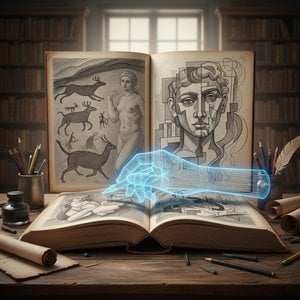
The Enduring Power of Line: Exploring Themes & Techniques in Drawing Across Art History
Explore the rich history of drawing! Discover key techniques like linear perspective & iconic artists from the Renaissance to modern times. Enhance your art appreciation with ArtsDot.



