


 In echtem Maßstab anzeigen
 Versenden als Grußkarte
 Teilen
 Details anzeigen
 Leitfaden öffnen

 Herunterladen
 Ähnliche Objekte
 Röntgenaufnahme
 Diashow
 Besucherstatistiken
Hände I
 Lithografie
- Wandkunst
- Neo-Romanticism
 1973
1973 24.0 x 22.0 cm
 Tate Britain
 Mehr anzeigen
Die auf dieser Seite dargestellten Kunstwerke sind urheberrechtlich geschützt, was bedeutet, dass wir keine identische Reproduktion rechtmäßig erstellen oder verkaufen dürfen. Dieser Schutz wird durch internationale Abkommen wie die Berner Übereinkunft und durch nationale Gesetze, einschließlich derer, die von den ... festgelegt wurden US-Urheberrecht – Titel 17.
Diese Methode entspricht vollumfänglich den Urheberrechtsbestimmungen, da sie keine Kopie oder Vervielfältigung des geschützten Kunstwerks darstellt. Stattdessen handelt es sich um eine kreative Neuinterpretation – ein neues Gemälde, das vom Original inspiriert, aber nicht identisch mit ihm ist.
Giclée / Kunstdruck
Giclée- oder Leinwanddruck in Museumsqualität mit schneller Produktion und flexiblen Veredelungsoptionen. ( Handgemalte Reproduktion kaufen Zum digitalen Bild wechseln)




P118B €10

P118H €10

P118W €10

P438Z €10

P508JH €12

P508YH €12

P805H €10

P805Z €10

P919BZ €10

P919G €10

P919XJ €10

P959ZH €10

P968JZ €12

W106C €8

W218G €10

W218JH €8

W218Y €10

W307PJ €10

W316G €10

W316PJ €8

W316Y €10

W398PJ €8

W4111J €10

W500HY €15

W500JH €15

W692G €12

W849H €8

W940BG €15

W953PJ €8




Wählen Sie aus unseren vordefinierten Formaten, die den ursprünglichen Proportionen des Kunstwerks entsprechen.

Geben Sie die Breite und die Höhe an, die Sie benötigen, damit der Druck perfekt in Ihren Rahmen oder an Ihre Wand passt. Ein Druck kann nur beschnitten werden und niemals größer als das Originalbild gemacht werden; daher verliert ein Format mit einer anderen Proportion einen Teil des Bildes. Wir senden Ihnen ein digitales Mockup zur Freigabe, bevor wir den Druck ausführen. Das auf dieser Seite gezeigte Bild zeigt nicht den tatsächlichen Beschnitt – dies ist nur im Mockup ersichtlich.
Weltweiter Versand () innerhalb von 2 Wochen statt der üblichen 4/5 Wochen. (20 Oktober)

Kostenloser weltweiter Expressversand

Hochwertige Leinenleinwand

Vollständiger Versicherungsschutz beim Versand

Zollgebühren-Rückerstattungsgarantie

Garantie für exakte Farbtreue

100-tägiges Rückgaberecht (nur bei Mängeln)

100% Geld-zurück-Garantie

Angebot für Mengenrabatt
 Die Glasoption ist nur für Größen unter 110 cm verfügbar.

Hände I
Giclée / Kunstdruck
Format der Reproduktion
-


Gesamtpreis
€ 54
Henry Moore’s ‘Hands I’: A Silent Dialogue of Connection
Henry Moore's lithograph 'Hands I', created in 1973, is far more than a simple depiction of two hands clasped together. It’s a profoundly intimate meditation on human connection, vulnerability, and the enduring power of touch – a theme that resonates deeply within Moore’s entire oeuvre. Born in Yorkshire during a period of significant social upheaval, Moore's work consistently explored the relationship between the individual and their environment, often focusing on the female form as a symbol of both strength and fragility. This particular image, rendered in stark black and white, strips away any superfluous detail, leaving us with an almost unbearably direct portrayal of two hands reaching out to one another.
The lithograph’s technical execution is deceptively simple. Moore masterfully utilizes the limitations of the medium – the smooth, velvety texture of the stone, the precise lines of the etching – to create a sense of palpable warmth and immediacy. The hands are not idealized; they possess a certain roughness, a slight imperfection that imbues them with a remarkable sense of realism and humanity. The positioning is crucial: the fingers intertwined suggest a gentle embrace, a silent exchange of reassurance. It’s a gesture both familiar and deeply moving, evoking memories of comfort, support, and shared experience.
Exploring Moore's Artistic Journey
To fully appreciate ‘Hands I’, it’s essential to understand Henry Moore’s broader artistic trajectory. Initially drawn to sculpture, he moved into drawing and printmaking later in his career, finding new ways to explore the same fundamental concerns – form, space, and human emotion. His early work was heavily influenced by Primitivism and African masks, which instilled in him a fascination with simplified forms and powerful symbolism. As he matured, Moore’s style evolved, becoming increasingly abstract while retaining a deep sensitivity to the natural world. The Yorkshire landscape, with its rolling hills and dramatic light, remained a constant source of inspiration throughout his life.
Moore's journey from humble beginnings in Castleford to international acclaim is itself a remarkable story. His father, a self-taught man who valued education above all else, steered him away from the family’s traditional mining occupation and towards formal artistic training. This early emphasis on learning shaped Moore’s lifelong dedication to his craft and fueled his relentless pursuit of artistic innovation. His later years were marked by significant commissions, including monumental sculptures for public spaces around the world – works that continue to captivate viewers with their scale and emotional resonance.
Symbolism and Emotional Resonance
The symbolism within ‘Hands I’ is subtle yet profound. The act of holding hands represents a fundamental human need: connection, empathy, and mutual support. In a world often characterized by isolation and division, this simple gesture speaks volumes about the importance of human relationships. Moore frequently explored themes of vulnerability and resilience in his work, suggesting that even in the face of adversity, there is always room for compassion and understanding.
Furthermore, the monochrome palette – the stark contrast between black and white – amplifies the emotional impact of the image. It removes any distractions, focusing our attention entirely on the hands themselves and their silent dialogue. The lack of color evokes a sense of timelessness, suggesting that this fundamental human need for connection transcends cultural boundaries and historical periods. The image invites contemplation, prompting us to reflect on our own relationships and the ways in which we connect with others.
A Timeless Masterpiece for Reproduction
ArtsDot offers meticulously crafted hand-painted reproductions of ‘Hands I’ that capture the essence of Moore's original lithograph. Our skilled artists faithfully recreate the subtle nuances of texture, line, and tone, ensuring that your reproduction is a faithful representation of this iconic work. Whether you are an art collector, interior designer, or simply someone who appreciates beautiful art, our reproductions provide a stunning way to bring Moore’s powerful vision into your home or office.
Consider the impact of ‘Hands I’ in your space – its ability to evoke feelings of warmth, connection, and quiet contemplation. It's a piece that speaks to the enduring human need for intimacy and belonging, a timeless reminder of the power of touch and the beauty of simple gestures.
Fragen & Antworten
Woher kommen die Besucher von "Hände I" von Henry Moore?
Die Seite Statistiken von "Hände I" von Henry Moore präsentiert öffentliche Besucherstatistiken: die monatlichen Aufrufe dieses Kunstwerks, einen Vergleich mit den meistbesuchten Werken des Künstlers sowie die Herkunft der Besucher.
Welche Technik und welche Größe hat das Original von "Hände I" von Henry Moore?
Das Originalwerk "Hände I" von Henry Moore ist ein Lithografie mit den Maßen 24 x 22 cm. Technik und Größe beziehen sich auf das Originalobjekt.
Welche Farben dominieren "Hände I" von Henry Moore?
"Hände I" zeichnet sich durch eine Neutrale Töne-Palette aus, die von Reinweiß (#f7eee5) dominiert wird.
Ähnliche Kunstwerke


Biografie des Künstlers
Frühes Leben und Ausbildung
Moore wurde in Castleford, West Riding von Yorkshire, England, als Sohn von Mary Baker und Raymond Spencer Moore geboren. Sein Vater, ein Autodidakt mit einer Leidenschaft für Musik und Literatur, ermutigte seine Söhne zu formaler Bildung. Henry Moore besuchte die Grund- und Elementarschule in Castleford, wo er begann, Ton zu modellieren und Holz zu schnitzen.Künstlerische Entwicklung und Stil
- Moores früheste dokumentierten Schnitzereien, wie die Plakette für die Scott Society an der Castleford Secondary School, stammen aus seiner frühen Jugend.
- Er übernahm später die Methode des direkten Schnitzens, die zu einem Kennzeichen seines Stils wurde, wie in Werken wie Die Jungfrau mit dem Kind zu sehen ist.
- Moores Formen sind meist Abstraktionen der menschlichen Figur, typischerweise Darstellungen von Mutter-Kind-Motiven oder liegenden Figuren. Viele Interpreten vergleichen die wellenförmige Form seiner liegenden Figuren mit der Landschaft und den Hügeln seines Geburtsortes Yorkshire.
Wichtige Werke und Vermächtnis
- Moores semiabstrakte, monumentale Bronzeskulpturen befinden sich auf der ganzen Welt als Kunstwerke im öffentlichen Raum und zeugen von seinem außergewöhnlichen Können und seinem Beitrag zur modernen britischen Bildhauerei.
- Seine Fähigkeit, Großaufträge zu erfüllen, machte ihn außergewöhnlich wohlhabend, doch er lebte sparsam, wobei ein Großteil seines Einkommens der Dotierung der Henry Moore Foundation diente, die weiterhin Bildung und Förderung der Künste unterstützt.
- Moores Werke sind in verschiedenen Museen zu finden, darunter die Ingram Collection of Modern British and Contemporary Art, die eine beeindruckende Auswahl moderner und zeitgenössischer Kunst aus Großbritannien und darüber hinaus zeigt.
Einflüsse und Bedeutung
Moore wurde von der Kunst verschiedener Kulturen beeinflusst, insbesondere von mexikanischen Skulpturen, die er während einer Reise in den 1930er Jahren sah. Diese Begegnungen trugen zu seiner Entwicklung hin zu vereinfachten, abstrakten Formen bei. Seine Arbeit war wegweisend für die moderne britische Bildhauerei und etablierte ihn als einen der wichtigsten Künstler des 20. Jahrhunderts. Er revolutionierte das Verständnis von Form, Raum und Balance in der Skulptur und beeinflusste Generationen nachfolgender Künstler.
Henry Moore
1898 - 1986 , Vereinigtes Königreich
Eckdaten zum Künstler
- Bemerkenswerte Werke:
- Spitzes Torso
- Messerkante Spiegel Zwei Teile
- Schlafendes Haupt - Gutenachtlied
- Aufrechte Motive, Modell Nr. 1
- Geburtsdatum: 1898
- Geburtsort: Castleford, Vereinigtes Königreich
- Künstlerische Richtung: Abstrakte Skulptur
- Nationalität: Britisch
- Sterbedatum: 1986
- Vollständiger Name: Henry Moore
Verwandte Artikel

Henri Matisse: Die 25 Meisterwerke des Farbgenies – Kunst für Ihr Zuhause | ArtsDot
Entdecken Sie die 25 Meisterwerke von Henri Matisse! Tauchen Sie ein in die Welt des Fauvismus, der leuchtenden Farben und ikonischen Formen. Kunstreproduktionen & Inspiration für Ihr Zuhause – exklusiv auf ArtsDot.com.

Die Top 10 berühmter Gemälde im Reich der dunklen Töne |
Entdecken Sie die Top 10 berühmter Gemälde, beherrscht von dunklen Tönen! Von Caravaggio bis Manet – erfahren Sie die Geschichten hinter Meisterwerken der Kunstgeschichte. Finden Sie Ihre perfekte Reproduktion auf .
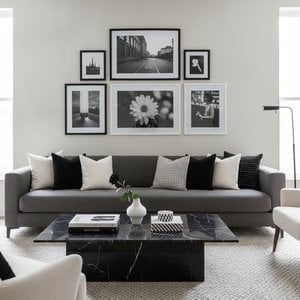
Timeless & Chic: Elevating Your New Home with the Sophistication of Black and White Photography
Transform your new home with the timeless allure of black and white photography. ArtsDot.com specializes in elegant monochrome decor and custom hand-painted wedding portraits that turn cherished milestones into lasting, soulful masterpieces. Elevate your space with ease.

Henry Moore: Formgebung der Moderne – Gestalt, Emotion und die menschliche Existenz
Entdecken Sie das Werk von Henry Moore – Pionier der modernen Skulptur! Analysen zu seiner Bildsprache, Einflüssen und bleibendem Einfluss. Expertenwissen & Inspiration auf ArtsDot.

Weiße Meisterwerke: Die Top 10 berühmtesten Gemälde und ihre zeitlose Eleganz
Entdecken Sie die Top 10 berühmter Gemälde, dominiert von Weiß! Von Malewitsch bis Rothko – erfahren Sie Geschichten hinter ikonischen Kunstwerke und lassen Sie sich für Ihre Wohnraumgestaltung inspirieren. Kunstreproduktionen in Museumsqualiät auf


