


 In echtem Maßstab anzeigen
 Versenden als Grußkarte
 Teilen
 Details anzeigen
 Leitfaden öffnen

 Herunterladen
 Ähnliche Objekte
 Röntgenaufnahme
 Diashow
 Besucherstatistiken
Nu au miroir

 Mehr anzeigen
Handgefertigte Ölreproduktion
Handgemaltes Ölgemälde auf Leinwand in Ihrer Wunschgröße und mit Rahmen, auf Bestellung von unseren Künstlern angefertigt. ( Zum Druck wechseln Zum digitalen Bild wechseln)




































Wählen Sie aus unseren vordefinierten Formaten, die den ursprünglichen Proportionen des Kunstwerks entsprechen.

Sie können Ihre eigenen Maße eingeben, um einen bestimmten Rahmen oder Platz auszufüllen. Wenn die gewählte Größe nicht den Proportionen des Originalbildes entspricht, werden wir das Kunstwerk entweder beschneiden oder das Gemälde durch zusätzliche, handgemalte Elemente erweitern. Ein digitales Mockup wird Ihnen zur Genehmigung zugesandt, bevor die Produktion beginnt.
Bitte beachten Sie, dass die Bildschirmvorschau nicht die tatsächliche Beschneidung oder Erweiterung widerspiegelt. Nur das Mockup zeigt die endgültige Komposition exakt an.
Obwohl Sondermaße verfügbar sind, empfehlen wir, eine Größe aus der vordefinierten Liste zu wählen, um die ursprünglichen Proportionen beizubehalten.
Nach der Bestellung wird das ArtsDot.com-Team dem Kunden Anweisungen per E-Mail zusenden und eine Mockup-Vorschau bereitstellen.
Weltweiter Versand () in nur 3 bis 4 Wochen statt der üblichen 5 Wochen. (25 September). Keine Kompromisse bei der Qualität.

Kostenloser weltweiter Expressversand

Hochwertige Leinenleinwand

Vollständiger Versicherungsschutz beim Versand

Zollgebühren-Rückerstattungsgarantie

Garantie für exakte Farbtreue

100-tägiges Rückgaberecht (nur bei Mängeln)

100% Geld-zurück-Garantie

Angebot für Mengenrabatt
 Die Glasoption ist nur für Größen unter 110 cm verfügbar.

Nu au miroir
Reproduktionsmedium
Format der Reproduktion
-


Gesamtpreis
$ 263
Ähnliche Kunstwerke


Biografie des Künstlers
Henry Caro-Delvaille: A Parisian Painter of the Belle Époque
Henry Caro-Delvaille (1876-1928) emerges from the vibrant artistic landscape of early 20th-century Paris, a period defined by both opulent social life and burgeoning modernism. His work offers a captivating glimpse into this era, particularly through his evocative portrayals of Parisian society, intimate domestic scenes, and striking portraits. Born in Bayonne, Spain, to a family with strong ties to France, Caro-Delvaille’s early exposure to both cultures profoundly shaped his artistic sensibilities – a blend of Iberian warmth and French elegance that would become a hallmark of his style.
His formal training began at the Bayonne School of Fine Arts in 1895, followed by studies at the prestigious École des Beaux-Arts in Paris under Léon Bonnat. This rigorous academic foundation provided him with essential technical skills, but it was Caro-Delvaille’s independent spirit and keen observation that truly distinguished his work. He quickly gained recognition within Parisian artistic circles, exhibiting at the Salon de la Société des Artistes Français as early as 1899, a significant step towards establishing himself as a professional artist.
A Life Shaped by Patronage and Travel
Caro-Delvaille’s career unfolded against a backdrop of shifting artistic trends. Initially influenced by the academic style of Bonnat, he gradually embraced elements of Impressionism and Post-Impressionism, incorporating looser brushwork and a greater emphasis on capturing fleeting moments of light and atmosphere. However, his work never fully aligned with any single movement, retaining a unique character rooted in his personal vision.
A pivotal moment in his career came through commissions from prominent figures like Edmond Rostand, the celebrated playwright of *Cyrano de Bergerac*. Rostand’s villa in Cambo became a hub for artistic activity, and Caro-Delvaille's decorative panels and portraits contributed to its sophisticated ambiance. This patronage opened doors to further opportunities and exposed him to a wider audience.
In 1913, he embarked on an extended sojourn in the United States, settling in New York City. This transatlantic experience profoundly impacted his artistic style, leading him towards a more streamlined, Art Deco aesthetic – characterized by geometric forms, bold colors, and a focus on modern urban life. He continued to paint portraits and landscapes, capturing the energy of American society during this transformative period.
Themes and Artistic Style
Caro-Delvaille’s paintings frequently depict scenes of Parisian social life—elegant gatherings, intimate moments in private homes, and glimpses into the lives of fashionable women. His compositions are often imbued with a sense of leisure and sophistication, reflecting the spirit of the Belle Époque. He skillfully captured the nuances of light and color, creating luminous effects that evoke both atmosphere and emotion.
His portraits are particularly noteworthy for their psychological depth and subtle expressions. He possessed a remarkable ability to capture not only physical likeness but also the inner character of his subjects. His use of muted tones and delicate brushwork contributes to an air of intimacy and quiet contemplation. Notable works like “Sur la terrasse, Biarritz” exemplify this style, offering a serene tableau of women enjoying the coastal scenery.
A recurring motif in his oeuvre is the depiction of interiors—drawing rooms filled with luxurious furnishings, salons bathed in soft light, and glimpses into private lives. These scenes are often imbued with a sense of nostalgia for a bygone era, evoking a romanticized vision of Parisian elegance.
Legacy and Recognition
Despite not achieving widespread fame during his lifetime, Henry Caro-Delvaille’s work has gained increasing recognition in recent decades. His paintings offer a valuable window into the social and artistic life of early 20th-century Paris, capturing the spirit of a vibrant era with remarkable sensitivity and skill.
His influence can be seen in the works of other artists who were active during this period, and his paintings continue to be exhibited and appreciated by collectors worldwide. Caro-Delvaille’s legacy lies not only in his artistic achievements but also in his ability to capture the essence of a particular time and place – a testament to the enduring power of art to transport us across generations.
Notable works include “Tea Time” (a charming depiction of women enjoying an afternoon tea), "Nu au miroir" (a captivating study of a woman gazing at her reflection), and numerous portraits commissioned by prominent figures of his time. His artistic output reflects a keen eye for detail, a masterful command of technique, and a deep understanding of the human condition.

henry caro-delvaille
1876 - 1928
Eckdaten zum Künstler
- Artistic Movement Or Style: Impressionism
- Artists Or Movements Influenced By This Artist: ['Carolus Duran']
- Artists Who Influenced This Artist: ['Léon Bonnat']
- Date Of Birth: 1876
- Date Of Death: 1928
- Full Name: Henry Caro-Delvaille
- Nationality: French
- Notable Artworks:
- Sur la terrasse, Biarritz
- Tea time painting
- Nu au miroir artwork
- Place Of Birth: Bayonne, France
Verwandte Artikel

The Evocative Embrace of Reality: Exploring Romantic Realism in 19th-Century Painting
Explore the captivating world of Romantic Realism! Discover key artists like Courbet & Millet, masterpieces, and the social context behind this influential art movement. Expert insights for collectors at ArtsDot.

10 Meisterwerke des Romantischen Realismus: Wenn Emotion auf Wahrheit trifft
Entdecken Sie 10 Meisterwerke des Romantischen Realismus. Erleben Sie die emotionale Tiefe von Künstlern wie Constable und Friedrich – perfekt als Inspiration für Ihre Kunstsammlung oder Wandgestaltung. Finden Sie museale Reproduktionen auf ArtsDot.com.

The Enduring Allure of the Nude: A Historical & Artistic Exploration of the Human Form
Explore the captivating history of nude art! Discover iconic paintings & artists from classical to modern eras. Uncover symbolism, techniques & find museum-quality reproductions at ArtsDot.
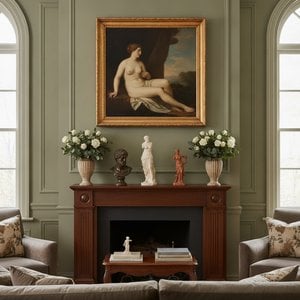
Timeless Elegance: A Curator's Guide to Decorating with Classical Nude Figure Artworks
Transform your space with the enduring beauty of classical nude studies. Our elegant guide offers expert advice on selecting hand-painted reproductions and custom commissions to create a sophisticated home gallery. Discover meaningful art curation at ArtsDot.com.

Öl auf Leinwand: Eine historische und technische Erkundung eines zeitlosen künstlerischen Mediums
Entdecken Sie die faszinierende Welt der Ölmalerei! Von historischen Techniken bis zur modernen Anwendung – wir bieten Expertenwissen, Restaurierungstipps und hochwertige Reproduktionen. Jetzt informieren!