


 In echtem Maßstab anzeigen
 Versenden als Grußkarte
 Teilen
 Details anzeigen
 Leitfaden

 Herunterladen
 Ähnliche Objekte
 Röntgenaufnahme
 Diashow
 Besucherstatistiken
Sémélé. Ebauche


 Mehr anzeigen
Handgefertigte Ölreproduktion
Handgemaltes Ölgemälde auf Leinwand in Ihrer Wunschgröße und mit Rahmen, auf Bestellung von unseren Künstlern angefertigt. ( Zum Druck wechseln Zum digitalen Bild wechseln)




P118B $10

P118H $10

P118W $10

P438Z $10

P508JH $12

P508YH $12

P805H $10

P805Z $10

P919BZ $10

P919G $10

P919XJ $10

P959ZH $10

P968JZ $12

W106C $8

W218G $10

W218JH $8

W218Y $10

W307PJ $10

W316G $10

W316PJ $8

W316Y $10

W398PJ $8

W4111J $10

W500HY $15

W500JH $15

W692G $12

W849H $8

W940BG $15

W953PJ $8




Wählen Sie aus unseren vordefinierten Formaten, die den ursprünglichen Proportionen des Kunstwerks entsprechen.

Sie können Ihre eigenen Maße eingeben, um einen bestimmten Rahmen oder Platz auszufüllen. Wenn die gewählte Größe nicht den Proportionen des Originalbildes entspricht, werden wir das Kunstwerk entweder beschneiden oder das Gemälde durch zusätzliche, handgemalte Elemente erweitern. Ein digitales Mockup wird Ihnen zur Genehmigung zugesandt, bevor die Produktion beginnt.
Bitte beachten Sie, dass die Bildschirmvorschau nicht die tatsächliche Beschneidung oder Erweiterung widerspiegelt. Nur das Mockup zeigt die endgültige Komposition exakt an.
Obwohl Sondermaße verfügbar sind, empfehlen wir, eine Größe aus der vordefinierten Liste zu wählen, um die ursprünglichen Proportionen beizubehalten.
Nach der Bestellung wird das ArtsDot.com-Team dem Kunden Anweisungen per E-Mail zusenden und eine Mockup-Vorschau bereitstellen.
Weltweiter Versand () in nur 3 bis 4 Wochen statt der üblichen 5 Wochen. (21 September). Keine Kompromisse bei der Qualität.

Kostenloser weltweiter Expressversand

Hochwertige Leinenleinwand

Vollständiger Versicherungsschutz beim Versand

Zollgebühren-Rückerstattungsgarantie

Garantie für exakte Farbtreue

100-tägiges Rückgaberecht (nur bei Mängeln)

100% Geld-zurück-Garantie

Angebot für Mengenrabatt
 Die Glasoption ist nur für Größen unter 110 cm verfügbar.

Sémélé. Ebauche
Reproduktionsmedium
Format der Reproduktion
-


Gesamtpreis
$ 263
A Fragment of Mythic Reverie: Exploring Gustave Moreau’s ‘Sémélé
Gustave Moreau's “Sémélé,” an unfinished sketch rendered in monochrome, stands as a testament to the artist’s unwavering commitment to Symbolist aesthetics—a movement that sought to transcend mere representation and delve into the subconscious realm. Created around 1890, this artwork encapsulates the spirit of its era, rejecting the optical realism championed by Impressionists for instead prioritizing emotional resonance and layered symbolism. More than just a depiction of biblical lore, “Sémélé” is an invitation to contemplate themes of mortality, divine retribution, and the transformative power of feminine beauty.- Subject Matter: The painting portrays Sémélé, Queen of Ethiopia, condemned by Zeus for defying his decree and attempting to usurp his throne through parthenogenesis—the miraculous birth of a child without sexual intercourse. This narrative draws heavily from Greek mythology, specifically the tale recounted in Ovid’s Metamorphoses.
- Style: Moreau's style is unmistakably Symbolist, characterized by its dreamlike atmosphere and meticulous attention to detail. Unlike Impressionists who aimed for capturing fleeting impressions of light and color, Moreau meticulously constructed his compositions to convey psychological states rather than visual accuracy.
Technique: The Alchemy of Monochrome Moreau’s masterful use of black ink and white gouache—a technique he favored throughout his prolific career—is crucial to understanding the artwork's impact. He employed a painstaking process of layering inks, building up tonal gradations with meticulous precision. This method allowed him to achieve remarkable depth and luminosity within the absence of color, creating an illusionistic surface that subtly suggests textures and contours. The artist’s deliberate control over materiality underscores his belief in art as a conduit for spiritual contemplation.
- Composition: The sketch's composition is deliberately unsettling. Sémélé sits on the ground, her gaze fixed upwards towards Zeus—a gesture that conveys both vulnerability and defiance. A baby rests beside her, symbolizing innocence and potential rebirth amidst the looming threat of divine judgment.
- Symbolism: Recurring motifs within “Sémélé” resonate with Symbolist concerns. The woman’s hair is styled in a manner reminiscent of Victorian mourning jewelry—a deliberate allusion to death and remembrance—further emphasizing the painting's preoccupation with mortality. Furthermore, the luminous halo surrounding Sémélé suggests divine grace despite her transgression.
Historical Context: Embracing the Spirit of Symbolism Moreau’s artistic vision emerged during a period of profound intellectual ferment in Paris—the Belle Époque—characterized by anxieties about scientific progress and societal upheaval. Symbolist artists rejected materialism and embraced esoteric philosophies, drawing inspiration from Nietzschean thought and Wagnerian opera. They sought to express inner truths through evocative imagery and symbolic language, rejecting the didactic aims of Realism.
- Emotional Impact: “Sémélé” evokes a palpable sense of melancholy and contemplation. The monochrome palette amplifies the painting’s emotional intensity, inviting viewers to confront questions about faith, desire, and the human condition. It's a piece that lingers in the mind long after viewing, prompting reflection on themes of beauty, suffering, and transcendence.
A Reproduction Worthy of Reverence A high-quality reproduction of “Sémélé” captures not only its visual splendor but also the essence of Moreau’s artistic philosophy. Its subtle tonal variations faithfully recreate the artist's meticulous technique, allowing collectors and interior designers alike to experience a fragment of mythic reverie within their homes—a testament to the enduring power of Symbolist art.
Ähnliche Kunstwerke


Biografie des Künstlers
**frühes Leben und Ausbildung**
Gustav Moreau, ein französischer Künstler, wurde am 6. April 1826 in Paris geboren. Er erhielt eine traditionelle akademische Ausbildung in der Malerei an der École des Beaux-Arts und zeigte von frühester Kindheit eine Begabung für Zeichnen.**Die Symbolismusbewegung**
Moreaus Werk, das durch allegorische und mythologische Themen geprägt ist, machte ihn zu einem führenden Symbolistenmaler, insbesondere in den 1890er Jahren. Seine Kunst (und der Symbolismus im Allgemeinen) verlor an Beliebtheit, wurde aber seit den 1960er Jahren neu bewertet und Moreau gilt heute als einer der wichtigsten Symbolistenmaler.**Bekannte Werke und Ausstellungen**
* Salomé im Gefängnis (Gemälde von 'Gustav Moreau') ist ein bemerkenswertes Beispiel für seine Arbeit und zeigt seine Meisterschaft im Symbolismus. * Das Selbstporträt (Gemälde von 'Gustav Moreau') ist eine weitere kraftvolle Darstellung des Künstlers selbst.**Musée Gustave Moreau**
Das Nationalmuseum Gustave Moreau (Musée Gustave Moreau Paris, Frankreich) in Paris ist dem Werk Moreaus gewidmet und beherbergt über 1.200 Gemälde, Aquarelle und Zeichnungen. Das Museum ist ein Zeugnis seines künstlerischen Erbes.**Vermächtnis und Einfluss**
Moreaus Einfluss auf die Symbolismusbewegung ist unbestreitbar. Er lehrte an der École des Beaux-Arts und beeinflusste namhafte Künstler wie Henri Matisse und Georges Rouault. Seine zurückgezogene Art hat seinen Einfluss auf die Kunstwelt nicht gemindert.- Entdecken Sie mehr über das Leben und Werk von Gustav Moreau auf ArtsDot.com
- Erkunden Sie das Nationalmuseum Gustave Moreau und seine beeindruckende Sammlung von Kunstwerken auf Musée Gustave Moreau Paris, Frankreich
- Erfahren Sie mehr über die Symbolismusbewegung und ihre Bedeutung für die Kunstgeschichte auf die Symbolismus-Kunstbewegung

Gustave Moreau
1826 - 1898 , Frankreich
Eckdaten zum Künstler
- Beeinflusste Künstler:
- Henri Matisse
- Georges Rouault
- Bemerkenswerte Werke:
- Salomé im Gefängnis
- Selbstporträt
- Jupiter und Semele
- Orpheus
- Die Erscheinung
- Geburtsdatum: 6. April 1826
- Geburtsort: Paris, Frankreich
- Künstlerische Einflüsse:
- Eugène Delacroix
- Michelangelo
- Leonardo da Vinci
- Künstlerischer Stil: Symbolismus
- Nationalität: Französisch
- Sterbedatum: 1898
- Vollständiger Name: Gustave Moreau
Verwandte Artikel

Weiße Meisterwerke: Die Top 10 berühmtesten Gemälde und ihre zeitlose Eleganz
Entdecken Sie die Top 10 berühmter Gemälde, dominiert von Weiß! Von Malewitsch bis Rothko – erfahren Sie Geschichten hinter ikonischen Kunstwerke und lassen Sie sich für Ihre Wohnraumgestaltung inspirieren. Kunstreproduktionen in Museumsqualiät auf

Die Top 10 berühmter Gemälde im Reich der dunklen Töne |
Entdecken Sie die Top 10 berühmter Gemälde, beherrscht von dunklen Tönen! Von Caravaggio bis Manet – erfahren Sie die Geschichten hinter Meisterwerken der Kunstgeschichte. Finden Sie Ihre perfekte Reproduktion auf .

Gustave Moreau: Der Enigmatische Visionär des Symbolismus und Wegbereiter moderner Fantasy-Kunst
Entdecken Sie das faszinierende Werk Gustave Moreaus, des wichtigsten Vertreters des Symbolismus! Analysen, Biografien und Einblicke in seine mythologischen Gemälde. Jetzt lesen!
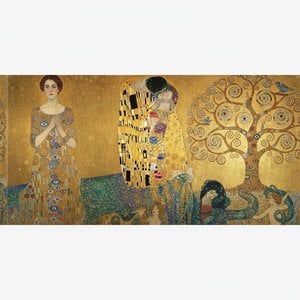
Gustav Klimt: Die 25 Meisterwerke des Wiener Jugendstils | ArtsDot
Entdecken Sie die 25 ikonischsten Gemälde von Gustav Klimt! Tauchen Sie ein in die Welt der Wiener Secession, des Jugendstils und der goldenen Phase. Hochwertige Reproduktionen & Inspiration für Ihr Zuhause auf ArtsDot.com.

Monochrome Visions: Exploring the Aesthetic & Historical Significance of Black & White Photography
Explore the rich history & artistic power of black and white photography. From early techniques to iconic masters like Ansel Adams, discover why monochrome continues to captivate art lovers today. Expert insights for collectors.


