


 In echtem Maßstab anzeigen
 Versenden als Grußkarte
 Teilen
 Details anzeigen
 Leitfaden öffnen

 Herunterladen
 Ähnliche Objekte
 Röntgenaufnahme
 Diashow
 Besucherstatistiken
Orpheus
 Acryl auf Leinwand
- Wandkunst
- Symbolism
 1865
1865 99.0 x 154.0 cm
 Musée Gustave Moreau
 Mehr anzeigen
Giclée / Kunstdruck
Giclée- oder Leinwanddruck in Museumsqualität mit schneller Produktion und flexiblen Veredelungsoptionen. ( Handgemalte Reproduktion kaufen Zum digitalen Bild wechseln)




P118B €10

P118H €10

P118W €10

P438Z €10

P508JH €12

P508YH €12

P805H €10

P805Z €10

P919BZ €10

P919G €10

P919XJ €10

P959ZH €10

P968JZ €12

W106C €8

W218G €10

W218JH €8

W218Y €10

W307PJ €10

W316G €10

W316PJ €8

W316Y €10

W398PJ €8

W4111J €10

W500HY €15

W500JH €15

W692G €12

W849H €8

W940BG €15

W953PJ €8




Wählen Sie aus unseren vordefinierten Formaten, die den ursprünglichen Proportionen des Kunstwerks entsprechen.

Geben Sie die Breite und die Höhe an, die Sie benötigen, damit der Druck perfekt in Ihren Rahmen oder an Ihre Wand passt. Ein Druck kann nur beschnitten werden und niemals größer als das Originalbild gemacht werden; daher verliert ein Format mit einer anderen Proportion einen Teil des Bildes. Wir senden Ihnen ein digitales Mockup zur Freigabe, bevor wir den Druck ausführen. Das auf dieser Seite gezeigte Bild zeigt nicht den tatsächlichen Beschnitt – dies ist nur im Mockup ersichtlich.
Weltweiter Versand () innerhalb von 2 Wochen statt der üblichen 4/5 Wochen. (23 Oktober)

Kostenloser weltweiter Expressversand

Hochwertige Leinenleinwand

Vollständiger Versicherungsschutz beim Versand

Zollgebühren-Rückerstattungsgarantie

Garantie für exakte Farbtreue

100-tägiges Rückgaberecht (nur bei Mängeln)

100% Geld-zurück-Garantie

Angebot für Mengenrabatt
 Die Glasoption ist nur für Größen unter 110 cm verfügbar.

Orpheus
Giclée / Kunstdruck
Format der Reproduktion
-


Gesamtpreis
€ 54
Orpheus: A Lament in Paint
Gustave Moreau’s *Orpheus*, painted in 1865, is a cornerstone of Symbolist art – a mesmerizing depiction of grief, loss, and the enduring power of artistic expression. This oil on canvas (99 x 154 cm) currently resides at the Musée Gustave Moreau in Paris, offering viewers a direct connection to the artist’s unique vision.Myth & Meaning: The Story Unfolds
The painting draws upon the ancient Greek myth of Orpheus, the legendary musician and poet who descended into the Underworld to retrieve his beloved Eurydice. Moreau doesn't depict the triumphant rescue or even the tragic failure; instead, he focuses on the aftermath – a moment of profound sorrow and remembrance. A kneeling woman, draped in flowing garments, mourns over the lifeless body of Orpheus, still clutching his lyre. The scene is set against a dramatic backdrop of rugged mountains, enhancing the sense of isolation and despair.A Master of Symbolist Technique
Moreau’s style is instantly recognizable for its rich detail, vibrant color palette, and dreamlike atmosphere. He masterfully blends academic precision with a distinctly *Symbolist* sensibility. The use of impasto – thick layers of paint – creates texture and depth, particularly in the drapery and landscape. Light and shadow are dramatically contrasted, spotlighting the central figures and intensifying the emotional impact. While rooted in realism, Moreau deliberately flattens perspective, contributing to the painting’s otherworldly quality.Historical Context: The Rise of Symbolism
*Orpheus* emerged during a period of artistic rebellion against Naturalism and Impressionism. The Symbolist movement sought to explore subjective experience, spirituality, and the realm of dreams – rejecting objective representation in favor of evoking emotions and ideas. Gustave Moreau was at the forefront of this shift, influencing artists like Henri Matisse and Georges Rouault. His work signaled a move towards abstraction and paved the way for Expressionism and other modern art movements.Decoding the Symbolism
The painting is laden with symbolic meaning. The lyre represents Orpheus’s artistic gift – now silenced by death. The presence of turtles near the body, though subtle, may allude to longevity or a connection to the earth and cyclical nature of life. The woman's pose embodies grief and devotion, while the mountainous landscape symbolizes both the challenges faced in life and the vastness of eternity. Moreau doesn’t offer easy answers; instead, he invites viewers to contemplate the complexities of love, loss, and mortality.Emotional Resonance & Legacy
*Orpheus* is not merely a depiction of a mythological scene; it's an exploration of universal human emotions. The painting evokes feelings of melancholy, longing, and reverence. Moreau’s ability to translate these complex emotions onto canvas ensures the artwork continues to resonate with audiences today.- For Collectors: Owning a reproduction of *Orpheus* brings a touch of Symbolist grandeur and intellectual depth to any collection.
- For Interior Designers: The painting’s rich colors and dramatic composition make it a striking focal point for living rooms, libraries, or studies. Its themes of art and loss lend themselves well to contemplative spaces.
- Further Exploration: Discover other masterpieces by Gustave Moreau, such as Orpheus on the Tomb of Euridice and The Tatooed Salome, available through ArtsDot.com.
Fragen & Antworten
Wie stehen die Farben von "Orpheus" zueinander?
Die Farbharmonie von „Orpheus“ wird als Starke farbliche Einheitlichkeit beschrieben.
Welches Gefühl vermitteln die Farben von "Orpheus" von Gustave Moreau?
"Orpheus" von Gustave Moreau vereint eine Neutrale Töne Farbpalette mit einem Melancholisch Ton.
Gibt es für "Orpheus" eine Augmented-Reality-Vorschau?
"Orpheus" von Gustave Moreau kann mithilfe der AR-Vorschau-Seite des Kunstwerks in Ihrem eigenen Raum mit Augmented Reality auf einem kompatiblen Gerät an Ihrer Wand vorab betrachtet werden.
Ähnliche Kunstwerke


Biografie des Künstlers
**frühes Leben und Ausbildung**
Gustav Moreau, ein französischer Künstler, wurde am 6. April 1826 in Paris geboren. Er erhielt eine traditionelle akademische Ausbildung in der Malerei an der École des Beaux-Arts und zeigte von frühester Kindheit eine Begabung für Zeichnen.**Die Symbolismusbewegung**
Moreaus Werk, das durch allegorische und mythologische Themen geprägt ist, machte ihn zu einem führenden Symbolistenmaler, insbesondere in den 1890er Jahren. Seine Kunst (und der Symbolismus im Allgemeinen) verlor an Beliebtheit, wurde aber seit den 1960er Jahren neu bewertet und Moreau gilt heute als einer der wichtigsten Symbolistenmaler.**Bekannte Werke und Ausstellungen**
* Salomé im Gefängnis (Gemälde von 'Gustav Moreau') ist ein bemerkenswertes Beispiel für seine Arbeit und zeigt seine Meisterschaft im Symbolismus. * Das Selbstporträt (Gemälde von 'Gustav Moreau') ist eine weitere kraftvolle Darstellung des Künstlers selbst.**Musée Gustave Moreau**
Das Nationalmuseum Gustave Moreau (Musée Gustave Moreau Paris, Frankreich) in Paris ist dem Werk Moreaus gewidmet und beherbergt über 1.200 Gemälde, Aquarelle und Zeichnungen. Das Museum ist ein Zeugnis seines künstlerischen Erbes.**Vermächtnis und Einfluss**
Moreaus Einfluss auf die Symbolismusbewegung ist unbestreitbar. Er lehrte an der École des Beaux-Arts und beeinflusste namhafte Künstler wie Henri Matisse und Georges Rouault. Seine zurückgezogene Art hat seinen Einfluss auf die Kunstwelt nicht gemindert.- Entdecken Sie mehr über das Leben und Werk von Gustav Moreau auf ArtsDot.com
- Erkunden Sie das Nationalmuseum Gustave Moreau und seine beeindruckende Sammlung von Kunstwerken auf Musée Gustave Moreau Paris, Frankreich
- Erfahren Sie mehr über die Symbolismusbewegung und ihre Bedeutung für die Kunstgeschichte auf die Symbolismus-Kunstbewegung

Gustave Moreau
1826 - 1898 , Frankreich
Eckdaten zum Künstler
- Beeinflusste Künstler:
- Henri Matisse
- Georges Rouault
- Bemerkenswerte Werke:
- Salomé im Gefängnis
- Selbstporträt
- Jupiter und Semele
- Orpheus
- Die Erscheinung
- Geburtsdatum: 6. April 1826
- Geburtsort: Paris, Frankreich
- Künstlerische Einflüsse:
- Eugène Delacroix
- Michelangelo
- Leonardo da Vinci
- Künstlerischer Stil: Symbolismus
- Nationalität: Französisch
- Sterbedatum: 1898
- Vollständiger Name: Gustave Moreau
Verwandte Artikel

Echoes of Olympus: Mythological Narratives in Western Art Through the Ages
Explore the captivating history of mythological narratives in Western art! From ancient Greece to modern masterpieces, discover iconic artworks & symbolism. Expert analysis and high-quality reproductions at ArtsDot.

Symbolismus in der Kunst: Die 10 Meisterwerke, die eine Ära prägten | ArtsDot
Entdecken Sie die 10 Meisterwerke des Symbolismus! Von Klimt bis Munch – erfahren Sie die Geschichten hinter ikonischen Gemälden, ihre Techniken & Bedeutung. Finden Sie Ihre perfekte Reproduktion auf ArtsDot.com.

Gustave Moreau: Der Enigmatische Visionär des Symbolismus und Wegbereiter moderner Fantasy-Kunst
Entdecken Sie das faszinierende Werk Gustave Moreaus, des wichtigsten Vertreters des Symbolismus! Analysen, Biografien und Einblicke in seine mythologischen Gemälde. Jetzt lesen!
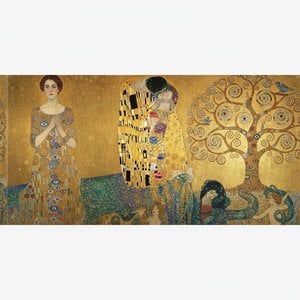
Gustav Klimt: Die 25 Meisterwerke des Wiener Jugendstils | ArtsDot
Entdecken Sie die 25 ikonischsten Gemälde von Gustav Klimt! Tauchen Sie ein in die Welt der Wiener Secession, des Jugendstils und der goldenen Phase. Hochwertige Reproduktionen & Inspiration für Ihr Zuhause auf ArtsDot.com.

Beyond Reality: Exploring the Mystical Depths of Symbolist Painting (1880-1910)
Explore the captivating world of Symbolist painting (1880-1910). Discover key artists like Moreau & Klimt, decode iconic motifs, and understand its lasting impact on modern art. Expert analysis for collectors.


