


 In echtem Maßstab anzeigen
 Versenden als Grußkarte
 Teilen
 Details anzeigen
 Leitfaden öffnen

 Herunterladen
 Ähnliche Objekte
 Röntgenaufnahme
 Diashow
 Besucherstatistiken
Génie du mal

 Mehr anzeigen
Handgefertigte Ölreproduktion
Handgemaltes Ölgemälde auf Leinwand in Ihrer Wunschgröße und mit Rahmen, auf Bestellung von unseren Künstlern angefertigt. ( Zum Druck wechseln Zum digitalen Bild wechseln)




P118B $10

P118H $10

P118W $10

P438Z $10

P508JH $12

P508YH $12

P805H $10

P805Z $10

P919BZ $10

P919G $10

P919XJ $10

P959ZH $10

P968JZ $12

W106C $8

W218G $10

W218JH $8

W218Y $10

W307PJ $10

W316G $10

W316PJ $8

W316Y $10

W398PJ $8

W4111J $10

W500HY $15

W500JH $15

W692G $12

W849H $8

W940BG $15

W953PJ $8




Wählen Sie aus unseren vordefinierten Formaten, die den ursprünglichen Proportionen des Kunstwerks entsprechen.

Sie können Ihre eigenen Maße eingeben, um einen bestimmten Rahmen oder Platz auszufüllen. Wenn die gewählte Größe nicht den Proportionen des Originalbildes entspricht, werden wir das Kunstwerk entweder beschneiden oder das Gemälde durch zusätzliche, handgemalte Elemente erweitern. Ein digitales Mockup wird Ihnen zur Genehmigung zugesandt, bevor die Produktion beginnt.
Bitte beachten Sie, dass die Bildschirmvorschau nicht die tatsächliche Beschneidung oder Erweiterung widerspiegelt. Nur das Mockup zeigt die endgültige Komposition exakt an.
Obwohl Sondermaße verfügbar sind, empfehlen wir, eine Größe aus der vordefinierten Liste zu wählen, um die ursprünglichen Proportionen beizubehalten.
Nach der Bestellung wird das ArtsDot.com-Team dem Kunden Anweisungen per E-Mail zusenden und eine Mockup-Vorschau bereitstellen.
Weltweiter Versand () in nur 3 bis 4 Wochen statt der üblichen 5 Wochen. (26 September). Keine Kompromisse bei der Qualität.

Kostenloser weltweiter Expressversand

Hochwertige Leinenleinwand

Vollständiger Versicherungsschutz beim Versand

Zollgebühren-Rückerstattungsgarantie

Garantie für exakte Farbtreue

100-tägiges Rückgaberecht (nur bei Mängeln)

100% Geld-zurück-Garantie

Angebot für Mengenrabatt
 Die Glasoption ist nur für Größen unter 110 cm verfügbar.

Génie du mal
Reproduktionsmedium
Format der Reproduktion
-


Gesamtpreis
$ 263
A Vision of Spiritual Turmoil: Decoding Gustave Moreau’s *Génie du mal*
- Subject and Composition: *Génie du mal* (“Genius of Evil”) presents a dramatic scene dominated by an ethereal, winged figure – an angel or demon – in dynamic flight above a rugged, mountainous landscape. The composition is powerfully vertical, drawing the eye upwards towards the swirling sky. Below, a cluster of small figures huddles together, seemingly dwarfed by both the landscape and the celestial being above them. This juxtaposition immediately establishes a sense of vulnerability and perhaps impending doom.
- Style & Historical Context: Painted by Gustave Moreau (1826-1898), this work is a quintessential example of Symbolism, a late 19th-century artistic movement that rejected Realism and Impressionism in favor of exploring subjective emotions, spiritual themes, and the realm of dreams. Moreau was a leading figure within this movement, deeply influenced by Romantic predecessors like Eugène Delacroix, but forging his own unique path through elaborate detail and evocative imagery. *Génie du mal* reflects the Symbolist fascination with mythology, biblical narratives, and the darker aspects of the human psyche.
Technique & The Language of Color
- Brushwork & Texture: Moreau’s technique is characterized by loose, gestural brushstrokes that create a rich and textured surface. This isn't about precise representation; it’s about conveying feeling and atmosphere. The visible brushwork emphasizes the artist’s hand and adds to the painting’s emotional intensity. The work appears to be executed in oils, allowing for layering and blending of tones.
- Color Palette & Symbolism: A muted palette of browns, grays, and blues dominates the landscape, creating a somber and melancholic mood. This is dramatically contrasted by the vibrant red used for the angel’s wings and clothing. Red, often associated with passion, danger, and even evil, immediately draws the viewer's eye and underscores the figure’s ambiguous nature – is this a fallen angel or a harbinger of destruction? The atmospheric perspective further enhances the depth and mystery of the scene.
Decoding the Symbolism & Emotional Impact
- The Angel/Demon: The central figure is deliberately ambiguous. Its angelic form suggests a divine origin, yet its powerful presence and the title *Génie du mal* hint at something far more sinister. This duality reflects the Symbolist interest in exploring the complex relationship between good and evil, heaven and hell.
- The Huddled Figures: The small group below represents humanity – vulnerable, fearful, and seemingly powerless against forces beyond their control. Their position emphasizes their insignificance in the face of cosmic struggles or divine judgment.
- Emotional Resonance: *Génie du mal* evokes a powerful sense of unease, mystery, and spiritual longing. It’s a painting that invites contemplation on themes of mortality, faith, and the eternal battle between light and darkness. The dramatic composition and evocative color palette create an immersive experience for the viewer, leaving a lasting emotional impression.
For Collectors & Interior Design
- A statement piece: A high-quality reproduction of *Génie du mal* would serve as a striking focal point in any room, adding depth and sophistication to the décor.
- Complementary Styles: The painting’s rich colors and dramatic composition complement both traditional and contemporary interior styles. It pairs well with dark wood furniture, velvet textures, and metallic accents.
- Evoking Atmosphere: This artwork is particularly suited for spaces intended for contemplation or relaxation – libraries, studies, or bedrooms – where its evocative imagery can create a sense of mystery and intrigue.
Ähnliche Kunstwerke


Biografie des Künstlers
**frühes Leben und Ausbildung**
Gustav Moreau, ein französischer Künstler, wurde am 6. April 1826 in Paris geboren. Er erhielt eine traditionelle akademische Ausbildung in der Malerei an der École des Beaux-Arts und zeigte von frühester Kindheit eine Begabung für Zeichnen.**Die Symbolismusbewegung**
Moreaus Werk, das durch allegorische und mythologische Themen geprägt ist, machte ihn zu einem führenden Symbolistenmaler, insbesondere in den 1890er Jahren. Seine Kunst (und der Symbolismus im Allgemeinen) verlor an Beliebtheit, wurde aber seit den 1960er Jahren neu bewertet und Moreau gilt heute als einer der wichtigsten Symbolistenmaler.**Bekannte Werke und Ausstellungen**
* Salomé im Gefängnis (Gemälde von 'Gustav Moreau') ist ein bemerkenswertes Beispiel für seine Arbeit und zeigt seine Meisterschaft im Symbolismus. * Das Selbstporträt (Gemälde von 'Gustav Moreau') ist eine weitere kraftvolle Darstellung des Künstlers selbst.**Musée Gustave Moreau**
Das Nationalmuseum Gustave Moreau (Musée Gustave Moreau Paris, Frankreich) in Paris ist dem Werk Moreaus gewidmet und beherbergt über 1.200 Gemälde, Aquarelle und Zeichnungen. Das Museum ist ein Zeugnis seines künstlerischen Erbes.**Vermächtnis und Einfluss**
Moreaus Einfluss auf die Symbolismusbewegung ist unbestreitbar. Er lehrte an der École des Beaux-Arts und beeinflusste namhafte Künstler wie Henri Matisse und Georges Rouault. Seine zurückgezogene Art hat seinen Einfluss auf die Kunstwelt nicht gemindert.- Entdecken Sie mehr über das Leben und Werk von Gustav Moreau auf ArtsDot.com
- Erkunden Sie das Nationalmuseum Gustave Moreau und seine beeindruckende Sammlung von Kunstwerken auf Musée Gustave Moreau Paris, Frankreich
- Erfahren Sie mehr über die Symbolismusbewegung und ihre Bedeutung für die Kunstgeschichte auf die Symbolismus-Kunstbewegung

Gustave Moreau
1826 - 1898 , Frankreich
Eckdaten zum Künstler
- Beeinflusste Künstler:
- Henri Matisse
- Georges Rouault
- Bemerkenswerte Werke:
- Salomé im Gefängnis
- Selbstporträt
- Jupiter und Semele
- Orpheus
- Die Erscheinung
- Geburtsdatum: 6. April 1826
- Geburtsort: Paris, Frankreich
- Künstlerische Einflüsse:
- Eugène Delacroix
- Michelangelo
- Leonardo da Vinci
- Künstlerischer Stil: Symbolismus
- Nationalität: Französisch
- Sterbedatum: 1898
- Vollständiger Name: Gustave Moreau
Verwandte Artikel
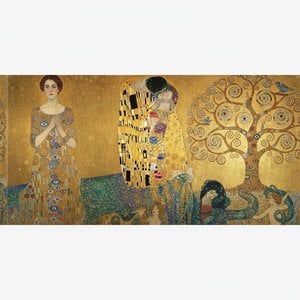
Gustav Klimt: Die 25 Meisterwerke des Wiener Jugendstils | ArtsDot
Entdecken Sie die 25 ikonischsten Gemälde von Gustav Klimt! Tauchen Sie ein in die Welt der Wiener Secession, des Jugendstils und der goldenen Phase. Hochwertige Reproduktionen & Inspiration für Ihr Zuhause auf ArtsDot.com.

Evocations of Place: A Historical Journey Through Landscape Art
Explore the rich history of landscape art with ArtsDot. Discover renowned artists, movements like Impressionism & Romanticism, and expert guidance for collecting timeless pieces. Find your perfect serene escape today!

Gustave Moreau: Der Enigmatische Visionär des Symbolismus und Wegbereiter moderner Fantasy-Kunst
Entdecken Sie das faszinierende Werk Gustave Moreaus, des wichtigsten Vertreters des Symbolismus! Analysen, Biografien und Einblicke in seine mythologischen Gemälde. Jetzt lesen!

Celestial Messengers: Angels in Painting – A Historical & Artistic Exploration
Explore the captivating history of angels in painting! Discover symbolism, iconic Renaissance & Byzantine masterpieces, and renowned artists. Expert insights for art lovers & collectors at ArtsDot.

Romantische Landschaften: Die 10 Meisterwerke, die eine Epoche prägten | ArtsDot
Entdecken Sie die 10 Meisterwerke der Romantischen Landschaftsmalerei! Von Caspar David Friedrich bis Turner – erleben Sie die Kunst, Emotion & Natur. Hochwertige Reproduktionen auf ArtsDot.com


