


 Vorschau anzeigen
 Versenden
 Teilen
 Details anzeigen

 Herunterladen
 Ähnliche Objekte
 Röntgenaufnahme
 Diashow
 Statistiken
Fuite de Darius


 Weiterlesen
Giclée / Kunstdruck
Giclée- oder Leinwanddruck in Museumsqualität mit schneller Produktion und flexiblen Veredelungsoptionen. ( Handgemalte Reproduktion bestellen Zum digitalen Bild wechseln)




P118B $10

P118H $10

P118W $10

P438Z $10

P508JH $12

P508YH $12

P805H $10

P805Z $10

P919BZ $10

P919G $10

P919XJ $10

P959ZH $10

P968JZ $12

W106C $8

W218G $10

W218JH $8

W218Y $10

W307PJ $10

W316G $10

W316PJ $8

W316Y $10

W398PJ $8

W4111J $10

W500HY $15

W500JH $15

W692G $12

W849H $8

W940BG $15

W953PJ $8




Wählen Sie aus unseren vordefinierten Formaten, die den ursprünglichen Proportionen des Kunstwerks entsprechen.

Sie können Ihre eigenen Maße eingeben, um ein bestimmtes Format oder einen speziellen Platz einzupassen. Wenn das von Ihnen gewählte Format nicht den Proportionen des Originalbildes entspricht, werden wir das Kunstwerk entweder beschneiden oder das Bild mit einem gespiegelten oder einfarbigen Rand erweitern. Ein digitaler Entwurf wird Ihnen zur Genehmigung zugesandt, bevor die Produktion beginnt.
Bitte beachten Sie, dass die Vorschau auf dem Bildschirm nicht den tatsächlichen Zuschnitt oder die Erweiterung widerspiegelt. Nur der Entwurf zeigt die endgültige Komposition präzise an.
Obwohl Sondermaße verfügbar sind, empfehlen wir die Auswahl eines Maßes aus der vordefinierten Liste, um die ursprünglichen Proportionen zu bewahren.
Weltweiter Versand () innerhalb von 2 Wochen statt der üblichen 4/5 Wochen. (11 September)

Kostenloser weltweiter Expressversand

Hochwertige Leinenleinwand

Umfassender Versicherungsschutz beim Versand

Zollgebühren-Rückerstattungsgarantie

Garantie für exakte Farbtreue

100-Tage-Rückgaberecht (nur bei Mängeln)

100% Geld-zurück-Garantie

Mengenrabatt verfügbar
 Die Glasoption ist nur für Größen unter 110 cm verfügbar.

Fuite de Darius
Giclée / Kunstdruck
Format der Reproduktion
-


Gesamtpreis
$ 62
A Vision of Exile: The Ethereal World of Gustave Moreau
In the heart of the late 19th century, as the world rushed toward the industrial and the rational, Gustave Moreau offered a sanctuary of the soul. His masterpiece, "Fuite de Darius," painted around 1867, serves as a profound gateway into the Symbolist movement—a period where the boundaries between reality and dream began to dissolve. This work does not merely recount a historical or biblical event; it captures a psychological state of profound vulnerability. The painting depicts the dramatic tableau of Darius fleeing Babylon, yet Moreau moves far beyond literal representation. Instead, he invites the viewer into a scene brimming with melancholic beauty, where every brushstroke seems to whisper of loss, surrender, and the heavy weight of destiny.
The composition is masterfully orchestrated to draw the eye toward a central moment of quiet devastation. A man lies prone, his head resting heavily upon another’s lap, an image that embodies a complete departure from the heroic, muscular narratives favored by earlier Romantic painters. This posture of surrender creates an immediate emotional intimacy, pulling the observer into the hushed, somber atmosphere of the group. Surrounding this central figure, other characters are scattered throughout the frame, engaged in quiet, enigmatic interactions that lend the piece a sense of depth and rhythmic movement. It is a scene that feels both monumental and deeply personal, making it an extraordinary focal point for any collection seeking to evoke contemplation.
Technique and the Alchemy of Light
To behold "Fuite de Darius" is to witness Moreau’s unparalleled command over the medium of oil on canvas. His technique is characterized by a meticulous layering and glazing process that allows light to appear as if it is emanating from within the painting itself. The surfaces shimmer with iridescent hues, creating an ethereal, almost supernatural glow. This luminous quality is central to the Symbolist aesthetic, where color is used not just for description, but to evoke spiritual truths. Moreau employs a palette of rich, vibrant tones that contrast beautifully with the shadowed, dreamlike atmosphere of the setting.
The artist’s style is unmistakably stylized, utilizing flattened perspectives and intricate details to create a sense of opulence. For the discerning collector or interior designer, this complexity offers endless visual rewards; from a distance, the painting presents a powerful, dramatic silhouette, but upon closer inspection, one discovers a tapestry of fine textures and subtle color variations. This duality makes the work exceptionally versatile, capable of anchoring a grand, classical room with its historical weight or adding a layer of sophisticated mystery to a contemporary, minimalist space.
Symbolism and the Belle Époque Spirit
Born during the intellectual ferment of the Belle Époque, "Fuite de Darius" reflects a widespread cultural reaction against the materialism of the era. Moreau sought to reject scientific rationalism in favor of mythology, folklore, and the hidden realms of the human psyche. Every element within this composition is laden with symbolic significance. The reclining figure serves as a potent emblem of despair and the acceptance of an inescapable fate, while the surrounding figures embody various facets of grief and collective memory. It is a visual poem about the internal torments that define the human condition.
For those looking to bring a piece of art history into their homes, a high-quality reproduction of this work offers more than just decoration; it offers an invitation to wander through the corridors of the subconscious. Owning such a piece means possessing a fragment of Moreau’s "dream weaver" legacy—a way to infuse a living space with the profound mystery, spiritual longing, and timeless elegance that only the masters of Symbolism can provide.
Ähnliche Kunstwerke


Über den Künstler
**frühes Leben und Ausbildung**
Gustav Moreau, ein französischer Künstler, wurde am 6. April 1826 in Paris geboren. Er erhielt eine traditionelle akademische Ausbildung in der Malerei an der École des Beaux-Arts und zeigte von frühester Kindheit eine Begabung für Zeichnen.**Die Symbolismusbewegung**
Moreaus Werk, das durch allegorische und mythologische Themen geprägt ist, machte ihn zu einem führenden Symbolistenmaler, insbesondere in den 1890er Jahren. Seine Kunst (und der Symbolismus im Allgemeinen) verlor an Beliebtheit, wurde aber seit den 1960er Jahren neu bewertet und Moreau gilt heute als einer der wichtigsten Symbolistenmaler.**Bekannte Werke und Ausstellungen**
* Salomé im Gefängnis (Gemälde von 'Gustav Moreau') ist ein bemerkenswertes Beispiel für seine Arbeit und zeigt seine Meisterschaft im Symbolismus. * Das Selbstporträt (Gemälde von 'Gustav Moreau') ist eine weitere kraftvolle Darstellung des Künstlers selbst.**Musée Gustave Moreau**
Das Nationalmuseum Gustave Moreau (Musée Gustave Moreau Paris, Frankreich) in Paris ist dem Werk Moreaus gewidmet und beherbergt über 1.200 Gemälde, Aquarelle und Zeichnungen. Das Museum ist ein Zeugnis seines künstlerischen Erbes.**Vermächtnis und Einfluss**
Moreaus Einfluss auf die Symbolismusbewegung ist unbestreitbar. Er lehrte an der École des Beaux-Arts und beeinflusste namhafte Künstler wie Henri Matisse und Georges Rouault. Seine zurückgezogene Art hat seinen Einfluss auf die Kunstwelt nicht gemindert.- Entdecken Sie mehr über das Leben und Werk von Gustav Moreau auf ArtsDot.com
- Erkunden Sie das Nationalmuseum Gustave Moreau und seine beeindruckende Sammlung von Kunstwerken auf Musée Gustave Moreau Paris, Frankreich
- Erfahren Sie mehr über die Symbolismusbewegung und ihre Bedeutung für die Kunstgeschichte auf die Symbolismus-Kunstbewegung

Gustave Moreau
1826 - 1898 , Frankreich
Kurzinfos
- Beeinflusste Künstler:
- Henri Matisse
- Georges Rouault
- Bemerkenswerte Werke:
- Salomé im Gefängnis
- Selbstporträt
- Jupiter und Semele
- Orpheus
- Die Erscheinung
- Geburtsdatum: 6. April 1826
- Geburtsort: Paris, Frankreich
- Künstlerische Einflüsse:
- Eugène Delacroix
- Michelangelo
- Leonardo da Vinci
- Künstlerischer Stil: Symbolismus
- Nationalität: Französisch
- Sterbedatum: 1898
- Vollständiger Name: Gustave Moreau
Ähnliche Artikel

Öl auf Leinwand: Eine historische und technische Erkundung eines zeitlosen künstlerischen Mediums
Entdecken Sie die faszinierende Welt der Ölmalerei! Von historischen Techniken bis zur modernen Anwendung – wir bieten Expertenwissen, Restaurierungstipps und hochwertige Reproduktionen. Jetzt informieren!

The Enduring Legacy of Oil on Canvas: Technique, History & Aesthetic Impact
Explore the rich history & techniques of oil painting – from Renaissance masters to Impressionism. Discover pigments, layering methods, and why this timeless medium endures. Expert insights for artists & art enthusiasts.

Gustave Moreau: Der Enigmatische Visionär des Symbolismus und Wegbereiter moderner Fantasy-Kunst
Entdecken Sie das faszinierende Werk Gustave Moreaus, des wichtigsten Vertreters des Symbolismus! Analysen, Biografien und Einblicke in seine mythologischen Gemälde. Jetzt lesen!

The Enduring Power of Painting: A Historical & Contemporary Exploration of Form and Emotion
Explore the rich history & enduring techniques of oil painting with ArtsDot. Discover masterpieces, learn about art collecting, and find authentic handmade reproductions crafted by skilled artists.
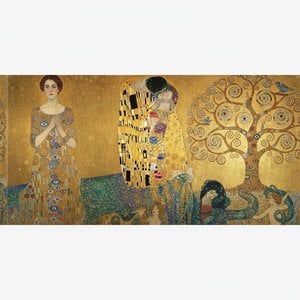
Gustav Klimt: Die 25 Meisterwerke des Wiener Jugendstils | ArtsDot
Entdecken Sie die 25 ikonischsten Gemälde von Gustav Klimt! Tauchen Sie ein in die Welt der Wiener Secession, des Jugendstils und der goldenen Phase. Hochwertige Reproduktionen & Inspiration für Ihr Zuhause auf ArtsDot.com.


