


 In echtem Maßstab anzeigen
 Versenden als Grußkarte
 Teilen
 Details anzeigen
 Leitfaden öffnen

 Herunterladen
 Ähnliche Objekte
 Röntgenaufnahme
 Diashow
 Besucherstatistiken
Sonnenblume
 Acryl auf Leinwand
- Wandkunst
- Art Nouveau
 1908
1908- Moderne
 110.0 x 110.0 cm
 Mehr anzeigen
Handgefertigte Ölreproduktion
Handgemaltes Ölgemälde auf Leinwand in Ihrer Wunschgröße und mit Rahmen, auf Bestellung von unseren Künstlern angefertigt. ( Zum Druck wechseln Zum digitalen Bild wechseln)




P118B €10

P118H €10

P118W €10

P438Z €10

P508JH €12

P508YH €12

P805H €10

P805Z €10

P919BZ €10

P919G €10

P919XJ €10

P959ZH €10

P968JZ €12

W106C €8

W218G €10

W218JH €8

W218Y €10

W307PJ €10

W316G €10

W316PJ €8

W316Y €10

W398PJ €8

W4111J €10

W500HY €15

W500JH €15

W692G €12

W849H €8

W940BG €15

W953PJ €8




Wählen Sie aus unseren vordefinierten Formaten, die den ursprünglichen Proportionen des Kunstwerks entsprechen.

Geben Sie die Breite und die Höhe an, die Sie für Ihren Rahmen oder Ihre Wand benötigen. Da dieses Werk handgemalt ist, kann der Künstler bei einer anderen Form etwas mehr um das Bild herum malen oder etwas abschneiden – Sie entscheiden. Wir senden Ihnen ein digitales Mockup zur Freigabe, bevor mit dem Malen begonnen wird. Das auf dieser Seite gezeigte Bild stellt nicht das tatsächliche Ergebnis dar – dies tut nur das Mockup.
Nach der Bestellung wird das ArtsDot.com-Team dem Kunden Anweisungen per E-Mail zusenden und eine Mockup-Vorschau bereitstellen.
Weltweiter Versand () in nur 3 bis 4 Wochen statt der üblichen 5 Wochen. (23 Oktober). Keine Kompromisse bei der Qualität.

Kostenloser weltweiter Expressversand

Hochwertige Leinenleinwand

Vollständiger Versicherungsschutz beim Versand

Zollgebühren-Rückerstattungsgarantie

Garantie für exakte Farbtreue

100-tägiges Rückgaberecht (nur bei Mängeln)

100% Geld-zurück-Garantie

Angebot für Mengenrabatt
 Die Glasoption ist nur für Größen unter 110 cm verfügbar.

Sonnenblume
Reproduktionsmedium
Format der Reproduktion
-


Gesamtpreis
€ 231
Gustav Klimt’s “Sonnenblume”: A Glimpse into the Golden Phase of an Austrian Master
Gustav Klimt's "Sonnenblume" – translated as "Sunflower" – is more than just a depiction of a flower; it represents a pivotal moment in the artist’s oeuvre, a vibrant embodiment of his burgeoning “Golden Phase.” Painted in 1908, this work offers a captivating window into Klimt’s evolving artistic vision and his deep connection to the landscapes of Austria. The painting, measuring 110 x 110 cm, immediately draws the eye with its overwhelming use of gold leaf, a technique that would become synonymous with Klimt's later masterpieces. Yet, “Sonnenblume” predates the full explosion of opulent decoration and hints at a more restrained, almost meditative quality within this intensely golden surface.
Klimt’s journey to create this piece is intrinsically linked to his summers spent in Salzkammergut, particularly around the Attersee lake. This idyllic locale provided him with an endless source of inspiration – the shimmering water, the rolling hills, and the vibrant wildflowers that dotted the landscape. Emilie Flöge, Klimt’s partner and a successful fashion designer, frequently accompanied him on these excursions, adding another layer of artistic exchange to their creative lives. The painting captures not just a visual representation but also a feeling – the warmth of summer, the tranquility of nature, and the quiet joy of shared experience.
The Language of Gold: Technique and Style
Klimt’s masterful manipulation of gold leaf is central to understanding “Sonnenblume.” He didn't simply apply it superficially; instead, he built up layers of shimmering gold, creating a tactile surface that seems to radiate light. This technique, borrowed from his father’s work as a gold engraver, imbues the painting with an almost religious quality – reminiscent of Byzantine mosaics and medieval illuminated manuscripts. The application is incredibly precise, revealing Klimt's meticulous attention to detail. Notice how the gold subtly shifts in tone, creating depth and highlighting the contours of the sunflower and its surrounding foliage.
Beyond the gold, Klimt employs a distinctive decorative style characteristic of Art Nouveau. Geometric patterns intertwine with organic forms, blurring the boundaries between nature and abstraction. The leaves are stylized into flowing, almost flame-like shapes, while the sunflower itself is rendered with a simplified elegance. This deliberate juxtaposition of naturalism and ornamentation reflects Klimt’s broader artistic concerns – his desire to synthesize beauty, emotion, and intellectual stimulation.
Symbolism and Emotional Resonance
The sunflower, as a symbol, carries significant weight. Traditionally associated with adoration, loyalty, and longevity, it represents the sun itself—a source of life and energy. In Klimt’s painting, however, the sunflower transcends its conventional symbolism. It becomes an emblem of beauty, joy, and perhaps even a celebration of life's fleeting moments. The surrounding blue sky suggests expansiveness and serenity, while the scattered smaller flowers hint at the abundance of nature.
Furthermore, considering Klimt’s personal life during this period – his evolving relationship with Emilie Flöge and their shared creative pursuits – “Sonnenblume” can be interpreted as a visual representation of domestic harmony and artistic collaboration. The painting is not merely a landscape; it's a reflection of a specific time and place, imbued with the emotional resonance of Klimt’s life and love.
A Timeless Masterpiece: Reproductions for Your Space
ArtsDot offers meticulously crafted hand-painted reproductions of Gustav Klimt’s “Sonnenblume,” allowing you to bring this iconic artwork into your home or office. Our skilled artisans faithfully recreate Klimt's signature style, capturing the luminosity of the gold leaf and the intricate details of the composition with exceptional accuracy. Whether you are an art enthusiast, a collector, or simply seeking a stunning piece of decorative art, our reproductions provide an authentic and affordable way to experience the beauty and power of this masterpiece. Explore our selection today and discover how “Sonnenblume” can transform your space.
Learn more about "Sonnenblume" on ArtsDot.com
Fragen & Antworten
Wie gesättigt ist die Farbpalette von "Sonnenblume"?
Die Farbpalette von "Sonnenblume" weist eine Sättigung von Dezente Farbigkeit auf.
Was ist die dominierende Farbe von "Sonnenblume" von Gustav Klimt?
Die dominante Farbe von "Sonnenblume" von Gustav Klimt ist Seegrün (#49645f).
Welcher Strömung und welcher Epoche ist "Sonnenblume" von Gustav Klimt zuzuordnen?
In "Sonnenblume" von Gustav Klimt trifft die Art Nouveau-Strömung auf die Ära der – 19. Jahrhundert.
Ähnliche Kunstwerke


Biografie des Künstlers
Gustav Klimt: Leben, Kunst und Vermächtnis
Frühes Leben und Ausbildung (1862-1883)
- Geboren am 14. Juli 1862 in Baumgarten, nahe Wien, Österreich.
- Sohn von Ernst Klimt, einem Goldschmied, und Anna Finster. Die Familie sah sich mit finanziellen Schwierigkeiten konfrontiert, was zu häufigen Umzügen innerhalb Wiens führte.
- Früben Talent: Zeigte schon früh zeichnerische Fähigkeiten, die durch den Beruf seines Vaters und familiäre künstlerische Neigungen gefördert wurden.
- Er studierte 1876 an der Wiener Kunstgewerbeschule (Schule für Angewandte Künste) Architekturmalerei bei Ferdinand Laufberger. Dies bot eine solide technische Ausbildung, aber auch die Exposition gegenüber traditionellen akademischen Stilen.
- Im Jahr 1877 gründete er mit seinem Bruder Ernst und Franz von Matsch die „Gesellschaft der Künstler“ und sichere Aufträge für dekorative Wandmalereien und Decken.
Die Gesellschaft der Künstler und Früher Erfolg (1883-1900)
- Arbeitete weiterhin mit der „Gesellschaft der Künstler“ nach dem Verlassen der Kunstgewerbeschule und erhielt Anerkennung für dekorative Projekte wie Wandmalereien im Theater von Karlsbad und Treppenhäuser im Burgtheater in Wien.
- Tragte zur Dekoration des Kunsthistorischen Museums in Wien bei, demonstrierte technische Fertigkeit, deutete aber auch auf ein Verlangen hin, künstlerische Zwänge zu brechen.
Die Decke der Universität Wien und Kontroversen (1900)
- Erfuhr um 1900 eine prestigeträchtige Beauftragung, Deckenmalereien für den Großen Saal der Universität Wien zu malen, die Philosophie, Jurisprudenz und Theologie darstellten.
- Kontroverse Werke: Die Wandmalereien, insbesondere *Philosophie*, wurden von Kritikern als provokativ und sogar pornografisch angesehen, was zu öffentlicher Empörung führte.
- Klimt lehnte nach der Kontroverse weitere öffentliche Aufträge ab und markierte damit einen Wendepunkt in seiner Karriere.
Die „Goldene Phase“ und künstlerische Reife (1901-1918)
- Betrat seine „goldene Phase“, die durch den luxuriösen Einsatz von Blattgold inspiriert vom byzantinischen Mosaik und mittelalterlichen illuminierten Handschriften gekennzeichnet war.
- Wichtige Werke: *Der Kuss* (1907-1908) veranschaulicht den opulenten Stil und die symbolische Fülle dieser Ära.
- *Porträts:* Porträts wie *Portrait of Adele Bloch-Bauer I* (1907) wurden sehr begehrt und zeigten seine Fähigkeit, sowohl physische Erscheinung als auch psychologische Tiefe einzufangen.
- Integriert zunehmend dekorative Elemente in Kompositionen und verwischte die Grenzen zwischen Malerei und Ornamentik.
Einflüsse und künstlerischer Stil
- Hans Makart: Frühe Bewunderung für den führenden Historienmaler Wiens beeinflusste seine anfängliche akademische Ausbildung.
- Japanische Kunst (Japonismus): Wurde tief von japanischen Holzschnitten beeinflusst, insbesondere durch ihre flache Perspektive, dekorative Muster und Betonung der Linie.
- Byzantinische Kunst: Der Einsatz von Blattgold und reicher Ornamentik in byzantinischen Mosaiken hatte einen tiefgreifenden Einfluss auf seine „goldene Phase.”
- Stilmerkmale: Ein einzigartiges Zusammenspiel von Symbolismus, Jugendstil und dekorativen Elementen; kräftige Farben, komplizierte Muster und sinnliche Darstellungen der weiblichen Form.
Späte Jahre und Vermächtnis (1918)
- Malte weiterhin produktiv bis zu seinem Tod am 6. Februar 1918 durch einen Schlaganfall.
- Seine späteren Werke erforschten abstraktere Formen und Landschaften und zeigten eine kontinuierliche künstlerische Entwicklung.
- Historische Bedeutung: Wird als eine der wichtigsten Figuren in der österreichischen Kunstgeschichte und als einer führenden Vertreter des Wiener Secessions anerkannt. Seine Gemälde erzielen hohe Preise auf Auktionen, und sein Einfluss ist in der zeitgenössischen Kunst und im Design zu sehen.
- Das Kunsthistorische Museum Wien beherbergt eine bedeutende Sammlung seiner Werke und sichert so das Vermächtnis, das weiterhin inspiriert.

Gustav Klimt
1862 - 1918 , Österreich
Eckdaten zum Künstler
- Beeinflusste Künstler: ['Egon Schiele']
- Bemerkenswerte Werke:
- Der Kuss
- Adele Bloch-Bauer I
- Geburtsdatum: 1862-07-14
- Geburtsort: Baumgarten, Österreich
- Künstlerische Einflüsse:
- Hans Makart
- Japanische Kunst
- Byzantinische Kunst
- Künstlerische Richtung: Wiener Secession
- Nationalität: Österreichisch
- Todatum: 1918-02-06
- Vollständiger Name: Gustav Klimt
Verwandte Artikel
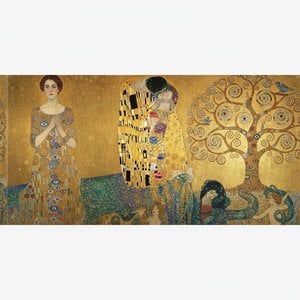
Gustav Klimt: Die 25 Meisterwerke des Wiener Jugendstils | ArtsDot
Entdecken Sie die 25 ikonischsten Gemälde von Gustav Klimt! Tauchen Sie ein in die Welt der Wiener Secession, des Jugendstils und der goldenen Phase. Hochwertige Reproduktionen & Inspiration für Ihr Zuhause auf ArtsDot.com.

Art Nouveau Meisterwerke: Die 10 prägendsten Kunstwerke für Ihr Zuhause |
Entdecken Sie die 10 prägendsten Art Nouveau Meisterwerke! Von Mucha bis Klimt – erfahren Sie die Geschichten hinter ikonischen Gemälde & dekorativer Kunst. Hochwertige Kunstdrucke online kaufen auf

Symbolismus in der Kunst: Die 10 Meisterwerke, die eine Ära prägten | ArtsDot
Entdecken Sie die 10 Meisterwerke des Symbolismus! Von Klimt bis Munch – erfahren Sie die Geschichten hinter ikonischen Gemälden, ihre Techniken & Bedeutung. Finden Sie Ihre perfekte Reproduktion auf ArtsDot.com.
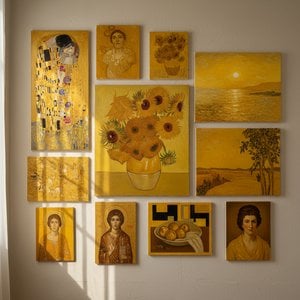
Die Top 10 berühmter Gemälde im Gelbocherton – Kunst für Ihr Zuhause |
Entdecken Sie die Top 10 berühmter Gemälde, dominiert von warmen Gelbochtönen! Von Van Gogh bis Monet – erfahren Sie die Geschichten hinter den Meisterwerken und lassen Sie sich für Ihre Wohnraumgestaltung inspirieren. Hochwertige Kunstdrucke auf

Gustav Klimt: Eine goldene Ära der Sinnlichkeit und Symbolik in der Wiener Kunst
Entdecken Sie Gustav Klimts faszinierende Welt! Erfahren Sie mehr über die Wiener Secession, seine sinnlichen Porträts und die 'Goldene Phase'. Expertenwissen & hochwertige Reproduktionen auf ArtsDot.


