In echtem Maßstab anzeigen
 Versenden als Grußkarte
 Teilen
 Details anzeigen
 Leitfaden öffnen

 Herunterladen
 Ähnliche Objekte
 Röntgenaufnahme
 Diashow
 Besucherstatistiken
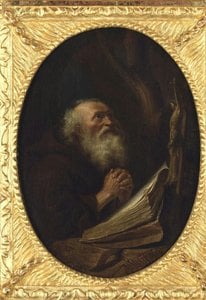
Self-Portrait
 Oil
Oil- WallArt
- Baroque
 1645
1645- Early Modern
 8.0 x 12.0 cm
 Die Kremer Sammlung
 Mehr anzeigen
Giclée / Kunstdruck
Giclée- oder Leinwanddruck in Museumsqualität mit schneller Produktion und flexiblen Veredelungsoptionen. ( Handgemalte Reproduktion kaufen Zum digitalen Bild wechseln)




P118B €10

P118H €10

P118W €10

P438Z €10

P508JH €12

P508YH €12

P805H €10

P805Z €10

P919BZ €10

P919G €10

P919XJ €10

P959ZH €10

P968JZ €12

W106C €8

W218G €10

W218JH €8

W218Y €10

W307PJ €10

W316G €10

W316PJ €8

W316Y €10

W398PJ €8

W4111J €10

W500HY €15

W500JH €15

W692G €12

W849H €8

W940BG €15

W953PJ €8




Wählen Sie aus unseren vordefinierten Formaten, die den ursprünglichen Proportionen des Kunstwerks entsprechen.

Sie können Ihre eigenen Maße eingeben, um ein bestimmtes Format oder einen speziellen Platz einzupassen. Wenn das von Ihnen gewählte Format nicht den Proportionen des Originalbildes entspricht, werden wir das Kunstwerk entweder beschneiden oder das Bild mit einem gespiegelten oder einfarbigen Rand erweitern. Ein digitaler Entwurf wird Ihnen zur Genehmigung zugesandt, bevor die Produktion beginnt.
Bitte beachten Sie, dass die Vorschau auf dem Bildschirm nicht den tatsächlichen Zuschnitt oder die Erweiterung widerspiegelt. Nur der Entwurf zeigt die endgültige Komposition präzise an.
Obwohl Sondermaße verfügbar sind, empfehlen wir die Auswahl eines Maßes aus der vordefinierten Liste, um die ursprünglichen Proportionen zu bewahren.
Weltweiter Versand () innerhalb von 2 Wochen statt der üblichen 4/5 Wochen. (8 Oktober)

Kostenloser weltweiter Expressversand

Hochwertige Leinenleinwand

Vollständiger Versicherungsschutz beim Versand

Zollgebühren-Rückerstattungsgarantie

Garantie für exakte Farbtreue

100-tägiges Rückgaberecht (nur bei Mängeln)

100% Geld-zurück-Garantie

Angebot für Mengenrabatt
 Die Glasoption ist nur für Größen unter 110 cm verfügbar.

Self-Portrait
Giclée / Kunstdruck
Format der Reproduktion
-


Gesamtpreis
€ 53
A Window Into the Soul: The Meticulous World of Gerrit Dou
In the quiet, meticulous world of the Dutch Golden Age, few artists possessed the ability to capture the soul through the smallest of details as profoundly as Gerrit Dou. His Self-Portrait, painted in 1645, serves as a breathtaking window into the mind of a man who was not merely a student of Rembrandt, but a pioneer of the Leiden fijnschilders style. This miniature marvel, measuring a mere 8 x 12 cm, defies its diminutive scale with an immense psychological presence. The artist presents himself with a serious, contemplative expression, draped in the sophisticated fashion of the 17th century. Through his gaze, we encounter a man deeply rooted in his era, yet possessing a timeless intensity that commands the viewer's undivided attention.
The technique employed in this work is nothing short of miraculous. Dou was a master of trompe l'oeil and extreme precision, a quality that allows the textures of his clothing and the subtle play of light to feel almost tactile. The composition utilizes a masterful application of chiaroscuro, where deep shadows dance against soft, illuminated surfaces to create a sense of three-dimensional depth. While the subject remains the focal point, the background whispers stories of a life lived amidst art and intellect; scattered bottles, a chair, and various objects suggest a studio environment that is both a workspace and a sanctuary. This meticulous attention to detail ensures that every time one views this piece, new layers of meaning and texture emerge from the shadows.
Historical Resonance and Artistic Mastery
To understand this portrait is to understand the very essence of the Dutch Golden Age. As a leading figure of the Leiden fijnschilders—the "fine painters"—Dou dedicated his life to an almost superhuman pursuit of detail. His background in the delicate craft of stained glass, inherited from his father, perhaps whispered to his future obsession with light and transparency. In this self-portrait, we see the culmination of that heritage. The way light interacts with the surfaces within the frame reflects a period of burgeoning scientific inquiry and humanist ideals, where the observation of the physical world was seen as a path to understanding the divine.
The painting evokes a sense of scholarly quietude and refined elegance. For the discerning collector or interior designer, this self-portrait offers more than just historical significance; it provides an emotional anchor for any curated space. Its ability to evoke nostalgia for the 17th century while maintaining a modern aesthetic makes it a versatile masterpiece. Whether placed in a private study, a quiet library, or as a focal point on a sophisticated gallery wall, the work invites a moment of pause and reflection.
A Timeless Addition to the Modern Collection
Choosing a high-quality reproduction of such a delicate work allows one to bring the intimacy of the Dutch masters into a contemporary setting. The emotional impact of Dou's work lies in its ability to transform a room, turning a simple wall into a portal to the past. It is an ideal centerpiece for those who appreciate the intersection of technical brilliance and psychological depth.
- Subject: A profound, contemplative self-representation of Gerrit Dou.
- Style: Leiden fijnschilder with masterful chiaroscuro.
- Atmosphere: Scholarly, intimate, and intellectually stimulating.
- Ideal Placement: Libraries, studies, or sophisticated, curated galleries.
Fragen & Antworten
Welche Platzierung passt zum Format von "Self-Portrait" von Gerrit Dou?
Format (Portrait) und der empfohlene Raum (Studio Apartment) sind die zwei festgehaltenen Platzierungsdetails für "Self-Portrait" von Gerrit Dou.
Wie alt war Gerrit Dou, als „Self-Portrait“ im Jahr 1645 geschaffen wurde?
Als "Self-Portrait" im Jahr 1645 entstand, war Gerrit Dou – geboren 1613 – 32 Jahre alt.
In welchem Jahr wurde "Self-Portrait" von Gerrit Dou geschaffen?
"Self-Portrait" von Gerrit Dou entstand im Jahr 1645.
Welche Farbe prägt die Komposition von "Self-Portrait" von Gerrit Dou?
Die Farbe, die in „Self-Portrait“ am stärksten hervorsticht, ist Espresso (#565242). Die dominante Farbe ist hilfreich, um ein Kunstwerk auf eine Inneneinrichtung abzustimmen.
Welche Farbintensität weist "Self-Portrait" von Gerrit Dou auf?
Die Farben in "Self-Portrait" von Gerrit Dou besitzen eine Monochromatic Intensität.
Wo kann ich eine digitale Abbildung von "Self-Portrait" von Gerrit Dou kaufen?
Ein digitales Bild von "Self-Portrait" von Gerrit Dou kann auf diese Seite erworben werden: ein hochauflösender digitaler Bild-Download.
Wer hat "Self-Portrait" erschaffen?
"Self-Portrait" wird Gerrit Dou zugeschrieben.
Ähnliche Kunstwerke


Biografie des Künstlers
Biografie eines produktiven Malers
Gerrit (Gérard) Dou, eine bedeutende Figur der niederländischen Malerei des Goldenen Zeitalters, wurde am 7. April 1613 in Leiden, Niederlande, geboren. Er verstarb am 9. Februar 1675 und hinterließ ein beeindruckendes Vermächtnis hochpolierter Gemälde, die Kunstliebhaber auf der ganzen Welt weiterhin in ihren Bann ziehen.Künstlerischer Stil und Spezialisierung
Gerrit Dous künstlerischer Stil zeichnet sich durch seine minutiöse und elaborierte Ausführung aus, oft mit Genreszenen und Trompe-l'oeil-'Nischen'-Gemälden. Seine Beherrschung des Chiaroscuro ist besonders bemerkenswert, wie man an seinen Kerzenschein-Nachtszenen erkennen kann. Diese einzigartige Kombination von Fähigkeiten hat zu seiner Assoziation mit den Leiden Fijnschilders geführt. Fijnschilders (Feinmaler) waren eine Gruppe niederländischer Maler des 17. Jahrhunderts, die für ihre extrem detaillierten und realistischen Darstellungen bekannt sind. Dou war einer der bedeutendsten Vertreter dieser Bewegung.Leben und Wirken
Gerrit Dou wurde in eine Familie von Künstlern hineingeboren. Sein Vater war ebenfalls Maler und sorgte dafür, dass Gerrit frühzeitig künstlerische Fähigkeiten erwarb. Bereits im Alter von 12 Jahren trat Dou in die Gilde der niederländischen Maler ein, was für seine Zeit ungewöhnlich früh war. Er studierte bei Frans Hals, einem bekannten Porträtmaler des Goldenen Zeitalters, und entwickelte schnell seinen eigenen unverwechselbaren Stil. Dous Gemälde zeichnen sich durch ihre außergewöhnliche Detailgenauigkeit aus. Er malte oft Innenräume mit sorgfältig arrangierten Gegenständen wie Musikinstrumenten, Büchern und wissenschaftlichen Geräten. Seine Werke spiegeln den Wohlstand und die intellektuelle Neugier der niederländischen Bürgerschaft im 17. Jahrhundert wider.Einflüsse und Vermächtnis
Gerrit Dous Einfluss ist in seinen Schülern zu sehen, darunter Frans van Mieris der Ältere und Gabriel Metsu. Er beeinflusste die Entwicklung des Genres der Intérieur-Malerei und trug zur Popularisierung des Stils der Fijnschilders bei. Seine Werke wurden in verschiedenen Museen ausgestellt, wie beispielsweise im Museum Huis ten Bosch in Den Haag, Niederlande, das eine beeindruckende Sammlung europäischer Kunst vom 16. bis zum 18. Jahrhundert beherbergt.- Wichtige Werke: * Der Astronom bei Kerzenschein, ein Gemälde, das Dous Expertise in der Darstellung von Lichtnuancen zeigt.
- Bekannte Sammlungen: Die Leidener Sammlung in New York beherbergt Werke von Gerrit Dou.
- Beeinflusste Künstler: Frans van Mieris der Ältere, Gabriel Metsu und andere.
Empfohlene Lektüre
- Gerrit (Gérard) Dou auf ArtsDot.com
- Die niederländische Malerei des Goldenen Zeitalters auf Wikipedia
Fazit
Gerrit (Gérard) Dous bemerkenswerte Beiträge zur niederländischen Malerei des Goldenen Zeitalters haben eine unauslöschliche Spur in der Kunstwelt hinterlassen. Seine fesselnden Gemälde, die sich durch ihre komplizierten Details und die meisterhafte Verwendung von Licht auszeichnen, inspirieren weiterhin Künstler und Kunstliebhaber gleichermaßen. Um mehr über seine Werke und die anderer bedeutender Künstler zu erfahren, besuchen Sie ArtsDot.com.
Gerrit Dou
1613 - 1675 , Niederlande
Eckdaten zum Künstler
- Beeinflusste Künstler:
- Frans van Mieris der Ältere
- Gabriel Metsu
- Bemerkenswerte Werke: ['Der Astronom bei Kerzenlicht']
- Geburtsdatum: 7. April 1613
- Geburtsort: Leiden, Niederlande
- Künstlerischer Stil: Fijnschilder, Genre
- Nationalität: Niederländisch
- Sterbedatum: 9. Februar 1675
- Vollständiger Name: Gerrit (Gerard) Dou
Verwandte Artikel

Golden Age Reflections: Dutch Baroque Painting & Cultural Innovation
Explore the Dutch Golden Age of painting! Discover key artists like Vermeer & ter Borch, their innovative techniques, and the rich cultural context behind these Baroque masterpieces. Learn about collecting & appreciating this iconic art period.

Illuminating Innovation: Exploring the Dutch Golden Age of Painting
Explore the Dutch Golden Age of painting with ArtsDot. Discover Rembrandt, Vermeer & other Masters. Learn about key characteristics, iconic artworks, and lasting influence. Expert insights for collectors & enthusiasts.

Die 10 Meisterwerke des Goldenen Zeitalters der niederländischen Malerei |
Entdecken Sie die 10 Meisterwerke des Niederländischen Goldenen Zeitalters! Von Rembrandt bis Vermeer – erleben Sie Kunstgeschichte, Techniken & Emotionen. Hochwertige Gemäldereproduktionen für Ihr Zuhause auf .
Gerrit Dou: Intimität und Licht in der niederländischen Malerei des Goldenen Zeitalters
Entdecken Sie Gerrit Dou, einen Meister des Goldenen Zeitalters! Erfahren Sie mehr über seine innovative Lichtführung, detailreichen Genrebilder und seinen Einfluss auf die niederländische Malerei. Expertenanalyse & Hintergrundinformationen.
Illuminating Realism: Exploring the Dutch Golden Age of Painting (1600-1700)
Explore the Dutch Golden Age of painting (1600-1700) with ArtsDot. Discover Rembrandt, Vermeer & other masters. Learn about techniques, history & find museum-quality reproductions.