


 Vorschau anzeigen
 Versenden
 Teilen
 Details anzeigen

 Herunterladen
 Ähnliche Objekte
 Röntgenaufnahme
 Diashow
Andaime
 Acrylic On Canvas
- WallArt
- Minimalist Documentary Photography
 1970
1970 40.0 x 40.0 cm
 Itaú Cultural Institut
 Weiterlesen
Giclée / Kunstdruck
Giclée- oder Leinwanddruck in Museumsqualität mit schneller Produktion und flexiblen Veredelungsoptionen. ( Handgemalte Reproduktion bestellen Bild kaufen)




P118B $10

P118H $10

P118W $10

P438Z $10

P508JH $12

P508YH $12

P805H $10

P805Z $10

P919BZ $10

P919G $10

P919XJ $10

P959ZH $10

P968JZ $12

W106C $8

W218G $10

W218JH $8

W218Y $10

W307PJ $10

W316G $10

W316PJ $8

W316Y $10

W398PJ $8

W4111J $10

W500HY $15

W500JH $15

W692G $12

W849H $8

W940BG $15

W953PJ $8




Wählen Sie aus unseren vordefinierten Formaten, die den ursprünglichen Proportionen des Kunstwerks entsprechen.

Sie können Ihre eigenen Maße eingeben, um ein bestimmtes Format oder einen speziellen Platz einzupassen. Wenn das von Ihnen gewählte Format nicht den Proportionen des Originalbildes entspricht, werden wir das Kunstwerk entweder beschneiden oder das Bild mit einem gespiegelten oder einfarbigen Rand erweitern. Ein digitaler Entwurf wird Ihnen zur Genehmigung zugesandt, bevor die Produktion beginnt.
Bitte beachten Sie, dass die Vorschau auf dem Bildschirm nicht den tatsächlichen Zuschnitt oder die Erweiterung widerspiegelt. Nur der Entwurf zeigt die endgültige Komposition präzise an.
Obwohl Sondermaße verfügbar sind, empfehlen wir die Auswahl eines Maßes aus der vordefinierten Liste, um die ursprünglichen Proportionen zu bewahren.
Weltweiter Versand () innerhalb von 2 Wochen statt der üblichen 4/5 Wochen. (19 August)

Kostenloser weltweiter Expressversand

Hochwertige Leinenleinwand

Umfassender Versicherungsschutz beim Versand

Zollgebühren-Rückerstattungsgarantie

Garantie für exakte Farbtreue

60 Tage Rückgaberecht (nur bei Mängeln)

100% Geld-zurück-Garantie

Mengenrabatt verfügbar
 Die Glasoption ist nur für Größen unter 110 cm verfügbar.

Andaime
Giclée / Kunstdruck
Format der Reproduktion
-


Gesamtpreis
$ 62
Sammlerstück-Beschreibung
Andaime: A Silent Dialogue Between Man and Nature
German de Mello’s “Andaime” – meaning ‘ladder’ in Portuguese – is more than just a photograph; it's a carefully constructed meditation on solitude, aspiration, and the quiet beauty of industrial decay. Captured in 1970, this stark black and white image immediately draws the viewer into its austere landscape, inviting contemplation rather than immediate interpretation. The composition is deceptively simple: a weathered wooden ladder leaning against a towering metal pole, a solitary bench beneath, and two birds perched serenely above. Yet within this minimalist arrangement lies a profound sense of narrative, hinting at stories untold and emotions subtly conveyed.
De Mello’s photographic style during this period was characterized by an almost clinical precision, prioritizing form and composition over elaborate manipulation. He eschewed dramatic lighting or complex narratives, instead focusing on capturing the inherent beauty within everyday subjects. This approach is evident in “Andaime,” where the diffused light reveals subtle textures – the rough grain of the wood, the cool sheen of the metal, the delicate feathers of the birds. The photograph’s flatness, a deliberate choice, eliminates any sense of depth or perspective, forcing the viewer to confront the scene directly and engage with its inherent stillness. The use of black and white further amplifies this effect, stripping away distracting color and emphasizing tonal variations that contribute to the image's powerful mood.
A Brazilian Context: Photography and Industrialization
To fully appreciate “Andaime,” it’s crucial to understand the context in which de Mello was working. Following his early career as an accountant, he transitioned into photography in 1952, joining the influential Foto Cinema Clube Bandeirante group – a collective dedicated to documenting Brazilian culture and landscapes. This period coincided with a significant wave of industrialization sweeping across Brazil, transforming its urban centers and impacting its rural areas. De Mello’s work often reflected this shift, exploring themes of modernization, social change, and the relationship between humanity and the natural world.
His early photograph, “Le Diable au Corps” (1949), already demonstrated his artistic vision, showcasing a bold use of composition and light. “Curvas Concêntricas” (1955) further solidified his reputation for meticulous detail and masterful control over form. Serving as the official photographer for São Paulo’s 400th anniversary in 1954 provided him with invaluable experience documenting a rapidly changing nation, skills he brought to bear on works like “Andaime.” The photograph's quiet dignity speaks to a generation grappling with progress while retaining a deep connection to tradition.
Symbolism and the Ladder’s Ascent
The ladder itself is a potent symbol within the image. It represents aspiration, reaching for something beyond immediate reach – a metaphorical climb towards knowledge, success, or perhaps simply a higher vantage point. Its weathered appearance suggests a history of use, hinting at countless journeys undertaken and goals pursued. The pole, a stark vertical element, acts as an anchor, grounding the ladder and providing a stable foundation. The birds perched above offer a contrasting image of freedom and observation, suggesting that even in moments of striving, there’s always room for contemplation and perspective.
The solitary bench beneath the pole reinforces the theme of solitude. It invites the viewer to pause, reflect, and consider their own place within this landscape. The composition as a whole creates a sense of quiet tension – a feeling of yearning combined with acceptance. It’s not a triumphant image; rather, it's a poignant portrayal of the human condition, capturing a fleeting moment of stillness amidst an ever-changing world.
A Timeless Masterpiece: Reproduction and Interior Design
“Andaime” by German de Mello is a testament to the power of minimalist photography. Its enduring appeal lies in its ability to evoke complex emotions with remarkable simplicity. Reproductions, meticulously crafted to capture the original’s tonal nuances and textural details, offer a beautiful addition to any interior space. The photograph's muted palette and contemplative mood make it particularly well-suited for modern and contemporary settings, providing a subtle yet impactful focal point.
Consider “Andaime” in rooms seeking a touch of understated elegance – a library bathed in natural light, a study overlooking a tranquil garden, or even a minimalist living room. Its quiet strength will complement any design aesthetic, inviting viewers to pause and appreciate the beauty of simplicity and the enduring power of visual storytelling. The photograph’s inherent symbolism also lends itself well to spaces that value contemplation and personal reflection.
Ähnliche Kunstwerke


Über den Künstler
Frühes Leben und Einflüsse
- Geboren: São Paulo, Brasilien (1922)
- Gestorben: 2021
- Er studierte zunächst Buchhaltung am Liceu Acadêmico de São Paulo.
- Im Jahr 1952 gründete er sein eigenes Buchhaltungsunternehmen, bevor er sich ganz der Fotografie widmete.
- 1959 trat er dem Foto Cinema Clube Bandeirante bei, einer entscheidenden Gruppe für brasilianische Fotografen wie Thomaz Farkas und Chico Albuquerque.
- Er fungierte als offizieller Fotograf für die Feierlichkeiten zum 400. Jahrestag von São Paulo im Jahr 1954.
Künstlerische Entwicklung und Hauptwerke
- Er ist vor allem für seine eindrucksvollen Schwarz-Weiß-Fotografien bekannt.
- Sein Werk zeigt einen einzigartigen Ansatz zur visuellen Komposition und eine ausgeprägte Liebe zum Detail.
- Zu den bedeutendsten Werken gehören:
- Le Diable au Corps (1949): Eine bedeutende frühe Fotografie, die seine künstlerische Vision demonstriert.
- Curvas Concêntricas (1955): Unterstreicht seine kompositorischen Fähigkeiten.
- Apartments or: Fängt die Essenz des städtischen Lebens ein.
- Still Life: Zeigt akribische Aufmerksamkeit für das Detail.
- Seine Fotografie untersuchte oft Themen des städtischen Lebens sowie Stillleben-Motive.
Stil und Techniken
- Charakteristischer Stil: Der Stil von German de Mello zeichnet sich durch seine karge Schlichtheit, den meisterhaften Einsatz von Licht und Schatten sowie ein geschultes Auge für geometrische Formen aus.
- Technische Meisterschaft: Er war hochqualifiziert in traditionellen fotografischen Techniken, insbesondere im Schwarz-Weiß-Druck.
- Kompositorischer Ansatz: Seine Kompositionen bestehen oft aus sorgfältig angeordneten Elementen, die ein Gefühl von Balance und Harmonie erzeugen.
- Einflüsse: Der Foto Cine Clube Bandeirante spielte eine entscheidende Rolle bei der Gestaltung seiner künstlerischen Entwicklung, indem er ihn mit modernen fotografischen Trends konfrontierte.
Anerkennung und Vermächtnis
- Seine Fotografien werden in renommierten Museen aufbewahrt, darunter das Museu de Arte de São Paulo Assis Chateaubriand (MASP).
- Er wird als Schlüsselfigur der „Escola Paulista de Fotografia“ (São Paulo Schule der Fotografie) anerkannt.
- Seine Beiträge zur brasilianischen Fotografie wurden bis weit in seine späteren Jahre hinein gefeiert.
- Sein Werk wurde international ausgestellt, was seinen Platz in der Kunstgeschichte festigte.
- Er verstarb im Jahr 2021 und hinterließ ein Vermächtnis aus fesselnden Fotografien, die Künstler und Fotografen auch heute noch inspirieren.
Historische Bedeutung
- Pionier der brasilianischen Fotografie: De Mello war maßgeblich an der Entwicklung der modernen Fotografie in Brasilien beteiligt und trug wesentlich zu deren künstlerischer Anerkennung bei.
- Dokumentation des städtischen Lebens: Seine Fotografien bieten ein wertvolles visuelles Zeugnis von São Paulo und seiner sich wandelnden Stadtlandschaft in der Mitte des 20. Jahrhunderts.
- Einfluss auf nachfolgende Generationen: Sein einzigartiger Stil und Ansatz haben unzählige Fotografen in Brasilien und darüber hinaus beeinflusst.
- Bewahrung des kulturellen Erbes: Durch sein Werk half er, einen lebenswichtigen Teil des brasilianischen Kulturerbes für zukünftige Generationen zu bewahren.

German De Mello
1922 - 2021 , Brasilien
Kurzinfos
- Artistic Movement Or Style: Fotografie
- Artists Who Influenced This Artist:
- Thomaz Farkas
- Chico Albuquerque
- Date Of Birth: 1922
- Date Of Death: 2021
- Full Name: German de Mello
- Nationality: Brasilianisch
- Notable Artworks:
- Le Diable Au Corps
- Curvas Concêntricas
- Apartments or
- Still Life
- Place Of Birth: São Paulo, Brasilien
Ähnliche Artikel

Handelsanfragen
APS bietet seit 2004 hochwertige Kunst-Reproduktionen und individuelle Auftragsarbeiten an. Unternehmen, Hotels und ausgewählte Sammler vertrauen auf uns für museumsgerechte Kunstwerke, diskreten Service und umfassende künstlerische Lösungen. Kontaktieren Sie uns für ein individuelles Angebot!

Monochrome Visions: Exploring the Aesthetic & Historical Significance of Black & White Photography
Explore the rich history & artistic power of black and white photography. From early techniques to iconic masters like Ansel Adams, discover why monochrome continues to captivate art lovers today. Expert insights for collectors.

Weiße Meisterwerke: Die Top 10 berühmtesten Gemälde und ihre zeitlose Eleganz
Entdecken Sie die Top 10 berühmter Gemälde, dominiert von Weiß! Von Malewitsch bis Rothko – erfahren Sie Geschichten hinter ikonischen Kunstwerke und lassen Sie sich für Ihre Wohnraumgestaltung inspirieren. Kunstreproduktionen in Museumsqualiät auf

Goya: Die 25 Meisterwerke des spanischen Genies – Kunst für Ihr Zuhause | ArtsDot
Entdecken Sie die 25 Meisterwerke von Francisco Goya! Tauchen Sie ein in die düstere Romantik spanischer Malerei, Porträts & Historienbilder. Hochwertige Kunstdrucke auf ArtsDot.com – für Kunstliebhaber und stilvolles Wohnen.
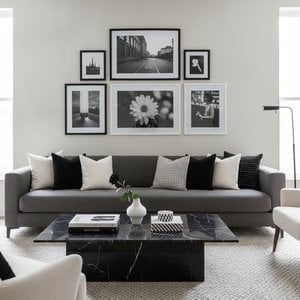
Timeless & Chic: Elevating Your New Home with the Sophistication of Black and White Photography
Transform your new home with the timeless allure of black and white photography. ArtsDot.com specializes in elegant monochrome decor and custom hand-painted wedding portraits that turn cherished milestones into lasting, soulful masterpieces. Elevate your space with ease.

