


 In echtem Maßstab anzeigen
 Versenden als Grußkarte
 Teilen
 Details anzeigen
 Leitfaden

 Herunterladen
 Ähnliche Objekte
 Röntgenaufnahme
 Diashow
 Besucherstatistiken
La Roche-Guyon, Der Burgturm


 Mehr anzeigen
Giclée / Kunstdruck
Giclée- oder Leinwanddruck in Museumsqualität mit schneller Produktion und flexiblen Veredelungsoptionen. ( Handgemalte Reproduktion kaufen Zum digitalen Bild wechseln)




P118B $10

P118H $10

P118W $10

P438Z $10

P508JH $12

P508YH $12

P805H $10

P805Z $10

P919BZ $10

P919G $10

P919XJ $10

P959ZH $10

P968JZ $12

W106C $8

W218G $10

W218JH $8

W218Y $10

W307PJ $10

W316G $10

W316PJ $8

W316Y $10

W398PJ $8

W4111J $10

W500HY $15

W500JH $15

W692G $12

W849H $8

W940BG $15

W953PJ $8




Wählen Sie aus unseren vordefinierten Formaten, die den ursprünglichen Proportionen des Kunstwerks entsprechen.

Sie können Ihre eigenen Maße eingeben, um ein bestimmtes Format oder einen speziellen Platz einzupassen. Wenn das von Ihnen gewählte Format nicht den Proportionen des Originalbildes entspricht, werden wir das Kunstwerk entweder beschneiden oder das Bild mit einem gespiegelten oder einfarbigen Rand erweitern. Ein digitaler Entwurf wird Ihnen zur Genehmigung zugesandt, bevor die Produktion beginnt.
Bitte beachten Sie, dass die Vorschau auf dem Bildschirm nicht den tatsächlichen Zuschnitt oder die Erweiterung widerspiegelt. Nur der Entwurf zeigt die endgültige Komposition präzise an.
Obwohl Sondermaße verfügbar sind, empfehlen wir die Auswahl eines Maßes aus der vordefinierten Liste, um die ursprünglichen Proportionen zu bewahren.
Weltweiter Versand () innerhalb von 2 Wochen statt der üblichen 4/5 Wochen. (23 September)

Kostenloser weltweiter Expressversand

Hochwertige Leinenleinwand

Vollständiger Versicherungsschutz beim Versand

Zollgebühren-Rückerstattungsgarantie

Garantie für exakte Farbtreue

100-tägiges Rückgaberecht (nur bei Mängeln)

100% Geld-zurück-Garantie

Angebot für Mengenrabatt
 Die Glasoption ist nur für Größen unter 110 cm verfügbar.

La Roche-Guyon, Der Burgturm
Giclée / Kunstdruck
Format der Reproduktion
-


Gesamtpreis
$ 62
Georges Braque’s “La Roche-Guyon, The Castle”: A Fauvist Vision of French Landscape
Georges Braque's "La Roche-Guyon, The Castle," painted in 1909, isn’t merely a depiction of a castle; it’s an explosion of color and emotion, a pivotal work that encapsulates the burgeoning spirit of Fauvism. This painting, born from Braque’s early explorations into modern art, offers a glimpse into a world where traditional representational concerns are deliberately abandoned in favor of pure visual sensation. The scene unfolds within the lush, verdant landscape surrounding La Roche-Guyon, a small village in Normandy – a location that itself holds a certain romantic allure, steeped in history and folklore. The castle, rendered with bold, almost sculptural strokes, dominates the composition, yet it’s not presented as a static monument but rather as an active participant within this vibrant, pulsating environment.
Fauvist Color and Dynamic Composition
Braque's genius lies in his masterful manipulation of color. He rejects the muted tones favored by academic painting, instead embracing a palette of intense blues, fiery reds, and shocking yellows – colors that seem to vibrate with an almost palpable energy. This deliberate departure from naturalism is characteristic of Fauvism, a movement that sought to liberate color from its descriptive function, using it purely for expressive effect. The brushstrokes themselves are equally dynamic, applied with a confident, often impastoed texture that adds depth and physicality to the scene. Notice how the greens aren’t subtle shades but rather bold, saturated hues, creating an overwhelming sense of vitality. The composition is deliberately unbalanced, drawing the eye across the canvas in a restless dance, mirroring the emotional intensity of the subject matter.
Technique and Artistic Evolution
Examining the painting's technique reveals Braque’s deliberate experimentation. He employed a layering method, building up color and texture through multiple applications of paint. This creates a remarkable sense of depth and volume, particularly evident in the stonework of the castle. Interestingly, "La Roche-Guyon, The Castle" represents a crucial transitional phase in Braque's artistic development. While firmly rooted in Fauvist principles, it foreshadows his later explorations into Cubism – a movement he would co-found with Pablo Picasso. The fragmented forms and geometric elements subtly present here are hinting at the deconstruction of traditional perspective that would characterize his future work. The artist’s skillful use of light and shadow, though not adhering to strict realism, contributes significantly to the painting's overall atmosphere, creating a sense of drama and intrigue.
Symbolism and Emotional Resonance
Beyond its purely visual qualities, "La Roche-Guyon, The Castle" carries symbolic weight. Castles have long represented power, defense, and even isolation – themes that resonate deeply within the historical context of Normandy. The surrounding landscape, teeming with life and color, could be interpreted as a counterpoint to this fortress, suggesting a yearning for connection and harmony amidst the imposing structures of authority. The painting evokes a feeling of both grandeur and vulnerability, inviting contemplation on the relationship between humanity and its environment. It’s not simply a picturesque view; it's an emotional landscape, brimming with unspoken narratives.
A Timeless Masterpiece – Perfect for Reproduction
“La Roche-Guyon, The Castle” remains a testament to Braque’s innovative spirit and the transformative power of Fauvism. ArtsDot offers meticulously crafted hand-painted reproductions that faithfully capture the vibrancy and emotional depth of this iconic work. Whether adorning your walls or serving as inspiration for interior design projects, a reproduction of “La Roche-Guyon, The Castle” brings a touch of artistic brilliance to any space – a vibrant reminder of a pivotal moment in art history.
Ähnliche Kunstwerke


Biografie des Künstlers
**frühes Leben und Ausbildung**
Georges Braque, ein prominenter französischer Maler, Kollagist, Bleistrichzeichner, Grafiker und Bildhauer, wurde am 13. Mai 1882 in Argenteuil, Val-d'oise, geboren. Er wuchs in Le Havre auf und erhielt zunächst eine Ausbildung als Hausmaler und Dekorateur wie sein Vater und Großvater. Braques künstlerische Neigungen führten ihn jedoch dazu, von 1897 bis 1899 an der École des Beaux-Arts in Le Havre Malerei zu studieren.**Künstlerische Entwicklung und Fauvisme**
Im Jahr 1902, nachdem er seine Lehre bei einem Dekorateur in Paris abgeschlossen hatte, besuchte Braque bis 1904 die Académie Humbert. Dieser Zeitraum markierte seine Einführung ins Fauvismus, einen Stil, der durch lebendige Farben und emotionale Reaktionen gekennzeichnet ist. Beeinflusst von den Werken von Henri Matisse und André Derain, übernahm Braque einen fauvistischen Ansatz, wie in seinem Gemälde The Patience (Fauvismus, Öl auf Leinwand).**Beitrag zum Kubismus**
Braques Zusammenarbeit mit Pablo Picasso von 1908 bis 1912 führte zur Entwicklung des Kubismus. Ihre analytischen kubistischen Werke, wie z.B. Georges Braque: The Patience und Pablo Picasso: Clarinet(analytischer Kubismus, Öl auf Leinwand), gelten heute als Meilensteine der Kunstgeschichte.**Erbe und bemerkenswerte Werke**
* Houses at L'Estaques: Ein Zeugnis für Braques innovatives Einsatz von Geometrie und simultaner Perspektive. * The Patience(Fauvismus, Öl auf Leinwand): Demonstriert Braques fauvistischen Stil. * Clarinet(analytischer Kubismus, Öl auf Leinwand): Eine kollaborative kubistische Arbeit mit Picasso.**Museen und Sammlungen**
* Musée d'Orsay: Bietet eine umfangreiche Sammlung impressionistischer und postimpressionistischer Kunst, darunter Werke von Braque. * Musée de l'Orangerie: Zeigt eine breite Palette von Kunstwerken, darunter Werke von Braque und anderen bedeutenden Künstlern.- Erfahren Sie mehr über Georges Braques Leben und Werk auf ArtsDot.com
- Entdecken Sie die Sammlung des Musée d'Orsay, die Werke von Braque und anderen Künstlern umfasst, unter Musée d'Orsay - Wikipedia
- Erfahren Sie mehr über den Fauvismus und seinen Einfluss auf die Entwicklung des Kubismus mit Fauvismus Kunstbewegung auf ArtsDot.com
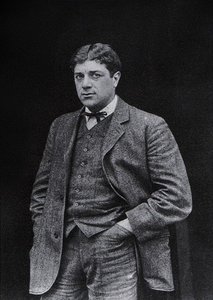
Georges Braque
1882 - 1963 , Frankreich
Eckdaten zum Künstler
- Beeinflusste Künstler: ['Pablo Picasso']
- Bemerkenswerte Werke:
- Häuser in L'Estaque
- Die Geduld (Fauvismus)
- Stillleben mit Pfeife
- Mandola
- Einflussreiche Künstler:
- Henri Matisse
- André Derain
- Paul Cézanne
- Geburtsdatum: 13. Mai 1882
- Geburtsort: Argenteuil, Frankreich
- Künstlerischer Stil: Kubismus, Fauvismus
- Nationalität: Französisch
- Sterbedatum: 1963
- Vollständiger Name: Georges Braque
Verwandte Artikel
Top 25 Kunstwerke der Biennale Venedig: Meisterwerke für Ihr Zuhause | ArtsDot
Entdecken Sie die 25 bedeutendsten Kunstwerke der Biennale Venedig! Erfahren Sie die Geschichten hinter berühmten Gemälden, Künstlern und Stilen. Hochwertige Kunstdrucke & Reproduktionen für Ihr Zuhause – jetzt auf ArtsDot.com!

Georges Braque: Die 25 Meisterwerke des Kubismus für Ihr Zuhause | ArtsDot
Entdecken Sie die 25 bedeutendsten Kunstwerke von Georges Braque – vom Kubismus bis zum Fauvismus. Erfahren Sie die Geschichten hinter den Meisterwerken und finden Sie hochwertige Reproduktionen für Ihr Zuhause auf ArtsDot.com.

Georges Braque: Pionier des Kubismus und die Evolution moderner Formensprache
Entdecken Sie Georges Braques revolutionären Einfluss auf den Kubismus und die moderne Kunstgeschichte. Expertenanalyse seiner Formensprache, Werke & Bedeutung. Jetzt lesen!

Georges de La Tour: Licht, Spiritualität und Realismus im Barock – Eine Neubewertung
Entdecken Sie Georges de La Tour, den vergessenen Meister des Barocks! Erfahren Sie mehr über sein einzigartiges Lichtkonzept, seine spirituelle Malerei und seinen Einfluss auf die Kunstgeschichte. Expertenanalyse & Hintergrundinformationen.

Georges Seurat: Die 25 Meisterwerke des Pointillismus für Ihr Zuhause | ArtsDot
Entdecken Sie die 25 ikonischsten Meisterwerke von Georges Seurat! Tauchen Sie ein in die Welt des Pointillismus, der Farbtheorie und des Impressionismus. Hochwertige Kunst reproduzieren für Ihr Zuhause – jetzt auf ArtsDot.com!


