

 Vorschau anzeigen
 Versenden
 Teilen
 Details anzeigen
 Leitfaden

 Herunterladen
 Ähnliche Objekte
 Röntgenaufnahme
 Diashow
 Fragen & Antworten
 Statistiken
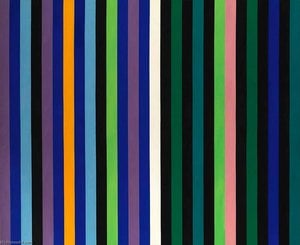
Red Baron

- 200.0 x 103.0 cm

 Weiterlesen
Erhalten Sie eine druckfertige Datei, die weit über die Web-Vorschau hinausgeht. Jedes von uns verkaufte digitale Bild basiert auf einem hochauflösenden Master aus unserer Datenbank – in der Regel 5.000 bis 15.000 Pixel breit –, sodass Sie mit Vertrauen großformatig drucken, eng ausschneiden oder feinste Details reproduzieren können.
Keine Datei verlässt unser Studio unberührt. Ein Digitalexperte gleicht die Farben mit dem Originalgemälde ab und korrigiert sie bei Bedarf, um anschließend Klarheit und Details mit professionellen Retuschewerkzeugen zu optimieren – dabei stets der Pinselführung und dem Stil des Künstlers treu bleibend. Das Ergebnis ist ein Bild, das wie das Gemälde selbst wirkt und nicht wie ein gefilterter Scan.
Sie entscheiden über das Endergebnis: Unser Experte sendet Ihnen das Bild innerhalb von 72 Stunden zur Ansicht per E-Mail zu. Nicht zufrieden? Fordern Sie Verbesserungen oder Korrekturen an oder verlangen Sie eine Rückerstattung, falls die Qualität nicht Ihren Erwartungen entspricht.
Dies ist die Qualität, auf die sich Verlage, Designstudios, Galerien und Druckereien verlassen.
Digitales Kunstwerk
Laden Sie eine hochauflösende Datei für die persönliche Präsentation, den Druck und kreative Projekte herunter. ( Zum Druck wechseln Handgemalte Reproduktion bestellen)
In jeder Bestellung digitaler Bilder enthalten
Professionelle digitale Bereitstellung, garantiert
Wenn Sie sich für ArtsDot.com entscheiden, erhalten Sie nicht nur ein Bild – Sie erhalten ein professionell aufbereitetes digitales Kunstwerk, das mit höchster Präzision erstellt und durch eine Zufriedenheitsgarantie abgesichert wird. Hier ist alles, was automatisch mit Ihrer Bestellung geliefert wird:

Schnelle E-Mail-Zustellung
Ihre hochauflösende digitale Bilddatei wird Ihnen innerhalb von 72 Stunden nach der Bestellung per E-Mail zugestellt – bereit zur sofortigen Verwendung.

KI-optimierte digitale Datei
Ihre Kunstwerke werden professionell mithilfe fortschrittlicher KI-Tools und manueller Bearbeitung optimiert, um maximale Detailtreue, Klarheit und Farbgenauigkeit zu gewährleisten.

Kostenloser lebenslanger Neudruckservice
Datei versehentlich gelöscht oder verloren? Keine Sorge – wir senden sie Ihnen jederzeit kostenlos erneut zu.

Keine Einfuhrgebühren – jemals
Genießen Sie Ihr Kunstwerk sofort ohne Zollgebühren, Einfuhrabgaben oder Versandkosten – digitale Downloads sind immer steuerfrei.

Garantierte Farbtreue
Wir garantieren, dass Ihr digitales Bild mithilfe professioneller Werkzeuge und Farbmanagement die Originalfarben so präzise wie möglich wiedergibt.

100-Tage-Zufriedenheitsgarantie
Sollten Sie mit Ihrem digitalen Bild nicht zufrieden sein, werden wir es überarbeiten oder 100% innerhalb von 100 Tagen erstatten – ohne Wenn und Aber.

100% Geld-zurück-Garantie
Nicht zufrieden? Erhalten Sie innerhalb von 100 Tagen nach Erhalt Ihrer digitalen Datei eine vollständige Rückerstattung – ohne Wenn und Aber.

Rabatte bei Großbestellungen
3 Bilder kaufen, 10% sparen – 5 Bilder kaufen, 15% sparen – Ab 10 Bildern 20% sparen. Ideal für kreative Projekte, Galerien und Agenturen.
Artist Background
Gene Bernard Davis was an American artist known for his contributions to the Color Field movement. His work often featured vertical stripes of color, which gave his paintings a sense of rhythm and energy. The Red Baron is a quintessential example of this style, with its bold red and orange hues evoking a sense of dynamism and movement.Painting Description
The Red Baron features two distinct sections: one predominantly red and the other mostly orange. The red section appears as a solid color, while the orange section has some texture and detail. This contrast between smooth and textured surfaces adds depth to the painting, making it more engaging for the viewer.Museum Collections
The Red Baron is part of the collection at the Smithsonian American Art Museum. You can find more information about this painting and other works by Gene Bernard Davis on the ArtsDot.com website.- The Red Baron is a significant work in the Gene Bernard Davis oeuvre, showcasing his unique style and contribution to the Color Field movement.
- The painting's bold colors and geometric shapes make it a visually striking piece that continues to captivate audiences today.
- As a leading figure in the Washington Color School, Gene Bernard Davis played an important role in shaping the development of American art in the mid-20th century.
The Red Baron is a testament to the enduring power of Color Field art, and its influence can still be seen in contemporary art today. As a masterpiece of American art, it continues to inspire and delight audiences around the world.
Fragen & Antworten
Wie lässt sich der urheberrechtliche Status von "Red Baron" von Gene Bernard Davis erklären?
"Red Baron" von Gene Bernard Davis ist noch urheberrechtlich geschützt. Die Urheberrechtsfristen werden ab dem Todesjahr des Künstlers berechnet, und Gene Bernard Davis verstarb im Jahr 1985.
Welche Farbe prägt die Komposition von "Red Baron" von Gene Bernard Davis?
Die dominante Farbe von "Red Baron" von Gene Bernard Davis ist Mahogany (#e2311b).
Wie harmonisch ist die Farbgestaltung von "Red Baron" von Gene Bernard Davis?
Die Farben von "Red Baron" von Gene Bernard Davis weisen eine Unified Palette Harmonie auf. Harmonie beschreibt das Zusammenspiel der Farben untereinander.
Ähnliche Kunstwerke


Biografie des Künstlers
Der Architekt der Farbe: Das Leben und das Vermächtnis von Gene Bernard Davis
Im lebendigen Geflecht der amerikanischen Abstraktion der Mitte des Jahrhunderts leuchten nur wenige Fäden so hell oder so rhythmisch wie jene, die von Gene Bernard Davis gewoben wurden. Als Pionier der Color Field-Bewegung besaß Davis die einzigartige Fähigkeit, die Leinwand in ein rhythmischen Erlebnis von Licht und Bewegung zu verwandeln. Geboren 1920 in Brooklyn, New York, war sein künstlerischer Weg nicht von sofortiger Abstraktion geprägt, sondern vielmehr von einer schrittweisen, tiefgreifenden Evolution, geformt durch einen scharfen Beobachtungssinn und eine unerschütterliche Hingabe zur Farblehre. Seine frühen Jahre waren geprägt von einem faszinierenden Zusammenfluss von Erfahrungen, darunter ein jugendliches Eintauchen in den Sportjournalismus und eine tiefe Auseinandersetzung mit der sozialen Landschaft von Washington D.C., was später seine einzigartige Perspektive auf den visuellen Rhythmus beeinflussen sollte.
Davis’ künstlerisches Empfinden war tief in den Lehren der europäischen Avantgarde verwurzelt. Seine formale Ausbildung an der Yale University unter dem legendären Josef Albers erwies sich als transformativ und pflanzte in ihm eine Faszination für geometrische Abstraktion und die komplexe Mechanik optischer Täuschungen ein. Von Albers lernte Davis, dass Farbe gleichzeitig Emotion und Intellekt kommunizieren kann – eine Überzeugung, die zum Herzschlag seiner Karriere wurde. Er schöpfte Inspiration aus der strukturiertem Präzision von Piet Mondrian und den perzeptiven Harmonien von Albers und verschmolz diese Einflüsse zu einem Stil, der sowohl mathematisch diszipliniert als auch emotional resonant war.
Eine Sinfonie der Streifen: Technik und Innovation
Der wahre Durchbruch für Davis gelang ihm 1953 mit seiner monumentalen Leinwand „Bay“. In evokativen Blautönen ausgeführt, etablierte dieses Werk ihn als visionären Innovator innerhalb der Washington Color School. Hier perfektionierte er seine Signaturtechnik: das bewusste Schichten von vertikalen und horizontalen Streifen, die akribisch kalibriert wurden, um eine Illusion von Tiefe, Vibration und Bewegung zu erzeugen. Für Davis war der Streifen niemals bloß dekorativ; er war ein wissenschaftliches Werkzeug, um die grundlegenden Prinzipien der Farbwahrnehmung und die Beziehung zwischen Pigment und Oberflächentextur zu untersuchen.
Im Laufe seiner Karriere weitete sich seine Palette zu atemberaubenden Erkundungen chromatischer Energie aus. Seine Werke zeichneten sich oft durch folgende Merkmale aus:
- Chromatische Vibranz: Der Einsatz kräftiger, nebeneinander stehender Farben wie Rot, Gelb, Blau und Grün, um ein Gefühl von pulsierendem Licht zu erzeugen.
- Geometrische Präzision: Eine Meisterschaft des Streifenmusters, um das Auge des Betrachters in einem rhythmischen Tanz über die Leinwand zu führen.
- Maßstab und Präsenz: Großformatige Kompositionen, wie „The Red Witch“ (1966), die darauf ausgelegt waren, das gesamte Sichtfeld des Betrachters auszufüllen und ihn in Farbe einzuhüllen.
Diese Erkundung erreichte ikonische Höhen in Werken wie „Flower Machine“ (1964), wo ein farbenfrohes Streifenmuster aus Rosa, Violett, Orange und Blau ein Gefühl von Freude und organischer Kreativität hervorruft und die Grenzen zwischen geometrischer Abstraktion und der Essenz der Natur verschwimmen lässt.
Historische Bedeutung und beständige Vision
Gene Bernard Davis steht als monumentale Figur in der Geschichte der Kunst des 20. Jahrhunderts, die die Lücke zwischen der rohen Energie des Abstrakten Expressionismus und der kalkulierten Präzision der Post-Painterly Abstraction schließt. Seine Fähigkeit, die Wahrnehmung des Betrachters allein durch Farbe zu manipulieren, half dabei, die Ästhetik der Washington Color School zu definieren und hinterließ einen unauslöschlichen Eindruck im amerikanischen Modernismus. Selbst in seinen späteren Werken, wie dem eindrucksvollen Stück „Color Needles“ aus dem Jahr 1984, verfeinerte er weiterhin den Einsatz von Gold- und Brauntönen und bewies, dass seine Faszination für Op Art und geometrischen Rhythmus ungebrochen blieb.
Heute lebt das Vermächtnis von Davis durch die beständige Kraft seiner Leinwände weiter. Er bleibt ein Meister der chromatischen Erfahrung, der uns daran erinnert, dass Kunst sowohl eine cerebrale Untersuchung des Lichts als auch eine tief viszerale Begegnung mit der Schönheit sein kann. Sein Werk zieht Sammler und Historiker gleichermaßen in seinen Bann und dient als Zeugnis eines Lebens, das der Entschlüsselung der unendlichen Möglichkeiten des Farbspektrums gewidmet war.
Gene Bernard Davis
1920 - 1985 , USA
Auf einen Blick
- Artistic Movement Or Style: Farbfeldmalerei
- Artists Or Movements Influenced By This Artist: ['Washington Color School']
- Artists Who Influenced This Artist:
- Barnett Newman
- Helen Frankenthaler
- Date Of Birth: 1920
- Date Of Death: 1985
- Full Name: Gene Bernard Davis
- Nationality: Amerikanisch
- Notable Artworks:
- Bay
- Peeping Wall
- Two Part Blue
- Place Of Birth: New York City, USA