


 Vorschau anzeigen
 Versenden
 Teilen
 Details anzeigen

 Herunterladen
 Ähnliche Objekte
 Röntgenaufnahme
 Diashow
The Breakfast (detail)


 Weiterlesen
Giclée / Kunstdruck
Giclée- oder Leinwanddruck in Museumsqualität mit schneller Produktion und flexiblen Veredelungsoptionen. ( Handgemalte Reproduktion bestellen Bild kaufen)




P118B $10

P118H $10

P118W $10

P438Z $10

P508JH $12

P508YH $12

P805H $10

P805Z $10

P919BZ $10

P919G $10

P919XJ $10

P959ZH $10

P968JZ $12

W106C $8

W218G $10

W218JH $8

W218Y $10

W307PJ $10

W316G $10

W316PJ $8

W316Y $10

W398PJ $8

W4111J $10

W500HY $15

W500JH $15

W692G $12

W849H $8

W940BG $15

W953PJ $8




Wählen Sie aus unseren vordefinierten Formaten, die den ursprünglichen Proportionen des Kunstwerks entsprechen.

Sie können Ihre eigenen Maße eingeben, um ein bestimmtes Format oder einen speziellen Platz einzupassen. Wenn das von Ihnen gewählte Format nicht den Proportionen des Originalbildes entspricht, werden wir das Kunstwerk entweder beschneiden oder das Bild mit einem gespiegelten oder einfarbigen Rand erweitern. Ein digitaler Entwurf wird Ihnen zur Genehmigung zugesandt, bevor die Produktion beginnt.
Bitte beachten Sie, dass die Vorschau auf dem Bildschirm nicht den tatsächlichen Zuschnitt oder die Erweiterung widerspiegelt. Nur der Entwurf zeigt die endgültige Komposition präzise an.
Obwohl Sondermaße verfügbar sind, empfehlen wir die Auswahl eines Maßes aus der vordefinierten Liste, um die ursprünglichen Proportionen zu bewahren.
Weltweiter Versand () innerhalb von 2 Wochen statt der üblichen 4/5 Wochen. (18 August)

Kostenloser weltweiter Expressversand

Hochwertige Leinenleinwand

Umfassender Versicherungsschutz beim Versand

Zollgebühren-Rückerstattungsgarantie

Garantie für exakte Farbtreue

60 Tage Rückgaberecht (nur bei Mängeln)

100% Geld-zurück-Garantie

Mengenrabatt verfügbar
 Die Glasoption ist nur für Größen unter 110 cm verfügbar.

The Breakfast (detail)
Giclée / Kunstdruck
Format der Reproduktion
-


Gesamtpreis
$ 62
Sammlerstück-Beschreibung
The Breakfast (detail) by Gabriel Metsu: A Dutch Golden Age Intimacy
Gabriel Metsu’s “The Breakfast (detail),” painted around 1660, is more than just a depiction of a meal; it's a meticulously crafted tableau of domesticity, contemplation, and subtle symbolism—a quintessential example of the quiet elegance that defined the Dutch Golden Age. This intimate portrait, rendered in rich oil paints on panel, invites us into a private moment within a carefully constructed world. The painting’s enduring appeal lies not just in its technical mastery but also in the layers of meaning woven into every detail, offering a glimpse into the lives and sensibilities of 17th-century Dutch society.
Metsu, a remarkably eclectic artist known for his avoidance of stylistic consistency, produced this work during a period when the Dutch Republic was experiencing an unprecedented flourishing of art. Influenced by masters like Rembrandt and Vermeer, yet forging his own distinctive path, Metsu captured the essence of everyday life with remarkable precision and psychological depth. The painting’s composition—a man seated at a table examining a map, accompanied by a woman reading a letter—immediately establishes a sense of quiet engagement and intellectual curiosity. It's a scene that speaks to the burgeoning spirit of exploration and knowledge that characterized the era.
A Study in Light and Shadow: Technique and Style
The painting’s remarkable realism is achieved through Metsu’s masterful use of *chiaroscuro*, a dramatic technique employing strong contrasts between light and shadow. This creates a palpable sense of depth, sculpting the figures and objects with an almost sculptural quality. Notice how the light falls across the man's face, highlighting his thoughtful expression, while simultaneously casting deep shadows that suggest both intimacy and reserve. The brushwork is incredibly detailed—each fold in the jacket, each texture of the map, is rendered with painstaking precision.
Metsu’s style leans heavily towards Baroque portraiture, characterized by its opulent detail and dramatic lighting. However, he departs from the typical grandeur often associated with the genre, opting instead for a more restrained and intimate approach. The muted color palette—dominated by browns, creams, and blacks—contributes to the painting's somber yet sophisticated atmosphere. The meticulous rendering of fabrics – the velvet jacket, the silk skirt – speaks volumes about the wealth and status of the subjects, while simultaneously emphasizing their quiet contemplation.
Symbolism and Narrative Depth
Beyond its technical brilliance, “The Breakfast (detail)” is rich in symbolic meaning. The man’s focus on the map suggests a spirit of exploration and ambition, reflecting the Dutch Republic's growing maritime power and expanding colonial reach. The woman reading the letter hints at a hidden narrative—a potential romance or correspondence—adding an element of intrigue to the scene. The objects on the table – the shell, the glass vessel, the small statue – each carry their own symbolic weight, contributing to the painting’s layered complexity.
The hand resting on the table, a prominent feature of the composition, is particularly noteworthy. It could represent authority, wealth, or simply the passage of time. The inclusion of seemingly mundane objects—a simple breakfast setting—elevates them to symbols of human experience and connection. The painting invites us to contemplate not just what is being shown but also *why* it is being shown.
A Legacy of Intimacy: Reproduction Possibilities
ArtsDot offers high-quality, hand-painted reproductions of “The Breakfast (detail)” by Gabriel Metsu, capturing the essence of this iconic Dutch masterpiece. Whether you’re an art collector, interior designer seeking a touch of historical elegance, or simply someone captivated by the beauty and complexity of this painting, our reproductions provide a stunning way to bring Metsu's vision into your home or office.
- Authentic Reproduction: Each reproduction is meticulously hand-painted by skilled artists using traditional oil painting techniques.
- Custom Sizes Available: We offer a range of sizes to suit your specific needs and space.
- Certificate of Authenticity: Every reproduction comes with a certificate verifying its authenticity.
- High-Quality Materials: We use only the finest canvas and archival-quality paints for lasting beauty.
Explore our selection of “The Breakfast (detail)” reproductions today and experience the timeless allure of this remarkable Dutch Golden Age painting.
Ähnliche Kunstwerke


Über den Künstler
Ein Leben voller künstlerischer Erkundungen: Gabriël Metsu
- Geboren: Leiden, Niederlande (1629)
- Gestorben: 1667
Frühes Leben und Einflüsse
Gabriël Metsu führte ein Leben, das von künstlerischer Erkundung und Innovation geprägt war. Geboren 1629, war er der Sohn von Jacques Metsu, einem Teppichweber und Maler aus Hainault. Dieser vielfältige Hintergrund beeinflusste wahrscheinlich sein frühes Interesse an verschiedenen künstlerischen Techniken. Der Umzug seiner Familie nach Leiden setzte ihn zahlreichen kulturellen Einflüssen aus.
Künstlerische Karriere: Ein eklektischer Stil
Metsus Karriere war durch eine Ablehnung eines einzigen Stils oder einer Technik gekennzeichnet, was ihm den Titel des „hochgradig eklektischen Künstlers“ einbrachte. Seine Werke umfassten historische Gemälde, Stillleben, Porträts und Genrekunst. Bemerkenswert ist, dass nur 14 seiner 133 bekannten Arbeiten datiert sind, was vieles über seinen kreativen Prozess zu entdecken lässt.
- Frühe Einflüsse: Rembrandts Einfluss auf Metsus frühe Arbeit zeigt sich in seinem Gebrauch von Licht und Farbe.
- Amsterdamer Periode (ab 1655): Sein Umzug nach Amsterdam markierte eine Verschiebung hin zu häuslichen Innenräumen und Genreszenen, mit größerem Schwerpunkt auf Detailtreue und Realismus.
- Ausbildung & Mentorenschaft: Er unterrichtete Michiel van Musscher und Joost van Geel, was sein Engagement für die künstlerische Gemeinschaft widerspiegelt.
Bemerkenswerte Werke und künstlerische Entwicklung
Metsus Gemälde zeigten oft junge Frauen, Marktszenen und alte Menschen und griffen dabei auf beliebte Embleme der Zeit zurück. Sein Stil entwickelte sich im Laufe seiner Karriere weiter und demonstrierte eine Beherrschung verschiedener Techniken.
- Das kranke Kind (ca. 1664): Dieses Werk spiegelt Metsus Bewunderung für Johannes Vermeers akribische Detailgenauigkeit und Lichtverwendung wider.
- Porträt der Familie Hinlopen: Ein Meisterwerk, das Genrekunst mit Porträtkunst verbindet und seine Fähigkeit zeigt, sowohl individuellen Charakter als auch häusliches Leben einzufangen.
- Der verlorene Sohn (ca. 1640): Demonstriert einen Barock-Einfluss mit seiner dramatischen Komposition und reichen Detailgenauigkeit.
- Wiederkehrende Themen: Metsu stellte häufig Szenen des täglichen Lebens dar, oft mit symbolischer Bedeutung versehen.
Historische Bedeutung und Vermächtnis
Gabriëls Vermächtnis liegt in seiner Vielseitigkeit und seinem Beitrag zum Goldenen Zeitalter der Niederlande. Sein eklektischer Stil beeinflusste nachfolgende Generationen von Künstlern. Heute befinden sich seine Werke in renommierten Museen auf der ganzen Welt.
- Holländischer Maler des Goldenen Zeitalters: Er gilt als bedeutende Figur innerhalb der lebendigen künstlerischen Landschaft des 17. Jahrhunderts in den Niederlanden.
- Museumsbestände: Seine Gemälde befinden sich in verschiedenen Museen, darunter das Rijksmuseum in Amsterdam.
- Fortwährende Wertschätzung: Metsus Kunst fasziniert und inspiriert weiterhin Betrachter mit ihrem Realismus, ihrer Detailgenauigkeit und ihren subtilen Erzählungen.

Gabriel Metsu
1629 - 1667 , Niederlande
Kurzinfos
- Bemerkenswerte Werke:
- Das kranke Kind
- Familienporträt Hinlopen
- Hühnerverkäuferin
- Der Briefleser
- Der verlorene Sohn
- Einflussreiche Künstler:
- Rembrandt van Rijn
- Johannes Vermeer
- Geburtsdatum: 1629
- Geburtsort: Leiden, Niederlande
- Künstlerische Richtung: Goldenes Zeitalter
- Nationalität: Niederländisch
- Sterbedatum: 1667
- Vollständiger Name: Gabriël Metsu
Ähnliche Artikel

Dante Gabriel Rossetti: Die 25 Meisterwerke des Präraffelitismus | ArtsDot
Entdecken Sie die 25 schönsten Gemälde von Dante Gabriel Rossetti! Tauchen Sie ein in die Welt der Präraffeliten, symbolistischer Kunst & viktorianischer Romantik. Hochwertige Reproduktionen für Ihr Zuhause – jetzt bei ArtsDot.com!
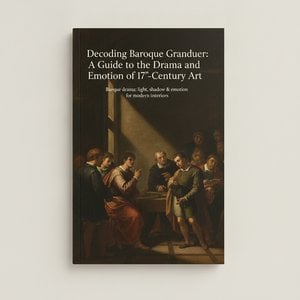
Decoding Baroque Grandeur: A Guide to the Drama and Emotion of 17th-Century Art
Explore the breathtaking drama of 17th-century Baroque art. Our expert guide decodes the use of chiaroscuro, emotional intensity, and historical grandeur to help you appreciate and curate timeless masterpieces for your collection.

Barock Meisterwerke: Die 10 prägendsten Kunstwerke für Ihr Zuhause |
Entdecken Sie die 10 prägendsten Meisterwerke des Barock! Caravaggio, Rembrandt & Co. – Erfahren Sie die Geschichten hinter ikonischen Gemälde und finden Sie hochwertige Kunst Reproduktionen für Ihr Zuhause auf .

The Dramatic Flourish: Exploring the Baroque Movement's Enduring Legacy in Art History
Explore the dramatic world of Baroque art! Discover iconic artists like Caravaggio & Rubens, defining techniques, and its lasting impact on art history. Expert insights for collectors & enthusiasts at ArtsDot.

Barocke Pracht: Wie Sie Opulenz und Emotionen in zeitgenössische Innenräume bringen
Entdecken Sie die Pracht des Barock! Expertenratgeber für luxuriöse Innenräume mit barocken Elementen. Inspiration, Tipps & hochwertige Kunst bei .



