

 Vorschau anzeigen
 Versenden
 Teilen
 Details anzeigen

 Herunterladen
 Ähnliche Objekte
 Röntgenaufnahme
 Diashow
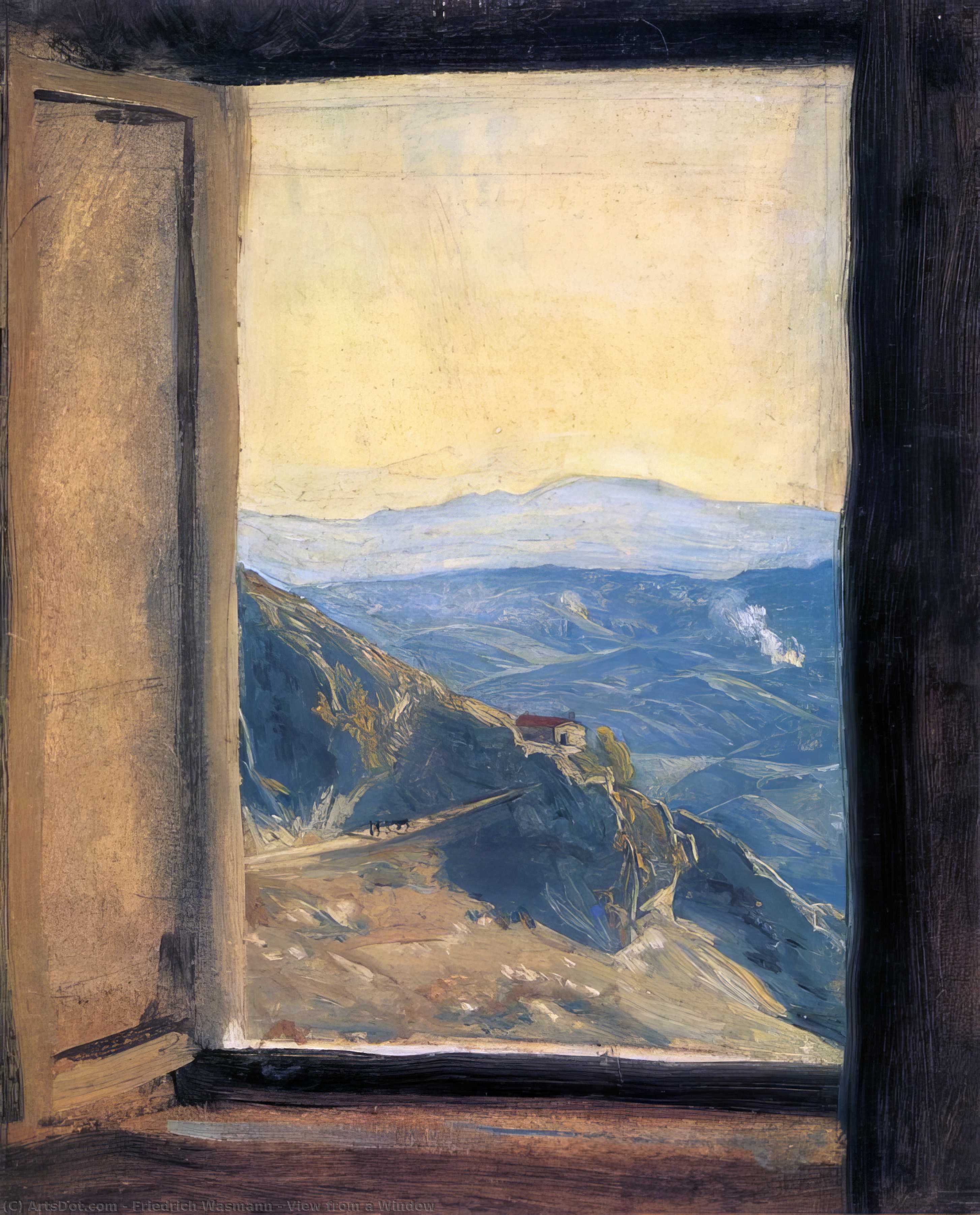
View from a Window


 Weiterlesen
Erwerben Sie ein hochauflösendes, optimiertes digitales Bild, das der Online-Vorschau weit überlegen ist.
Jede Datei wird von unseren hauseigenen Spezialisten mit modernsten Werkzeugen und fachmännischer manueller Retusche sorgfältig vorbereitet. Wir stellen sicher, dass jedes Bild eine außergewöhnliche Klarheit, präzise Farbgenauigkeit und feinste Details aufweist.
Die endgültige Datei wird innerhalb von 72 Stunden per E-Mail zugestellt und ist für den sofortigen Einsatz in professionellen, redaktionellen und Druckumgebungen optimiert. Es handelt sich um dieselbe Qualität, der führende Designstudios, Verlage und Galerien vertrauen.
Digitales Bild
Laden Sie eine hochauflösende Datei für die persönliche Präsentation, den Druck und kreative Projekte herunter. ( Zum Druck wechseln Zur handgemalten Reproduktion wechseln)
In jeder Bestellung digitaler Bilder enthalten
Professionelle digitale Bereitstellung, garantiert
Wenn Sie sich für ArtsDot.com entscheiden, erhalten Sie nicht nur ein Bild – Sie erhalten ein professionell aufbereitetes digitales Kunstwerk, das mit höchster Präzision erstellt und durch eine Zufriedenheitsgarantie abgesichert wird. Hier ist alles, was automatisch mit Ihrer Bestellung geliefert wird:

Schnelle E-Mail-Zustellung
Ihre hochauflösende digitale Bilddatei wird Ihnen innerhalb von 72 Stunden nach der Bestellung per E-Mail zugestellt – bereit zur sofortigen Verwendung.

KI-optimierte digitale Datei
Ihre Kunstwerke werden professionell mithilfe fortschrittlicher KI-Tools und manueller Bearbeitung optimiert, um maximale Detailtreue, Klarheit und Farbgenauigkeit zu gewährleisten.

Lebenslanger kostenloser Neudruckservice
Datei versehentlich gelöscht oder verloren? Keine Sorge – wir senden sie Ihnen jederzeit kostenlos erneut zu.

Keine Einfuhrgebühren – jemals
Genießen Sie Ihr Kunstwerk sofort ohne Zollgebühren, Einfuhrabgaben oder Versandkosten – digitale Downloads sind immer steuerfrei.

Garantierte Farbtreue
Wir garantieren, dass Ihr digitales Bild mithilfe professioneller Werkzeuge und Farbmanagement die Originalfarben so präzise wie möglich wiedergibt.

60-Tage-Zufriedenheitsgarantie
Sollten Sie mit Ihrem digitalen Bild nicht zufrieden sein, werden wir es überarbeiten oder Ihnen innerhalb von 60 Tagen 100% erstatten – ohne Wenn und Aber.

100% Geld-zurück-Garantie
Nicht zufrieden? Erhalten Sie innerhalb von 60 Tagen nach Erhalt Ihrer digitalen Datei eine vollständige Rückerstattung – ohne Angabe von Gründen.

Rabatte bei Großbestellungen
3 Bilder kaufen, 10% sparen – 5 Bilder kaufen, 15% sparen – Ab 10 Bildern 20% sparen. Ideal für kreative Projekte, Galerien und Agenturen.
Ähnliche Kunstwerke


Biografie des Künstlers
Friedrich Wasmann: A Quiet Observer of Tyrol’s Beauty
Rudolph Friedrich Wasmann (1805-1886) stands as a testament to the understated elegance of Biedermeier art – a style characterized by its focus on domestic tranquility and natural landscapes, reflecting a reaction against the grandeur of Romanticism. Born in Hamburg, Germany, Wasmann’s artistic journey began with an apprenticeship under Christoffer Suhr (1771-1842), establishing him firmly within the influential Hamburg artistic milieu. This formative experience instilled a dedication to meticulous observation and skillful rendering, qualities that would permeate his entire oeuvre. His formal training at Dresden Academy of Fine Arts and Munich Academy of Fine Arts honed his technical abilities further, equipping him with the tools necessary for capturing the subtleties of light and color. However, Wasmann’s artistic sensibilities truly blossomed during his time in Merano (now Bolzano), Italy – a region that captivated him profoundly and would become the central stage of his creative life. Here, amidst the Alpine scenery, he developed his signature style: a blend of Nazarene mysticism and Biedermeier realism. The Nazarene movement, championed by figures like Friedrich Overbeck and Joseph Anton Koch, emphasized spiritual contemplation and biblical themes, influencing Wasmann’s artistic vision. Yet, unlike many of his contemporaries who embraced theatrical melodrama, Wasmann opted for quiet dignity and serene beauty—a deliberate choice that speaks volumes about his worldview. From 1832 to 1835, Wasmann immersed himself in Rome, absorbing the intellectual fervor of the era and encountering luminaries of the Nazarene movement. This exposure solidified his commitment to religious iconography while simultaneously nurturing his appreciation for artistic innovation. Notably, he converted to Catholicism during this period, a conversion that undoubtedly shaped his moral compass and informed his artistic endeavors. Subsequent years spent in Merano and Bolzano saw him establishing himself as a respected portrait painter, capturing the likenesses of prominent figures within the Austro-Hungarian Empire. These portraits demonstrate Wasmann’s mastery of anatomical precision and psychological insight—skills honed through tireless practice and unwavering dedication to craft. Wasmann's artistic output encompassed both landscapes and portraits, reflecting his multifaceted interests. His depictions of Tyrol’s mountainous terrain are characterized by a luminous palette and masterful compositional techniques, conveying a profound sense of awe and reverence for God’s creation. He skillfully employed atmospheric perspective—a technique pioneered by Caspar David Friedrich—to imbue his canvases with depth and realism while simultaneously hinting at spiritual transcendence. Among his most celebrated works include “Portrait of Mrs Pastor Hübbe,” a meticulously rendered depiction capturing the sitter's inner grace and dignity, and "Bildnis Der Frau Pastor Hübbe, Geborener Wasmann," showcasing Wasmann’s exceptional skill in portraying human emotion with sensitivity and nuance. Furthermore, Wasmann produced “View from a Window”, which exemplifies his ability to transform ordinary scenes into expressions of sublime beauty. Beyond his artistic achievements, Wasmann was also a scholar and humanist—a man deeply engaged with philosophical ideas and committed to lifelong learning. His son, Erich Wasmann, pursued a distinguished career as a Jesuit priest and entomologist, continuing the family tradition of intellectual curiosity and scientific exploration. Friedrich Wasmann’s contribution to German art history resides not merely in his technical prowess but also in his unwavering commitment to portraying beauty with humility and reverence—a legacy that continues to inspire admiration today. He is remembered primarily for his landscapes and portraits, particularly those reflecting the grandeur of Tyrol and capturing the essence of human character. His work at Kunsthalle Hamburg ensures that his artistic vision remains accessible to future generations.
Friedrich Wasmann
1805 - 1886 , Deutschland
Kurzinfos
- Artistic Movement Or Style: Biedermeier Malerei
- Artists Or Movements Influenced By This Artist: ['Nazarener Bewegung']
- Artists Who Influenced This Artist: ['Christoffer Suhr']
- Date Of Birth: Hamburg, Deutschland (1805)
- Date Of Death: Deutschland (1886)
- Full Name: Rudolph Friedrich Wasmann
- Nationality: Deutsch
- Notable Artworks:
- Bildnis Der Frau Pastor Hübbe
- Fensterblick über den Park
- Eule am Grab
- Place Of Birth: Hamburg

