


 Vorschau anzeigen
 Versenden
 Teilen
 Details anzeigen

 Herunterladen
 Ähnliche Objekte
 Röntgenaufnahme
 Diashow
Spring frost
 Acrylic On Canvas
- WallArt
- Impressionistic Landscape
 1919
1919 157.0 x 206.0 cm
 Art Gallery of New South Wales
 Weiterlesen
Giclée / Kunstdruck
Giclée- oder Leinwanddruck in Museumsqualität mit schneller Produktion und flexiblen Veredelungsoptionen. ( Handgemalte Reproduktion bestellen Bild kaufen)




P118B $10

P118H $10

P118W $10

P438Z $10

P508JH $12

P508YH $12

P805H $10

P805Z $10

P919BZ $10

P919G $10

P919XJ $10

P959ZH $10

P968JZ $12

W106C $8

W218G $10

W218JH $8

W218Y $10

W307PJ $10

W316G $10

W316PJ $8

W316Y $10

W398PJ $8

W4111J $10

W500HY $15

W500JH $15

W692G $12

W849H $8

W940BG $15

W953PJ $8




Wählen Sie aus unseren vordefinierten Formaten, die den ursprünglichen Proportionen des Kunstwerks entsprechen.

Sie können Ihre eigenen Maße eingeben, um ein bestimmtes Format oder einen speziellen Platz einzupassen. Wenn das von Ihnen gewählte Format nicht den Proportionen des Originalbildes entspricht, werden wir das Kunstwerk entweder beschneiden oder das Bild mit einem gespiegelten oder einfarbigen Rand erweitern. Ein digitaler Entwurf wird Ihnen zur Genehmigung zugesandt, bevor die Produktion beginnt.
Bitte beachten Sie, dass die Vorschau auf dem Bildschirm nicht den tatsächlichen Zuschnitt oder die Erweiterung widerspiegelt. Nur der Entwurf zeigt die endgültige Komposition präzise an.
Obwohl Sondermaße verfügbar sind, empfehlen wir die Auswahl eines Maßes aus der vordefinierten Liste, um die ursprünglichen Proportionen zu bewahren.
Weltweiter Versand () innerhalb von 2 Wochen statt der üblichen 4/5 Wochen. (24 August)

Kostenloser weltweiter Expressversand

Hochwertige Leinenleinwand

Umfassender Versicherungsschutz beim Versand

Zollgebühren-Rückerstattungsgarantie

Garantie für exakte Farbtreue

60 Tage Rückgaberecht (nur bei Mängeln)

100% Geld-zurück-Garantie

Mengenrabatt verfügbar
 Die Glasoption ist nur für Größen unter 110 cm verfügbar.

Spring frost
Giclée / Kunstdruck
Format der Reproduktion
-


Gesamtpreis
$ 62
Sammlerstück-Beschreibung
A Dawn of Tranquility: Elioth Gruner’s “Spring Frost”
Elioth Gruner's "Spring Frost," painted in 1919, isn’t merely a depiction of a rural scene; it’s an immersion into the very essence of Australian light and landscape. This evocative work, now residing within the Art Gallery of New South Wales, captures a fleeting moment – the nascent warmth of early morning breaking over a pastoral vista—with a remarkable sensitivity to atmosphere and texture. Gruner, a pivotal figure in Australian Impressionism, masterfully translates the raw beauty of the Emu Plains countryside into a painting that resonates with both serenity and vibrant energy.
The scene unfolds before us: a small herd of dairy cows stands bathed in the soft glow of the rising sun, their forms rendered with a loose, expressive brushstroke. The foreground is dominated by a field of grass, its texture achieved through short, choppy strokes that seem to shimmer with reflected light. Beyond this immediate focus, the eye drifts into a hazy distance, where rolling hills and a muted sky create an expansive sense of space. Gruner’s choice of palette—a symphony of earthy browns, ochres, and subtle blues—evokes the cool tones of dawn while simultaneously injecting warmth through the golden highlights that dance across the cows' hides and the dew-kissed grasses.
The Influence of Light and Color
Gruner’s technique is deeply rooted in the Impressionist tradition, yet he possesses a distinctly Australian sensibility. He wasn’t simply aiming to replicate what he saw; instead, he sought to capture the *feeling* of that moment—the crispness of the air, the warmth on the skin, and the transformative power of light. His use of broken color, characteristic of Impressionism, creates a sense of movement and vibrancy within the painting. The colors aren’t blended smoothly; rather, they are applied in small, distinct strokes, allowing each hue to retain its individual identity and contribute to the overall luminosity of the scene.
Notably, Gruner was influenced by Max Meldrum's theories on color and light, a prominent figure in early 20th-century Australian art. Meldrum’s emphasis on “tone” – the fundamental quality of light—guided Gruner to prioritize capturing the subtle shifts in illumination across the landscape. This pursuit is evident in the painting’s masterful rendering of shadows and highlights, which create a dynamic interplay of form and atmosphere.
A Portrait of Rural Australia
"Spring Frost" isn't just a beautiful landscape; it’s also a poignant reflection on rural life in early 20th-century Australia. The presence of the cows—symbols of industry, sustenance, and connection to the land—underscores the importance of agriculture within the Australian identity. The solitary figure of the farmer, subtly integrated into the scene, suggests a quiet dignity and a deep understanding of his environment. This painting offers a glimpse into a world where life was intimately connected to the rhythms of nature.
Symbolism and Emotional Resonance
Beyond its representational qualities, “Spring Frost” is rich in symbolism. The title itself—"Spring Frost"—evokes a sense of delicate beauty and transient grace. The frost, barely perceptible yet undeniably present, hints at the fragility of life and the ephemeral nature of beauty. The painting’s overall mood is one of peaceful contemplation, inviting the viewer to slow down, appreciate the simple pleasures of rural existence, and connect with the natural world.
Reproductions of “Spring Frost” capture a significant portion of this original atmosphere. The artwork's enduring appeal lies in its ability to transport us to a bygone era—a time when life moved at a slower pace and the beauty of the Australian landscape was deeply revered. It remains a cornerstone of Australian art, embodying both the artistic innovation of its creator and the timeless allure of the bush.
Ähnliche Kunstwerke


Über den Künstler
Frühes Leben und Einflüsse
- Geburt und Familie: Elioth Lauritz Leganyer Gruner wurde am 16. Dezember 1882 in Gisborne, Neuseeland, als jüngerer Sohn des norwegischstämmigen Friedensrichters Elliott Grüner und seiner irischen Frau Mary Ann geboren.
- Frühe künstlerische Neigung: Schon in jungen Jahren zeigte er ein Interesse am Zeichnen.
- Beginn der formalen Ausbildung: Mit etwa 12 Jahren vermittelte ihm seine Mutter Unterricht bei Julian Ashton, einer bedeutenden Figur in der australischen Kunstausbildung.
- Herausforderungen und frühe Arbeiten: Gruner sah sich nach dem Tod seines Vaters und älteren Bruders in jungen Jahren finanziellen Schwierigkeiten gegenüber und arbeitete von 14 bis zu seinem Lebensende lange Stunden, um seine Familie zu unterstützen. Trotz dieser Herausforderungen malte er weiterhin an den Wochenenden und begann, Werke bei Ausstellungen der Society of Artists in Sydney ab etwa 1901 einzureichen.
Künstlerische Entwicklung und Stil
- Impressionistische Tendenzen: Gruners Stil wird im Allgemeinen als impressionistisch beschrieben, mit einem Fokus auf die Erfassung von Licht und Atmosphäre in australischen Landschaften.
- Einfluss von Norman Lindsay: Er erhielt Ermutigung durch den Künstler Norman Lindsay, was seine künstlerische Richtung beeinflusste.
- Europäische Erfahrung (1923-1925): Ein Besuch in Europa über etwa zwei Jahre hatte einen bedeutenden Einfluss auf seine Arbeit. Er vereinfachte seine Kompositionen und achtete mehr auf Muster und Pinselstriche, beeinflusst durch konstruktive Kritik von Sir William Orpen.
- Rückkehr zur Lichtstudie: Später in seiner Karriere kehrte Gruner zu einem Fokus auf die Untersuchung des Lichts zurück, wobei er dies mit einer Wertschätzung für Farbe und Form verband.
Wichtige Errungenschaften und Anerkennung
- Gewinner des Wynne Prize (mehrfach): Gruner ist vor allem bekannt dafür, dass er den prestigeträchtigen Wynne Prize an der Art Gallery of New South Wales sieben Mal gewann. Seine Auszeichnungen umfassen:
- 1916 – "Morning Light"
- 1919 – "Spring Frost"
- 1921 – "The Valley of the Tweed"
- Auftragsarbeit für die AGNSW: Er wurde von der Art Gallery of New South Wales beauftragt, “The Valley of the Tweed” zu malen, ein großformatiges Werk, das zwar bedeutend ist, aber nicht zu seinen besten gezählt wird.
- Einzelausstellung (1927): Veranstaltete 1927 eine erfolgreiche Einzelausstellung, die die wachsende Anerkennung und Nachfrage nach seiner Kunst demonstrierte.
Späteres Leben und Vermächtnis
- Gesundheitliche Probleme: Gruner litt an chronischer Nephritis, was letztendlich zu seinem Tod führte.
- Tod und Kremation: Er starb am 17. Oktober 1939 in seinem Haus in Waverley und wurde mit anglikanischen Riten eingeäschert.
- Künstlerische Bedeutung: Elioth Gruner wird als ein bedeutender australischer Landschaftsmaler in Erinnerung behalten, der die Schönheit ländlicher Regionen von New South Wales mit Sensibilität und Geschicklichkeit einfing. Sein konstanter Erfolg beim Wynne Prize festigte seinen Platz in der australischen Kunstgeschichte.
- Jüngste Anerkennung: Im Jahr 2014 wurde sein Gemälde "Untitled (The Dry Road)" von der Canberra Museum and Gallery erworben, was die bleibende Anziehungskraft seiner Arbeit weiter hervorhebt.
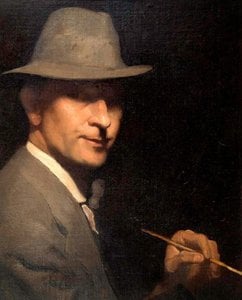
Elioth Gruner
1882 - 1939 , Neuseeland
Kurzinfos
- Bemerkenswerte Werke:
- Morning Light
- Spring Frost
- The Valley of the Tweed
- Einflussreiche Künstler:
- Julian Ashton
- Norman Lindsay
- Geburtsdatum: 16. Dezember 1882
- Geburtsort: Gisborne, Neuseeland
- Künstlerische Richtung: Impressionismus
- Nationalität: Australisch
- Todatum: 17. Oktober 1939
- Vollständiger Name: Elioth Gruner
Ähnliche Artikel

John Constable: Die 25 Meisterwerke des englischen Landschaftsgenies – ArtsDot
Entdecken Sie die 25 Meisterwerke von John Constable! Erleben Sie englische Landschaftsmalerei vom Hay Wain bis zur Stour Valley. Hochwertige Reproduktionen & Kunst für Ihr Zuhause auf ArtsDot.com.

Cultivating Visions: A Historical Journey Through Rural Landscapes in Art
Explore the rich history of rural landscape painting with ArtsDot. Discover Impressionist masterpieces, key artists & movements. Find your perfect serene artwork and bring nature's beauty home.

Romantische Landschaften: Die 10 Meisterwerke, die eine Epoche prägten | ArtsDot
Entdecken Sie die 10 Meisterwerke der Romantischen Landschaftsmalerei! Von Caspar David Friedrich bis Turner – erleben Sie die Kunst, Emotion & Natur. Hochwertige Reproduktionen auf ArtsDot.com

Evocations of Place: A Historical Journey Through Landscape Art
Explore the rich history of landscape art with ArtsDot. Discover renowned artists, movements like Impressionism & Romanticism, and expert guidance for collecting timeless pieces. Find your perfect serene escape today!

Evoking Arcadia: A Historical & Aesthetic Exploration of Rural Landscape Art
Explore the rich history of pastoral landscape art, from classical Arcadia to Impressionism & beyond. Discover key artists, movements, and how to collect serene rural scenes for your home. Expert insights at ArtsDot.

