


 Vorschau anzeigen
 Versenden
 Teilen
 Details anzeigen

 Herunterladen
 Ähnliche Objekte
 Röntgenaufnahme
 Diashow
untitled (6305)

 Weiterlesen
Giclée / Kunstdruck
Giclée- oder Leinwanddruck in Museumsqualität mit schneller Produktion und flexiblen Veredelungsoptionen. ( Handgemaltes Gemälde kaufen Bild kaufen)




































Wählen Sie aus unseren vordefinierten Formaten, die den ursprünglichen Proportionen des Kunstwerks entsprechen.

Sie können Ihre eigenen Maße eingeben, um ein bestimmtes Format oder einen speziellen Platz einzupassen. Wenn das von Ihnen gewählte Format nicht den Proportionen des Originalbildes entspricht, werden wir das Kunstwerk entweder beschneiden oder das Bild mit einem gespiegelten oder einfarbigen Rand erweitern. Ein digitaler Entwurf wird Ihnen zur Genehmigung zugesandt, bevor die Produktion beginnt.
Bitte beachten Sie, dass die Vorschau auf dem Bildschirm nicht den tatsächlichen Zuschnitt oder die Erweiterung widerspiegelt. Nur der Entwurf zeigt die endgültige Komposition präzise an.
Obwohl Sondermaße verfügbar sind, empfehlen wir die Auswahl eines Maßes aus der vordefinierten Liste, um die ursprünglichen Proportionen zu bewahren.
Weltweiter Versand () innerhalb von 2 Wochen statt der üblichen 4/5 Wochen. (12 August)

Kostenloser weltweiter Expressversand

Hochwertige Leinenleinwand

Umfassender Versicherungsschutz beim Versand

Zollgebühren-Rückerstattungsgarantie

Garantie für exakte Farbtreue

60 Tage Rückgaberecht (nur bei Mängeln)

100% Geld-zurück-Garantie

Mengenrabatt verfügbar
 Die Glasoption ist nur für Größen unter 110 cm verfügbar.

untitled (6305)
Giclée / Kunstdruck
Format der Reproduktion
-


Gesamtpreis
$ 62
Sammlerstück-Beschreibung
Edward Hopper’s “untitled (6305): A Study in Quietude
Edward Hopper's "untitled (6305)" isn’t merely a depiction of an urban scene; it’s a masterful distillation of the anxieties and subtle beauties inherent in modern American experience. Painted in 1949, during the height of Hopper’s prolific output—a period marked by explorations of solitude and psychological depth—the canvas embodies his signature style: precise realism tempered with an almost unsettling stillness. The painting captures a single room bathed in muted afternoon light, dominated by a towering industrial structure – likely a factory or warehouse – against which stands a solitary figure seated at a desk. This juxtaposition immediately establishes the core thematic tension that defines Hopper’s oeuvre—the confrontation between human presence and the pervasive indifference of the environment.Composition and Technique: Precision and Light
Hopper's meticulous technique is evident in every brushstroke. He employs a limited palette of earthy tones – browns, ochres, and grays – skillfully blended to create an atmosphere of subdued luminosity. The artist’s masterful use of chiaroscuro—the dramatic interplay between light and shadow—is particularly striking. Light streams obliquely through the window onto the desk surface, highlighting its contours and casting long shadows that emphasize the emptiness surrounding the seated figure. Hopper achieves this effect not with grand gestures but with painstaking layering of paint, creating textures that subtly convey the materiality of the room and reinforcing the sense of isolation. The industrial structure itself is rendered with remarkable accuracy, capturing the coldness and solidity of steel beams and plates—a deliberate choice reflecting Hopper’s fascination with the dehumanizing aspects of industrialization.Symbolism and Emotional Resonance: Loneliness Revisited
“untitled (6305)” transcends its visual description to delve into profound psychological territory. The seated figure, positioned in the center of the composition, embodies a quintessential Hopper motif—the solitary human confronting an unresponsive world. His posture is slumped slightly, suggesting weariness and introspection; his gaze averted downwards, hinting at detachment from immediate surroundings. This image speaks powerfully to the anxieties of postwar America, where individuals struggled to find meaning amidst rapid social change and economic uncertainty. The industrial structure serves as a visual metaphor for societal forces that threaten to engulf individual experience, reinforcing the painting’s overarching theme of alienation. Yet, there's also an undeniable beauty in this quiet despair—a poignant reminder of the human condition itself.Historical Context: Hopper and the American Landscape
Hopper emerged during a pivotal moment in artistic history – the rise of Abstract Expressionism alongside a growing disillusionment with utopian ideals. While his contemporaries embraced bold gestures and emotional intensity, Hopper championed a restrained aesthetic rooted in observation and psychological realism. He drew inspiration from European Modernists like Giorgio Morandi and Fernand Léger, adapting their techniques to capture the essence of American urban life—particularly New York City—during the Depression and wartime years. “untitled (6305)” reflects this broader artistic sensibility, aligning with Hopper’s commitment to portraying the complexities of human experience without resorting to melodrama or sentimentality.A Legacy of Quiet Observation
Edward Hopper's "untitled (6305)" remains a cornerstone of American art history—a testament to his ability to distill profound emotion into deceptively simple visual forms. Its enduring appeal lies in its capacity to provoke contemplation about themes of loneliness, isolation, and the elusive nature of human connection. More than just a painting; it’s an invitation to consider the quiet dramas unfolding within everyday life—a timeless masterpiece that continues to resonate with audiences today.Ähnliche Kunstwerke


Über den Künstler
**frühes Leben und Einflüsse**
Edward Hopper, ein bedeutender amerikanischer Realist-Maler und Grafiker, wurde am 22. Juli 1882 in Upper Nyack, New York, geboren. Seine Familie, von hauptsächlich niederländischer Abstammung, bot eine komfortable Erziehung, die es Hopper ermöglichte, seine künstlerischen Neigungen schon im frühen Alter zu verfolgen. - **Inspirationen:** Hoppers Werk wurde von den Schriften von Ralph Waldo Emerson und den französischen Impressionisten-Meistern Édouard Manet und Edgar Degas beeinflusst. - **Frühzeitige Ausbildung:** Er begann mit Kunststudien durch einen Korrespondenzkurs im Jahr 1899, wechselte später an die New York School of Art and Design.**Künstlerischer Stil und Themen**
Edward Hopper's sparsame und präzise Darstellungen spiegelten seine persönliche Vision des modernen amerikanischen Lebens wider. Sein Werk lässt sich durch folgende Merkmale charakterisieren: - **Städtische und ländliche Szenen:** Beide Umgebungen wurden mit einer einzigartigen Mischung aus Realismus und emotionaler Tiefe dargestellt. - **Beleuchtung:** Eine Meisterschaft der Beleuchtung, oft eingesetzt, um Gefühle von Isolation oder Kontemplation hervorzurufen. - **Figuren:** Oft ohne Gesicht oder im Hintergrund platziert, wodurch die Umgebung gegenüber den Figuren betont wird.**Bekannte Werke und ihre Bedeutung**
- House by the Railroad (Museum of Modern Art, New York, United States), ein Beispiel für Hoppers Fähigkeit, durch eine einfache, aber wirkungsvolle Komposition einen Hauch von Melancholie hervorzurufen. - Reclining Nude (50 x 35 cm, New Realism, Watercolour), das seine Vielseitigkeit bei der Darstellung des menschlichen Körpers demonstriert.**Vermächtnis und Einfluss**
- **Einfluss auf zukünftige Künstler:** Hoppers einzigartiger Stil hat zahlreiche Künstler beeinflusst, darunter Pierre Sanford Ross, der für seine städtischen und ländlichen Szenen bekannt ist. - **dauernde Beliebtheit:** Seine Werke fesseln weiterhin das Publikum mit ihren zeitlosen Themen von Einsamkeit und dem menschlichen Dasein.**Erfahren Sie mehr bei ArtsDot**
- [https://ArtsDot.com/@/edward-hopper](Edward Hoppers Werke) - /de/art/show/art-8xyffg-de/Kaufen Sie Kunst inspiriert von den Meistern)- Erkunden Sie die Welt der Kunst mit der umfangreichen Kollektion von ArtsDot.
- Entdecken Sie, wie Hoppers Vermächtnis weiterhin Künstler und Kunstliebhaber inspiriert.
**Referenzen**
- [https://ArtsDot.com/@/edward-hopper](Wikipedia: Edward Hopper) - [https://en.wikipedia.org/wiki/edward_hopper](Wikipedia: Edward Hoppers Biografie)
Edward Hopper
1931 - 1967 , Vereinigte Staaten von Amerika
Kurzinfos
- Beeinflusste Künstler: ['Pierre Sanford Ross']
- Bemerkenswerte Werke:
- House by the Railroad
- Nighthawks
- Gas
- Chop Suey
- Sommertime
- Einflüsse:
- Ralph Waldo Emerson
- Édouard Manet
- Edgar Degas
- Geburtsdatum: 22. Juli 1882
- Geburtsort: Upper Nyack, USA
- Künstlerischer Stil: Amerikanischer Realismus
- Nationalität: Amerikanisch
- Sterbedatum: 1967
- Vollständiger Name: Edward Hopper
Ähnliche Artikel
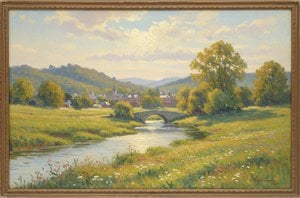
Henry Marvell Carr: A Study in American Impressionism's Evolving Landscape of Light and Form
Explore the captivating work of Henry Marvell Carr, a pivotal figure in American Impressionism. Discover his evocative realism, war art, and cultural depictions – a journey through light, form, and legacy.
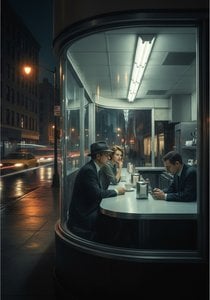
Edward Hopper: Amerikanischer Realismus und die Poetik der urbanen Einsamkeit
Entdecken Sie Edward Hoppers Meisterwerke und den Amerikanischen Realismus! Analysieren Sie ikonische Gemälde wie "Eleven AM" und erfahren Sie mehr über Licht, Schatten und die Poetik der urbanen Einsamkeit. Jetzt bei ArtsDot!

Amerikanischer Realismus: Die 10 Meisterwerke, die eine Ära prägten | ArtsDot
Entdecken Sie die 10 Meisterwerke des Amerikanischen Realismus! Von Edward Hopper bis Winslow Homer – erleben Sie die Geschichten, Techniken & zeitlose Schönheit. Hochwertige Kunstdrucke auf ArtsDot.com.

The Ashcan School: Realism, Urban Life & the Democratization of American Art
Explore the revolutionary Ashcan School! Discover how artists like Henri & Sloan challenged tradition with gritty realism, capturing urban life in early 20th-century America. Learn about their impact on American art history.

Concrete Visions: Exploring the Urban Landscape in Painting – From Realism to Contemporary Art
Explore the evolution of cityscape painting from Realism to contemporary art with ArtsDot. Discover key artists & invest in timeless urban visions. Expert guidance, museum-quality reproductions.



