In echtem Maßstab anzeigen
 Versenden als Grußkarte
 Teilen
 Details anzeigen
 Leitfaden öffnen

 Herunterladen
 Ähnliche Objekte
 Röntgenaufnahme
 Diashow
 Besucherstatistiken
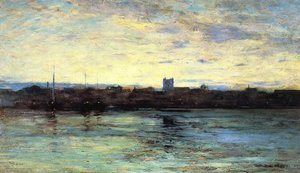
Moonlight
 Oil On Canvas
- WallArt
- Tonalist Landscape
 1887
1887 36.0 x 56.0 cm
 Metropolitan Museum of Art
 Mehr anzeigen
Giclée / Kunstdruck
Giclée- oder Leinwanddruck in Museumsqualität mit schneller Produktion und flexiblen Veredelungsoptionen. ( Handgemalte Reproduktion kaufen Zum digitalen Bild wechseln)




P118B €10

P118H €10

P118W €10

P438Z €10

P508JH €12

P508YH €12

P805H €10

P805Z €10

P919BZ €10

P919G €10

P919XJ €10

P959ZH €10

P968JZ €12

W106C €8

W218G €10

W218JH €8

W218Y €10

W307PJ €10

W316G €10

W316PJ €8

W316Y €10

W398PJ €8

W4111J €10

W500HY €15

W500JH €15

W692G €12

W849H €8

W940BG €15

W953PJ €8




Wählen Sie aus unseren vordefinierten Formaten, die den ursprünglichen Proportionen des Kunstwerks entsprechen.

Geben Sie die Breite und die Höhe an, die Sie benötigen, damit der Druck perfekt in Ihren Rahmen oder an Ihre Wand passt. Ein Druck kann nur beschnitten werden und niemals größer als das Originalbild gemacht werden; daher verliert ein Format mit einer anderen Proportion einen Teil des Bildes. Wir senden Ihnen ein digitales Mockup zur Freigabe, bevor wir den Druck ausführen. Das auf dieser Seite gezeigte Bild zeigt nicht den tatsächlichen Beschnitt – dies ist nur im Mockup ersichtlich.
Weltweiter Versand () innerhalb von 2 Wochen statt der üblichen 4/5 Wochen. (23 Oktober)

Kostenloser weltweiter Expressversand

Hochwertige Leinenleinwand

Vollständiger Versicherungsschutz beim Versand

Zollgebühren-Rückerstattungsgarantie

Garantie für exakte Farbtreue

100-tägiges Rückgaberecht (nur bei Mängeln)

100% Geld-zurück-Garantie

Angebot für Mengenrabatt
 Die Glasoption ist nur für Größen unter 110 cm verfügbar.

Moonlight
Giclée / Kunstdruck
Format der Reproduktion
-


Gesamtpreis
€ 54
Moonlight: A Study in Tranquil Luminosity
Dwight William Tryon’s “Moonlight,” painted in 1887, isn't merely a depiction of a rural landscape; it’s an immersion into a profound sense of quietude and the evocative power of light. Born in Hartford, Connecticut, during a period when American art was grappling with its own identity, Tryon emerged from a childhood deeply rooted in the rhythms of rural life – a formative experience that would profoundly shape his artistic vision. He eschewed the prevailing trends of the time, choosing instead to embrace the principles of tonalism, a style characterized by subdued colors and atmospheric effects, prioritizing mood and emotion over precise representation. This decision led him away from the bright palettes and detailed renderings favored by many of his contemporaries, establishing “Moonlight” as a cornerstone of his distinctive oeuvre. The painting captures a serene nighttime scene – rolling hills bathed in the soft glow of the moon, punctuated by scattered trees and hinting at a distant farmhouse nestled within the landscape. It’s a scene that invites contemplation, a moment suspended between darkness and light, reality and dream.The Language of Tone: Technique and Composition
Tryon's mastery lies not in meticulous detail but in his skillful manipulation of tone – the subtle variations in value that create depth, form, and atmosphere. He achieves this through loose, expressive brushstrokes, layering washes of gray and white to build up the forms of the hills and trees. Notice how the darker tones recede into the distance, creating a convincing illusion of space and atmospheric perspective. The composition is deliberately horizontal, emphasizing the breadth of the landscape and drawing the eye across the scene. A carefully considered break in the treeline directs the viewer’s gaze towards the luminous center, where the moon hangs suspended in the sky. This strategic arrangement guides the viewer's eye through the painting, fostering a sense of peaceful exploration. The use of impasto – thick application of paint – adds textural interest to the foreground, grounding the scene and anchoring it within the viewer’s perception.Symbolism and the Nocturne
The symbolism embedded within “Moonlight” is rich and layered. Moonlight itself has long been associated with mystery, introspection, and tranquility—qualities Tryon expertly captures in this work. The muted palette reinforces these associations, creating a mood of quiet contemplation. The distant farmhouse suggests a sense of rural simplicity and connection to the land, while the scattered trees evoke a feeling of solitude and isolation. The painting’s overall effect is one of profound stillness – a moment frozen in time, inviting the viewer to step into its serene embrace. It's not simply a representation of a landscape; it’s an evocation of a state of being. The choice of a nighttime scene further amplifies this symbolism, suggesting a realm beyond the everyday, where thoughts and emotions can freely roam.Historical Context: Tonalism and American Identity
“Moonlight” emerged during a pivotal moment in American art history – the rise of tonalism in the late 19th century. Influenced by the Barbizon School painters of France, American tonalists sought to capture the essence of nature through subtle color gradations and atmospheric effects, rejecting the academic emphasis on realism and detailed representation. Tryon’s work exemplifies this movement perfectly, demonstrating a deep understanding of light and shadow and a commitment to expressing mood and emotion rather than simply depicting visual reality. His decision to focus on American landscapes—particularly those imbued with the quiet beauty of rural life—contributed to the development of a distinctly American artistic voice. The painting reflects a desire to capture the spirit of the nation, rooted in its connection to the land and its appreciation for simple pleasures.A Legacy of Tranquility: Reproductions and Interior Design
Today, “Moonlight” stands as a testament to Tryon’s artistic vision—a timeless masterpiece that continues to resonate with viewers across generations. High-quality reproductions capture the painting's subtle nuances and atmospheric depth, making it an ideal addition to any home or office space. The painting’s calming palette and evocative imagery create a sense of serenity and tranquility, transforming any room into a haven of peace. Consider incorporating “Moonlight” into your interior design scheme—perhaps above a fireplace or in a study—to infuse your surroundings with its quiet beauty and timeless appeal. Its enduring power lies not just in its aesthetic qualities but also in its ability to transport the viewer to a place of profound stillness and contemplation.Fragen & Antworten
Welche Grundfarbe durchzieht "Moonlight" von Dwight William Tryon?
Ein Green to Violet Spectrum Farbton durchzieht "Moonlight" von Dwight William Tryon.
Wie stellt "Moonlight" von Dwight William Tryon eine Verbindung zwischen Tonalist Landscape und dem Heimatland des Künstlers her?
Das Werk "Moonlight" aus der Epoche des Tonalist Landscape wurde von einem Künstler geschaffen, der in Vereinigte Staaten von Amerika geboren wurde.
Wo kann ich das Original von "Moonlight" von Dwight William Tryon sehen?
"Moonlight" von Dwight William Tryon wird im Metropolitan Museum of Art, New York, United States of America ausgestellt. Die Museumsangabe bezieht sich auf das Originalwerk, nicht auf Reproduktionen.
Ähnliche Kunstwerke


Biografie des Künstlers
Frühes Leben und Ausbildung
- Dwight William Tryon wurde am 13. August 1849 in Hartford, Connecticut, als Sohn von Anson Tryon und Delia O. Roberts geboren.
- Der frühe Tod seines Vaters führte dazu, dass er nach dem Tod des Vaters von seiner Mutter auf dem Bauernhof seiner Großeltern in East Hartford aufgezogen wurde.
- Er entwickelte ein natürliches Interesse an der Kunst, indem er Kunstlehrbücher aus einem Buchladen studierte, in dem er arbeitete.
- Tryon begann in seiner Freizeit, die umliegende Landschaft zu skizzieren.
- Er verkaufte 1870 sein erstes Gemälde und stellte es lokal aus, bevor er 1873 an der National Academy of Design Anerkennung fand.
Künstlerische Entwicklung und Einflüsse
- 1876 studierte Tryon formell Kunst in Frankreich unter Jacquesson de la Chevreuse und an der École des Beaux-Arts. Er erhielt auch Unterricht von Charles-François Daubigny, Henri Harpignies und Jean Baptiste-Antoine Guillemet.
- Anfangs neigte sein Stil zum Luminismus, bevor er sich der Barbizon-Schule zuwandte, beeinflusst von Künstlern wie George Inness und Alexander Helwig Wyant.
- Trotz seiner Exposition gegenüber dem Impressionismus in Frankreich blieb Tryon seinem Barbizon-Ästhetik treu.
- Seine Arbeit wurde maßgeblich von James McNeill Whistler beeinflusst, was sich in seinem Tonalistenstil zeigt.
Reifer Stil und bemerkenswerte Werke
- Ende der 1880er Jahre entwickelte Tryon seinen ikonischen Stil, der durch eine Gruppe oder Reihe gebrochener Bäume im mittleren Abstand gekennzeichnet ist, oft mit Herbsttönen, die einen leuchtenden Himmel über und eine sumpfige oder weidliche Vordergrund unterteilen.
- Er malte häufig Seelandschaften mit Pastellfarben, um weitläufiges Wasser, Himmel und Strände unter verschiedenen Wetterbedingungen darzustellen.
- Bemerkenswerte Werke sind *Salt-Marsh, December*, das beim Tennessee Centennial Exposition 1897 den ersten Preis gewann.
- Seine Gemälde wurden landesweit ausgestellt, wobei er eine Vorliebe für die Pennsylvania Academy of Fine Arts und die Montross Gallery hatte.
Förderung und Anerkennung
- Charles Lang Freer wurde Tryons wichtigster Förderer, der Dutzende seiner Werke erwarb und mit ihm an der Innenraumgestaltung für sein Haus in Detroit zusammenarbeitete. Viele dieser Gemälde befinden sich heute in der Freer Gallery of Art.
- Tryon erhielt 1908 den Carnegie Prize bei der Carnegie Exhibition.
- Er war Mitglied mehrerer angesehener Kunstorganisationen, darunter die Society of American Artists, die American Watercolor Society und das National Institute of Arts and Letters (jetzt die American Academy of Arts and Letters).
Späteres Leben und Vermächtnis
- 1887 baute er ein Sommerhaus in South Dartmouth, Massachusetts, das zu seinem Zuhause wurde.
- Er unterrichtete von 1886 bis 1923 am Smith College und gründete die Tryon Gallery of Art.
- Dwight William Tryon starb am 1. Juli 1925 an Krebs.
- Sein Vermächtnis liegt in seinem Beitrag zum amerikanischen Tonalismus und seiner Fähigkeit, atmosphärische Landschaften und Seelandschaften mit zarter Farbe und verfeinertem Gefühl einzufangen. Seine Werke befinden sich in bedeutenden Sammlungen wie dem Smithsonian American Art Museum und der Freer Gallery of Art.

Dwight William Tryon
1849 - 1925 , Vereinigte Staaten von Amerika
Eckdaten zum Künstler
- Beeinflusste Künstler:
- James McNeill Whistler
- George Inness
- Bemerkenswerte Werke: ['Salt-Marsh, Dezember']
- Geburtsdatum: 13. August 1849
- Geburtsort: Hartford, USA
- Künstlerische Richtung: Tonalismus, Barbizon-Schule
- Nationalität: Amerikanisch
- Sterbedatum: 1. Juli 1925
- Vollständiger Name: Dwight William Tryon
Verwandte Artikel

John Constable: Die 25 Meisterwerke des englischen Landschaftsgenies – ArtsDot
Entdecken Sie die 25 Meisterwerke von John Constable! Erleben Sie englische Landschaftsmalerei vom Hay Wain bis zur Stour Valley. Hochwertige Reproduktionen & Kunst für Ihr Zuhause auf ArtsDot.com.

Grant Wood und der amerikanische Regionalismus: Identität, Mythos und die ländliche Landschaft
Entdecken Sie Grant Wood und den amerikanischen Regionalismus! Erfahren Sie mehr über 'American Gothic', Woods Leben, Einflüsse und sein Vermächtnis in der Kunstgeschichte. Expertenwissen & hochwertige Reproduktionen.

Evocations of Place: A Historical Journey Through Landscape Art
Explore the rich history of landscape art with ArtsDot. Discover renowned artists, movements like Impressionism & Romanticism, and expert guidance for collecting timeless pieces. Find your perfect serene escape today!
Atmospheric Visions: Exploring Tonalism in American Painting
Explore the captivating world of American Tonalism! Discover its history, key artists like Whistler & Inness, techniques, and lasting influence on art. Expert insights for collectors & enthusiasts.

Cultivating Visions: A Historical Journey Through Rural Landscapes in Art
Explore the rich history of rural landscape painting with ArtsDot. Discover Impressionist masterpieces, key artists & movements. Find your perfect serene artwork and bring nature's beauty home.