

 Vorschau anzeigen
 Versenden
 Teilen
 Details anzeigen
 Leitfaden

 Herunterladen
 Ähnliche Objekte
 Röntgenaufnahme
 Diashow
 Fragen & Antworten
 Statistiken
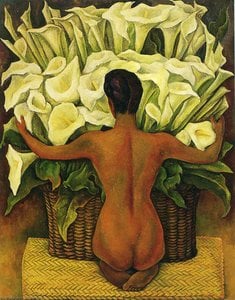
the flower vendor


 Weiterlesen
Die auf dieser Seite dargestellten Kunstwerke sind urheberrechtlich geschützt, was bedeutet, dass wir keine identische Reproduktion rechtmäßig erstellen oder verkaufen dürfen. Dieser Schutz wird durch internationale Abkommen wie die Berner Übereinkunft und durch nationale Gesetze, einschließlich derer, die von den US-Urheberrecht – Titel 17.
Diese Methode entspricht vollumfänglich den Urheberrechtsbestimmungen, da sie keine Kopie oder Vervielfältigung des geschützten Kunstwerks darstellt. Stattdessen handelt es sich um eine kreative Neuinterpretation – ein neues Gemälde, das vom Original inspiriert, aber nicht identisch mit ihm ist.
Giclée / Kunstdruck
Giclée- oder Leinwanddruck in Museumsqualität mit schneller Produktion und flexiblen Veredelungsoptionen. ( Handgemalte Reproduktion bestellen Zum digitalen Bild wechseln)




P118B €10

P118H €10

P118W €10

P438Z €10

P508JH €12

P508YH €12

P805H €10

P805Z €10

P919BZ €10

P919G €10

P919XJ €10

P959ZH €10

P968JZ €12

W106C €8

W218G €10

W218JH €8

W218Y €10

W307PJ €10

W316G €10

W316PJ €8

W316Y €10

W398PJ €8

W4111J €10

W500HY €15

W500JH €15

W692G €12

W849H €8

W940BG €15

W953PJ €8




Wählen Sie aus unseren vordefinierten Formaten, die den ursprünglichen Proportionen des Kunstwerks entsprechen.

Geben Sie die benötigte Breite und Höhe an, damit der Druck perfekt in Ihren Rahmen oder an Ihre Wand passt. Ein Druck kann nur beschnitten, aber niemals größer als das Originalbild angefertigt werden; daher verliert ein Format mit anderen Proportionen einen Teil des Bildes. Wir senden Ihnen ein digitales Mockup zur Freigabe, bevor wir den Druck ausführen. Das auf dieser Seite gezeigte Bild zeigt nicht den tatsächlichen Beschnitt – dies ist nur im Mockup ersichtlich.
Weltweiter Versand () innerhalb von 2 Wochen statt der üblichen 4/5 Wochen. (4 November)

Kostenloser weltweiter Expressversand

Hochwertige Leinenleinwand

Umfassender Versicherungsschutz beim Versand

Zollgebühren-Rückerstattungsgarantie

Garantie für exakte Farbtreue

100 Tage Rückgaberecht (nur bei Mängeln)

100% Geld-zurück-Garantie

Mengenrabatt verfügbar
 Die Glasoption ist nur für Größen unter 110 cm verfügbar.

the flower vendor
Giclée / Kunstdruck
Format der Reproduktion
-


Endpreis
€ 56
Diego Rivera’s ‘The Flower Vendor’: A Symphony of Labor and Abundance
Diego Rivera's “The Flower Vendor” is more than just a depiction of a market scene; it’s a potent distillation of Mexican identity, labor, and the vibrant spirit of everyday life. Painted around 1934, this work exemplifies Rivera’s signature muralist style – bold in its color palette, monumental in scale (though currently existing as a smaller canvas), and deeply rooted in social realism. The painting immediately draws the eye to the central figure: a woman seated on the ground, her back turned towards the viewer, engaged in the vital task of selling flowers and bananas. This deliberate anonymity imbues the scene with a universal quality, transforming her into an archetype of Mexican female labor – resilient, resourceful, and essential to the community’s sustenance.
- Subject Matter: The painting captures a quintessential moment in a bustling marketplace, focusing on the exchange between vendor and customer.
- Composition: Rivera employs a dynamic composition, utilizing diagonal lines created by the piles of bananas and flowers to guide the viewer’s eye across the canvas.
- Color Palette: The rich, earthy tones – ochres, reds, greens, and yellows – are characteristic of Rivera's style, reflecting the colors of the Mexican landscape and the vibrancy of its culture.
A Reflection of Social Realism and Mexican Identity
Rivera’s work was profoundly influenced by his commitment to portraying the lives of ordinary Mexicans, particularly workers and peasants. “The Flower Vendor” aligns perfectly with this ethos, offering a sympathetic portrayal of a woman who embodies the spirit of *campesino* life – hardworking, connected to the land, and deeply rooted in tradition. The abundance of bananas and flowers isn’t merely decorative; it symbolizes prosperity, fertility, and the bounty of the earth. This imagery resonates strongly with Mexican folklore and religious iconography, where fruits and flowers often represent divine blessings and sustenance.
Painted during a period of significant social and political upheaval in Mexico – following the 1910 Revolution – Rivera’s art served as a powerful tool for promoting national identity and socialist ideals. His murals were commissioned to educate and inspire, reflecting the hopes and aspirations of a nation striving to rebuild itself after decades of conflict.
Technique and Style: The Mark of a Master Muralist
Rivera’s technique is immediately recognizable – characterized by broad, confident brushstrokes, a flattened perspective, and a deliberate lack of detail. He prioritized conveying the essence of his subjects over meticulous realism. This approach was particularly evident in his large-scale murals, where he utilized a technique known as *frescoes*, applying pigments directly to wet plaster. While “The Flower Vendor” is a smaller canvas, it retains the hallmarks of Rivera’s muralist style – bold color, simplified forms, and a powerful sense of movement. The layering of paint creates a textured surface that invites close inspection, revealing the artist's deliberate hand.
Symbolism and Emotional Impact
Beyond its social commentary, “The Flower Vendor” possesses a profound emotional resonance. The woman’s posture – seated on the ground, engaged in her work – conveys a sense of dignity and resilience. Her anonymity allows viewers to project their own emotions onto the scene, fostering a connection with this timeless image of labor and abundance. The painting's enduring appeal lies in its ability to capture not just a moment in time but also the very soul of Mexican culture—a celebration of life, work, and the beauty found in everyday existence.
Fragen & Antworten
Sind die Farben in "the flower vendor" von Diego Rivera eher gesättigt oder gedämpft?
Die Farben von "the flower vendor" von Diego Rivera weisen eine Clear Color Presence Sättigung auf. Die Sättigung beschreibt, wie lebhaft oder gedämpft die Farben sind.
Wie schafft "the flower vendor" das Gleichgewicht zwischen Hell und Dunkel?
"the flower vendor" von Diego Rivera weist eine Helligkeit von bright mit einer Luminanz von Gentle Luminance auf.
Welcher Kunstrichtung lässt sich "the flower vendor" von Diego Rivera zuordnen?
"the flower vendor" von Diego Rivera lässt sich der Strömung des Mexican Muralism zuordnen. Diese Stilrichtung bildet den künstlerischen Kontext des Werkes.
Ähnliche Kunstwerke



Künstlerbiografie
Frühes Leben und künstlerische Ausbildung
- Geboren: 8. Dezember 1886, Guanajuato, Mexiko
- Gestorben: 24. November 1957
- Diego Riveras künstlerischer Weg begann früh; er zeigte ab seinem dritten Lebensjahr Interesse an der Kunst.
- Er studierte an der Akademie von San Carlos in Mexiko-Stadt.
- Teodoro A. dehesa Méndez finanzierte sein Studium in Europa, beginnend 1907.
- Zunächst studierte er bei Eduardo Chicharro in Madrid, Spanien.
- Er zog nach Paris, Frankreich und wurde Teil der Montparnasse-Künstlergemeinschaft.
Europäische Einflüsse und künstlerische Entwicklung
- Frühe europäische Arbeiten waren vom Realismus beeinflusst.
- Die Auseinandersetzung mit dem Kubismus hatte ab 1912 einen bedeutenden Einfluss auf seinen Stil.
- Beeinflusst von Künstlern wie Pablo Picasso und Georges Seurat.
- Seine Gemälde dieser Zeit begannen, geometrische Formen und sich kreuzende Ebenen zu integrieren, was die kubistische Bewegung widerspiegelte.
Rückkehr nach Mexiko und die mexikanische Wandmalbewegung
- Rivera kehrte 1921 nach Mexiko zurück, ein entscheidender Moment in seiner Karriere.
- Er wurde eine führende Figur der mexikanischen Wandmalbewegung, mit dem Ziel, öffentlich zugängliche Kunst zu schaffen.
- Seine Wandgemälde stellten oft Szenen aus der mexikanischen Geschichte und sozialen Themen dar.
- Bemerkenswerte frühe Werke sind „Schöpfung“ (1922) und Wandgemälde im Secretaría de Educación Pública in Mexiko-Stadt.
Hauptwerke und künstlerischer Stil
- Schöpfung (1922): Sein erstes bedeutendes Wandgemälde, das die Enkaustiktechnik verwendete.
- Träume eines Sonntags im Alameda: Kontrovers wegen seiner Darstellung von Atheismus.
- Wandgemälde der Secretaría de Educación Pública: Zeigten seinen einzigartigen Stil mit großen, vereinfachten Figuren und kräftigen Farben, die vom aztekischen Kunst beeinflusst waren.
- Detroit Industry Wandgemälde (1933): In Auftrag gegeben für das Detroit Institute of Arts, darstellend industrielle Prozesse und Arbeiter.
- Riveras Stil: Charakterisiert durch monumentale Größe, vereinfachte Formen, lebendige Farben und einen Fokus auf soziale und historische Erzählungen. Er integrierte Elemente der mexikanischen Volkskunst und präkolumbianischer Ästhetik in seine Arbeit.
Vermächtnis und historische Bedeutung
- Diego Rivera gilt als einer der wichtigsten Künstler des 20. Jahrhunderts.
- Seine Wandgemälde sind bedeutende Beispiele für Sozialrealismus und öffentliche Kunst.
- Er spielte eine entscheidende Rolle bei der Etablierung des mexikanischen Muralismus als einflussreiche künstlerische Bewegung.
- Riveras Werk spiegelt seine politischen Überzeugungen wider, insbesondere seine marxistischen Ansichten.
- Sein Privatleben, einschließlich seiner Ehe mit Frida Kahlo, hat zu seinem bleibenden Ruhm und zur kulturellen Bedeutung beigetragen.

Diego Rivera
1886 - 1957 , Mexiko
Kurzinfos
- Beeinflusste Künstler:
- El Greco
- Francisco Goya
- Diego Velazquez
- Pablo Picasso
- Bemerkenswerte Werke:
- Schöpfung (1922)
- Sonntagstraum
- Detroit Industry
- Geburtsdatum: 8. Dezember 1886
- Geburtsort: Guanajuato, Mexiko
- Künstlerische Bewegung: Mexikanischer Muralismus
- Nationalität: Mexikaner
- Sterbedatum: 24. November 1957
- Vollständiger Name: Diego Rivera
Ähnliche Artikel

Designers lieben Wandgemälde: So verwandeln sie Räume in stilvolle Rückzugsorte
Entdecken Sie die Welt der Wandmalerei für Hotels & Design! Expertenratgeber zu Materialien, Stilen & individuellen Lösungen. Verwandeln Sie Räume in Kunstwerke – mit .

Revolution on Canvas: Exploring the Socio-Political Power & Artistic Legacy of Mexican Muralism
Explore the powerful world of Mexican muralism! Discover Diego Rivera, Frida Kahlo & Orozco's revolutionary art, social impact & lasting legacy. Expert insights & high-quality reproductions at ArtsDot.

Maßgeschneiderte Wandmalerei: Wie sie Ihre Markenidentität visuell stärkt
Maßgeschneiderte Wandmalereien für Hotels & Gastronomie! Experten-Beratung, hochwertige Materialien & einzigartige Designs. Verleihen Sie Ihrem Raum Persönlichkeit – .

Von Dschungelmotiven zu Goldblattgeometrie: Die Top Wandmalereitrends für Hotels
Entdecken Sie die neuesten Wandmalereitrends für Hotels! Exklusive Designs, hochwertige Materialien & Expertenberatung von – Ihr Partner für einzigartige Raumgestaltung.

Diego Rivera: Eine revolutionäre Vision mexikanischer Identität durch die Wandmalerei
Entdecken Sie die revolutionäre Wandmalerei Diego Riveras und ihre Bedeutung für die mexikanische Identität. Analysen, Hintergründe & Einblicke in das Werk des Muralismus-Pioniers.


