Vorschau anzeigen
 Versenden
 Teilen
 Details anzeigen

 Herunterladen
 Ähnliche Objekte
 Röntgenaufnahme
 Diashow
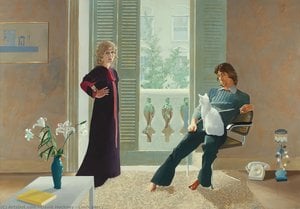
Going to be a Queen for Tonight


 Weiterlesen
Giclée / Kunstdruck
Giclée- oder Leinwanddruck in Museumsqualität mit schneller Produktion und flexiblen Veredelungsoptionen. ( Handgemalte Reproduktion bestellen Bild kaufen)




P118B $10

P118H $10

P118W $10

P438Z $10

P508JH $12

P508YH $12

P805H $10

P805Z $10

P919BZ $10

P919G $10

P919XJ $10

P959ZH $10

P968JZ $12

W106C $8

W218G $10

W218JH $8

W218Y $10

W307PJ $10

W316G $10

W316PJ $8

W316Y $10

W398PJ $8

W4111J $10

W500HY $15

W500JH $15

W692G $12

W849H $8

W940BG $15

W953PJ $8




Wählen Sie aus unseren vordefinierten Formaten, die den ursprünglichen Proportionen des Kunstwerks entsprechen.

Sie können Ihre eigenen Maße eingeben, um ein bestimmtes Format oder einen speziellen Platz einzupassen. Wenn das von Ihnen gewählte Format nicht den Proportionen des Originalbildes entspricht, werden wir das Kunstwerk entweder beschneiden oder das Bild mit einem gespiegelten oder einfarbigen Rand erweitern. Ein digitaler Entwurf wird Ihnen zur Genehmigung zugesandt, bevor die Produktion beginnt.
Bitte beachten Sie, dass die Vorschau auf dem Bildschirm nicht den tatsächlichen Zuschnitt oder die Erweiterung widerspiegelt. Nur der Entwurf zeigt die endgültige Komposition präzise an.
Obwohl Sondermaße verfügbar sind, empfehlen wir die Auswahl eines Maßes aus der vordefinierten Liste, um die ursprünglichen Proportionen zu bewahren.
Weltweiter Versand () innerhalb von 2 Wochen statt der üblichen 4/5 Wochen. (6 September)

Kostenloser weltweiter Expressversand

Hochwertige Leinenleinwand

Umfassender Versicherungsschutz beim Versand

Zollgebühren-Rückerstattungsgarantie

Garantie für exakte Farbtreue

100 Tage Rückgaberecht (nur bei Mängeln)

100% Geld-zurück-Garantie

Mengenrabatt verfügbar
 Die Glasoption ist nur für Größen unter 110 cm verfügbar.

Going to be a Queen for Tonight
Giclée / Kunstdruck
Format der Reproduktion
-


Gesamtpreis
$ 62
David Hockney’s ‘Queen’, A Fragmented Portrait of Power
David Hockney's “Queen,” painted in 1961, is more than just a portrait; it’s a carefully constructed meditation on identity, authority, and the very nature of representation. Executed in stark monochrome – a deliberate choice that amplifies the work’s graphic intensity – the piece immediately confronts the viewer with a fragmented image of a woman whose face is dominated by the bold declaration of “Queen.” This isn't a conventional depiction of royalty; instead, Hockney presents a figure fractured and layered, hinting at vulnerability beneath an imposed title. The painting’s power resides not in its realism but in its evocative exploration of symbolic weight.
Style and Technique: Pop Art’s Expressive Edge
“Queen” firmly establishes Hockney's place within the burgeoning British Pop Art movement, though with a distinctly personal twist. The work showcases his mastery of etching and aquatint on paper, utilizing a technique that allows for incredible tonal variation and textural depth – despite the limited color palette. Notice the deliberate roughness of the surface, achieved through multiple layers of ink and paint. This isn’t about smooth perfection; it's about capturing an immediate, almost visceral impression. The gestural lines defining the face are bold and expressive, reminiscent of Francis Bacon’s distorted figures but imbued with Hockney’s own playful sensibility. The overlapping rectangular forms add to the sense of dynamism and deconstruction, further emphasizing the fragmented nature of the subject.
Symbolism: Deconstructing the Monarchy
The central motif – the word “Queen” – is laden with symbolic meaning. It immediately evokes notions of power, control, and societal expectation. However, Hockney subverts this traditional association by presenting the word not as a solid declaration but as an overlaid element, partially obscuring the woman’s face. This suggests a questioning of authority, perhaps even a critique of the performative nature of identity itself. The fragmented composition reinforces this idea – the subject is broken down, reassembled, and ultimately presented as something incomplete. The painting's ambiguity invites viewers to contemplate the complexities of power dynamics and the illusionary nature of appearances.
Historical Context: A Moment of Change
Created in 1961, “Queen” emerged during a period of significant social and cultural upheaval. Britain was grappling with the aftermath of World War II, experiencing rapid urbanization, and witnessing the rise of youth culture. Hockney’s work reflects this atmosphere of change, challenging traditional artistic conventions and exploring new ways of representing the human figure. The painting's bold style and fragmented composition align with the broader trends of Pop Art, which sought to engage with popular imagery and challenge notions of high art. The piece is a key example of Hockney’s early experimentation and his willingness to push boundaries, solidifying his position as one of Britain’s most innovative artists.
Emotional Impact: A Portrait of Uncertainty
Despite its graphic style, “Queen” possesses a profound emotional resonance. The painting evokes a sense of unease and uncertainty, mirroring the fragmented nature of the subject itself. The stark monochrome palette contributes to this feeling, creating a dramatic and unsettling effect. It’s a portrait that doesn't offer easy answers; instead, it invites viewers to confront questions about identity, power, and the human condition. The work’s enduring appeal lies in its ability to capture a moment of vulnerability and ambiguity – a reminder that even those who hold positions of authority are ultimately subject to the forces of change and uncertainty.
Ähnliche Kunstwerke


Über den Künstler
Frühe Jahre und Ausbildung
David Hockney, ein gefeierter englischer Maler, Zeichner, Grafiker, Bühnenbildner und Fotograf, wurde am 9. Juli 1937 in Bradford, England, geboren. Er war das vierte von fünf Kindern von Laura und Kenneth Hockney, wobei sein Vater während des Zweiten Weltkriegs Kriegsdienst verweigerte. Seine frühe Schulbildung erhielt er an der Wellington Primary School, gefolgt von der Bradford Grammar School und später am Bradford College of Art.Karriere und künstlerischer Beitrag
Hockneys künstlerische Karriere blühte in den 1960er Jahren auf und etablierte ihn als eine Schlüsselfigur der Pop-Art-Bewegung. Seine Werke zeichnen sich durch lebendige Farben, kräftige Linien und erkennbare Bildsprache aus, was ihn zu einem der einflussreichsten britischen Künstler des 20. Jahrhunderts machte.- A Bigger Splash (1966) ist ein Paradebeispiel für seine einzigartige Stilrichtung innerhalb der Pop Art.
- Seine Doppelporträts, wie beispielsweise American Collectors (Fred and Marcia Weisman), demonstrieren seine Fähigkeit, die Essenz seiner Motive einzufangen.
- Hockneys Auseinandersetzung mit gleichgeschlechtlicher Liebe in seinen Porträts, wie in We Two Boys Together Clinging (1961) zu sehen ist, zeugt von seiner Offenheit und Bereitschaft, gesellschaftliche Normen herauszufordern.
Entwicklung und Einflüsse
Hockneys künstlerische Entwicklung war geprägt von verschiedenen Einflüssen. Zunächst orientierte er sich an der britischen Kunsttradition, insbesondere an den Werken von Francis Bacon und Lucian Freud. Später entwickelte er seinen eigenen unverwechselbaren Stil, der durch eine Kombination aus realistischer Darstellung und expressiver Farbgebung gekennzeichnet ist. Seine Zeit in Kalifornien ab den 1970er Jahren beeinflusste seine Arbeit maßgeblich, was sich besonders in seinen berühmten Schwimmbeckenbildern widerspiegelt. Die Fotografie spielte ebenfalls eine wichtige Rolle in seiner künstlerischen Praxis, sowohl als Inspirationsquelle als auch als eigenständiges Medium.Auszeichnungen und Anerkennung
Im Laufe seiner Karriere hat David Hockney zahlreiche Auszeichnungen erhalten:- Er wurde 2018 zum Order of the Companion of Honour (CH) ernannt.
- 2003 wurde er zum Fellow of the Royal Society (FRS) gewählt.
- Im Jahr 2000 erhielt er den Praemium Imperiale für Malerei.
Bedeutung und Vermächtnis
David Hockneys Einfluss auf die Kunstwelt, insbesondere im Bereich der Pop Art, ist unbestreitbar. Seine innovativen Techniken, seine farbenfrohe Ästhetik und seine Bereitschaft, gesellschaftliche Konventionen zu hinterfragen, haben ihn zu einer Ikone des 20. Jahrhunderts gemacht. Seine Werke sind in bedeutenden Museen auf der ganzen Welt vertreten und werden von Sammlern hoch geschätzt. Hockneys Auseinandersetzung mit Themen wie Identität, Sexualität und Landschaft hat seine Kunst zeitlos und relevant gemacht.
David Hockney
1937 - , Vereinigtes Königreich
Kurzinfos
- Bekannte Werke:
- A Bigger Splash
- Pool 2 Figuren
- Ein größerer Einsank
- Landschaft im Gedächtnis
- Geburtsdatum: 09. Juli 1937
- Heimatort: Bradford, Vereinigtes Königreich
- Künstlerische Bewegung: Pop Art
- Nationalität: Britisch
- Vollständiger Name: David Hockney
Ähnliche Artikel

Weiße Meisterwerke: Die Top 10 berühmtesten Gemälde und ihre zeitlose Eleganz
Entdecken Sie die Top 10 berühmter Gemälde, dominiert von Weiß! Von Malewitsch bis Rothko – erfahren Sie Geschichten hinter ikonischen Kunstwerke und lassen Sie sich für Ihre Wohnraumgestaltung inspirieren. Kunstreproduktionen in Museumsqualiät auf

Die Top 10 berühmter Gemälde im Reich der dunklen Töne |
Entdecken Sie die Top 10 berühmter Gemälde, beherrscht von dunklen Tönen! Von Caravaggio bis Manet – erfahren Sie die Geschichten hinter Meisterwerken der Kunstgeschichte. Finden Sie Ihre perfekte Reproduktion auf .

Schwarzweiß-Transformationen: Zeitlose Kunst aus Ihren Erinnerungen – ArtsDot
Verwandeln Sie Ihre Fotos in zeitlose Kunst! ArtsDot kreiert hochwertige Schwarzweiß-Reproduktionen & personalisierte Gemälde im klassischen Stil – Ihr individuelles Vermächtnis für die Ewigkeit. Entdecken Sie jetzt!

David Hockney: Ein Retrospektive des Chronisten von Licht, Raum und dem Alltäglichen
Entdecken Sie das faszinierende Werk von David Hockney! Unsere Expertenanalyse beleuchtet seine Entwicklung, zentralen Themen und Bedeutung für die Kunstgeschichte. Wertvolle Einblicke für Sammler & Liebhaber.

Monochrome Visions: Exploring the Aesthetic & Historical Significance of Black & White Photography
Explore the rich history & artistic power of black and white photography. From early techniques to iconic masters like Ansel Adams, discover why monochrome continues to captivate art lovers today. Expert insights for collectors.