Versenden
 Teilen
 Details anzeigen

 Herunterladen
 Ähnliche Objekte
 Diashow
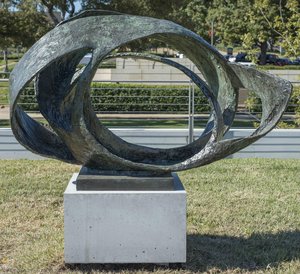
Totem


 Weiterlesen
Giclée / Kunstdruck
Giclée- oder Leinwanddruck in Museumsqualität mit schneller Produktion und flexiblen Veredelungsoptionen. ( Handgemalte Reproduktion bestellen Bild kaufen)




































Wählen Sie aus unseren vordefinierten Formaten, die den ursprünglichen Proportionen des Kunstwerks entsprechen.

Sie können Ihre eigenen Maße eingeben, um ein bestimmtes Format oder einen speziellen Platz einzupassen. Wenn das von Ihnen gewählte Format nicht den Proportionen des Originalbildes entspricht, werden wir das Kunstwerk entweder beschneiden oder das Bild mit einem gespiegelten oder einfarbigen Rand erweitern. Ein digitaler Entwurf wird Ihnen zur Genehmigung zugesandt, bevor die Produktion beginnt.
Bitte beachten Sie, dass die Vorschau auf dem Bildschirm nicht den tatsächlichen Zuschnitt oder die Erweiterung widerspiegelt. Nur der Entwurf zeigt die endgültige Komposition präzise an.
Obwohl Sondermaße verfügbar sind, empfehlen wir die Auswahl eines Maßes aus der vordefinierten Liste, um die ursprünglichen Proportionen zu bewahren.
Weltweiter Versand () innerhalb von 2 Wochen statt der üblichen 4/5 Wochen. (27 August)

Kostenloser weltweiter Expressversand

Hochwertige Leinenleinwand

Umfassender Versicherungsschutz beim Versand

Zollgebühren-Rückerstattungsgarantie

Garantie für exakte Farbtreue

60 Tage Rückgaberecht (nur bei Mängeln)

100% Geld-zurück-Garantie

Mengenrabatt verfügbar
 Die Glasoption ist nur für Größen unter 110 cm verfügbar.

Totem
Giclée / Kunstdruck
Format der Reproduktion
-


Gesamtpreis
$ 62
Sammlerstück-Beschreibung
Barbara Hepworth’s ‘Totem’: A Silent Dialogue with Form and Space
Barbara Hepworth's “Totem,” created in 1960-62, is more than just a sculpture; it’s an invitation to contemplate the fundamental elements of form, space, and human experience. This remarkable piece, crafted from alabaster or marble – materials chosen for their inherent luminosity and tactile quality – stands as a testament to Hepworth's pioneering role in British modernism. The work immediately commands attention with its strikingly vertical orientation, a deliberate choice that draws the eye upwards, suggesting an aspiration towards something beyond the earthly realm. The contrast between this upward thrust and the grounded, angularity of the base creates a dynamic tension, inviting viewers to consider the interplay of stability and movement within the sculpture’s composition.
A Biomorphic Embrace: Form and Technique
Hepworth's signature style is powerfully evident in “Totem.” The form itself is profoundly biomorphic – an organic echo translated into stone. It eschews representational imagery, instead focusing on pure abstraction, exploring the inherent qualities of the material. The sculpture’s surface is remarkably smooth, achieved through a subtractive sculpting technique: Hepworth began with a larger block of stone and meticulously removed material to reveal the desired shape. This process isn't merely about creating an image; it’s about coaxing forth the form already latent within the stone itself. The subtle tonal shifts in the polished surface – from bright highlights to shadowed recesses – are not accidental; they are carefully orchestrated to emphasize the sculpture’s three-dimensionality and create a sense of depth and volume. The precision of the carving, combined with the inherent texture of the alabaster or marble, results in a piece that feels both solid and ethereal.
Symbolic Resonance: Ancestry and Spiritual Connection
The title “Totem” immediately evokes associations with ancient tribal cultures and ancestral figures. While Hepworth herself resisted overly literal interpretations, the sculpture undeniably carries a potent symbolic weight. The vertical element can be seen as representing a connection to the heavens or a spiritual ascent, mirroring the traditional role of totems as guardians and symbols of lineage. The pierced openings within the form aren’t simply decorative; they invite contemplation, creating pockets of negative space that seem to breathe with an inner light. These voids suggest a sense of openness, inviting viewers to project their own interpretations onto the sculpture – perhaps reflecting on personal journeys or universal themes of connection and belonging.
Historical Context: Modernism and Abstraction
“Totem” was created during a pivotal period in Hepworth’s career, aligning with her exploration of abstraction-creation. This movement sought to move beyond representational art, focusing instead on the intrinsic qualities of materials and the fundamental principles of form and space. Hepworth's work, alongside that of artists like Ben Nicholson and Paul Nash, challenged conventional notions of sculpture, embracing a more elemental and expressive approach. The piece reflects the broader shift within 20th-century art towards a rejection of traditional styles and a celebration of modern materials and techniques. It’s a powerful example of how abstraction could be used to convey profound emotional and spiritual ideas.
A Timeless Presence: Emotional Impact and Artistic Legacy
Looking at “Totem” is an experience that transcends mere visual appreciation. There's a quiet serenity, a sense of contemplative stillness that permeates the sculpture’s form. It evokes a feeling of calm, inviting viewers to slow down, breathe deeply, and connect with their own inner landscape. Hepworth’s ability to imbue stone with such emotional resonance is a testament to her extraordinary artistic vision. “Totem” remains a powerful symbol of modernism's enduring legacy – a silent dialogue between form, space, and the human spirit, offering a timeless invitation to contemplation.
Ähnliche Kunstwerke


Über den Künstler
Frühes Leben und Ausbildung
Dame Barbara Hepworth, eine renommierte englische Künstlerin und Bildhauerin, wurde am 10. Januar 1903 in Wakefield geboren. Ihr Vater, Herbert Hepworth, war Bezirksvermessungsingenieur des West Riding County Council und später Alderman. Als Mädchen begleitete sie ihn auf den Autofahrten, die er im Zuge seiner Arbeit durch das West Riding von Yorkshire unternahm. Sie besuchte die Wakefield Girls' High School und erhielt 1915 ein Musikstipendium. 1917 gewann sie einen Schulterscholarship. Die Sommerferien verbrachte sie in Robin Hood's Bay, nahe Whitby, North Yorkshire. Von 1920 bis 1921 besuchte sie die Leeds School of Art, wo sie eine lebenslange Freundschaft mit dem Kommilitonen Henry Moore pflegte. Anschließend erhielt sie ein County-Stipendium für ein Studium an der Royal College of Art in London von 1921 bis 1924.Künstlerische Karriere
- Dame Barbara Hepworth's Werk verkörpert den Modernismus, insbesondere die moderne Bildhauerei. Sie war eine der wenigen Künstlerinnen, die internationale Anerkennung erlangte.
- 1933 gründete sie gemeinsam mit Ben Nicholson, Paul Nash und anderen die Unit One Kunstbewegung, um Surrealismus und Abstraktion in der britischen Kunst zu vereinen.
- Hepworths frühe Arbeit war durch Abstraktion und ihre Beteiligung an der in Paris ansässigen Kunstbewegung Abstraction-Création gekennzeichnet.
Wichtige Werke und Ausstellungen
- Oval Form (Trezion), eine Bronzeskulptur, ist Teil der Sammlung des Kimbell Art Museum in Fort Worth, Vereinigte Staaten. (siehe auf ArtsDot)
- Two Forms, eine Skulptur, wird im Hepworth Wakefield in Wakefield, Großbritannien, ausgestellt. (siehe auf ArtsDot)
- Totem, eine Marmor Skulptur, ist ebenfalls Teil der Sammlung im Hepworth Wakefield. (siehe auf ArtsDot)
Einflüsse und Entwicklung
Hepworths künstlerische Entwicklung war von verschiedenen Einflüssen geprägt. Ihre frühen Werke zeigten noch vereinfachte, naturalistische Formen, doch sie konzentrierte sich zunehmend auf formale Aspekte. Die Begegnung mit Künstlern wie Brancusi und Arp in Paris trug maßgeblich zu ihrer Hinwendung zur Abstraktion bei. Sie experimentierte mit Collage, Fotogrammen und Drucken und entwickelte eine einzigartige Sensibilität für ihre Materialien. Ihre Arbeit wurde von der direkten Bearbeitung des Materials geprägt, wobei sie oft Fäden, Drähte und farbiges Pigment in ihre Skulpturen integrierte.
Vermächtnis und Bedeutung
Barbara Hepworths Werk hat einen bleibenden Eindruck in der Kunstwelt hinterlassen. Sie gilt als eine Pionierin der modernen britischen Bildhauerei und beeinflusste Generationen von Künstlern. Ihre Skulpturen sind Teil bedeutender Museumskollektionen weltweit, und das Hepworth Wakefield ist ein Denkmal für ihr Leben und Werk. Ihr Beitrag zur Entwicklung der abstrakten Bildhauerei wird weiterhin geschätzt und gefeiert. Mehr über Barbara Hepworth auf Wikipedia
Barbara Hepworth
1903 - 1975 , Vereinigtes Königreich
Kurzinfos
- Beeinflusste Künstler: ['Henry Moore']
- Bemerkenswerte Werke:
- Oval Form (Trezion)
- Two Forms
- Totem
- Geburtsdatum: 10. Januar 1903
- Geburtsort: Wakefield, Vereinigtes Königreich
- Künstlerische Richtung: Moderne Skulptur
- Nationalität: Britisch
- Todatum: 1975
- Vollständiger Name: Barbara Hepworth
- Von Künstlern Beeinflusst:
- Brancusi
- Arp
Ähnliche Artikel

Barbara Hepworth: Skulpturale Dialoge mit Form, Raum und menschlicher Existenz
Entdecken Sie das Werk von Barbara Hepworth – einer Meisterin der abstrakten Skulptur. Erfahren Sie mehr über ihre einzigartige Formensprache, Materialien und ihren Einfluss auf die moderne Kunst. Wertvolle Einblicke für Sammler und Kenner.
The Enduring Allure of Marble in Art History: From Classical Sculpture to Modern Abstraction
Explore the captivating history of marble sculpture from ancient Greece to modern art. Discover renowned artists like Canova & Michelangelo, carving techniques, and investment insights at ArtsDot.

Bronze-Meisterwerke: Die 10 Skulpturen, die Kunstgeschichte schrieben | ArtsDot
Entdecken Sie die 10 legendärsten Bronze Skulpturen der Kunstgeschichte! Von Michelangelo bis Rodin – erfahren Sie die Geschichten hinter den Meisterwerken und lassen Sie sich von Wanddeko-Ideen inspirieren. Hochwertige Kunstdrucke auf ArtsDot.com.

The Enduring Form: Exploring Themes & Techniques in Sculpture Across Historical Periods
Explore the rich history of sculpture from ancient masterpieces to contemporary innovations. Discover key techniques, influential artists & investment potential for discerning art collectors.

The Enduring Form: Sculpture Across History, Technique & Emotional Resonance
Explore the rich history of sculpture with ArtsDot. Discover key techniques, influential artists & investment potential for discerning collectors. Expert insights into valuing and collecting timeless masterpieces.