

 Vorschau anzeigen
 Versenden
 Teilen
 Details anzeigen

 Herunterladen
 Ähnliche Objekte
 Röntgenaufnahme
 Diashow
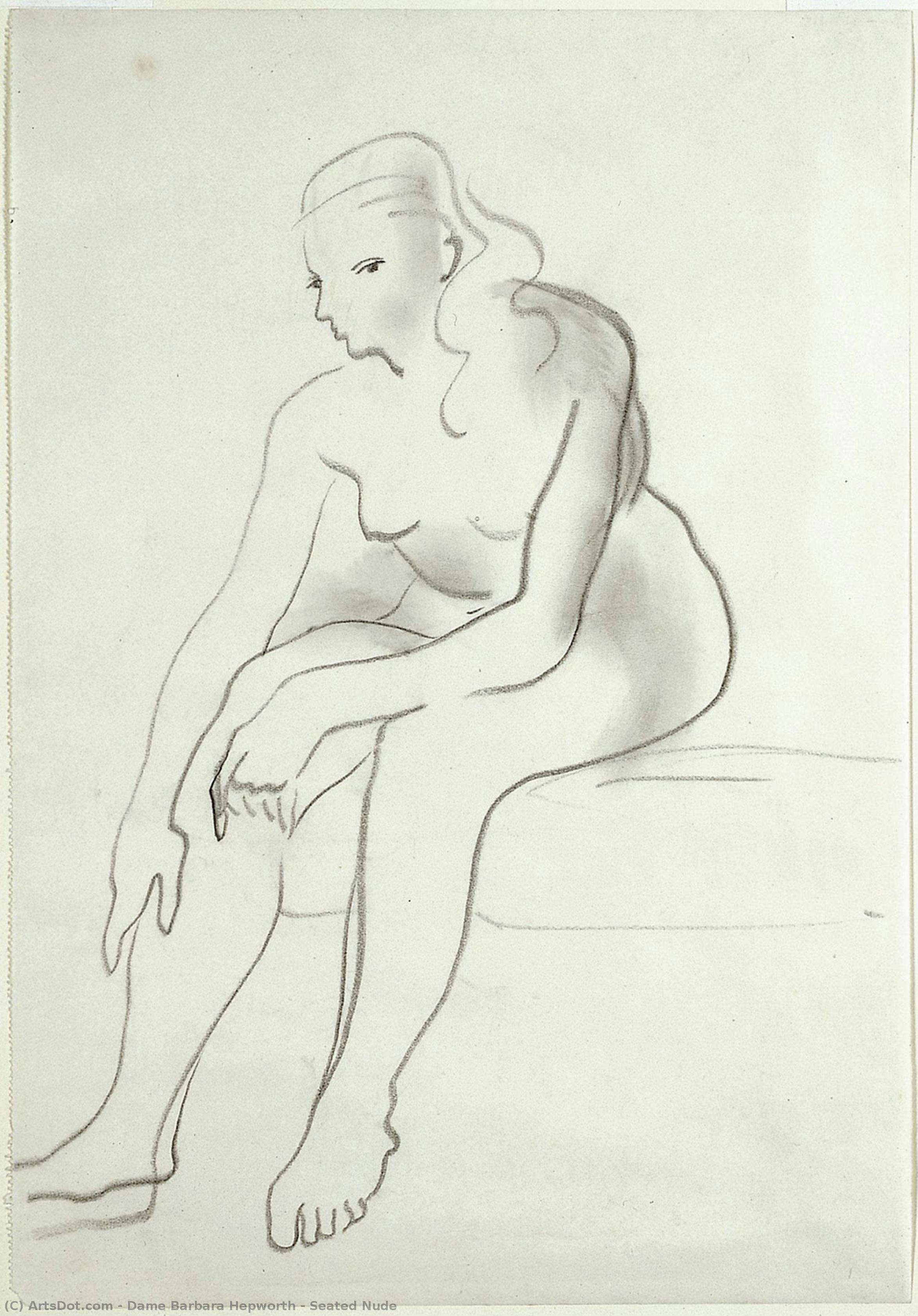
Seated Nude


 Weiterlesen
Handgefertigte Ölreproduktion
Handgemaltes Ölgemälde auf Leinwand in Ihrer Wunschgröße und mit Rahmen, auf Bestellung von unseren Künstlern angefertigt. ( Druck bestellen Bild kaufen)




P118B $10

P118H $10

P118W $10

P438Z $10

P508JH $12

P508YH $12

P805H $10

P805Z $10

P919BZ $10

P919G $10

P919XJ $10

P959ZH $10

P968JZ $12

W106C $8

W218G $10

W218JH $8

W218Y $10

W307PJ $10

W316G $10

W316PJ $8

W316Y $10

W398PJ $8

W4111J $10

W500HY $15

W500JH $15

W692G $12

W849H $8

W940BG $15

W953PJ $8




Wählen Sie aus unseren vordefinierten Formaten, die den ursprünglichen Proportionen des Kunstwerks entsprechen.

Sie können Ihre eigenen Maße eingeben, um einen bestimmten Rahmen oder Platz auszufüllen. Wenn die gewählte Größe nicht den Proportionen des Originalbildes entspricht, werden wir das Kunstwerk entweder beschneiden oder das Gemälde durch zusätzliche, handgemalte Elemente erweitern. Ein digitales Mockup wird Ihnen zur Genehmigung zugesandt, bevor die Produktion beginnt.
Bitte beachten Sie, dass die Bildschirmvorschau nicht die tatsächliche Beschneidung oder Erweiterung widerspiegelt. Nur das Mockup zeigt die endgültige Komposition exakt an.
Obwohl Sondermaße verfügbar sind, empfehlen wir, eine Größe aus der vordefinierten Liste zu wählen, um die ursprünglichen Proportionen beizubehalten.
Nach der Bestellung wird das ArtsDot.com-Team dem Kunden Anweisungen per E-Mail zusenden und eine Mockup-Vorschau bereitstellen.
Weltweiter Versand () in nur 3 bis 4 Wochen statt der üblichen 5 Wochen. (15 August). Keine Kompromisse bei der Qualität.

Kostenloser weltweiter Expressversand

Hochwertige Leinenleinwand

Umfassender Versicherungsschutz beim Versand

Zollgebühren-Rückerstattungsgarantie

Garantie für exakte Farbtreue

60 Tage Rückgaberecht (nur bei Mängeln)

100% Geld-zurück-Garantie

Mengenrabatt verfügbar
 Die Glasoption ist nur für Größen unter 110 cm verfügbar.

Seated Nude
Art der Reproduktion
Format der Reproduktion
-


Gesamtpreis
$ 263
Beschreibung des Kunstwerks
Seated Nude by Barbara Hepworth
Barbara Hepworth’s “Seated Nude” embodies the core tenets of modernist sculpture—abstraction, geometric form, and an exploration of human presence within space. Executed in 1947 during a pivotal period for Hepworth's artistic development, coinciding with her relocation to St Ives and her burgeoning collaboration with Ben Nicholson, this piece exemplifies the influence of Surrealist ideas on British art at the time. The sculpture’s simplicity belies its profound conceptual depth; Hepworth eschewed representational detail in favor of conveying a sense of stillness and contemplation through carefully considered curves and planes.Form and Technique: A Dialogue Between Materiality and Space
Hepworth skillfully utilized Cornish alabaster—a creamy white limestone known for its translucency—to achieve an ethereal quality that transcends mere physicality. The sculptor meticulously carved away material to reveal the underlying form, creating a dynamic interplay between solid mass and negative space. This technique is characteristic of Hepworth’s broader oeuvre and reflects her fascination with exploring how sculpture interacts with its environment. The surface texture is subtly roughened, providing visual interest without distracting from the overall geometric harmony. It's important to note that Hepworth was one of the few female sculptors who achieved international acclaim during her lifetime, a testament to her unwavering commitment to artistic innovation and her ability to communicate complex ideas through elegant forms.Historical Context: Surrealism’s Influence on British Art
The genesis of “Seated Nude” lies within the broader context of Surrealist experimentation in Britain following World War II. Hepworth's involvement with Unit One, alongside Nicholson and others, sought to synthesize Surrealist principles—such as automatism and dream imagery—with abstraction. This movement aimed to liberate art from traditional conventions and explore subconscious impulses. The sculpture’s form echoes the geometric abstractions favored by artists like Gabo and Calder, demonstrating Hepworth's engagement with international artistic currents. It speaks to a desire to capture not just the physical appearance of the human figure but also its psychological essence—a quest for inner stillness and contemplation that resonated deeply with the anxieties and aspirations of the postwar era.Symbolism: Embodied Presence and Spatial Harmony
Beyond its formal qualities, “Seated Nude” carries symbolic weight. The posture itself conveys a sense of repose and vulnerability, inviting viewers to consider themes of introspection and emotional resonance. Hepworth’s masterful manipulation of alabaster contributes to this effect, creating an illusion of luminosity that suggests the presence of light within darkness—a motif frequently employed in Surrealist art. The sculpture's placement within Hepworth’s garden at St Ives reinforces its connection to nature and underscores the artist’s belief in the transformative power of artistic contemplation. It is a piece that encourages viewers to engage with their own perceptions of beauty and form, prompting reflection on the relationship between human experience and the surrounding world.Emotional Impact: Tranquility and Contemplation
Ultimately, “Seated Nude” succeeds in conveying a profound sense of tranquility and contemplation. Hepworth’s meticulous attention to detail—particularly her masterful control over material and space—creates an artwork that transcends mere visual representation. It invites viewers into a meditative state, encouraging them to appreciate the subtle nuances of form and texture. The sculpture's enduring appeal lies in its ability to communicate universal themes of stillness, vulnerability, and inner harmony—qualities that continue to resonate with audiences today.Ähnliche Kunstwerke


Über den Künstler
Frühes Leben und Ausbildung
Dame Barbara Hepworth, eine renommierte englische Künstlerin und Bildhauerin, wurde am 10. Januar 1903 in Wakefield geboren. Ihr Vater, Herbert Hepworth, war Bezirksvermessungsingenieur des West Riding County Council und später Alderman. Als Mädchen begleitete sie ihn auf den Autofahrten, die er im Zuge seiner Arbeit durch das West Riding von Yorkshire unternahm. Sie besuchte die Wakefield Girls' High School und erhielt 1915 ein Musikstipendium. 1917 gewann sie einen Schulterscholarship. Die Sommerferien verbrachte sie in Robin Hood's Bay, nahe Whitby, North Yorkshire. Von 1920 bis 1921 besuchte sie die Leeds School of Art, wo sie eine lebenslange Freundschaft mit dem Kommilitonen Henry Moore pflegte. Anschließend erhielt sie ein County-Stipendium für ein Studium an der Royal College of Art in London von 1921 bis 1924.Künstlerische Karriere
- Dame Barbara Hepworth's Werk verkörpert den Modernismus, insbesondere die moderne Bildhauerei. Sie war eine der wenigen Künstlerinnen, die internationale Anerkennung erlangte.
- 1933 gründete sie gemeinsam mit Ben Nicholson, Paul Nash und anderen die Unit One Kunstbewegung, um Surrealismus und Abstraktion in der britischen Kunst zu vereinen.
- Hepworths frühe Arbeit war durch Abstraktion und ihre Beteiligung an der in Paris ansässigen Kunstbewegung Abstraction-Création gekennzeichnet.
Wichtige Werke und Ausstellungen
- Oval Form (Trezion), eine Bronzeskulptur, ist Teil der Sammlung des Kimbell Art Museum in Fort Worth, Vereinigte Staaten. (siehe auf ArtsDot)
- Two Forms, eine Skulptur, wird im Hepworth Wakefield in Wakefield, Großbritannien, ausgestellt. (siehe auf ArtsDot)
- Totem, eine Marmor Skulptur, ist ebenfalls Teil der Sammlung im Hepworth Wakefield. (siehe auf ArtsDot)
Einflüsse und Entwicklung
Hepworths künstlerische Entwicklung war von verschiedenen Einflüssen geprägt. Ihre frühen Werke zeigten noch vereinfachte, naturalistische Formen, doch sie konzentrierte sich zunehmend auf formale Aspekte. Die Begegnung mit Künstlern wie Brancusi und Arp in Paris trug maßgeblich zu ihrer Hinwendung zur Abstraktion bei. Sie experimentierte mit Collage, Fotogrammen und Drucken und entwickelte eine einzigartige Sensibilität für ihre Materialien. Ihre Arbeit wurde von der direkten Bearbeitung des Materials geprägt, wobei sie oft Fäden, Drähte und farbiges Pigment in ihre Skulpturen integrierte.
Vermächtnis und Bedeutung
Barbara Hepworths Werk hat einen bleibenden Eindruck in der Kunstwelt hinterlassen. Sie gilt als eine Pionierin der modernen britischen Bildhauerei und beeinflusste Generationen von Künstlern. Ihre Skulpturen sind Teil bedeutender Museumskollektionen weltweit, und das Hepworth Wakefield ist ein Denkmal für ihr Leben und Werk. Ihr Beitrag zur Entwicklung der abstrakten Bildhauerei wird weiterhin geschätzt und gefeiert. Mehr über Barbara Hepworth auf Wikipedia
Barbara Hepworth
1903 - 1975 , Vereinigtes Königreich
Kurzinfos
- Beeinflusste Künstler: ['Henry Moore']
- Bemerkenswerte Werke:
- Oval Form (Trezion)
- Two Forms
- Totem
- Geburtsdatum: 10. Januar 1903
- Geburtsort: Wakefield, Vereinigtes Königreich
- Künstlerische Richtung: Moderne Skulptur
- Nationalität: Britisch
- Todatum: 1975
- Vollständiger Name: Barbara Hepworth
- Von Künstlern Beeinflusst:
- Brancusi
- Arp
Ähnliche Artikel

Barbara Hepworth: Skulpturale Dialoge mit Form, Raum und menschlicher Existenz
Entdecken Sie das Werk von Barbara Hepworth – einer Meisterin der abstrakten Skulptur. Erfahren Sie mehr über ihre einzigartige Formensprache, Materialien und ihren Einfluss auf die moderne Kunst. Wertvolle Einblicke für Sammler und Kenner.

Bronze-Meisterwerke: Die 10 Skulpturen, die Kunstgeschichte schrieben | ArtsDot
Entdecken Sie die 10 legendärsten Bronze Skulpturen der Kunstgeschichte! Von Michelangelo bis Rodin – erfahren Sie die Geschichten hinter den Meisterwerken und lassen Sie sich von Wanddeko-Ideen inspirieren. Hochwertige Kunstdrucke auf ArtsDot.com.

The Enduring Form: Exploring Themes & Techniques in Sculpture Across Historical Periods
Explore the rich history of sculpture from ancient masterpieces to contemporary innovations. Discover key techniques, influential artists & investment potential for discerning art collectors.

Die 25 Meisterwerke des British Museum: Kunstgeschichte für Ihr Zuhause | ArtsDot
Entdecken Sie die 25 bedeutendsten Kunstwerke des British Museum! Von ägyptischen Schätzen bis zu Meisterwerken von Rembrandt & Van Gogh – erfahren Sie faszinierende Geschichten und finden Sie hochwertige Reproduktionen für Ihr Zuhause. Jetzt auf ArtsDot.com inspirieren lassen!

Die 10 legendärsten Bronzestatuen: Meisterwerke, die Kunstgeschichte schrieben | ArtsDot
Entdecken Sie die 10 legendärsten Bronzestatuen der Kunstgeschichte! Von Rodin bis Michelangelo – erfahren Sie die Geschichten hinter ikonischen Skulpturen und finden Sie hochwertige Reproduktionen für Ihr Zuhause. Jetzt bei ArtsDot entdecken!



