


 In echtem Maßstab anzeigen
 Versenden als Grußkarte
 Teilen
 Details anzeigen
 Leitfaden

 Herunterladen
 Ähnliche Objekte
 Röntgenaufnahme
 Diashow
 Besucherstatistiken
Tucia

 Mehr anzeigen
Handgefertigte Ölreproduktion
Handgemaltes Ölgemälde auf Leinwand in Ihrer Wunschgröße und mit Rahmen, auf Bestellung von unseren Künstlern angefertigt. ( Zum Druck wechseln Zum digitalen Bild wechseln)




P118B $10

P118H $10

P118W $10

P438Z $10

P508JH $12

P508YH $12

P805H $10

P805Z $10

P919BZ $10

P919G $10

P919XJ $10

P959ZH $10

P968JZ $12

W106C $8

W218G $10

W218JH $8

W218Y $10

W307PJ $10

W316G $10

W316PJ $8

W316Y $10

W398PJ $8

W4111J $10

W500HY $15

W500JH $15

W692G $12

W849H $8

W940BG $15

W953PJ $8




Wählen Sie aus unseren vordefinierten Formaten, die den ursprünglichen Proportionen des Kunstwerks entsprechen.

Sie können Ihre eigenen Maße eingeben, um einen bestimmten Rahmen oder Platz auszufüllen. Wenn die gewählte Größe nicht den Proportionen des Originalbildes entspricht, werden wir das Kunstwerk entweder beschneiden oder das Gemälde durch zusätzliche, handgemalte Elemente erweitern. Ein digitales Mockup wird Ihnen zur Genehmigung zugesandt, bevor die Produktion beginnt.
Bitte beachten Sie, dass die Bildschirmvorschau nicht die tatsächliche Beschneidung oder Erweiterung widerspiegelt. Nur das Mockup zeigt die endgültige Komposition exakt an.
Obwohl Sondermaße verfügbar sind, empfehlen wir, eine Größe aus der vordefinierten Liste zu wählen, um die ursprünglichen Proportionen beizubehalten.
Nach der Bestellung wird das ArtsDot.com-Team dem Kunden Anweisungen per E-Mail zusenden und eine Mockup-Vorschau bereitstellen.
Weltweiter Versand () in nur 3 bis 4 Wochen statt der üblichen 5 Wochen. (21 September). Keine Kompromisse bei der Qualität.

Kostenloser weltweiter Expressversand

Hochwertige Leinenleinwand

Vollständiger Versicherungsschutz beim Versand

Zollgebühren-Rückerstattungsgarantie

Garantie für exakte Farbtreue

100-tägiges Rückgaberecht (nur bei Mängeln)

100% Geld-zurück-Garantie

Angebot für Mengenrabatt
 Die Glasoption ist nur für Größen unter 110 cm verfügbar.

Tucia
Reproduktionsmedium
Format der Reproduktion
-


Gesamtpreis
$ 263
The Enigmatic Figure of Tucia
Andrea Mantegna’s “Tucia,” a captivating portrait painted around 1495-1506, is more than just a depiction of a woman; it's an invitation into the heart of Renaissance ideals – a potent blend of classical reverence, meticulous observation, and subtle psychological depth. The painting immediately draws the eye with its strikingly formal composition, reminiscent of ancient Roman sculpture. The subject, identified as Tucia, a Vestal Virgin celebrated for her legendary act of self-sacrifice to avoid capture by a Roman general, is presented in a pose that echoes the statues of Greek goddesses and heroines – a deliberate choice reflecting Mantegna’s profound admiration for antiquity. She stands with an almost unnerving stillness, holding a simple plate in her hand, yet radiating an aura of quiet dignity and contained power.
A Study in Monochrome and Sculptural Form
Mantegna’s masterful technique is immediately apparent. The painting exists almost entirely within a limited palette of grays, blacks, and whites – a “grisaille” style that was highly favored during this period. This deliberate restriction forces the viewer to focus on the play of light and shadow, emphasizing the sculpted quality of the figure. The surfaces are remarkably smooth, achieved through meticulous layering of egg tempera, a medium known for its luminosity and ability to mimic the appearance of polished stone or metal. Notice how Mantegna renders the folds of Tucia’s dress, not with loose brushstrokes but with carefully delineated planes that create an illusion of three-dimensionality – a hallmark of his sculptural approach. The background is equally sophisticated, featuring a simple wall adorned with a vase and two birds, elements subtly integrated to enhance the overall composition without distracting from the central figure.
Echoes of Antiquity: Symbolism and Context
The choice of Tucia as the subject is laden with symbolic meaning. Her story – a dramatic act of defiance and self-preservation rooted in Roman mythology – speaks to themes of honor, sacrifice, and female agency. Mantegna’s decision to portray her in this manner, reminiscent of classical sculpture, was not merely an aesthetic one; it was a deliberate assertion of the Renaissance's commitment to reviving the values and ideals of antiquity. The plate she holds is deliberately simple, devoid of ornamentation, further emphasizing her inherent dignity and rejecting any suggestion of material wealth or vanity. The inclusion of the vase and birds adds layers of interpretation – perhaps alluding to fertility, abundance, or even a subtle commentary on the fleeting nature of life.
A Window into Renaissance Ideals
“Tucia” offers a profound glimpse into the artistic and intellectual currents of the High Renaissance. Mantegna’s fascination with Roman antiquity was not simply an imitation; it was a deeply considered engagement with the past, seeking to understand its principles and apply them to contemporary art. This painting exemplifies his innovative use of perspective, his meticulous attention to detail, and his ability to imbue even a seemingly simple portrait with profound psychological depth. Reproductions of “Tucia” allow us to appreciate these qualities fully, bringing this remarkable work of Renaissance art into our homes and inspiring contemplation on its enduring beauty and significance.
Ähnliche Kunstwerke


Biografie des Künstlers
frühes Leben und Karriere
Andrea Mantegna, ein innovativer italienischer Maler und Gelehrter der römischen Archäologie, wurde 1431 in Italien geboren. Sein Leben ist durch eine bedeutende Abweichung von den weichen Formen seiner Zeit gekennzeichnet, wobei er sich für eine kühne, volumetrische Darstellung von Raum und Form entschied.Beitrag zur Perspektive
Mantegnas Werk war entscheidend bei der Erforschung der Perspektive und nutzte Techniken wie das Anpassen der Horizontlinie, um seinen Werken einen größeren Maßstab und Schwere zu verleihen. Dieser Ansatz stellte eine bedeutende Abweichung von den weichen Formen seiner Zeit dar und zeigte seinen einzigartigen Stil.Bekannte Werke und Verbindungen
* Mantegnas Gemälde sind für ihre robuste, skulpturale Qualität bekannt und zeigen harte, reflektierende Landschaften und Figuren, die seine Bildhauer-Sensibilität für Form und Textur verraten. * Seine Verbindung zur Bellini-Familie durch Heirat ist bemerkenswert, da sie die Vernetzung künstlerischer Familien während der Renaissance widerspiegelt.Vermächtnis in der Kunstgeschichte
Mantegnas Einfluss auf die Entwicklung der Kunst in Italien und darüber hinaus ist unbestreitbar. Sein kühner Ansatz zur Perspektive und Form hat Generationen von Künstlern inspiriert. Wie in seiner Sammlung auf ArtsDot zu sehen ist, fesseln seine Werke die Zuschauer weiterhin mit ihrer Pracht und ihrem innovativen Stil.- Schlüssel künstlerische Bewegungen: Renaissance, frühe Perspektive.
- Bekannte Werke: Umfassen "Die Klage über den toten Christus" und "St. Georg".
- Museen, die seine Werke ausstellen: Die Nationalgalerie in London und die Pinacoteca Brera in Mailand unter anderem.
Weitere Literatur und Erkundung
* Für mehr Informationen über Mantegnas Leben und Werk siehe die Palumbo-Fossati-Sammlung (Venedig, Italien), die einen kurzen Überblick über die Sammlung und ihre bemerkenswerten Stücke bietet. * Erkunden Sie die Geschichte der Kunst in Italien mit der Kultur Italiens auf Wikipedia.
Andrea Mantegna
1431 - 1506 , Italien
Eckdaten zum Künstler
- Beeinflusste Künstler:
- Raphael
- Michelangelo
- Bemerkenswerte Werke:
- Die Klage über den toten Christus
- St. Georg und der Drache
- Camera degli Sposi Fresken
- Die Siege Caesars
- Geburtsdatum: 1431
- Geburtsort: Carturu, Italien
- Künstlerische Bewegung: Renaissance, Frühe Perspektive
- Künstlerische Einflüsse:
- Donatello
- Jacopo Bellini
- Nationalität: Italienisch
- Sterbedatum: 1506
- Vollständiger Name: Andrea Mantegna
Verwandte Artikel

Robert Havell Sr.: Botanical Precision & the Rise of Colour Plate Publishing
Explore the life & work of Robert Havell Sr., a pioneer of botanical illustration and key collaborator with Audubon. Discover his stunning aquatint engravings, artistic techniques, and lasting impact on 19th-century art.

Edward Hopper: Die 25 Meisterwerke des amerikanischen Realismus | ArtsDot
Entdecken Sie die 25 Meisterwerke von Edward Hopper! Tauchen Sie ein in amerikanische Kunst, Realismus & Isolation. Hochwertige Reproduktionen & Inspiration für Ihr Zuhause bei ArtsDot.com.

Andrea del Sarto: Florentinische Eleganz und die Meisterschaft der Renaissance
Entdecken Sie das Werk von Andrea del Sarto, einem Meister der Florentiner Renaissance. Erfahren Sie mehr über seine Fresken, seinen Stil und sein Vermächtnis in diesem umfassenden Artikel. Hochwertige Reproduktionen bei ArtsDot!
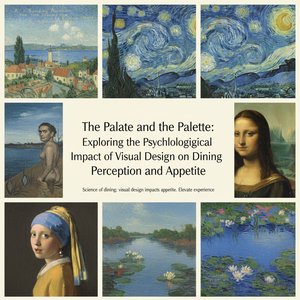
Die Palette und der Gaumen: Psychologische Ästhetik von Speisen und ihre Wirkung auf die Wahrnehmung
Entdecken Sie die psychologische Ästhetik von Speisen! Erfahren Sie, wie visuelle Gestaltung den Genuss steigert und Marken in der Gastronomie prägt. Expertenwissen für Hoteldesigner & Restaurateure.

Die 25 Meisterwerke der Uffizien: Kunstgeschichte für Ihr Zuhause | ArtsDot
Entdecken Sie die 25 berühmtesten Meisterwerke der Uffizien, Florenz! Von Botticelli bis Leonardo da Vinci – Kunstgeschichte erleben. Hochwertige Reproduktionen & Inspiration für Ihr Zuhause auf ArtsDot.com.


