


 In echtem Maßstab anzeigen
 Versenden als Grußkarte
 Teilen
 Details anzeigen
 Leitfaden öffnen

 Herunterladen
 Ähnliche Objekte
 Röntgenaufnahme
 Diashow
 Besucherstatistiken
The Dance
 Painting
- WallArt
- Bold Color Fauvism
 1906
1906- Modern
 175.0 x 225.0 cm
 Mehr anzeigen
Giclée / Kunstdruck
Giclée- oder Leinwanddruck in Museumsqualität mit schneller Produktion und flexiblen Veredelungsoptionen. ( Handgemalte Reproduktion kaufen Zum digitalen Bild wechseln)




P118B €10

P118H €10

P118W €10

P438Z €10

P508JH €12

P508YH €12

P805H €10

P805Z €10

P919BZ €10

P919G €10

P919XJ €10

P959ZH €10

P968JZ €12

W106C €8

W218G €10

W218JH €8

W218Y €10

W307PJ €10

W316G €10

W316PJ €8

W316Y €10

W398PJ €8

W4111J €10

W500HY €15

W500JH €15

W692G €12

W849H €8

W940BG €15

W953PJ €8




Wählen Sie aus unseren vordefinierten Formaten, die den ursprünglichen Proportionen des Kunstwerks entsprechen.

Geben Sie die Breite und die Höhe an, die Sie benötigen, damit der Druck perfekt in Ihren Rahmen oder an Ihre Wand passt. Ein Druck kann nur beschnitten werden und niemals größer als das Originalbild gemacht werden; daher verliert ein Format mit einer anderen Proportion einen Teil des Bildes. Wir senden Ihnen ein digitales Mockup zur Freigabe, bevor wir den Druck ausführen. Das auf dieser Seite gezeigte Bild zeigt nicht den tatsächlichen Beschnitt – dies ist nur im Mockup ersichtlich.
Weltweiter Versand () innerhalb von 2 Wochen statt der üblichen 4/5 Wochen. (20 Oktober)

Kostenloser weltweiter Expressversand

Hochwertige Leinenleinwand

Vollständiger Versicherungsschutz beim Versand

Zollgebühren-Rückerstattungsgarantie

Garantie für exakte Farbtreue

100-tägiges Rückgaberecht (nur bei Mängeln)

100% Geld-zurück-Garantie

Angebot für Mengenrabatt
 Die Glasoption ist nur für Größen unter 110 cm verfügbar.

The Dance
Giclée / Kunstdruck
Format der Reproduktion
-


Gesamtpreis
€ 54
A Symphony of Color: The Primal Energy of André Derain’s The Dance
In the annals of modern art, few moments capture the raw, unbridled spirit of rebellion quite like the emergence of Fauvism, and few works embody this revolution as vibrantly as André Derain’s The Dance. Completed in 1906, this masterpiece serves as a breathtaking window into a period when color was liberated from the shackles of reality. As one gazes upon the canvas, the immediate sensation is one of rhythmic vitality; three figures are locked in a joyous, swirling motion, their forms partially defined not by precise anatomical lines, but by the explosive interaction of pigment and light. The scene is set against a lush, verdant backdrop of trees that seem to pulse with life, creating an atmosphere where the boundary between the human spirit and the natural world begins to dissolve.
The technique employed by Derain is nothing short of visceral. Eschewing the subtle, blended transitions of the Impressionists, he utilizes a palette of unrestrained fervor. Bold strokes of crimson, emerald, and sun-drenched yellow are applied with a decisiveness that suggests both confidence and passion. This method—often referred to as "wild beast" painting—uses color as an emotive instrument rather than a descriptive one. The red garments of the dancers do not merely represent fabric; they act as visual heartbeats within the composition, drawing the eye into the center of the movement. For the discerning collector or interior designer, this technique offers a profound sense of depth and texture, making the piece a commanding focal point that breathes life into any sophisticated space.
Historical Resonance and the Spirit of Modernity
To understand the emotional weight of The Dance, one must look back to the transformative years of the early 20th century. Derain, alongside his close collaborator Henri Matisse, sought to shatter the conventions of the Académie. His journey, which began with quiet excursions into the French countryside, culminated in this radical reimagining of the canvas. The painting reflects a pivotal moment in art history where the artist’s internal emotional landscape took precedence over the external visual world. There is a certain primal magic in the way Derain captures the essence of movement; it is as if the very air around the dancers is thick with the energy of a new era.
Beyond the surface beauty, there is a subtle layer of symbolism woven into the verdant landscape. The presence of serpentine forms amidst the foliage adds a touch of the mysterious and the elemental, grounding the joyous dance in a more ancient, earth-bound reality. This tension between the exuberant human celebration and the untamed natural world provides a rich narrative depth that invites endless contemplation. For those seeking to adorn a home or gallery with art that inspires movement and conversation, this reproduction offers more than just aesthetic pleasure; it offers a connection to the very dawn of modern expressionism.
Fragen & Antworten
Welche Farben dominieren "The Dance" von André Derain?
"The Dance" von André Derain verwendet eine Dark-Palette, wobei Bronze (#d8a329) die dominierende Farbe ist.
Welchen kunsthistorischen Stellenwert nimmt "The Dance" von André Derain ein?
"The Dance" von André Derain gehört der Bold Color Fauvism-Strömung innerhalb der Modern-Epoche an. Zusammen verleihen sie dem Werk seinen Platz in der Kunstgeschichte.
Wie kann ich einen Druck von "The Dance" von André Derain erwerben?
Um einen Druck von "The Dance" von André Derain zu erhalten, bestellen Sie ihn einfach auf der Seite Kunstdruck: ein Fine Art Print auf Baumwollkanvas oder Archiv-Leinwandpapier.
Ähnliche Kunstwerke


Biografie des Künstlers
Frühe Jahre und Ausbildung
- Geburt und Familie: André Derain wurde am 10. Juni 1880 in Chatou, Yvelines, Île-de-France, unweit von Paris geboren.
- Unabhängiges Studium: Im Gegensatz zu einigen Darstellungen begann Derain bereits 1895 mit dem Malen, bevor er Vlaminck oder Matisse kennenlernte. Er besuchte gelegentlich die Landschaft mit Vater Jacomin und seinen Söhnen.
- Formale Ausbildung: 1898 studierte er Ingenieurwesen an der Académie Camillo, wo er Henri Matisse kennenlernte und später bei Eugène Carrière Malereiunterricht erhielt.
- Aufgabe des Ingenieurwesens: Nach dem Militärdienst (1901-1904) wurde Derain von Matisse davon überzeugt, seine Ingenieurslaufbahn aufzugeben und sich ganz der Malerei zu widmen. Anschließend besuchte er die Académie Julian.
Fauvismus und frühe künstlerische Entwicklung
- Zusammenarbeit mit Matisse: Derain arbeitete eng mit Henri Matisse zusammen, insbesondere im Sommer 1905 in Collioure, was zu Werken wie "Berge von Collioure" führte.
- Salon d'Automne (1905): Ihre Ausstellung im Salon d'Automne war ein entscheidender Moment, der dazu führte, dass der Kritiker Louis Vauxcelles die Künstler als "Les Fauves" ("die Wilden") bezeichnete aufgrund ihrer kühnen und unkonventionellen Farbgebung.
- Londoner Gemälde: Im Jahr 1906 schickte ihn Ambroise Vollard nach London, wo er eine Reihe von Gemälden anfertigte, die die Stadt auf neuartige Weise darstellten, wobei der Schwerpunkt auf der Themse und der Tower Bridge lag. Diese Werke gelten als einige seiner bedeutendsten.
- Einflüsse & Stil: Frühe fauvistische Arbeiten zeichnen sich durch intensive, unnatürliche Farben und ausdrucksstarke Pinselstriche aus. Derain wurde von Künstlern wie Van Gogh und Cézanne beeinflusst.
Entwicklung des Stils und spätere Werke
- Verschiebung hin zum Klassizismus: Nach 1907 begann sich Derains Stil zu wandeln, weg von der rein fauvistischen Farbpalette hin zu gedämpfteren Tönen und einem größeren Fokus auf die Form. Diese Periode (1911-1914) wird manchmal als seine "gotische" Phase bezeichnet.
- Einfluss des Kubismus & alter Meister: Derains Arbeit in dieser Zeit spiegelte sein Studium der alten Meister wider und integrierte Elemente des Kubismus sowie ein erneutes Interesse an klassischen Formen.
- Ballettdesign: Im Jahr 1919 entwarf er die Ballettaufführung "La Boutique Fantasque" für Diaghilev, was seine Vielseitigkeit als Künstler unter Beweis stellte.
- Bemerkenswerte Werke: Zu den wichtigsten Werken dieser Zeit gehören "Harlekin und Pierrot", "Die Rückkehr des Odysseus" (ein großes Wandgemälde) sowie verschiedene Landschaften und Stillleben, die seine sich entwickelnde Stilrichtung zeigen.
Vermächtnis und historische Bedeutung
- Mitbegründer des Fauvismus: Derain gilt als eine Schlüsselfigur bei der Entwicklung des Fauvismus, neben Matisse, und leistete einen bedeutenden Beitrag zur Kunstbewegung des frühen 20. Jahrhunderts.
- Einzigartige Vision von London: Seine Reihe von Gemälden, die London darstellen, bot eine frische und unverwechselbare Perspektive auf die Stadt und unterschied sich von früheren künstlerischen Darstellungen.
- Nachkriegs-Anerkennung: Nach dem Ersten Weltkrieg erlangte Derain neue Anerkennung für seine Beiträge zu einem wiederauflebenden Klassizismus in der Kunst.
- Spätere Jahre & Kontroversen: Trotz des Gewinnens des Carnegie-Preises im Jahr 1928 sah sich Derain während des Zweiten Weltkriegs aufgrund seiner Anwesenheit in Deutschland mit Kontroversen konfrontiert und wurde später von einigen ehemaligen Unterstützern gemieden.
- Tod und Erinnerung: André Derain starb am 8. September 1954. Seine Werke werden weiterhin für ihre kühnen Farben, ausdrucksstarken Kompositionen und seinen bedeutenden Beitrag zur Geschichte der modernen Kunst gefeiert.

André Derain
1880 - 1954 , Frankreich
Eckdaten zum Künstler
- Beeinflusste Künstler:
- Henri Matisse
- Pablo Picasso
- Bemerkenswerte Werke:
- Harlekin und Pierrot
- Londoner Bilder
- Bacchus-Tanz
- Die Heimkehr des Odysseus
- Geburtsdatum: 10. Juni 1880
- Geburtsort: Chatou, Frankreich
- Künstlerische Bewegung: Fauvismus
- Nationalität: Französisch
- Todestag: 8. September 1954
- Vollständiger Name: André Derain
Verwandte Artikel

André Derain: Die Kühne Vision des Fauvismus und die Evolution der Modernen Farbe
Entdecken Sie die revolutionäre Kunst des Fauvismus und das Wirken von André Derain! Erfahren Sie mehr über Farbgebung, Einflüsse & das Erbe dieser bedeutenden Bewegung. Expertenwissen auf ArtsDot.

The Enduring Legacy of Oil on Canvas: Technique, History & Aesthetic Impact
Explore the rich history & techniques of oil painting – from Renaissance masters to Impressionism. Discover pigments, layering methods, and why this timeless medium endures. Expert insights for artists & art enthusiasts.

Mutige Meisterwerke: Die Top 10 Kunstwerke voller Ausdruckskraft | ArtsDot
Entdecken Sie die Top 10 mutiger Kunstwerke, voller Ausdruckskraft & Emotion! Von Van Gogh bis Picasso – erfahren Sie die Geschichten hinter den Meisterwerken und finden Sie Ihre perfekte Wanddeko auf ArtsDot.com.
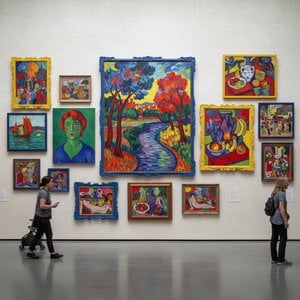
Fauvismus: Die 10 Meisterwerke, die eine Revolution der Farben entfesselten –
Entdecken Sie die 10 Meisterwerke des Fauvismus! Von Matisse bis Derain – erleben Sie die Revolution der Farben und Emotionen in der modernen Kunst. Hochwertige Reproduktionen & Inspiration für Ihr Zuhause auf
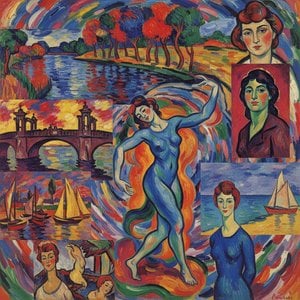
Fauvismus: Die 10 Meisterwerke, die eine Revolution der Farbe auslösten | ArtsDot
Entdecken Sie die 10 Meisterwerke des Fauvismus! Von Matisse bis Derain – erleben Sie die Revolution der Farbe und Emotion. Hochwertige Kunstdrucke & Reproduktionen auf ArtsDot.com. Jetzt Kunst für Ihr Zuhause finden!


