

 Vorschau anzeigen
 Versenden
 Teilen
 Details anzeigen
 Leitfaden

 Herunterladen
 Ähnliche Objekte
 Röntgenaufnahme
 Diashow
 Q&A
Q&A Statistiken
Study for Music


 Weiterlesen
Giclée / Kunstdruck
Giclée- oder Leinwanddruck in Museumsqualität mit schneller Produktion und flexiblen Veredelungsoptionen. ( Handgemalte Reproduktion bestellen Zum digitalen Bild wechseln)




































Wählen Sie aus unseren vordefinierten Formaten, die den ursprünglichen Proportionen des Kunstwerks entsprechen.

Geben Sie die benötigte Breite und Höhe an, damit der Druck perfekt in Ihren Rahmen oder an Ihre Wand passt. Ein Druck kann nur beschnitten, aber niemals größer als das Originalbild angefertigt werden; daher verliert ein Format mit anderen Proportionen einen Teil des Bildes. Wir senden Ihnen ein digitales Mockup zur Freigabe, bevor wir den Druck ausführen. Das auf dieser Seite gezeigte Bild zeigt nicht den tatsächlichen Beschnitt – dies ist nur im Mockup ersichtlich.
Weltweiter Versand () innerhalb von 2 Wochen statt der üblichen 4/5 Wochen. (2 November)

Kostenloser weltweiter Expressversand

Hochwertige Leinenleinwand

Umfassender Versicherungsschutz beim Versand

Zollgebühren-Rückerstattungsgarantie

Garantie für exakte Farbtreue

100 Tage Rückgaberecht (nur bei Mängeln)

100% Geld-zurück-Garantie

Mengenrabatt verfügbar
 Die Glasoption ist nur für Größen unter 110 cm verfügbar.

Study for Music
Giclée / Kunstdruck
Format der Reproduktion
-


Endpreis
€ 55
A Study in Graceful Movement: Mucha’s ‘Study for Music’
Alphonse Maria Mucha's “Study for Music,” a captivating work brimming with the hallmarks of his signature Art Nouveau style, invites us into a world where decorative elegance intertwines seamlessly with profound emotional resonance. This painting, though shrouded in some mystery regarding its precise creation date and dimensions – details currently unavailable to us – offers a potent glimpse into Mucha’s artistic process and his enduring fascination with idealized beauty and the evocative power of music itself. The image depicts a woman seated thoughtfully, her posture radiating both serenity and an underlying current of contemplation. Her flowing green dress, rendered in delicate brushstrokes, seems to ripple with movement, echoing the very ‘music’ for which the piece is named. The warm yellow background isn't merely a backdrop; it acts as a luminous embrace, intensifying the colors and contributing significantly to the painting’s overall atmosphere of quiet contemplation.
The Art Nouveau Vision: Mucha’s Influences and Techniques
Born in Brno, Czech Republic, in 1860, Alphonse Maria Mucha developed a unique artistic voice that would become synonymous with Art Nouveau. Rejecting the rigid academic traditions he encountered at the Academy of Fine Arts in Prague, Mucha embraced a more organic approach, heavily influenced by artists like Pierre-Auguste Renoir and Gustave Moreau. His work is characterized by its deliberate use of flowing lines, intricate ornamentation, and a profound appreciation for natural forms – particularly those found in flora and fauna. Notice the careful rendering of the woman’s drapery; it's not simply fabric but an extension of her form, imbued with a sense of movement and almost liquid grace. Mucha’s technique involved layering thin glazes of color, building up depth and luminosity that is characteristic of his most celebrated works. The subtle gradations in tone, particularly around the figure’s face and hands, contribute to the painting's ethereal quality.
Symbolism and Narrative within the Scene
Beyond its purely aesthetic qualities, “Study for Music” hints at deeper symbolic meanings. The presence of the other figures – a man in the background and two birds – adds layers of narrative complexity. The woman’s pose, with her legs crossed and head slightly tilted, suggests an act of listening, absorbed in the music she hears or perhaps composing it herself. The birds, frequently recurring motifs in Mucha's work, often represent freedom, inspiration, and the connection between humanity and nature. The necklace she wears could be interpreted as a symbol of adornment, but also potentially represents a link to tradition or heritage – themes prevalent in Mucha’s exploration of Czech identity through his art. The overall composition feels deliberately balanced, creating a sense of harmony and tranquility.
A Legacy of Beauty: Mucha's Impact and the Reproduction
Alphonse Maria Mucha’s influence on the Art Nouveau movement is undeniable, and “Study for Music” stands as a testament to his artistic genius. His work continues to inspire artists and designers today, demonstrating the enduring power of beauty, elegance, and emotional expression. ArtsDot.com offers a meticulously crafted hand-painted reproduction of this remarkable piece, allowing you to bring its captivating charm into your home or office. Each reproduction is created using archival quality materials and traditional techniques, ensuring that it faithfully captures the original’s delicate details and luminous color palette. This isn't just a print; it’s an investment in art history – a tangible connection to one of the most significant figures of the Art Nouveau era.
Fragen & Antworten
Welche Farben dominieren in "Study for Music" von Alphonse Maria Mucha?
"Study for Music" von Alphonse Maria Mucha verwendet eine Pastels-Palette, wobei Driftwood (#bcbc5e) die dominierende Farbe ist.
Welche emotionale Stimmung prägt den Stil der Art Nouveau-Epoche in „Study for Music“?
Die Romantic Ausstrahlung von „Study for Music“ wird durch seinen Art Nouveau-Stil ergänzt.
Aus welcher Epoche stammt "Study for Music" von Alphonse Maria Mucha?
"Study for Music" von Alphonse Maria Mucha stammt aus der Epoche der 19th Century. Diese Zeitspanne liefert den historischen Kontext des Werkes.
Ähnliche Kunstwerke


Künstlerbiografie
Frühes Leben und Ausbildung
- Geboren: 15. Juli 1860 in Ivanačice, Mähren (heute Teil der Tschechischen Republik)
- Zeigte schon in jungen Jahren künstlerisches Talent.
- Studierte an der Akademie der Schönen Künste in Prag, war aber von traditionellen Ansätzen enttäuscht.
- Zog 1887 nach Paris, um seinen eigenen Stil zu verfolgen.
Künstlerischer Stil und bemerkenswerte Werke
- Bekannt für seinen unverwechselbaren Jugendstil, der sich durch fließende Linien, organische Formen und eine Bewegungsempfindung auszeichnet.
- Beeinflusst von Künstlern wie Pierre-Auguste Renoir und Gustave Moreau.
- Bemerkenswerte Werke:
- Der slawische Aufstand – Zeigt die Verbindung traditioneller tschechischer Motive mit modernen Jugendstilelementen.
- Salon des Cent
- Gemälde, inspiriert von Werken wie Die Töchter des Tespio von Gustave Moreau und La Ribambelle des Gobelins von Piero Dorazio.
- Illustrationen basierend auf Junge Landwirte ernten Leinen von Sir Hubert von Herkomer.
- Stellte häufig idealisierte Frauen in fließenden Gewändern inmitten üppiger Blumen dar.
Karrierehöhepunkte und wichtige Aufträge
- Zusammenarbeit mit Sarah Bernhardt: Erschuf Plakate und Designs für die Schauspielerin Sarah Bernhardt, beginnend mit dem Plakat für Gismonda (1894), das seine Karriere startete.
- Weltausstellung in Paris (1900): Sein Jugendstil erlangte bei dieser Ausstellung internationale Anerkennung. Er dekorierte den Pavillon von Bosnien und Herzegowina und arbeitete an der Gestaltung des österreichischen Pavillons mit.
- Förderung durch Charles Richard Crane: Erhielt Unterstützung von Charles Richard Crane, die es ihm ermöglichte, die monumentale Serie Der slawische Epos (1912-30) zu schaffen.
- Unabhängiges Tschechoslowakei: Entwarf Briefmarken, Banknoten und Regierungsdokumente für das neu unabhängige Tschechoslowakei.
Einflüsse und Vermächtnis
- Beeinflusst von tschechischen künstlerischen Traditionen und modernen europäischen Kunstbewegungen.
- Sein einzigartiger Stil ebnete den Weg für zukünftige Generationen von Künstlern im Jugendstil und der Sezession.
- Inspirierte andere Künstler wie Eva Prokopcová.
- Sein Vermächtnis erstreckt sich über seine Kunstwerke hinaus und beeinflusst Design und Ästhetik.
Späteres Leben und Tod
- Vermählte sich 1906 mit Maruska (Marie/Maria) Chytilová.
- Besuchte von 1906 bis 1910 die Vereinigten Staaten, wo ihre Tochter Jaroslava geboren wurde.
- Starb am 14. Juli 1939 in Prag, Tschechoslowakei.

Alphonse Maria Mucha
1860 - 1939 , Tschechien
Kurzinfos
- Beeinflusste Künstler:
- Pierre-Auguste Renoir
- Gustave Moreau
- Bemerkenswerte Werke:
- Slavonic Uprising
- Salon des Cent
- The Slav Epic
- Geburtsdatum: 15. Juli 1860
- Geburtsort: Brno, Tschechien
- Künstlerische Richtung: Art Nouveau
- Nationalität: Tschechisch
- Todatum: 14. Juli 1939
- Vollständiger Name: Alphonse Maria Mucha
- Von Künstlern Beeinflusst: ['Eva Prokopcová']
Ähnliche Artikel

Verdant Visions: Exploring the Symbolism & Aesthetic Impact of Green in Art History
Explore the rich history & symbolism of green in art! Discover iconic paintings, techniques, and how to bring verdant harmony into your home with ArtsDot's expert guide.

Chromgrüne Meisterwerke: Die Top 10 berühmtesten Gemälde & ihre Geschichte |
Entdecken Sie die Top 10 berühmter Gemälde, dominiert von faszinierendem Chromgrün! Von Monet bis Van Gogh – erfahren Sie die Geschichten hinter den Meisterwerken und lassen Sie sich für Ihre Wohnraumgestaltung inspirieren. Kunstdrucke in Museumsqualiät auf

Kadmiumgrün in der Meisterklasse: Die 10 berühmtesten Gemälde & ihre Geschichte |
Entdecken Sie die 10 berühmtesten Gemälde, dominiert von Kadmiumgrün! Von Monet bis Van Gogh – erleben Sie Kunstgeschichte und lassen Sie sich von Meisterwerken inspirieren. Hochwertige Reproduktionen auf .
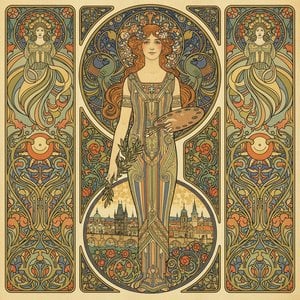
Alphonse Mucha: Meister des Jugendstils und seine zeitlose Ästhetik
Entdecken Sie das Leben und Werk von Alphonse Mucha, dem Meister des Jugendstils! Erfahren Sie mehr über seine ikonischen Plakate, Illustrationen und den bleibenden Einfluss seiner Kunst auf die moderne Welt. Jetzt lesen!
Chromgelb in der Kunstgeschichte: Die 10 berühmtesten Gemälde & ihre Meister
Entdecken Sie die 10 berühmtesten Gemälde, dominiert von der leuchtenden Farbe Chromgelb! Von Van Gogh bis Monet – erfahren Sie Geschichten hinter Meisterwerken & finden Sie Ihre perfekte Kunst-Reproduktion auf ArtsDot.com.


