


 In echtem Maßstab anzeigen
 Versenden als Grußkarte
 Teilen
 Details anzeigen
 Leitfaden

 Herunterladen
 Ähnliche Objekte
 Röntgenaufnahme
 Diashow
 Besucherstatistiken
Job 1


 Mehr anzeigen
Handgefertigte Ölreproduktion
Handgemaltes Ölgemälde auf Leinwand in Ihrer Wunschgröße und mit Rahmen, auf Bestellung von unseren Künstlern angefertigt. ( Zum Druck wechseln Zum digitalen Bild wechseln)




P118B $10

P118H $10

P118W $10

P438Z $10

P508JH $12

P508YH $12

P805H $10

P805Z $10

P919BZ $10

P919G $10

P919XJ $10

P959ZH $10

P968JZ $12

W106C $8

W218G $10

W218JH $8

W218Y $10

W307PJ $10

W316G $10

W316PJ $8

W316Y $10

W398PJ $8

W4111J $10

W500HY $15

W500JH $15

W692G $12

W849H $8

W940BG $15

W953PJ $8




Wählen Sie aus unseren vordefinierten Formaten, die den ursprünglichen Proportionen des Kunstwerks entsprechen.

Sie können Ihre eigenen Maße eingeben, um einen bestimmten Rahmen oder Platz auszufüllen. Wenn die gewählte Größe nicht den Proportionen des Originalbildes entspricht, werden wir das Kunstwerk entweder beschneiden oder das Gemälde durch zusätzliche, handgemalte Elemente erweitern. Ein digitales Mockup wird Ihnen zur Genehmigung zugesandt, bevor die Produktion beginnt.
Bitte beachten Sie, dass die Bildschirmvorschau nicht die tatsächliche Beschneidung oder Erweiterung widerspiegelt. Nur das Mockup zeigt die endgültige Komposition exakt an.
Obwohl Sondermaße verfügbar sind, empfehlen wir, eine Größe aus der vordefinierten Liste zu wählen, um die ursprünglichen Proportionen beizubehalten.
Nach der Bestellung wird das ArtsDot.com-Team dem Kunden Anweisungen per E-Mail zusenden und eine Mockup-Vorschau bereitstellen.
Weltweiter Versand () in nur 3 bis 4 Wochen statt der üblichen 5 Wochen. (22 September). Keine Kompromisse bei der Qualität.

Kostenloser weltweiter Expressversand

Hochwertige Leinenleinwand

Vollständiger Versicherungsschutz beim Versand

Zollgebühren-Rückerstattungsgarantie

Garantie für exakte Farbtreue

100-tägiges Rückgaberecht (nur bei Mängeln)

100% Geld-zurück-Garantie

Angebot für Mengenrabatt
 Die Glasoption ist nur für Größen unter 110 cm verfügbar.

Job 1
Reproduktionsmedium
Format der Reproduktion
-


Gesamtpreis
$ 263
A Vision of Art Nouveau Elegance: The Allure of Mucha’s “Job”
The allure of Art Nouveau persists today, captivating designers and collectors alike with its celebration of organic forms and delicate ornamentation. At the heart of this movement lies a singular aesthetic championed by the Czech master Alphonse Maria Mucha—a style instantly recognizable for its flowing lines, stylized floral motifs, and idealized female figures. His 1896 masterpiece, “Job,” exemplifies this mastery, offering a breathtaking glimpse into both artistic innovation and the burgeoning advertising landscape of the Belle Époque. To behold this work is to step into a world where commercial utility meets high art, creating a visual language that remains as potent in a modern interior as it was in the streets of Paris over a century ago.
The composition centers on a woman of ethereal beauty, her long, dark hair adorned with a vibrant red flower that serves as a focal point of natural vitality. Dressed in an orange gown that contrasts beautifully against the warm, sun-drenched yellow background, she embodies the sinuous grace characteristic of le style Mucha. In her hand, she holds a small bird, a delicate touch of life that enhances the piece's connection to the natural world. Every element is meticulously crafted; from the swirling arabesque smoke emanating from her hand to the intricate border decorations inspired by Byzantine mosaics, the artwork breathes with a rhythmic, undulating pulse.
Symbolism and the Art of the Belle Époque
Beyond its surface beauty, “Job” is a profound exercise in symbolic storytelling. Created as an advertisement for Joseph Bardou Cigarette Papers, the poster utilizes a sophisticated arrangement that blends biblical allusion with Art Nouveau principles. The woman’s pose—leaning back sensamente with her head tilted—is deliberately theatrical, mirroring the grandeur and spiritual weight found in Byzantine churches. This sense of sacredness is further reinforced by the subtle Job monograms adorning the background, which serve as a nod to both the brand's identity and a deeper narrative core.
The technique employed during this era—lithograph printing on wove paper—ensured an exceptional tonal accuracy and textural richness. This allowed Mucha to capture the essence of his vision with a precision that made the colors appear almost luminous. For the discerning collector or interior designer, this piece offers more than just decoration; it provides a window into a period of significant artistic experimentation, where the rejection of academic conventions led to the elevation of commercial advertising into a legitimate and celebrated art form.
A Timeless Addition to the Modern Collection
For those seeking to infuse a space with sophistication and historical depth, a high-quality reproduction of “Job” serves as an incomparable centerpiece. The rich, varied color palette and the dynamic interplay of organic forms make it a versatile choice for various design aesthetics, from classical elegance to contemporary bohemian chic. It possesses the unique ability to anchor a room, providing a sense of warmth and nostalgic luxury.
Owning a piece of Mucha’s legacy is an invitation to experience the enchantment of the Art Nouveau movement. Whether placed in a curated gallery or used to add a touch of romanticism to a living space, this artwork continues to fulfill its original promise: to transform the mundane into the magnificent through the power of decorative symbolism and unparalleled aesthetic grace.
Ähnliche Kunstwerke


Biografie des Künstlers
Frühes Leben und Ausbildung
- Geboren: 15. Juli 1860 in Ivanačice, Mähren (heute Teil der Tschechischen Republik)
- Zeigte schon in jungen Jahren künstlerisches Talent.
- Studierte an der Akademie der Schönen Künste in Prag, war aber von traditionellen Ansätzen enttäuscht.
- Zog 1887 nach Paris, um seinen eigenen Stil zu verfolgen.
Künstlerischer Stil und bemerkenswerte Werke
- Bekannt für seinen unverwechselbaren Jugendstil, der sich durch fließende Linien, organische Formen und eine Bewegungsempfindung auszeichnet.
- Beeinflusst von Künstlern wie Pierre-Auguste Renoir und Gustave Moreau.
- Bemerkenswerte Werke:
- Der slawische Aufstand – Zeigt die Verbindung traditioneller tschechischer Motive mit modernen Jugendstilelementen.
- Salon des Cent
- Gemälde, inspiriert von Werken wie Die Töchter des Tespio von Gustave Moreau und La Ribambelle des Gobelins von Piero Dorazio.
- Illustrationen basierend auf Junge Landwirte ernten Leinen von Sir Hubert von Herkomer.
- Stellte häufig idealisierte Frauen in fließenden Gewändern inmitten üppiger Blumen dar.
Karrierehöhepunkte und wichtige Aufträge
- Zusammenarbeit mit Sarah Bernhardt: Erschuf Plakate und Designs für die Schauspielerin Sarah Bernhardt, beginnend mit dem Plakat für Gismonda (1894), das seine Karriere startete.
- Weltausstellung in Paris (1900): Sein Jugendstil erlangte bei dieser Ausstellung internationale Anerkennung. Er dekorierte den Pavillon von Bosnien und Herzegowina und arbeitete an der Gestaltung des österreichischen Pavillons mit.
- Förderung durch Charles Richard Crane: Erhielt Unterstützung von Charles Richard Crane, die es ihm ermöglichte, die monumentale Serie Der slawische Epos (1912-30) zu schaffen.
- Unabhängiges Tschechoslowakei: Entwarf Briefmarken, Banknoten und Regierungsdokumente für das neu unabhängige Tschechoslowakei.
Einflüsse und Vermächtnis
- Beeinflusst von tschechischen künstlerischen Traditionen und modernen europäischen Kunstbewegungen.
- Sein einzigartiger Stil ebnete den Weg für zukünftige Generationen von Künstlern im Jugendstil und der Sezession.
- Inspirierte andere Künstler wie Eva Prokopcová.
- Sein Vermächtnis erstreckt sich über seine Kunstwerke hinaus und beeinflusst Design und Ästhetik.
Späteres Leben und Tod
- Vermählte sich 1906 mit Maruska (Marie/Maria) Chytilová.
- Besuchte von 1906 bis 1910 die Vereinigten Staaten, wo ihre Tochter Jaroslava geboren wurde.
- Starb am 14. Juli 1939 in Prag, Tschechoslowakei.

Alphonse Maria Mucha
1860 - 1939 , Tschechien
Eckdaten zum Künstler
- Beeinflusste Künstler:
- Pierre-Auguste Renoir
- Gustave Moreau
- Bemerkenswerte Werke:
- Slavonic Uprising
- Salon des Cent
- The Slav Epic
- Geburtsdatum: 15. Juli 1860
- Geburtsort: Brno, Tschechien
- Künstlerische Richtung: Art Nouveau
- Nationalität: Tschechisch
- Todatum: 14. Juli 1939
- Vollständiger Name: Alphonse Maria Mucha
- Von Künstlern Beeinflusst: ['Eva Prokopcová']
Verwandte Artikel

The Flowing Line & Flourishing Form: Exploring Art Nouveau's Aesthetic Legacy
Explore the captivating world of Art Nouveau! Discover its origins, key artists like Horta & Mucha, regional styles, innovative techniques, and lasting influence on architecture & design. A comprehensive guide for art enthusiasts.
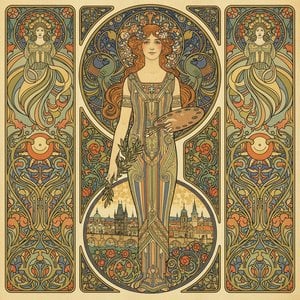
Alphonse Mucha: Meister des Jugendstils und seine zeitlose Ästhetik
Entdecken Sie das Leben und Werk von Alphonse Mucha, dem Meister des Jugendstils! Erfahren Sie mehr über seine ikonischen Plakate, Illustrationen und den bleibenden Einfluss seiner Kunst auf die moderne Welt. Jetzt lesen!
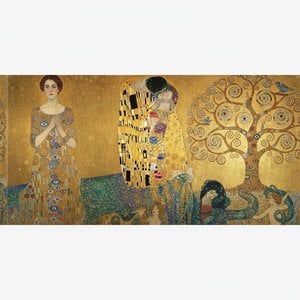
Gustav Klimt: Die 25 Meisterwerke des Wiener Jugendstils | ArtsDot
Entdecken Sie die 25 ikonischsten Gemälde von Gustav Klimt! Tauchen Sie ein in die Welt der Wiener Secession, des Jugendstils und der goldenen Phase. Hochwertige Reproduktionen & Inspiration für Ihr Zuhause auf ArtsDot.com.

The Enduring Appeal of Decorative Art: A Historical Survey of Ornamentation, Functionality & Cultural Significance
Explore the rich history of decorative arts with ArtsDot.com. Discover key movements, influential artists, and expert guidance for building a discerning collection. Learn about ornamentation, functionality & cultural significance.

Art Nouveau Meisterwerke: Die 10 prägendsten Kunstwerke für Ihr Zuhause |
Entdecken Sie die 10 prägendsten Art Nouveau Meisterwerke! Von Mucha bis Klimt – erfahren Sie die Geschichten hinter ikonischen Gemälde & dekorativer Kunst. Hochwertige Kunstdrucke online kaufen auf


