In echtem Maßstab anzeigen
 Versenden als Grußkarte
 Teilen
 Details anzeigen
 Leitfaden öffnen

 Herunterladen
 Ähnliche Objekte
 Röntgenaufnahme
 Diashow
 Besucherstatistiken
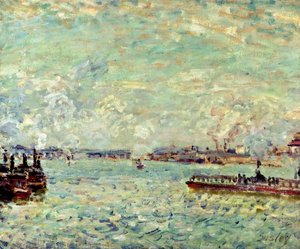
Cliffs at Penarth, Evening, Low Tide
 Oil On Canvas
- WallArt
- Impressionist Landscape
 1897
1897 54.0 x 65.0 cm
 Mehr anzeigen
Giclée / Kunstdruck
Giclée- oder Leinwanddruck in Museumsqualität mit schneller Produktion und flexiblen Veredelungsoptionen. ( Handgemalte Reproduktion kaufen Zum digitalen Bild wechseln)




P118B $10

P118H $10

P118W $10

P438Z $10

P508JH $12

P508YH $12

P805H $10

P805Z $10

P919BZ $10

P919G $10

P919XJ $10

P959ZH $10

P968JZ $12

W106C $8

W218G $10

W218JH $8

W218Y $10

W307PJ $10

W316G $10

W316PJ $8

W316Y $10

W398PJ $8

W4111J $10

W500HY $15

W500JH $15

W692G $12

W849H $8

W940BG $15

W953PJ $8




Wählen Sie aus unseren vordefinierten Formaten, die den ursprünglichen Proportionen des Kunstwerks entsprechen.

Sie können Ihre eigenen Maße eingeben, um ein bestimmtes Format oder einen speziellen Platz einzupassen. Wenn das von Ihnen gewählte Format nicht den Proportionen des Originalbildes entspricht, werden wir das Kunstwerk entweder beschneiden oder das Bild mit einem gespiegelten oder einfarbigen Rand erweitern. Ein digitaler Entwurf wird Ihnen zur Genehmigung zugesandt, bevor die Produktion beginnt.
Bitte beachten Sie, dass die Vorschau auf dem Bildschirm nicht den tatsächlichen Zuschnitt oder die Erweiterung widerspiegelt. Nur der Entwurf zeigt die endgültige Komposition präzise an.
Obwohl Sondermaße verfügbar sind, empfehlen wir die Auswahl eines Maßes aus der vordefinierten Liste, um die ursprünglichen Proportionen zu bewahren.
Weltweiter Versand () innerhalb von 2 Wochen statt der üblichen 4/5 Wochen. (26 September)

Kostenloser weltweiter Expressversand

Hochwertige Leinenleinwand

Vollständiger Versicherungsschutz beim Versand

Zollgebühren-Rückerstattungsgarantie

Garantie für exakte Farbtreue

100-tägiges Rückgaberecht (nur bei Mängeln)

100% Geld-zurück-Garantie

Angebot für Mengenrabatt
 Die Glasoption ist nur für Größen unter 110 cm verfügbar.

Cliffs at Penarth, Evening, Low Tide
Giclée / Kunstdruck
Format der Reproduktion
-


Gesamtpreis
$ 62
A Moment of Tranquility: Alfred Sisley's Cliffs at Penarth, Evening, Low Tide
Alfred Sisley’s “Cliffs at Penarth, Evening, Low Tide” is more than just a depiction of a coastal scene; it’s an immersion into the very essence of Impressionism. Painted in 1897, this oil on canvas captures a fleeting moment – the serene beauty of a low tide bathed in the warm hues of a setting sun over the Welsh coastline. Measuring 54 x 65 cm, the painting invites the viewer to step into the scene and experience the quiet contemplation of nature at its most peaceful.
- Subject Matter: The artwork focuses on the familiar yet captivating landscape of Penarth, a seaside town near Cardiff in South Wales. Sisley masterfully renders the rugged cliffs, the gentle curve of the beach, and the reflective surface of the water, transforming a local vista into a universal symbol of tranquility.
- Style & Technique: As a key figure within the Impressionist movement, Sisley’s approach is immediately recognizable. He employs loose, feathery brushstrokes – a hallmark of his style – to capture the ephemeral qualities of light and atmosphere. The muted color palette, dominated by blues, greys, and ochres, contributes significantly to the painting's calming effect. Notice how he builds up layers of paint, allowing them to partially coalesce while retaining their individual marks, creating a shimmering surface that mimics the play of sunlight on water.
- Historical Context: Created during a period of significant artistic innovation, “Cliffs at Penarth, Evening, Low Tide” reflects the Impressionists’ desire to move away from traditional academic painting and instead capture the immediate sensory experience of the world around them. Sisley was deeply influenced by the work of Eugène Boudin, who encouraged him to paint outdoors – en plein air – directly observing nature's effects on light and color.
The Artist’s Vision: Sisley and the Pursuit of Light
Alfred Sisley (1839-1899) was a profoundly sensitive artist, dedicated to translating his observations of nature onto canvas. Born in Paris to British parents, he spent his entire career in France, yet his dual heritage subtly shaped his artistic perspective. His work is characterized by an almost meditative quality, reflecting his deep connection with the landscape and his ability to capture its subtle nuances. Sisley’s focus wasn't on dramatic narratives or complex compositions; rather, he sought to distill the essence of a scene – the way light interacts with form, the movement of air, the feeling of stillness – into a harmonious whole. The inclusion of two figures enjoying the beach adds a touch of human presence, emphasizing the scale of the natural world and inviting the viewer to share in this moment of quiet contemplation.
- Influence of Boudin: Sisley’s early training under Eugène Boudin was crucial to his development. Boudin championed painting outdoors, encouraging Sisley to prioritize direct observation over meticulous detail.
- Emphasis on Atmosphere: Like Monet and Pissarro, Sisley was fascinated by the effects of light and atmosphere. He meticulously studied how these elements transformed the appearance of objects and landscapes, striving to capture their fleeting beauty in his paintings.
Symbolism and Emotional Impact
"Cliffs at Penarth, Evening, Low Tide" resonates with a profound sense of peace and solitude. The low tide exposes the textures of the rocks, creating a tactile quality that invites the viewer to imagine themselves standing on the shore. The warm glow of the setting sun casts long shadows, adding depth and drama to the scene while simultaneously evoking a feeling of nostalgia and quiet reflection. Sisley’s masterful use of color and brushwork creates an atmosphere of serenity, transporting the viewer to this tranquil coastal landscape. The boat floating in the water subtly introduces a theme of movement and continuity within the stillness of the evening.
This painting exemplifies the Impressionist pursuit of capturing not just what is seen, but how it *feels* – a testament to Sisley’s artistic genius and his ability to translate the beauty of nature into a timeless work of art.
Ähnliche Kunstwerke


Biografie des Künstlers
Alfred Sisley: Ein Leben für den Impressionismus
Frühes Leben und Ausbildung
- Alfred Sisley wurde am 30. Oktober 1839 in Paris als Sohn von William Sisley, einem Seidenhändler, und Felicia Sell, einer Musikkennerin, geboren.
- Im Jahr 1857 zog er im Alter von 18 Jahren nach London, um eine Karriere im Geschäftsleben zu verfolgen, gab diesen Beruf aber bald auf.
- Er kehrte 1861 nach Paris zurück und begann 1862 seine künstlerische Ausbildung unter dem Schweizer Künstler Marc-Charles-Gabriel Gleyre an der École des Beaux-Arts.
- Dort befreundete er sich mit den Künstlern Frédéric Bazille, Claude Monet und Pierre-Auguste Renoir, was entscheidende Beziehungen bildete, die seinen künstlerischen Weg prägten.
Künstlerische Entwicklung und Stil
- Sisley widmete sich ganz der Landschaftsmalerei en plein air – im Freien, direkt unter Beobachtung der Natur.
- Seine frühen Werke wurden zunächst von der Jury des Salon abgelehnt, aber er ließ sich nicht entmutigen, getrieben von seiner Leidenschaft, flüchtige Momente von Licht und Atmosphäre einzufangen.
- Er konzentrierte sich während seiner gesamten Karriere konsequent auf die Landschaftsmalerei, im Gegensatz zu einigen Impressionisten, die andere Genres erkundeten.
- Sisleys Stil zeichnet sich durch Ruhe, zarte Farbpaletten – oft blasse Schattierungen von Grün, Rosa, Violett, staubigem Blau und Creme – und eine subtile Wiedergabe von Lichteffekten aus.
Wichtige Themen und bemerkenswerte Werke
- Flusslandschaften waren ein wiederkehrendes Thema in Sisleys Werk. Er schuf eine Reihe von Gemälden der Themse während einer Reise nach England im Jahr 1874 und fertigte in der Nähe von Molesey fast zwanzig Arbeiten an.
- Er stellte häufig Szenen rund um Moret-sur-Loing dar, wo er viele Jahre lebte, und fing seine Kanäle, Brücken und die umliegende Landschaft ein.
- Bemerkenswerte Gemälde sind „Die Wassermühle in der Nähe von Moret“, „Bargen auf dem Loingkanal, Frühling“, „Felder rund um den Wald“ und „Das Dorf Sablons“.
- Seine Ausdruckskraft und Farbintensität stiegen im Laufe der Zeit, was zu immer ausgefeilteren Landschaften führte.
Einflüsse und Vermächtnis
- Sisley wurde von Gleyres akademischer Ausbildung und der Kameradschaft beeinflusst, die er mit Monet, Renoir und Bazille fand.
- Er teilte eine ähnliche künstlerische Vision mit anderen Impressionisten, wobei der Schwerpunkt auf der Erfassung der vergänglichen Qualitäten von Licht und Atmosphäre lag.
- Obwohl er zu Lebzeiten weniger kommerziell erfolgreich war als einige seiner Zeitgenossen, werden Sisleys Werke heute für ihre Schönheit, Sensibilität und sein Engagement für die Darstellung der Natur hoch geschätzt.
- Er beeinflusste spätere Generationen von Landschaftsmalern mit seinem subtilen Ansatz in Bezug auf Farbe und Licht.
Späteres Leben und historische Bedeutung
- Sisley beantragte 1897 die französische Staatsbürgerschaft, wurde aber abgelehnt, was eine persönliche Enttäuschung darstellte.
- Er starb am 29. Januar 1899 im Alter von 59 Jahren in Moret-sur-Loing.
- Obwohl seine Studentenarbeiten verloren sind, werden seine reifen Landschaften weiterhin als Paradebeispiele impressionistischer Landschaftsmalerei gefeiert.
- Sisleys unerschütterliches Engagement für die Erfassung der Schönheit der Natur und seine verfeinerte Technik festigen seinen Platz als bedeutende Figur in der Kunstgeschichte.

Alfred Sisley
1839 - 1899 , Frankreich
Eckdaten zum Künstler
- Beeinflusste Künstler:
- Marc-Charles-Gabriel Gleyre
- Claude Monet
- Pierre-Auguste Renoir
- Frédéric Bazille
- Bemerkenswerte Werke:
- Mühle in Moret
- Bargen auf dem Loingkanal
- Felder um den Wald
- Das Dorf Sablons
- Geburtsdatum: 30. Oktober 1839
- Geburtsort: Paris, Frankreich
- Künstlerische Bewegung: Impressionismus
- Nationalität: Britisch-Französisch
- Sterbedatum: 29. Januar 1899
- Vollständiger Name: Alfred Sisley
Verwandte Artikel

Romantische Landschaften: Die 10 Meisterwerke, die eine Epoche prägten | ArtsDot
Entdecken Sie die 10 Meisterwerke der Romantischen Landschaftsmalerei! Von Caspar David Friedrich bis Turner – erleben Sie die Kunst, Emotion & Natur. Hochwertige Reproduktionen auf ArtsDot.com

Katsushika Hokusai: Die 25 Meisterwerke des Ukiyo-e – Kunst für Ihr Zuhause | ArtsDot
Entdecken Sie die 25 Meisterwerke von Katsushika Hokusai! Tauchen Sie ein in die Welt des Ukiyo-e, berühmte Holzschnitte wie 'Die große Welle' & Fuji-Ansichten. Hochwertige Kunstdrucke für Ihr Zuhause – jetzt auf ArtsDot.com!
Impressionistische Landschaften: Die 10 Meisterwerke, die eine Kunstrichtung prägten | ArtsDot
Entdecken Sie die 10 Meisterwerke des Impressionismus! Von Monet bis Van Gogh – erleben Sie die Geschichten hinter berühmten Landschaftsbildern. Hochwertige Kunst Reproduktionen für Ihr Zuhause auf ArtsDot.com.

Impressionistische Landschaften: Die 10 Meisterwerke, die eine Epoche prägten | ArtsDot
Entdecken Sie die 10 Meisterwerke des Impressionismus! Von Monet bis Renoir – erleben Sie die Geschichte, Technik und zeitlose Schönheit ikonischer Landschaftsbilder. Hochwertige Kunstdrucke auf ArtsDot.com. Jetzt entdecken!

Alfred Sisley: Die vergängliche Essenz der impressionistischen Landschaft – Eine Studie über Licht und Atmosphäre
Entdecken Sie Alfred Sisleys einzigartige Impressionismus-Landschaftsmalerei! Erfahren Sie mehr über seine Technik, Themen und sein Vermächtnis. Expertenanalyse & Informationen auf ArtsDot.