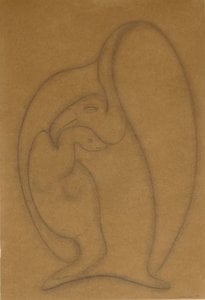
Schädel auf einem Pfosten

The picture follows your choices: , .

Künstlerbiografie

Discover Adolf Wölfli (1864-1930), a pioneering Swiss Outsider Art & Art Brut artist. Explore his intricate, autobiographical drawings, musical notations, and visionary worlds born from isolation & psychosis. A key figure in self-taught art.

Handgefertigte Ölreproduktion

Handgemaltes Ölgemälde auf Leinwand in Ihrer Wunschgröße und mit Rahmen, auf Bestellung von unseren Künstlern angefertigt. ( Zum Druck wechseln Zum digitalen Bild wechseln)

More about this painting

Vorschau anzeigen In AR ansehen Zum Druck wechseln Zum digitalen Bild wechseln Versenden
Details anzeigen Leitfaden Zu Favoriten hinzufügen Herunterladen Ähnliche Objekte Röntgenaufnahme Diashow Q&A Statistiken

Order your painting in four simple steps

Take your time. You can change any answer; the price in your order card follows each choice.

1 Step one of four

Which size would you like?

These sizes keep the proportions of the original painting. The drawing shows your choice on a wall, above a two-metre sofa.

Your painting: () — with its frame.

Or give your own measurements

Standardformat
individuell anpassbar
CM
INCH

Wählen Sie aus unseren vordefinierten Formaten, die den ursprünglichen Proportionen des Kunstwerks entsprechen.

Breite
Höhe

Geben Sie die Breite und die Höhe an, die Sie für Ihren Rahmen oder Ihre Wand benötigen. Da dieses Werk handgemalt ist, kann der Künstler bei einer anderen Form etwas mehr um das Bild herum malen oder etwas abschneiden – Sie entscheiden. Wir senden Ihnen ein digitales Mockup zur Freigabe, bevor mit dem Malen begonnen wird. Das auf dieser Seite gezeigte Bild stellt nicht das tatsächliche Ergebnis dar – dies tut nur das Mockup.

2 Step two of four

How should it be prepared: rolled, stretched or framed?

The prices below are for the size you chose in step one.

Choose the edges of the stretched canvas

Choose your frame

Corner sample of the WhiteWrap canvas edge finish, stretched on Massivholz bars
White €1
Corner sample of the BlurSideWrap canvas edge finish, stretched on Massivholz bars
Blurside €1
Corner sample of the ExtendedWrap canvas edge finish, stretched on Massivholz bars
Extended €1
Corner sample of the P118B picture frame: formgepresstes Polystyrol, 5 cm wide and 3 cm thick
P118B €10
Corner sample of the P118H picture frame: formgepresstes Polystyrol, 5 cm wide and 3 cm thick
P118H €10
Corner sample of the P118W picture frame: formgepresstes Polystyrol, 5 cm wide and 3 cm thick
P118W €10
Corner sample of the P438Z picture frame: formgepresstes Polystyrol, 5.5 cm wide and 3.5 cm thick
P438Z €10
Corner sample of the P508JH picture frame: formgepresstes Polystyrol, 7 cm wide and 3.5 cm thick
P508JH €12
Corner sample of the P508YH picture frame: formgepresstes Polystyrol, 7 cm wide and 3.5 cm thick
P508YH €12
Corner sample of the P805H picture frame: formgepresstes Polystyrol, 5 cm wide and 3.5 cm thick
P805H €10
Corner sample of the P805Z picture frame: formgepresstes Polystyrol, 5 cm wide and 3.5 cm thick
P805Z €10
Corner sample of the P919BZ picture frame: formgepresstes Polystyrol, 7 cm wide and 3.5 cm thick
P919BZ €10
Corner sample of the P919G picture frame: formgepresstes Polystyrol, 7 cm wide and 3.5 cm thick
P919G €10
Corner sample of the P919XJ picture frame: formgepresstes Polystyrol, 7 cm wide and 3.5 cm thick
P919XJ €10
Corner sample of the P959ZH picture frame: formgepresstes Polystyrol, 5 cm wide and 3 cm thick
P959ZH €10
Corner sample of the P968JZ picture frame: formgepresstes Polystyrol, 6 cm wide and 4 cm thick
P968JZ €12
Corner sample of the W106C picture frame: Massivholz, 5 cm wide and 3 cm thick
W106C €8
Corner sample of the W218G picture frame: Massivholz, 5 cm wide and 3 cm thick
W218G €10
Corner sample of the W218JH picture frame: Massivholz, 5 cm wide and 3 cm thick
W218JH €8
Corner sample of the W218Y picture frame: Massivholz, 5 cm wide and 3 cm thick
W218Y €10
Corner sample of the W307PJ picture frame: Massivholz, 6 cm wide and 3 cm thick
W307PJ €10
Corner sample of the W316G picture frame: Massivholz, 6 cm wide and 3 cm thick
W316G €10
Corner sample of the W316PJ picture frame: Massivholz, 6 cm wide and 3 cm thick
W316PJ €8
Corner sample of the W316Y picture frame: Massivholz, 6 cm wide and 3 cm thick
W316Y €10
Corner sample of the W398PJ picture frame: Massivholz, 5 cm wide and 3 cm thick
W398PJ €8
Corner sample of the W4111J picture frame: Massivholz, 6.5 cm wide and 3.5 cm thick
W4111J €10
Corner sample of the W500HY picture frame: Massivholz, 7 cm wide and 5 cm thick
W500HY €15
Corner sample of the W500JH picture frame: Massivholz, 7 cm wide and 5 cm thick
W500JH €15
Corner sample of the W692G picture frame: Massivholz, 8 cm wide and 4 cm thick
W692G €12
Corner sample of the W849H picture frame: Massivholz, 5 cm wide and 3 cm thick
W849H €8
Corner sample of the W940BG picture frame: Massivholz, 7.5 cm wide and 4.5 cm thick
W940BG €15
Corner sample of the W953PJ picture frame: Massivholz, 6 cm wide and 3.5 cm thick
W953PJ €8
Corner sample of the H24-GOLD picture frame: geschnitztes Holz mit Gesso, 10 cm wide and 6 cm thick
H24-GOLD €30
Corner sample of the H24-SILVER picture frame: geschnitztes Holz mit Gesso, 10 cm wide and 6 cm thick
H24-SILVER €30
Corner sample of the H36-GOLD picture frame: geschnitztes Holz mit Gesso, 15 cm wide and 6.5 cm thick
H36-GOLD €45
Corner sample of the H36-SILVER picture frame: geschnitztes Holz mit Gesso, 15 cm wide and 6.5 cm thick
H36-SILVER €45

Moulding: . Overall size with the frame: .

3 Step three of four

Would you like anything changed in the painting?

Most people answer no. Because each painting is made by hand, our artist can also adapt it for you.

Examples of what can be changed: Replace face with customer photo; Add pet (e.g., replace cat with dog); Include hidden message in background; Change background landscape or elements.
After order, ArtsDot.com team will email client for instructions and provide a mockup preview

4 Step four of four

A few finishing options

All of them are optional. The answers already selected cost nothing extra.

Who paints it?

Weltweiter Versand () in nur 3 bis 4 Wochen statt der üblichen 5 Wochen. (31 Oktober). Keine Kompromisse bei der Qualität.

A nameplate, as in a museum?

Details der gravierten Bronzetafel

This elegant plaque features the artist's name and the title of the artwork, finely engraved for a timeless presentation.

It is made from bronze with a refined, elegant finish. The text is precisely laser-engraved for a sharp and permanent result. Measuring 9x2 cm, the plaque is compact yet easy to read. It's built to be durable and scratch-resistant, offering a professional, museum-quality look. Mounting is simple thanks to the included adhesive backing.

Details zur Acrylglas-Plakette (transparent)

The plaque includes essential engraved details such as the artist's name, the title of the artwork, the date it was created, the type of media used-like oil on canvas or watercolor-a brief description of the piece, and a QR code that links to the complete artwork information.

It is crafted from clear acrylic, offering a sleek, modern appearance. The text is UV-engraved in black to ensure strong visual contrast. With a size of 10x15 cm, it ensures optimal readability. It comes equipped with two metal hooks for secure wall mounting. The plaque is designed to be weather-resistant, making it suitable for various environments, and it includes interactive features that work seamlessly with smartphone scanning.

Details zur schwarzen Acryltafel

This elegant plaque includes engraved information such as the artist's name, the title of the artwork, the date it was created, the type of media used (like oil on canvas or watercolor), a short description of the artwork, and a QR code for quick access to more information.

The plaque itself is made from refined black acrylic with a premium finish. The text is laser-engraved in white for high contrast and readability. Its size is 10x15 cm, designed to be easy to read. It comes with two metal hooks for professional mounting. The design is sleek and fits any interior style. It is also weather-resistant and durable, with built-in digital integration for mobile compatibility.

A protective varnish?

When do you need it?

✓ Check and order

Your painting, as you ordered it

Schädel auf einem Pfosten

Art der Reproduktion

Format der Reproduktion

-

Erstklassige Meisterkünstler

Mehr Detailtiefe, Raffinesse und zusätzliche Produktionszeit

-

Rahmen für Reproduktionen

-

-

Bei Kunstwerken oder Reproduktionen, die an einer Seite größer als 105 cm (ca. 41 Zoll) sind, wird der Rahmen zerlegt als Bausatz geliefert. Diese Methode gewährleistet eine sichere Zustellung und verhindert Schäden während des Transports.

Professionelle Montage erforderlich – dies ist kein DIY-Produkt.
Der Bausatz muss von einem erfahrenen professionellen Rahmenmacher zusammengebaut und die Leinwand gespannt werden. Hierfür werden Holzleim (nicht im Lieferumfang enthalten), eine Leinwandspannzange sowie Klemmen benötigt, um die Keilleisten während des Trocknungsvorgangs rechtwinklig zu halten. Eine unsachgemäße Montage oder eine ungleichmäßige Spannung der Leinwand kann das Kunstwerk dauerhaft beschädigen und ist nicht durch unsere Garantie abgedeckt.

  • Alle Vollholzkomponenten sind enthalten, präzise auf Maß zugeschnitten.

  • Der Zusammenbau erfolgt mit den mitgelieferten Schrauben sowie Holzkleber für die Eckverbindungen, der nicht im Lieferumfang enthalten ist und vom Rahmenbauer selbst beschafft werden muss.

  • Professionelles Werkzeug ist erforderlich und nicht im Lieferumfang enthalten: eine Keilrahmenzange (Spannwerkzeug) sowie Klammern, um die Leisten während der Trocknungszeit des Klebers rechtwinklig zu fixieren.

Wichtiger Hinweis:
Für die Eckverbindungen wird Holzleim benötigt, die Leisten müssen mit Zwingen fixiert werden, bis der Leim vollständig getrocknet ist, und das Spannen der Leinwand auf dem fertigen Rahmen erfordert eine Keilrahmen-Zange. Keines dieser Utensilien ist im Set enthalten. Bitte stellen Sie sicher, dass ein erfahrener Rahmenmacher zur Verfügung steht, bevor Sie diese Größe bestellen.

Beschriftung

-

-

Schutzlackierung

Glanzlack (verstärkt die Farben, schützt vor Licht und Feuchtigkeit)

-

Mein Kunstwerk personalisieren

Beispiele für Anpassungsmöglichkeiten: Gesicht durch Kundenfoto ersetzen; Haustier hinzufügen (z. B. Katze durch Hund ersetzen); Versteckte Nachricht im Hintergrund einfügen; Hintergrundlandschaft oder -elemente ändern.

-

Eilt sehr

Weltweiter Versand () in nur 3 bis 4 Wochen statt der üblichen 5 Wochen. (31 Oktober). Keine Kompromisse bei der Qualität.

-

Expressversand

Weltweiter Versand () innerhalb von 5 Wochen. (7 November).

Inklusive Versand

Endpreis

€ 234

Gesamtpreis € 234

Die Glasoption ist nur für Größen unter 110 cm verfügbar.

Included with every order

  • Kostenloser weltweiter Expressversand
  • Hochwertige Leinenleinwand
  • Umfassender Versicherungsschutz beim Versand
  • Zollgebühren-Rückerstattungsgarantie
  • Garantie für exakte Farbtreue
  • 100 Tage Rückgaberecht (nur bei Mängeln)
  • 100% Geld-zurück-Garantie
  • Mengenrabatt verfügbar
Adolf Wölfli

Adolf Wölfli

1864 - 1930, Schweiz

Künstlerbiografie

Adolf Wölfli: The Visionary Artist Born From Trauma

Adolf Wölfli (1864 – 1930) stands as a singular figure in the history of art, recognized primarily for his pioneering role in establishing the concept of Art Brut—a term coined by Jean Dubuffet to describe artwork created outside the mainstream artistic establishment, often by individuals with mental illness or social exclusion. His oeuvre transcends conventional categorization, presenting a mesmerizing blend of autobiographical drawings, musical notations, and fantastical imagery that reflects both profound personal suffering and an astonishing creative impulse. Born in Bern, Switzerland, Wölfli’s early life was marked by considerable adversity. Subject to physical abuse as a child and orphaned at the age of ten, he experienced a series of institutional placements characterized by neglect and hardship. He labored as a verdingbub—an indentured child laborer—and briefly served in the Swiss army before encountering legal difficulties stemming from an attempted act of sexual assault for which he received prison time. Following his release, he was subsequently arrested again on similar charges, resulting in further incarceration. It was during this period that he found solace and inspiration within the Waldau Clinic, a psychiatric hospital where he resided until his death. Initially exhibiting severe psychosis and violent tendencies upon admission, Wölfli’s isolation fostered an intense preoccupation with his inner world—a preoccupation that ultimately fueled his artistic output.

The Genesis of Artistic Expression: From Isolation to Invention

The pivotal moment in Wölfli's artistic journey arrived unexpectedly after his hospitalization. Recognizing a latent talent he had previously unrecognized, he began to draw compulsively, transforming the sterile environment of the clinic into a crucible for creativity. His first surviving drawings—a series of fifty pencil sketches executed between 1904 and 1906—demonstrate an astonishing ability to synthesize disparate elements into cohesive visual narratives. These early works are notable not only for their technical skill but also for their unflinching honesty, reflecting Wölfli’s psychological state with remarkable acuity. He meticulously documented his experiences at Waldau in a series of detailed drawings and collages that captured the essence of his confinement—a testament to his unwavering dedication to transforming personal trauma into artistic brilliance. Walter Morgenthaler, a psychiatrist at Waldau who became Wölfli's devoted observer and collaborator, played an instrumental role in bringing Wölfli to the attention of the art world. Morgenthaler meticulously documented Wölfli’s artistic process and methods in his influential book, *Ein Geisteskranker als Künstler* (A Psychiatric Patient as Artist) published in 1921. This publication captivated critics and scholars alike, presenting a portrait of an artist who had developed his skills independently despite debilitating mental illness—a groundbreaking concept that challenged prevailing notions about artistic creativity and paved the way for the acceptance of outsider art. Morgenthaler championed Wölfli’s work as a symbol of artistic freedom and self-expression, arguing that true beauty resides in confronting uncomfortable truths with unwavering conviction.

Style and Technique: Raw Emotion Embodied

Wölfli's artistic style is instantly recognizable for its distinctive characteristics. He eschewed conventional techniques, favoring simple materials like pencil and paper—often trading smaller pieces with visitors to the clinic to procure essential supplies. His drawings are characterized by a remarkable level of detail combined with an unsettling spontaneity, conveying raw emotion and psychological turmoil through intricate imagery and symbolic representations. Recurring motifs include figures distorted in grotesque postures, maps depicting fantastical landscapes populated by bizarre creatures, and musical notations that seem to capture the rhythm of his inner experience. These elements coalesce into visions that are both disturbing and profoundly evocative—a testament to Wölfli’s ability to transform personal trauma into artistic brilliance. He meticulously crafted each drawing with painstaking precision, layering textures and colors to create a visual language that communicated not only observation but also feeling—a radical departure from academic conventions that solidified his place within the burgeoning Art Brut movement.

Legacy and Influence: Shaping the Landscape of Art Brut

Adolf Wölfli's contribution to art history extends far beyond his individual artworks. He served as a crucial catalyst in establishing Art Brut—the concept of self-taught art created outside the formal art world—and profoundly influenced Jean Dubuffet, who championed Wölfli’s work and solidified its place within the broader artistic canon. Wölfli's insistence on prioritizing instinctual expression over academic conventions challenged established artistic hierarchies and broadened the definition of creativity itself. Today, his drawings continue to inspire artists and scholars alike, reminding us that art can emerge from unexpected sources—even from the depths of psychological distress—and that true beauty resides in confronting uncomfortable truths with unwavering conviction. His legacy endures as a beacon of artistic autonomy and a powerful reminder that genius can flourish even amidst profound suffering—a testament to Wölfli’s enduring influence on the trajectory of modern art.