


En krønike af visioner: Kölns kunstneriske sjæl
Gemt i hjertet af det historiske Köln står Wallraf-Richartz Museum & Fondation Corboud som et dybtgående vidnesbyrd om menneskelig kreativitet og privat mæcenatvirksomheds vedvarende kraft. Det er langt mere end blot et depot for mesterværker; det er en fordybende rejse gennem selve den europæiske kunsthistories væv. Fra middelalderens serene, spirituelle dybder til det tidlige tyvende århundredes vibrerende og grænseoverskridende eksperimenter, tilbyder museet en sammenhængende fortælling om, hvordan menneskeheden har opfattet skønhed, det guddommelige og selvet. Institutionens historie er uadskilleligt forbundet med Kölns egen identitet – en by, der har overlevet imperiers opgang og fald, men som forbliver en trofast vogter af den kulturelle hukommelse. Grundlagt gennem eftermælet fra Ferdinand Franz Wallraf og Johann Heinrich Richartz, fungerer museet som en bro mellem epoker og inviterer besøgende til at vidne til stilens, tankens og følelsens gradvise evolution.
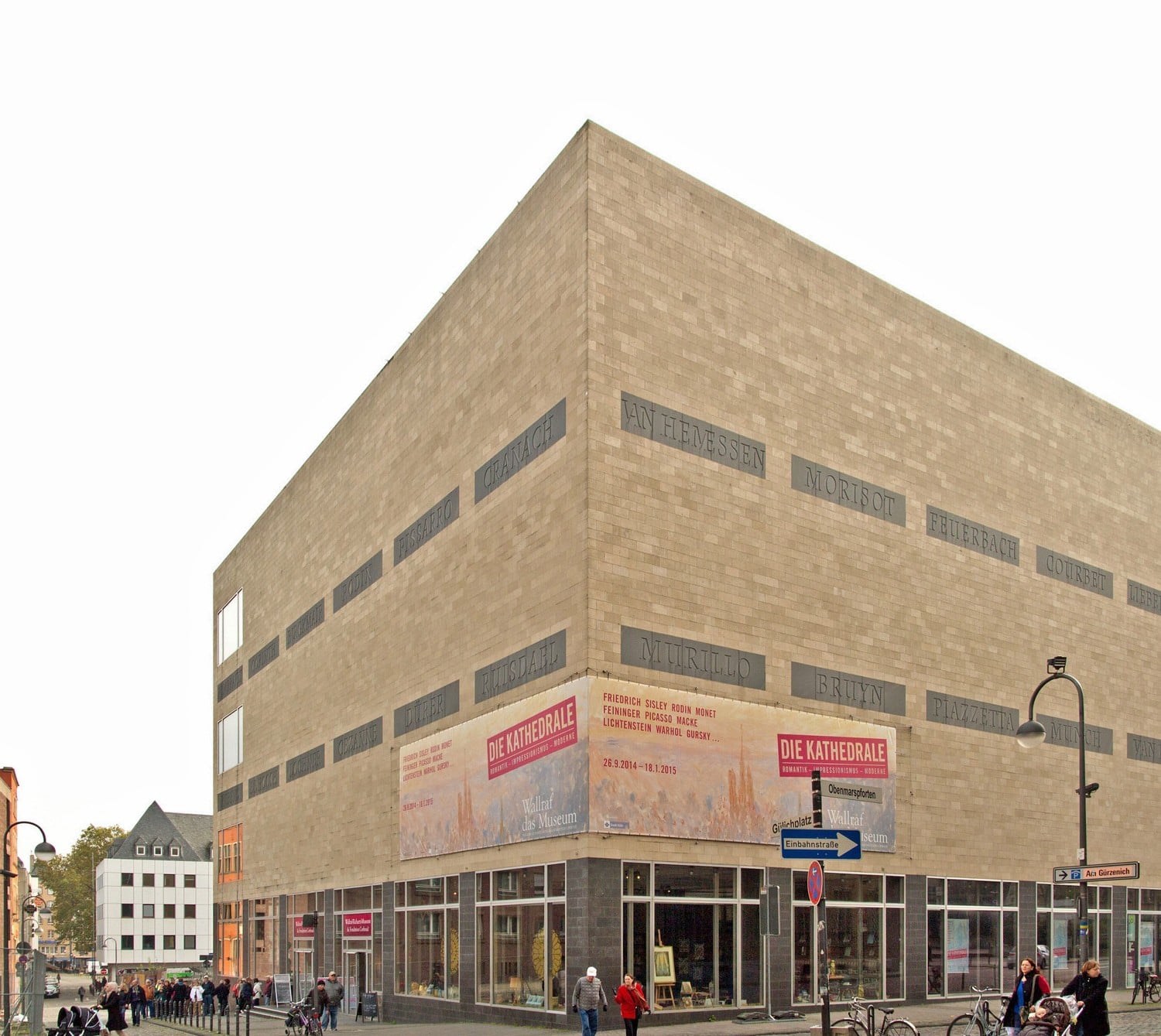
Museets arkitektur skaber en umiddelbar og slående dialog mellem antikken og moderniteten. Konstruktionen, der er tegnet af Oswald Mathias Ungers og indviet i 2001, undgår bevidst den traditionelle, tunge museumsmæssige æstetik til fordel for rene, moderne linjer og ekspansive, kontemplative rum. Alligevel ligger der under dens nutidige overflade en dyb forbindelse til oldtiden; museet er bygget på fundamenterne af Kölns romerske tempel dedikeret til Mars, en subtil påmindelse om, at selv de mest moderne kunstneriske udtryk er rodfæstet i de historiske lag under vores fødder. Denne arkitektoniske syntese skaber en atmosfære, hvor nutidens stramhed perfekt komplementerer fortidens rigdom, hvilket giver kunsten mulighed for at ånde i et rum, der føles både monumentalt og intimt.
Fra gotisk pragt til barok storhed
At træde ind i museets gallerier er som at træde ind i en verden af udsøgt detaljerigdom og dramatisk intensitet. Den gotiske samling forbliver institutionens kronjuvel, forankret af den æteriske Madonna i rosenhaven af Stefan Lochner. I dette mesterværk finder man en bjergtagende fusion af gotisk elegance og fremspirende flamsk realisme, hvor lysende farver og omhyggelige teksturer fremkalder en følelse af himmelsk nåde. Brugen af knust lapis lazuli i sådanne værker minder os om kunstens dyrebare natur i middelalderen, da disse pigmenter rejste enorme afstande for at nå Köln. Denne hengivenhedens æra beriges yderligere af altertavler fra den store Sankt Martin-kirke, som viser det gradvise skift mod naturalisme og en dybere menneskelig forbindelse til det guddomlige.
Som man bevæger sig gennem gallerierne, viger den gotiske periodes stille fordybelse for barokkens teatralske energi. Her afslører museet den enorme skala af kunstnerisk ambition. Rubens' værker, såsom Juno og Argus , udstråler en mærkbar følelse af magt og sensualitet ved at benytte mesterlig komposition og dramatisk lyssætning til at fange beskueren. Denne storhedstid balanceres af den psykologiske dybde, man finder i Rembrandts selvportrætter, hvor brugen af chiaroscuro inviterer til et indadvendt blik ind i kunstnerens egen sjæl. Ved siden af disse fanger Frans Hals' omhyggelige realisme menneskelige følelser med en følsomhed, der er lige så bevægende i dag, som den var for århundreder siden, og tilbyder et vindue til den spirende fascination af identitet og teatralitet, der definerede tidsalderen.
Den strålende impressionistiske arv
Rejsen gennem tiden kulminerer i det bjergtagende lys hos Fondation Corboud, hvor museet omfavner impressionismens revolutionære ånd. At træde ind i disse gallerier er som at vandre gennem en solbeskinnet have eller spadseret langs en tåget flodbred. Samlingen fejrer den delikate ynde hos kunstnere som Berthe Morisot, hvis Barn blandt pæonede roser indfanger flygtige øjeblikke af uskyld badet i spættet sollys. Denne del af museet er en sanselig triumf, der fokuserer på de brudte penselstrøg og atmosfæriske nuancer, som banede vejen for den moderne kunst. Ved at fremvise værker fra mestre som Monet, Manet, Renoir og Cézanne leverer museet en strålende afslutning på sin historiske bue.
Det, der virkelig adskiller Wallraf-Richartz Museum, er denne holistiske tilgang til den kunstneriske oplevelse. Det isolerer ikke blot bevægelser i separate siloer, men præsenterer dem som en kontinuerlig, levende evolution af den menneskelige ånd. For kunstelskere er det et sted for opdagelse; for samleren en kilde til dyb inspiration; og for interiørdesigneren en mesterklasse i farve, tekstur og komposition. Uanset om man udforsker den aktuelle "Museum of Museums"-udstilling eller står foran en århundreder gammel Madonna, forlader enhver besøgende stedet med en dybere forståelse af Europas kunstneriske sjæl – en fejring af kreativitet, der forbliver lige så vital i dag, som da museet blev grundlagt.





