

The Resonance of Place: Contextual Art Design for Harmonious Interior Spaces

Indholdsfortegnelse
The Resonance of Place: Understanding the Psychology of Interior Environments
Interior design psychology is a field within environmental psychology, which concerns the environmental conditions of the interior. It is a direct study of the relationship between an environment and how that environment affects the behavior of its i...
Interior design transcends mere aesthetics; it’s about crafting environments that resonate with the human spirit. This begins with understanding the ‘resonance of place’ – how art, spatial composition, and psychological principles converge to create harmonious interiors. For centuries, humans have intuitively sought spaces that nurture well-being, but only recently has this pursuit been grounded in scientific understanding. The core principle is that an interior should feel ‘right’—a feeling achieved through careful attention to detail and a holistic understanding of its inhabitants. This involves not just selecting beautiful pieces, but choosing art that tells a story, evokes specific feelings, or complements the architectural style. Consider the interplay between light, color, texture, and form; these elements work in concert to create an atmosphere. The study of environmental psychology reveals how our surroundings profoundly impact mood, behavior, and even physiological responses. Walter Benjamin’s explorations highlighted the power of objects to evoke memory and emotion, while Sigmund Freud delved into how spaces reflect the subconscious mind. John B. Calhoun's unsettling experiments demonstrated the detrimental effects of poorly designed environments on social interaction – a stark reminder of the importance of spatial considerations.
Color & Emotion: A Deep Dive into Palette Selection for Harmonious Spaces
The shades we surround ourselves with are not arbitrary; they directly influence our emotions and perceptions. Warm colors—reds, oranges, and yellows—are associated with energy, passion, and excitement. They can stimulate conversation and create a sense of warmth, but overuse can be overwhelming, leading to feelings of anxiety or agitation. Cool colors—blues, greens, and purples—promote calmness, serenity, and relaxation. These are ideal for bedrooms or spaces intended for contemplation, fostering a sense of peace and tranquility. Neutral tones—whites, grays, and browns—provide a versatile backdrop that allows artwork and furniture to take center stage. However, it’s crucial to avoid monotony by incorporating texture and subtle variations in tone; a completely sterile white room can feel cold and unwelcoming. The psychology of art further emphasizes the importance of color choice. For example, abstract expressionist paintings often utilize bold colors to evoke strong emotions, while minimalist works may employ muted palettes to create a sense of tranquility. Consider the cultural connotations of color as well; what is considered auspicious in one culture may be perceived differently in another. A thoughtful approach to color selection ensures that the interior resonates with both personal preferences and broader aesthetic principles.
Textural Harmony: Layering Materials to Engage the Senses and Create Depth
Texture adds depth and dimension to any interior space, engaging our sense of touch as much as our sight. A room dominated by smooth surfaces may feel sterile, while one that is overly textured can be overwhelming. The key is to achieve balance—combining contrasting textures to create a sense of harmony. Pairing rough-hewn wood with soft velvet upholstery adds warmth and sophistication, grounding the space in natural elements while providing tactile comfort. Consider the psychological impact of texture as well; natural materials like wood and stone evoke feelings of connection to nature, while synthetic fabrics may feel more modern and sleek. The concept of ‘textural resonance’ highlights how different materials interact visually and tactically. A rough-hewn wooden table paired with a painting featuring impasto brushstrokes creates a grounding effect, appealing to our primal connection with nature. Conversely, smooth metal furniture alongside a minimalist abstract print evokes a sense of modernity and sophistication. Layering textures—through rugs, throws, pillows, and artwork—adds depth and complexity, preventing the space from feeling flat or uninviting.
Illuminating Art: The Power of Light in Showcasing Beauty and Mood
Natural light is often considered the most desirable form of illumination, but it’s crucial to understand its limitations. The direction and intensity of sunlight can change throughout the day, impacting the appearance of colors and textures. Artificial lighting should complement natural light, filling in gaps and creating a consistent atmosphere. Layered lighting—combining ambient, task, and accent lighting—provides flexibility and allows for customization. Ambient lighting provides overall illumination, while task lighting focuses on specific areas for reading or working. Accent lighting highlights artwork or architectural features, drawing the eye and creating visual interest. The psychology of art emphasizes the importance of proper lighting; a well-lit painting will appear more vibrant and engaging, while a poorly lit piece may fade into the background. Consider using dimmers to adjust the intensity of light based on mood and activity. Warm-toned lighting creates a sense of intimacy and relaxation, while cool-toned lighting promotes alertness and focus.
Spatial Composition: Balancing Form, Function, and Flow in Interior Design
In landscape ecology, spatial composition describes the content of a landscape in terms of the number of different categories of elements existing in the landscape and their proportions. Most commonly the elements being measured are spatial patches o...
The arrangement of elements within a space—spatial composition—is fundamental to creating a harmonious environment. Applying principles from landscape ecology indoors means balancing positive and negative space, creating visual flow, and establishing clear focal points. A room dominated by clutter will feel chaotic, while one that is too sparse may feel cold and uninviting. The goal is to achieve a sense of equilibrium—a balance between functionality and aesthetics. Consider the ‘rule of thirds,’ borrowed from photography, which suggests positioning key elements at the intersection points of an imaginary 3x3 grid; this creates a balanced yet dynamic composition. Sight lines are also crucial; placing an item at the end of a natural sight line draws the eye and establishes a sense of purpose. Furniture arrangement should encourage conversation and movement, creating inviting spaces that feel both comfortable and functional. Avoid blocking pathways or creating obstacles; the space should flow seamlessly from one area to another.
Curated Collections: Building a Narrative Through Thoughtful Art Placement
Art is not merely decoration; it’s a powerful tool for storytelling and self-expression. A curated collection—whether comprised of original masterpieces, hand-painted reproductions, or personal photographs—can transform an interior into a reflection of your unique personality and values. The selection process should be guided by emotional resonance rather than simply aesthetic appeal. Choose pieces that evoke specific feelings, memories, or aspirations. Consider the interplay between different styles and periods; contrasting works can create visual interest, while complementary pieces can reinforce a cohesive theme. The placement of art is equally important; a striking painting above a fireplace becomes a focal point, while smaller works can be grouped together to create a gallery wall. Ultimately, a curated collection should tell a story—a narrative that reflects your individual journey and inspires those who enter your space. At ArtsDot.com, we believe in the power of art to transform lives, offering a vast selection of museum-quality reproductions and bespoke customization options to help you create the interior of your dreams.
Relaterede artikler
Abstrakt Harmoni: Samspillet mellem Kunst, Tekstur og Materialevalg for en Kohærent Indretning
Udforsk abstrakt ekspressionismes verden! Lær om farver, tekstur og materialevalg for en harmonisk indretning. Ekspertvejledning & kvalitetsreproduktioner hos ArtsDot.


The Art of Layered Narratives: Spatial Harmony & Visual Cohesion in Multi-Piece Artwork Arrangements
Explore the art of multi-panel arrangements for impactful interiors. Expert guidance on spatial harmony, visual storytelling & psychological impact – perfect for luxury hotels and discerning collectors. Elevate your space with curated artwork.

Ud over Æstetikken: Psykologisk Effekt af Skræddersyede Kunstkoncepter på Indre Velbefindende og Personlig Identitet
Opdag hvordan skræddersyet kunst kan transformere dit hjem og styrke din personlige identitet. Få ekspertrådgivning fra vores kunstkonsulenter og invester i velvære gennem unik kunst – læs mere nu!
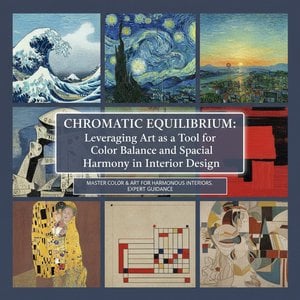
Kromatisk Ligevægt i Indretningen: Kunstens Rolle i Farvebalancering og Rumlig Harmoni
Skab harmonisk indretning med kunst! Lær farveteoriens principper og find inspiration til at vælge malerier & skulpturer, der passer din stil. Ekspertvejledning og kvalitetskunst.

Evig Skønhed i Boligen: Renaissance Harmoni, Impressionistisk Lys og Vejen til Tidløs Indretning
Oplev renæssancens harmoni og impressionismens lys i dit hjem. Få inspiration til tidløs indretning, kuratering af gallerivægge og farvepsykologi. Ekspertvejledning for luksusboliger.

