


 Se i fuld skala
 Del
Del Del
Del
 Detaljer

 Download
 Lignende værker
 Røntgenundersøgelse
 Diasshow
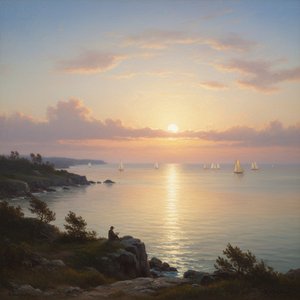
George Morrison (1819–1892)
 Academic Realism
 1871
1871 43.0 x 34.0 cm
 Shetland Museum And Archives
 Se mere
Håndlavet oliereproduktion
Håndmalet olie på lærred i din valgte størrelse og ramme, udført efter bestilling af vores kunstnere. ( Køb print Køb billede)




P118B $10

P118H $10

P118W $10

P438Z $10

P508JH $12

P508YH $12

P805H $10

P805Z $10

P919BZ $10

P919G $10

P919XJ $10

P959ZH $10

P968JZ $12

W106C $8

W218G $10

W218JH $8

W218Y $10

W307PJ $10

W316G $10

W316PJ $8

W316Y $10

W398PJ $8

W4111J $10

W500HY $15

W500JH $15

W692G $12

W849H $8

W940BG $15

W953PJ $8




Vælg mellem vores forudindstillede størrelser, der matcher kunstværkets originale proportioner.

Du kan indtaste dine egne mål for at passe til en bestemt ramme eller plads. Hvis den valgte størrelse ikke stemmer overens med det originale billedes proportioner, vil vi enten beskære kunstværket eller udvide maleriet med yderligere håndmalede elementer. En digital skitse sendes til din godkendelse, før produktionen påbegyndes.
Bemærk venligst, at forhåndsvisningen på skærmen ikke afspejler den faktiske beskæring eller udvidelse. Kun skitsen vil nøjagtigt vise den endelige komposition.
Selvom specialmål er mulige, anbefaler vi at vælge en dimension fra den foruddefinerede liste for at bevare de originale proportioner.
Efter bestilling vil ArtsDot.com team sende en e-mail til kunden for at få instruktioner og levere et udkast til en skitse.
Levering i hele verden () på 3/4 uger i stedet for de standard 5 uger. (27 august). Ingen kompromiser med kvaliteten.

Gratis ekspresforsendelse til hele verden

Lærred af linned i høj kvalitet

Fuld transportforsikring

Garanti for refusion af told og importafgifter

Garanti for præcis farvegengivelse

60 dages returret (kun ved fabrikationsfejl)

100% Tilfredshedsgaranti

Mængderabat tilgængelig
 Glasmulighed er kun tilgængelig i størrelser under 110 cm

George Morrison (1819–1892)
Reproduktionsmetode
Størrelse på reproduktion
-


Samlet pris
$ 263
Lignende kunstværker


Kunstnerens biografi
William Richard Waters: Weaver of Atmospheric Shores
The canvases of William Richard Waters, a British artist working primarily in the 19th century, aren’t merely depictions of coastal scenes; they are immersive experiences. He possessed an uncanny ability to capture not just the visual appearance of the sea and sky, but also the very *feeling* of being present on those windswept shores. Born in Bethersden, Kent, in 1813, Waters's life was inextricably linked to the maritime world, a connection that profoundly shaped his artistic vision. His early years were spent amidst the rhythms of coastal life, witnessing firsthand the ever-changing moods of the English Channel – from the serene tranquility of calm mornings to the tempestuous fury of winter storms. This intimate familiarity with the sea’s power and beauty became the bedrock of his enduring legacy.
Waters's artistic journey began modestly, initially as a marine pilot for the Cinque Ports. This practical experience, navigating treacherous waters and observing countless sunsets over the ocean, instilled in him an acute understanding of light, color, and atmospheric perspective – skills he would later translate into breathtaking paintings. It’s believed that his time as a pilot also fostered a deep appreciation for detail and observation, qualities crucial to his ability to render the subtle nuances of wave action and cloud formations. While formal artistic training remained elusive, Waters honed his craft through relentless practice and an unwavering dedication to capturing the essence of his subject matter.
The Influence of Romanticism and Pre-Raphaelitism
Waters’s work is firmly rooted in the tenets of both the Romantic and Pre-Raphaelite movements, though he developed a distinctly personal style that transcended simple categorization. The Romantics, with their emphasis on emotion, imagination, and the sublime power of nature, provided him with a framework for exploring the emotional resonance of the sea. Artists like Turner and Constable served as significant influences, demonstrating how to use light and color to evoke mood and atmosphere. However, Waters’s paintings possess a meticulousness and attention to detail that aligns more closely with the Pre-Raphaelites, particularly in his rendering of textures – the rough grit of the shoreline, the intricate patterns of seaweed, and the delicate folds of sails. He eschewed the idealized beauty often favored by earlier Romantic painters, instead presenting a more honest and rugged portrayal of the coastal landscape.
The Pre-Raphaelites’ fascination with medieval legends and folklore also subtly permeated Waters's work. Many of his paintings depict scenes from maritime tales – smugglers, shipwrecks, and encounters with mythical creatures – imbuing them with a sense of mystery and drama. Furthermore, the meticulous detail he applied to every element of his compositions reflects the Pre-Raphaelites’ commitment to accuracy and realism, albeit filtered through his own unique artistic sensibility.
Technique and Style: A Master of Atmospheric Perspective
Waters's technical skill is undeniable, but it’s his ability to create a palpable sense of atmosphere that truly sets his work apart. He employed a masterful understanding of atmospheric perspective – the gradual fading of detail and color with distance – to convey the vastness and depth of the seascape. His use of muted blues, greens, and grays, punctuated by flashes of sunlight or the ominous shadows of approaching storms, creates a powerful sense of realism and immediacy. He was particularly adept at capturing the effects of light on water, rendering the shimmering reflections and turbulent waves with remarkable accuracy.
Waters’s brushwork is generally loose and expressive, allowing for a dynamic quality that captures the movement of the sea. However, he also demonstrated a surprising level of control when depicting intricate details, such as the rigging of ships or the textures of rocks and cliffs. His paintings are characterized by a harmonious balance between spontaneity and precision, resulting in works that are both visually stunning and emotionally resonant.
Notable Works and Legacy
Among Waters’s most celebrated paintings are “The Smugglers” (1845), a dramatic depiction of clandestine activity along the Kentish coast; "A Storm on the Coast" (circa 1860), showcasing the raw power of nature; and his portrait of Mary, Wife of James Sandford (1813), a remarkably realistic portrayal of a woman embodying quiet dignity. These works, alongside numerous smaller studies and sketches, offer a comprehensive glimpse into Waters’s artistic development and subject matter.
Despite not achieving widespread fame during his lifetime, William Richard Waters is now recognized as one of the most important British marine artists of the 19th century. His evocative depictions of the sea continue to captivate viewers with their atmospheric depth, technical skill, and emotional power. His legacy lies in his ability to transform a simple seascape into a profound meditation on the beauty, mystery, and inherent drama of the natural world – a testament to the enduring appeal of coastal landscapes.

william richard waters
1813 - 1880
Kort om kunstneren
- Artistic Movement Or Style: Romantic Seascapes
- Artists Or Movements Influenced By This Artist:
- Hudson River School
- Romanticism
- Artists Who Influenced This Artist:
- J.M.W. Turner
- William Mulready
- Date Of Birth: September 30, 1813
- Date Of Death: 1880
- Full Name: William Richard Waters
- Nationality: British
- Notable Artworks:
- The Smugglers
- The Coast of Cornwall
- Seascape with a Storm
- The White Tower
- Place Of Birth: Bethersden, Kent, England
Relaterede artikler

Fluid Reflections: Exploring Water's Symbolism in Art History – From Myth to Impressionism
Explore the rich symbolism of water in art history – from ancient myths to Impressionism's fleeting beauty. Discover masterpieces & find your perfect serene artwork with ArtsDot.com.

The Enduring Legacy of Oil on Canvas: Technique, History & Aesthetic Impact
Explore the rich history & techniques of oil painting – from Renaissance masters to Impressionism. Discover pigments, layering methods, and why this timeless medium endures. Expert insights for artists & art enthusiasts.
William Trost Richards: Luminism, Spirituality & the American Landscape Tradition
Explore the captivating landscapes of William Trost Richards, a master of Luminism associated with both the Hudson River School & American Pre-Raphaelite movements. Discover his spiritual connection to nature and lasting influence on American art.

Løft kontorets æstetik: Top 5 kunststile til moderne kontorer
Løft dit kontors æstetik med de rette kunststile! Få inspiration og ekspertråd til at skabe et kreativt og produktivt arbejdsmiljø. Udforsk vores guide nu.

Oil on Canvas: A Historical & Technical Exploration of a Timeless Artistic Medium
Explore the rich history & enduring techniques of oil painting on canvas. Discover the science behind its longevity, conservation practices, and contemporary relevance. Expert insights for art enthusiasts.

