A Time Capsule of Taste: The Musée Condé at Chantilly
Nestled within the breathtakingly preserved Château de Chantilly, a mere stone’s throw from Paris, lies a museum unlike any other – the Musée Condé. It's not simply a repository of art; it’s an immersive journey into the meticulously crafted aesthetic world of Henri d’Orléans, Duke of Aumale, and his profound passion for collecting. The story begins with a singular stipulation: that the château and its treasures remain untouched by the relentless march of modernization, preserving them within their original context – a decision that has resulted in an experience profoundly intimate and remarkably authentic. Walking through these halls is akin to stepping directly into the mind of a discerning connoisseur, witnessing art not as isolated objects but as integral components of a lived environment, a testament to a bygone era of aristocratic refinement.
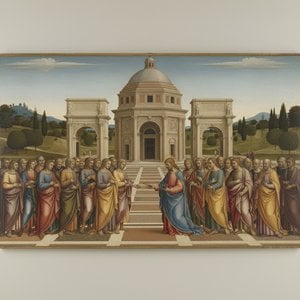
The collection itself is a dazzling kaleidoscope of artistic brilliance, spanning centuries and continents. It’s dominated by an extraordinary assemblage of Old Master paintings – a veritable feast for the eyes. The presence of three luminous works by Raphael, each radiating with the High Renaissance master's delicate grace and spiritual depth, is simply breathtaking. Equally captivating are five canvases by Nicolas Poussin, revealing his mastery of classical composition and allegorical storytelling; four paintings by Antoine Watteau, capturing the fleeting elegance and playful spirit of the Rococo era; and a significant collection of signed works by Jean-Auguste-Dominique Ingres, showcasing his dynamic brushwork and masterful technique. Beyond these iconic figures, the museum boasts an impressive array of drawings, prints, illuminated manuscripts, sculptures, and decorative arts – a testament to the Duke’s discerning eye and unwavering commitment to preserving beauty in all its forms. The collection's true heart lies within the *Très Riches Heures du Duc de Berry*, arguably the most celebrated illuminated manuscript in the world. Its pages are a riot of color and detail, depicting scenes of courtly life, agricultural labor, and religious devotion with an astonishing level of intricacy – a window into the medieval imagination and the unparalleled craftsmanship of the period.
The Château: A Living History
However, to truly appreciate the Musée Condé, one must understand the significance of its setting. The Château de Chantilly is not merely a backdrop; it’s an integral part of the museum's identity. This magnificent structure has evolved dramatically over centuries, transforming from a medieval fortress into a Renaissance palace and finally reaching its current grandeur under the watchful eye of the Bourbon-Condé family. The museum spaces themselves are a fascinating blend of meticulously restored galleries designed to showcase the Duke’s collection and intimate residential quarters that retain their original 18th and 19th-century character. This deliberate juxtaposition creates an atmosphere of unparalleled authenticity, allowing visitors to experience art within the context for which it was originally created – a feeling of stepping back in time.
The architecture itself speaks volumes about the tastes and sensibilities of those who shaped Chantilly’s history. The grand halls are adorned with opulent carvings, gilded furniture, and richly patterned fabrics, evoking the atmosphere of a princely residence. The vast gardens surrounding the château – meticulously maintained remnants of extraordinary decadence and beauty – further enhance this immersive experience, offering a visual feast of canals, waterfalls, fountains, and lush flowerbeds. The entire complex is a testament to the enduring legacy of the Condé family and their unwavering dedication to preserving artistic heritage.
Notable Exhibitions & Research
What truly sets the Musée Condé apart is its unwavering commitment to preservation – a direct consequence of the Duke’s stipulations. The artworks remain in their original setting, never loaned out, ensuring that visitors experience them exactly as he intended. This singular condition has created a museum unlike any other, offering an unparalleled glimpse into the aesthetic world of 19th-century France. Recent projects have explored themes of patronage and artistic innovation during the Belle Époque, demonstrating how influential figures like Henri d’Orléans shaped the cultural landscape of his time. Ongoing efforts focus on conserving fragile manuscripts and artworks, ensuring their survival for future generations – a testament to the museum’s dedication to safeguarding its invaluable treasures.
Currently, the Musée Condé is hosting a fascinating exhibition exploring the influence of Dutch Masters on French art in the 18th century. This show highlights the Duke's personal collection and sheds light on the cross-cultural exchange that enriched the artistic scene at Chantilly. The museum’s scholarly research continues to delve into the intricacies of artistic production and reception during this pivotal period, furthering our understanding of Chantilly’s role as a beacon of cultural excellence.
Beyond the Paintings: A World of Treasures
While the paintings are undoubtedly the stars of the show, the Musée Condé offers so much more. The library houses over 1,500 manuscripts, including the *Très Riches Heures du Duc de Berry*, a masterpiece of medieval illumination; an impressive collection of prints and drawings by masters such as Rembrandt and Dürer; and a wealth of decorative arts – furniture, porcelain, tapestries – that provide a comprehensive picture of aristocratic life in 19th-century France. The museum’s dedication to preserving this diverse range of artistic expressions makes it a truly exceptional destination for art lovers of all kinds. A visit to the Musée Condé is not just an opportunity to admire beautiful works of art; it's a chance to step back in time and experience the world through the eyes of a discerning collector.