Luminózní odkaz Franze Bischoffa
Franz Albert Bischoff představuje nenápadnou, avšak hluboce vlivnou postavu v americké dějinách umění – malíře, jehož štětec dokázal zachytit pomíjivou podstatu světla i klidnou duši kalifornské krajiny. Narodil se v roce 1864 ve Steinschönau am Inn v Rakousku a jeho raný život byl hluboce zakořeněn v bohatých dekoračních tradicích Rakouska-Uherska. Toto základní vzdělání v oblasti aplikovaného designu, akvarelu a keramické dekorace v něm zanechalo mimořádnou pozornost k detailu a hlubokou úctu k barevné harmonii. Když ve čtrnácti letech emigroval do Spojených států, nesl s sebou cit pro „starý svět“, který se později spojil s rostoucím optimismem amerického Západu a vytvořil styl, jenž byl technicky precizní i emocionálně působivý.
Jak se jeho kariéra rozvíjela skrze průmyslové krajiny New Yorku, Ohia a Michiganu, Bischoff si nejprve získal uznání díky jemnému umění malování na porcelán. Tato disciplína vyžadovala neuvěřitelnou mistrovství v míchání barev a práci s drobným detailem, což byly dovednosti, které se později staly znamenitým znakem jeho krajinných kompozic. Schopnost manipulovat s jemnými glazurami a lavisky mu umožnila vdechnout život porcelánu, což byl předzvěstí éterických kvalit, které nacházíme v jeho pozdějších olejomalbách. Právě toto jedinečné propojení dekorační přesnosti a atmosférické citlivosti definovalo jeho uměleckou identitu při přechodu z precizního světa keramiky k rozlehlým horizontům americké hranice.
Impresionismus a kalifornské světlo
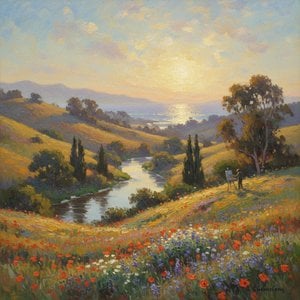
Skutečná metamorfóza Bischoffova umění nastala po jeho příjezdu do Kalifornie, kde dramatická topografie a jedinečné atmosférické podmínky našly novou muzu. Přijavší se principy impresionistického hnutí se snažil zachytit pomíjivé okamžiky světla, které tuto oblast definují. Jeho technika se proměnila v sofistikovaný dialog mezi jemnými akvarelovými lavisky a subtilními olejovými glazurami, což vedlo ke vzniku pláten, která zdají se zářit zevnitř. Disponoval vzácnou schopností převést komplexní vizuální informace do harmonických kompozic, ať už zachycoval drsnou majestátnost horských masivů nebo měkké pobřežní mlhy Pacifiku.
Jeho dílo slouží jako živá kronika přírodního světa během transformativní éry v amerických dějinách. Skrze jeho oči prožíváme následující:
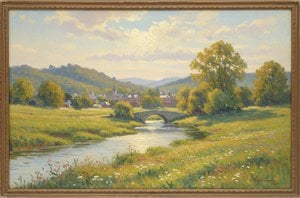
- Cloud Shadows: Mistrovské dílo z roku 1912, kde jsou dramatické hory a živé stromy oživeny impresionistickou optikou, nabízející klidný pohled do nitra přírodní síly.
- Pasadena Foothills: Úchvatná olejomalba z roku 1917, která zachycuje podstatnou krásu americké krajiny a demonstruje jeho schopnost vykreslit světlo na vlnícím se terénu.
- Mist-Veiled Days, Monterey: Evokativní zkoumání pobřežní atmosféry, kde hra mlhy a moře prokazuje jeho mistrovství v tónální subtilitě.
Trvalý dojem v dějinách umění
Kromě pouhého zobrazení krajiny Bischoffovo dílo ztělesňuje pocit nostalgie a úcty k nedotčené kráse přírody. Jeho malby, jako například mistrovské Landscape at Saint Valery-sur-Somme, prokazují schopnost propojit jeho evropské kořeny s americkými zkušenostmi, čímž spojuje strukturovanou eleganci svého vzdělání s divokou, spontánní energií kalifornského pobřeží. Nenalíral pouze to, co viděl; maloval to, jak světlo působilo, a vdechl svým tématům pocit klidu a trvalosti.
Historický význam Franze Bischoffa spočívá v jeho roli spojovaného mostu mezi dekorativním uměním a krajinářskou malbou vysokého umění. Tím, že přenesl preciznost malování na porcelán do velkolepé měřítky impresionistických olejů, vytvořil unikátní vlastní styl. Dnes jsou jeho díla ceněna pro svou schopnost přenést diváka do dávné éry objevování a přírodní nádhery, čímž nás připomínají neochvějnou sílu jemného doteku a luminózní vize.
Otázky a odpovědi
Kde mohu najít statistiky o dílech umělce Franz Bischoff?
Stránka Statistiky pro umělce Franz Bischoff obsahuje statistiky vypočítané z jeho děl uvedených na tato webová stránka.
Existuje chronologický přehled tvorby umělce Franz Bischoff?
Kronika umělce umělce Franz Bischoff je interaktivní časová osa ovládaná skrolováním, která představuje díla umělce v chronologickém pořadí, rozdělená do kapitol podle jednotlivých období jeho kariéry.
Jak najdu díla umělce Franz Bischoff na konkrétní téma?
Chcete-li najít díla umělce Franz Bischoff na konkrétní téma, navštivte jeho stránku Podle klíčových slov, kde jsou umělecká díla seskupena podle klíčových slov.