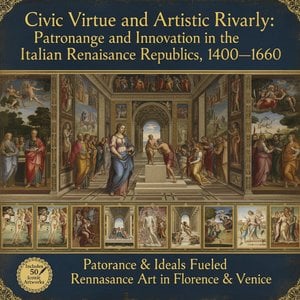
Záhadný architekt renesančního Urbina
V zastíněných chodbách Quattrocenta má málo postav tak fascinující a tajemnou přitažlivost jako Fra Carnevale. Jméno šeptané s úctou i mystikou, Bartolomeo di Giovanni Corradino – v dějinách známý svým mnichovským titulem – zůstává jedním z nejzáhadnějších mistrů italské renesance. Narodil se kolem roku 1420 v Urbinu; jeho život byl jemnou tapiserií utkanou ze vláken duchovní oddanosti a hluboké umělecké inovace. Jako člen dominikánského řádu Carnevale obýval unikátní prostor, kde se kontemplativní ticho kláštera setkávalo s rostoucím intelektuálním přísným směřováním humanismu. Ačkoliv lze dnes jeho rukou s jistotou přisuzovat pouze devět děl, každý zachovaný kus slouží jako okno do mysli, která se snažila harmonizovat božské s matematickou přesností fyzického světa.
Trajektorie Carnevalova umění byla utvářena velkými uměleckými tavírnami své éry. Jeho formativní roky v Urbinu pod vedením Jacopa Veneta v něm vzbudily brzkou fascinaci perspektivou, dovedností, která se stala znamením jeho zralého stylu. Nicméně právě jeho cesta do Florencie kolem roku 1445 skutečně zapálila jeho tvůrčího ducha. Ponořen do živé florentinské atmosféry, studoval u vlivného Antonia Albertina a vstoupil do prestižní dílny Filippa Lippiho. Toto učňovství bylo transformativní; od Lippiho si Carnevale osvojil mistrovskou práci s barvou a jemný přístup k kompozici, přičemž se naučil vdechovat postavám život prostřednictvím subtilních tónových posunů a emocionální hloubky.
Mistrovství prostoru a posvátného vyprávění
To, co odlišuje dílo Fra Carnevaleho od jeho současníků, je jeho bezprecedentní schopnost integrovat komplexní architektonické prostředí s posvátnými příběhy. On nemaloval pouze pozadí; on konstruoval celé světy. Jeho plátna často obsahují impozantní, klasicky inspirované struktury, které odrážejí humanistické ideály doby a napodobují velkolepost Paláce v Urbinu i teoretické traktáty Leon Battista Albertina. V dílech jako Narození Panny Marie lze pozorovat dechberoucí spojením středověkého detailu a renesanční prostorové logiky. Architektonická hloubka dosažená v těchto panelech naznačuje hluboké porozumění geometrii, čímž vytváří scénu, kde zázrak působí ukotveně v hmatatelné, měřitelné realitě.
Jeho technický repertoár byl stejně rozmanitý jako jeho vlivy, od světelné jasnosti tempery až po bohaté textury olejomalby. V dílech jako Svatý Petr využíval světlo a stín k vyvolání pocitu důstojnosti a božské přítomnosti, zatímco jeho Alegorická scéna představuje odvážné použití nahých postav v klasických kulisách, což odráží fascinaci tehdejší doby znovuobjevenými řecko-římskými ideály. Tato schopnost pohybovat se mezi pobožnými požadavky jeho dominikánského poslání a sofistikovanými estetickými nároky patronů, jako byl Federico Montefeltro, mu umožnila vytvářet umění, které bylo současně devocecké i intelektuálně stimulující.
Odkaz a historický rezonance
Ačkoliv nedostatek jeho dochovaného díla často vedl vědce k debatám o autenticitě některých děl, historický význam Fra Carnevaleho nelze přehodnotit. Působil jako životně důležitý most mezi ranými experimenty 15. století a dokonalostí vrcholné renesance, dosaženou másty jako Bramante a Rafael. Jeho zájem o architektonickou perspektivu a integraci klasických motivů poskytl základní plán pro další generaci italských umělců. Studium Carnevalea znamená být svědkem okamžiku, kdy se duchovní intenzita středověku začala slučovat se strukturovanou, lidsky orientovanou vizí renesance.
Dnes žije odkaz tohoto záhadného mnicha prostřednictvím vzácných, drahocenných fragmentů jeho vize, které nám zůstaly. Stojí jako svědectví o síle „architektonického malíře“, umělce, který viděl božstvo nejen v tvářích svatých, ale i v samotných proportionech prostoru, který obývali. Jeho život, ač zahalený do mnoha historických nejistot, nadále vzbuzuje úžas a připomíná nám, že i ty nejzáhadnější postavy mohou zanechat nezmazatelnou stopu v duši dějin umění.
Otázky a odpovědi
Kde najdu díla umělce Fra Carnevale uspořádaná podle tématu?
Díla umělce Fra Carnevale si můžete prohlédnout podle tématu na stránce Abeceda témat tohoto umělce.
Pod jakými dalšími jmény je Fra Carnevale známý/á?
Fra Carnevale je známý/á také pod jmény Bartolomeo Di Giovanni Corradini, Bartolomeo Coradini, Fra Carnevale Nebo Carnovale.
V jakém městě a z jaké země pochází Fra Carnevale?
Fra Carnevale se narodil(a) ve městě Urbino v zemi Itálie.